
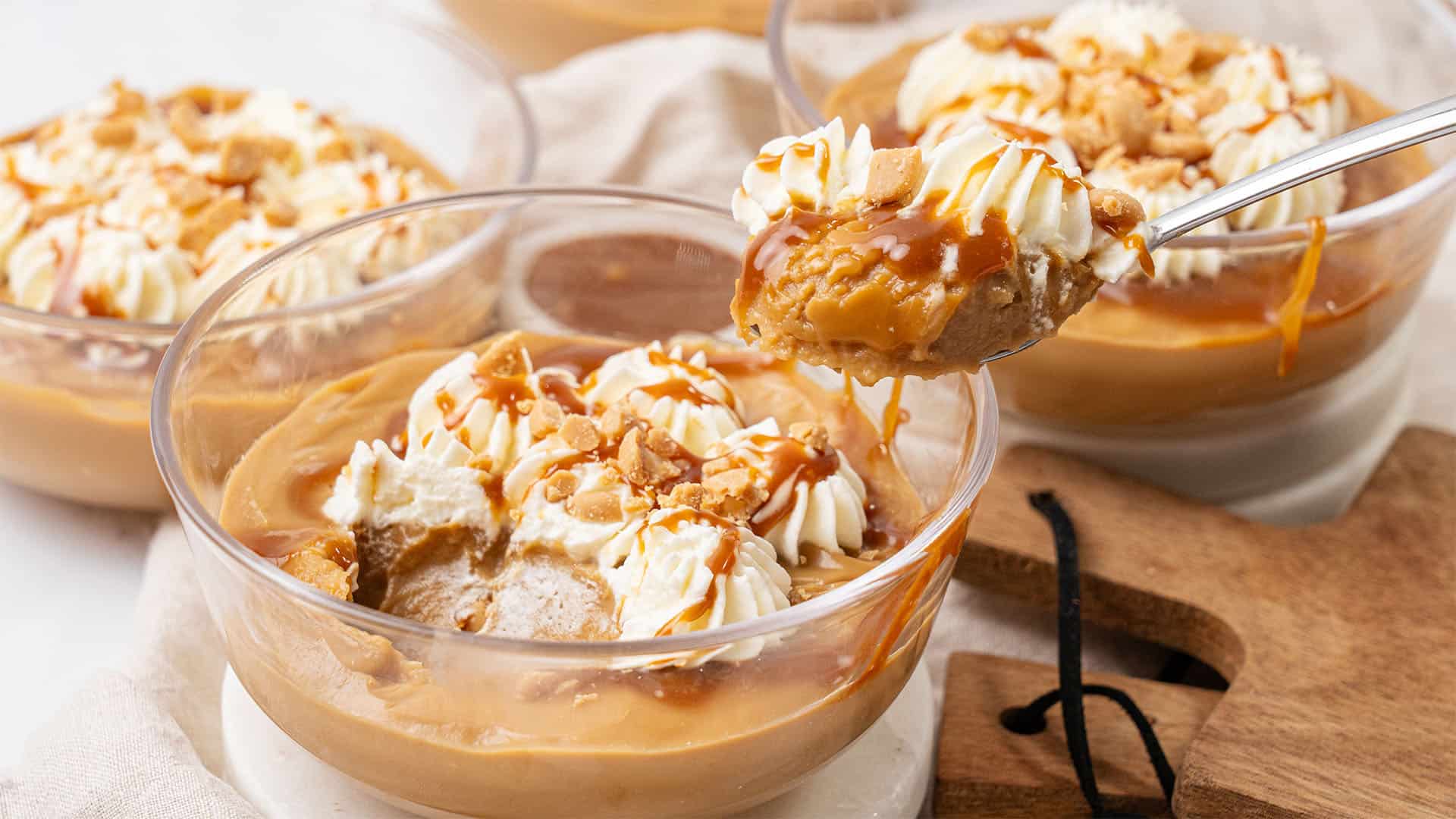
This Butterscotch Pudding is a luxuriously creamy, velvet-rich dessert that shows off the deep flavor of real butterscotch. Caramelized brown sugar and butter are slowly cooked with cream, then turned into a rich, custardy pudding with milk and egg yolks for a perfectly smooth texture. It can be served as a dessert cup or used to make butterscotch pie.
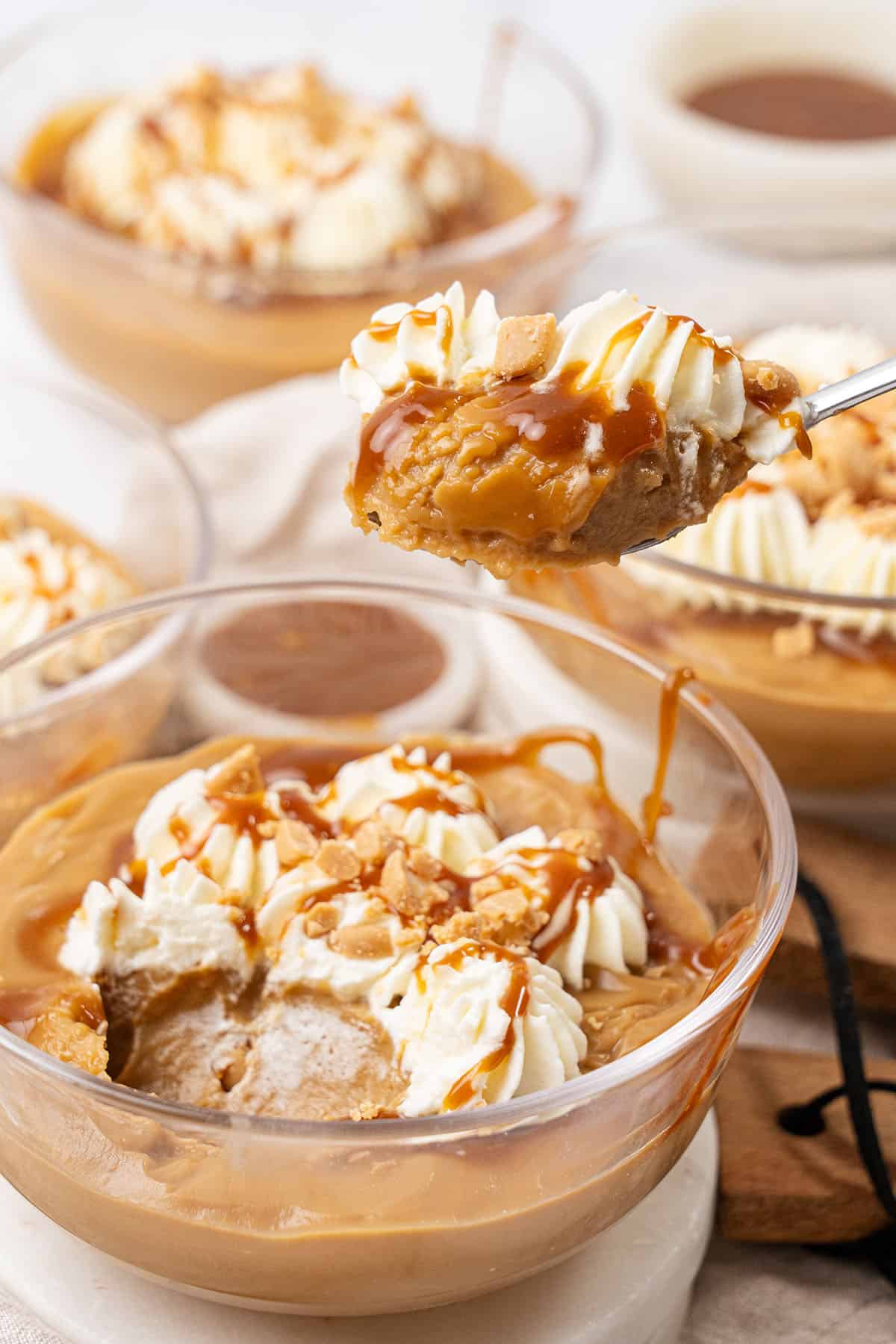
Best Butterscotch Pudding Recipe
My Butterscotch Pudding is written to remove the confusion I see in so many other versions. This method builds flavor first and then sets it cleanly. The result is a pudding that tastes deeply buttery and toffee-like, with a texture that stays smooth and sliceable once chilled. It uses the same base as a traditional pastry cream.
I tested the heat, ingredient ratios, and thickening balance to avoid the usual problems like graininess, scrambled yolks, or a pudding that never firms up. Slow caramelization, combined with gentle thickening with egg yolks, yielded the most stable texture and the cleanest butterscotch flavor.
This recipe focuses on technique rather than shortcuts. You’ll learn how to manage the heat, protect the texture, and follow a structure that produces reliable results every time. With this method, you get a warm, buttery, deeply flavored butterscotch pudding that’s far superior to store-bought mixes or rushed recipes.
Katalin's key take on what the difference is between caramel and butterscotch?
The first thing to understand is that caramel and butterscotch are not interchangeable, even though they look similar at a glance. Each has its own ingredients, technique, and flavor profile.
Caramel is traditionally made by cooking granulated sugar alone until it melts and turns amber, then adding butter or cream afterward. This dry-caramel method creates a deeper, slightly bittersweet flavor, but it also burns very easily. As you saw in my Pecan Pie Cheesecake recipe, I sometimes cook the butter and sugar together because it’s more forgiving, but the classic method begins with sugar only.
Butterscotch, however, is made by gently cooking brown sugar and butter together from the start. The brown sugar melts more slowly, and the molasses gives the finished pudding a softer, rounder sweetness with notes of toffee. The lower heat is important here - this mixture needs to caramelize gradually so the butter doesn’t separate.
In terms of taste, caramel is bold and sometimes slightly bitter, while butterscotch is smoother, buttery, and more mellow. That’s exactly why it works so beautifully in this pudding. When cooked slowly and carefully, you get that glossy, rich butterscotch base!
If you love the flavor of butterscotch, why not try my butterscotch cookies too?
Start with the butterscotch
Melt the brown sugar and butter together over medium heat, stirring the whole time. After a couple minutes, the mixture will look smoother and start bubbling gently with a glossy surface. Stop as soon as it smells like warm toffee and lightly coats your spoon, since pushing it darker can turn bitter fast.
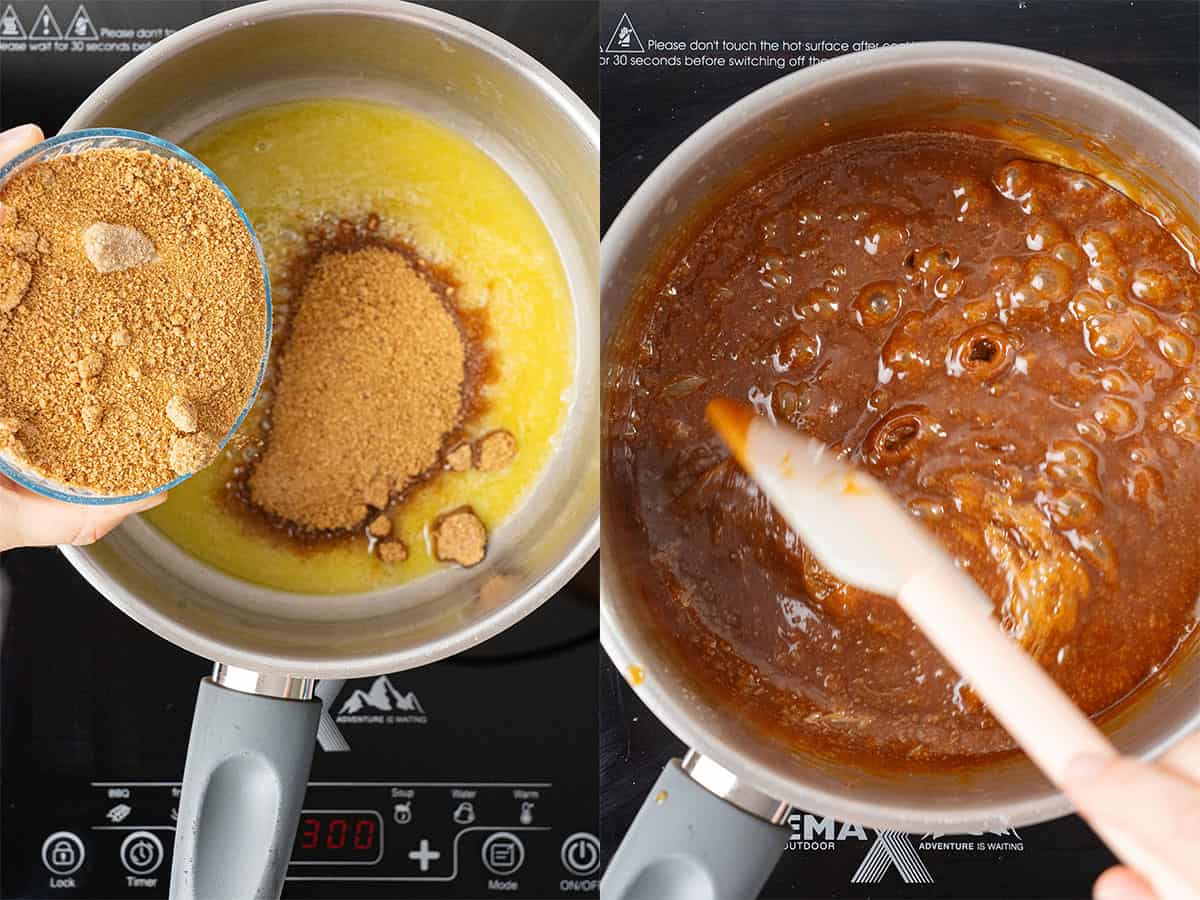
Warm the heavy cream in a separate pan. Once the brown sugar and butter are melted, slowly pour in the warm cream while whisking. This helps the mixture stay smooth and prevents the butter from separating. Let it cook for another 2 to 3 minutes until smooth.
Remove the saucepan from the heat and stir in the salt and vanilla. At this point, you should have a thick, pourable butterscotch sauce that coats the back of a spoon. Set it aside while you prepare the pudding base. This sauce is what gives the finished pudding its deep, buttery flavor.
Now turn that into pudding
In a large bowl, whisk together the egg yolks with a hand whisk for 1–2 minutes until slightly fluffy. Then, whisk in the cornstarch until no dry pockets remain.
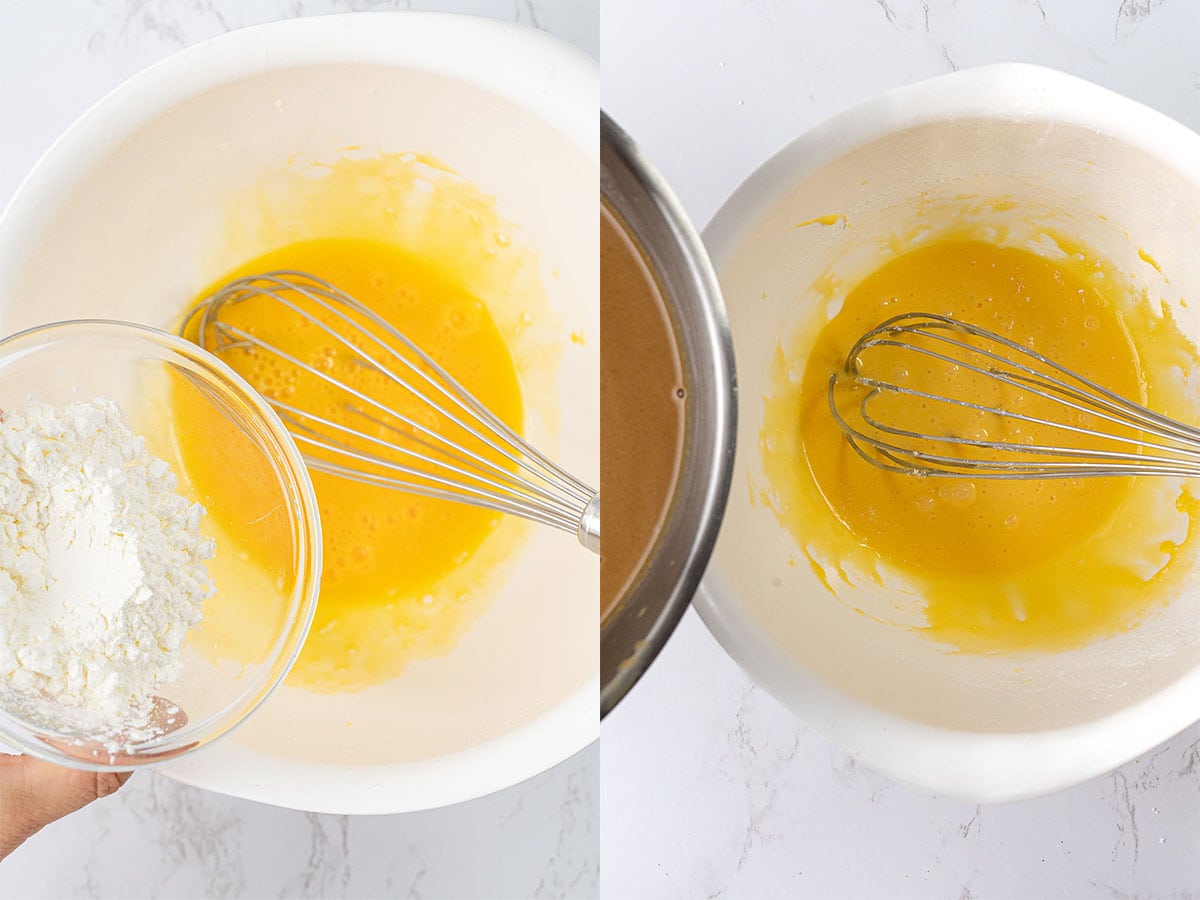
Heat the milk in a saucepan until it begins to steam. Add the warm butterscotch and whisk to combine, then bring it just to a gentle simmer. Tip: It is worth reserving 2-3 tablespoons of butterscotch for decorating the pudding before serving.
Once the mixture is hot and cohesive, remove it from the heat.
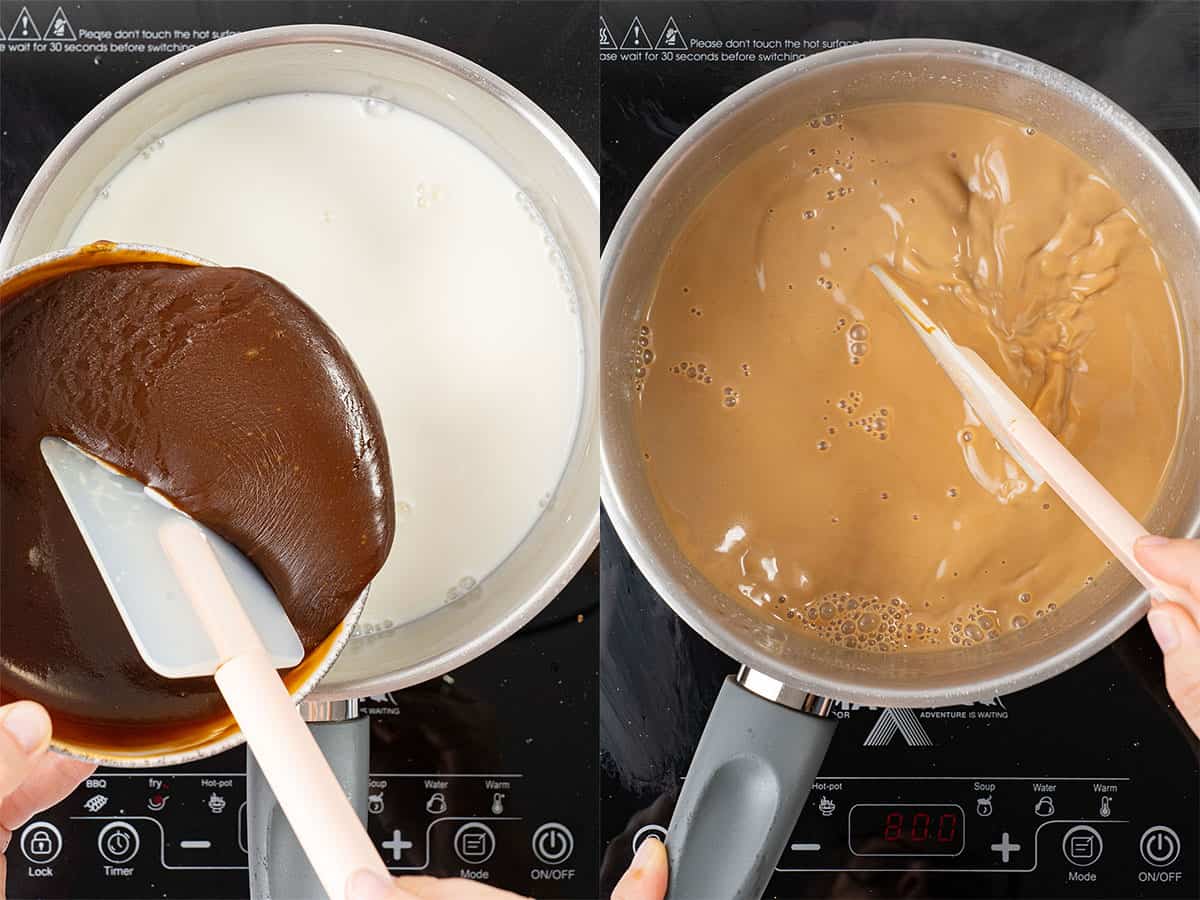
Slowly whisk the warm mixture into the yolks to temper them. This step gently raises the temperature of the yolks so they do not scramble. Pour everything back into the saucepan and cook over medium heat.
Keep whisking until the pudding thickens and becomes smooth, about 1 minute after it starts to bubble. If it looks lumpy, continue whisking until the texture evens out.
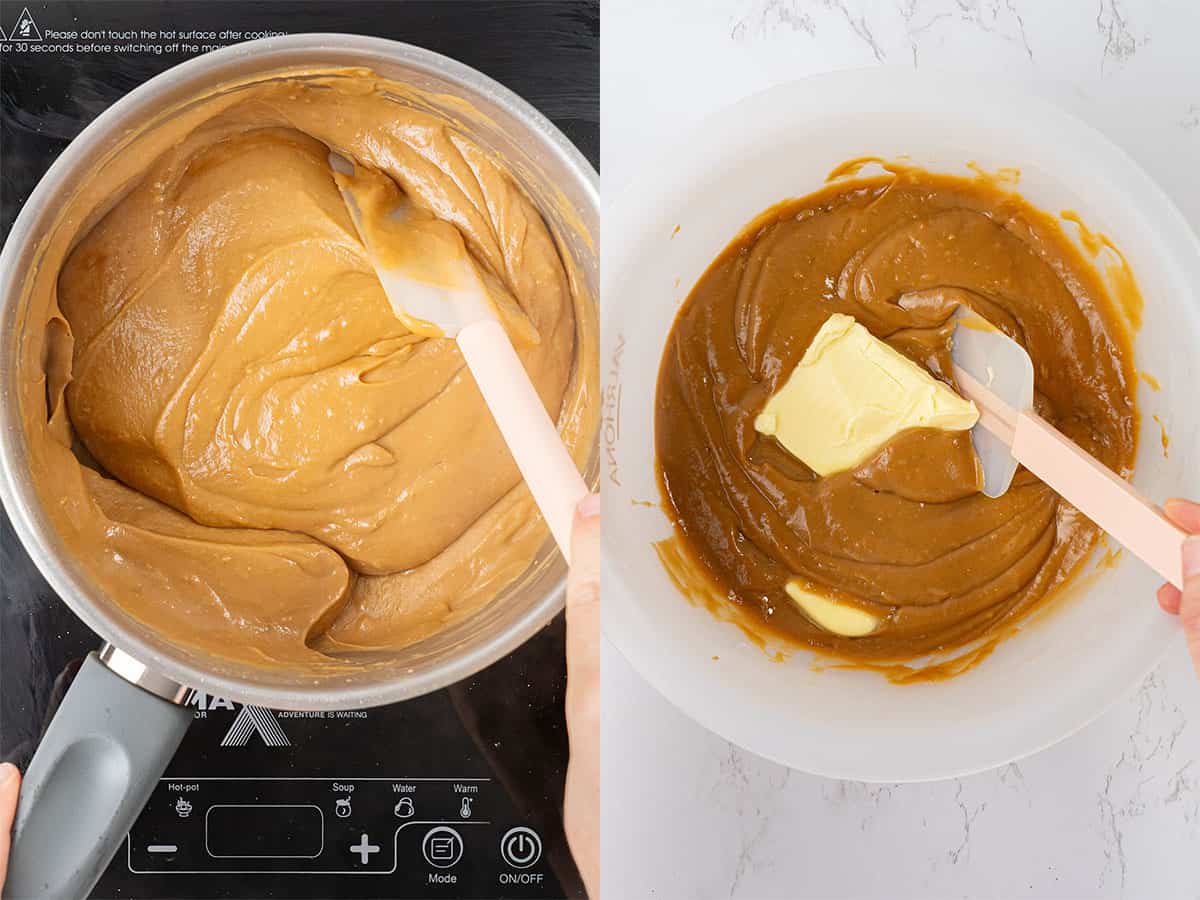
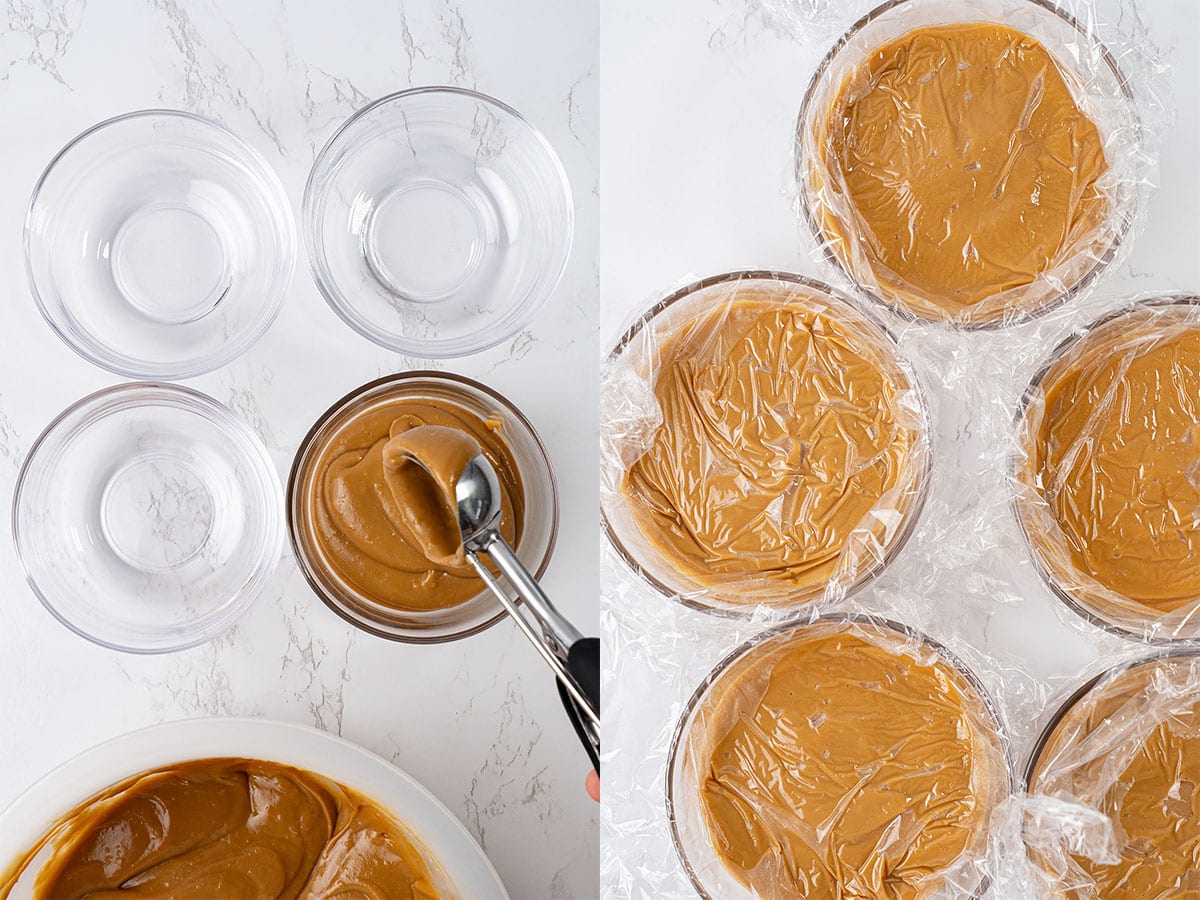
Strain for extra smoothness, then stir in the softened butter. Divide the pudding into bowls, press plastic wrap directly onto the surface, and chill for a few hours.
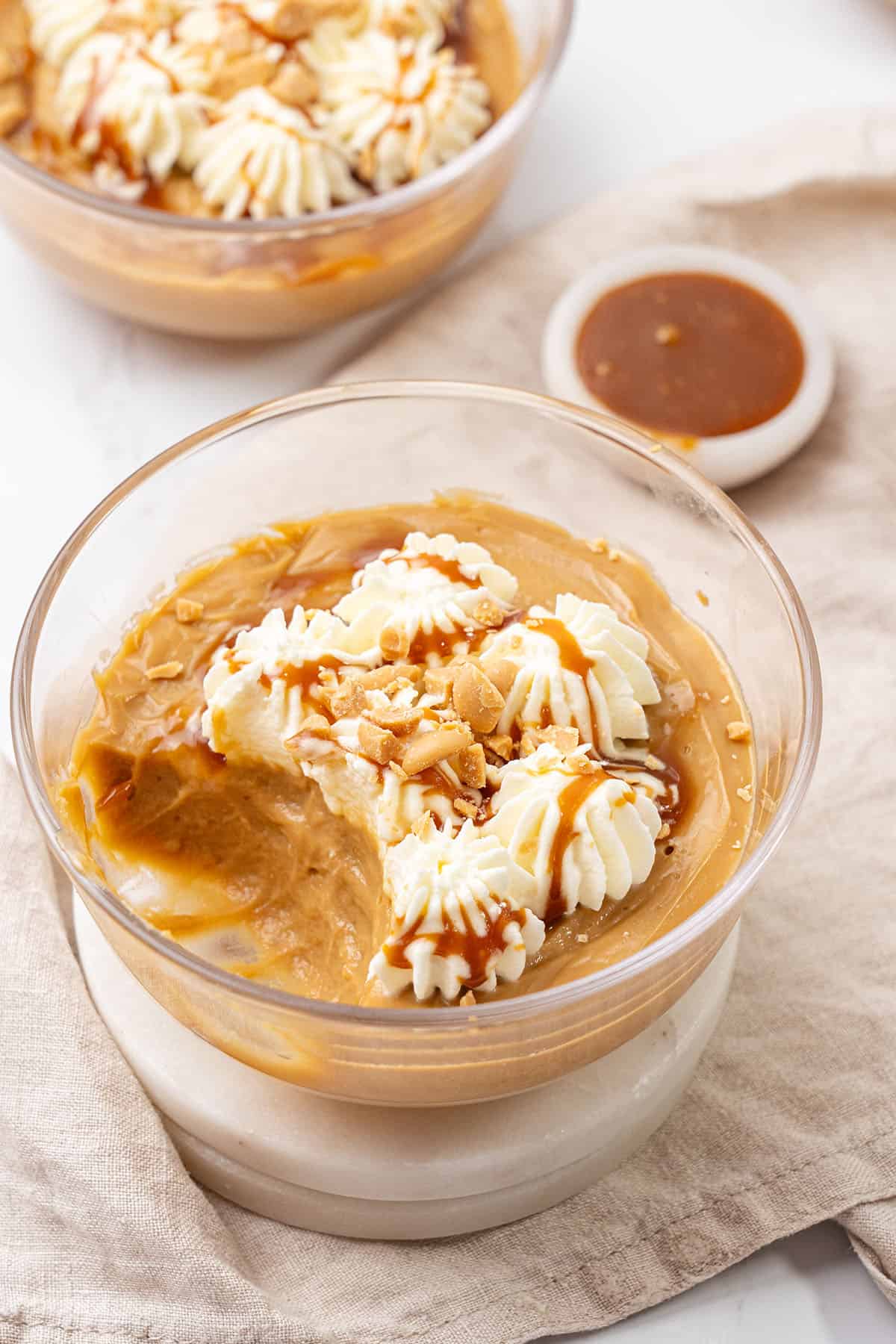
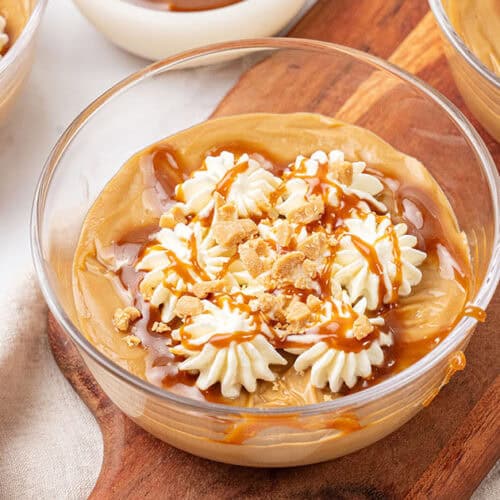
Before serving, let it sit at room temperature for a few minutes and top with Chantilly cream and the reserved butterscotch.
Storing & Freezing
Leftover butterscotch pudding can be covered and stored in the refrigerator for up to 3 days. Press plastic wrap directly onto the surface to prevent a skin from forming, then chill until set.
I do not recommend freezing this pudding as custard does not freeze well, and the texture might alter after thawing.
Flavor Variations
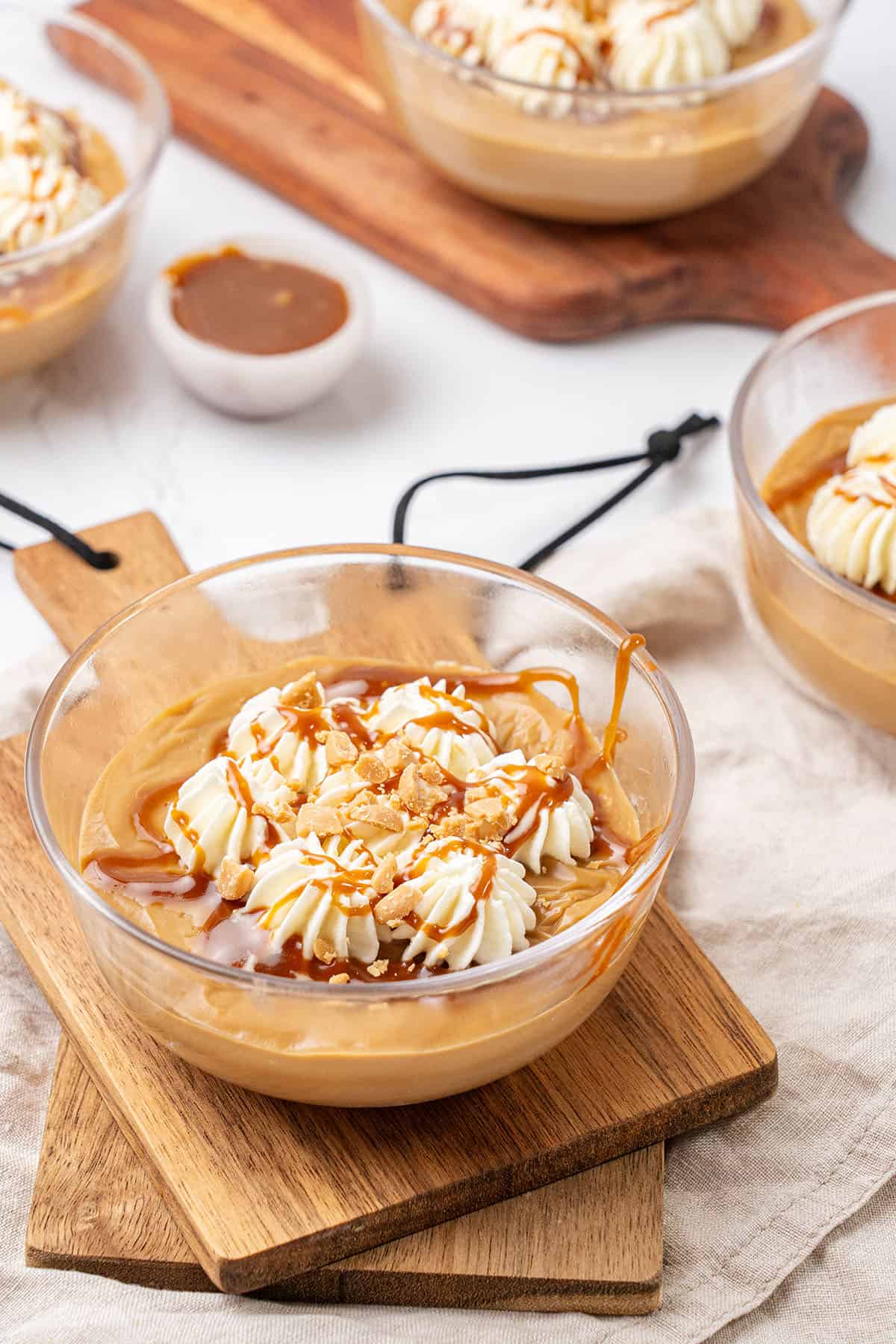
You can easily adapt this Butterscotch Pudding for different flavors without changing the base recipe. Try replacing part of the brown sugar with dark brown sugar or muscovado for a deeper caramel taste. A pinch of cinnamon, ginger, or a little nutmeg on top adds gentle warmth.
For a richer variation, stir in a splash of bourbon, dark rum, or Scotch after taking the butterscotch off the heat. The flavor softens into the pudding and complements the caramel beautifully. A few flakes of sea salt before serving also help balance the sweetness.
You can also add other flavors by mixing a spoonful of espresso or a bit of vanilla bean paste into the pudding. For more texture, layer the pudding with crushed Biscoff or Digestive biscuits, toasted nuts, or sliced bananas before topping with whipped cream and a drizzle of extra butterscotch.
Ingredient Substitutions
You can use either light or dark brown sugar in this recipe. Light brown sugar offers a milder caramel flavor, while dark brown sugar delivers a deeper, more intense butterscotch flavor. If you run out, you can make your own by mixing white sugar with honey, and my brown sugar substitute guide has more details.
Unsalted butter is the best choice so you can control the saltiness. European-style butter will make the pudding even richer thanks to its higher fat content. Vegan butter can be used for a dairy-free variation, but the flavor and texture will not be as traditional.
Use full-fat heavy cream and whole milk to achieve the classic silky consistency. You can also use half and half and butter instead of heavy cream, as it's one of the best heavy cream substitutes.
The pudding relies on both cornstarch and egg yolks to thicken properly. While arrowroot or potato starch can work in emergencies, they may change the final texture or make the pudding looser once chilled. Because the structure depends on dairy and eggs, this recipe does not adapt well to a fully egg-free or vegan version.
Expert Tips To Make Butterscotch Pudding
- If your brown sugar is very clumpy, warm it in the oven at low heat for a few minutes before starting. Dry, clumped sugar melts unevenly and can create tiny gritty spots later.
- Butterscotch comes from deeply caramelized brown sugar + butter.
Cook until the mix smells nutty and turns dark amber. Too light = bland; too dark = bitter. - When caramelized sugar meets cold liquid, it seizes instantly and can cause graininess, lumps, or even cause the butterscotch to harden into a rock. Adding heated cream (hot) is a must.
- Let the pudding cool for about 5 minutes before adding the softened butter. If the custard is too hot, the butter can melt too quickly, and the fat may separate rather than emulsify.
- Chill the pudding in wide, shallow bowls rather than deep cups if you want the fastest, most even set. Shallow dishes release heat more consistently and prevent condensation from dripping back into the surface.
- Place the wrapped pudding into the refrigerator only after it has cooled to room temperature. Chilling it while hot encourages steam buildup under the plastic wrap.
- If your refrigerator has a “humidity control” drawer, chill the pudding there. Lower humidity keeps condensation away and helps the surface stay glossy and firm.
What Equipment To Use
Always weigh your ingredients using a digital scale to ensure precision. Pudding relies on exact ratios to set properly.
Use a medium saucepan to cook the butterscotch, then bring the pudding together. Even heat helps prevent burning or curdling.
Using a hand whisk is key for tempering the egg yolks and blending everything into a smooth custard without lumps.
A rubber spatula helps incorporate the butter evenly at the end, giving the pudding a rich, velvety finish.
Try Some Of My Other Dessert Cup Recipes
If you love creamy desserts as much as I do, try some of my other recipes:
And for even more dessert cups, check out my roundup of the 35+ Best Dessert Cups.
Have You Tried This Recipe?
Please leave a 5-star ⭐️⭐️⭐️⭐️⭐️ rating on the recipe card and consider leaving a comment as well!
Butterscotch Pudding
Ingredients
Butterscotch pudding
- 220 g (1 cups) Brown sugar
- 55 g (¼ cups) Unsalted butter 82% fat at room temperature, use it to make the butterscotch
- 230 g (1 cups) Heavy cream 36% fat
- ½ teaspoon Salt
- 1 teaspoon Vanilla
- 480 g (2 cups) Whole milk 3% fat
- 4 Egg yolks room temperature
- 45 g (⅓ cups) Corn starch
- 55 g (¼ cups) Unsalted butter 82% fat, use it at room temperature to add to the pudding as the last step
US customary cup measurement is an indicative figure only. Measure the ingredients with a digital scale by weight (gram). Baking is art but also science which requires precision and accuracy.
Instructions
Start with the butterscotch
- To make the butterscotch, melt the butter and brown sugar together in a saucepan over medium heat. Stir constantly to keep the butter from separating, and slowly cook it for about 3 minutes until it becomes bubbly, glossy, and slightly caramelized and thickened. Slow is key here, do not boil it.
- Meanwhile, heat the cream in a separate pan until it just begins to simmer. Once the butterscotch reaches the desired texture, slowly and steadily pour in the hot cream while stirring. Cook for about 2-3 minutes, stirring constantly, do not boil.
- Stir in the salt and vanilla, and let it rest while preparing the pudding base.
Turn that into pudding
- In a large bowl, whisk together the egg yolks with a hand whisk for 1–2 minutes until slightly fluffy. Whisk in the cornstarch until smooth.
- Heat the milk in a saucepan over medium heat. Once the milk is hot, pour in the previously made butterscotch and mix until combined. Continue heating the two together until a gentle simmer, then remove from the heat. If you want to leave some butterscotch for later as decoration, make sure to reserve 2-3 tablespoons.
- Slowly pour the warm milk-butterscotch mixture into the egg mixture while whisking continuously to temper the yolks. The mixture will start to thicken slightly.
- Return the mixture to the saucepan and cook over medium heat, whisking constantly, until thickened — about 1 minute after it starts to boil. If it becomes lumpy, keep whisking until smooth and glossy.
- For an extra smooth texture, consider straining this butterscotch pudding.
- Lastly, add the softened butter, mixing with a rubber spatula until fully incorporated and creamy.
- Divide the butterscotch pudding into 6 bowls and cover the entire surface with plastic wrap to avoid skin forming on top.
- Refrigerate until set, about 2-3 hours.
- Store the butterscotch pudding covered in the refrigerator for up to 3 days. Before serving, top it with freshly whipped Chantilly cream, the leftover butterscotch sauce and shaved chocolate.
Notes
- Measure your ingredients with a digital scale for accuracy.
- Do not skip the salt; it will balance the flavors.
- Use full-fat milk and cream, high-fat butter, and great-quality vanilla extract to make this recipe.
- Consider adding your favorite spices to the recipe, e.g., cinnamon, or a splash of bourbon, rum, or scotch.
- The recipe contains a few precise steps that need to be done in the right order. Although it is "just a pudding" do not try to cut corners and skip or combine steps.
- When making the butterscotch, cook the mixture until the brown sugar caramelizes, but keep an eye on the color and scent so it doesn't burn.
- Control the heat carefully while making the butterscotch; medium heat gives you more control, prevents burning, and still allows the sugar to caramelize evenly.
- Warm the cream before adding it to the caramelized sugar to prevent the mixture from seizing and splattering.
- When tempering the egg yolk, you effectively raise the egg yolk’s temperature without scrambling. Do not skip this step and try to cook everything in one go.
- Use a small/medium-sized saucepan with good heat distribution to avoid burning the milk when making the pudding.
Eva
I made this after your reel popped up on my IG feed. It's so easy, creamy, and delicious. Will be my go to pudding all fall!
Shivanthi
Hi! How much sugar to add with the eggs? Only the quantity for brown sugar is given in the recipe.
Katalin Nagy
That is actually a good question. You actually don't need sugar for the flavor, as the butterscotch is very sweet on its own. I clarified now in the recipe 'In a large bowl, whisk together the egg yolks with a hand whisk for 1–2 minutes until slightly fluffy. Then, whisk in the cornstarch until no dry pockets remain.'
Shilpi jain
What the substitute of eggs in this
Katalin Nagy
As mentioned in the recipe, " Because the structure depends on dairy and eggs, this recipe does not adapt well to a fully egg-free or vegan version.".