
Butterscotch cookies don’t need much convincing, but these take the classic flavor one step further. Made with brown butter, they have a deeper, richer taste that brings out the caramel notes in every bite. The edges bake up beautifully crisp and chewy, the centers stay soft, and the butterscotch chips melt into little pockets of sweetness. If you love warm, comforting flavors with a hint of nostalgia, this is the cookie recipe you’ll want to bake on repeat.
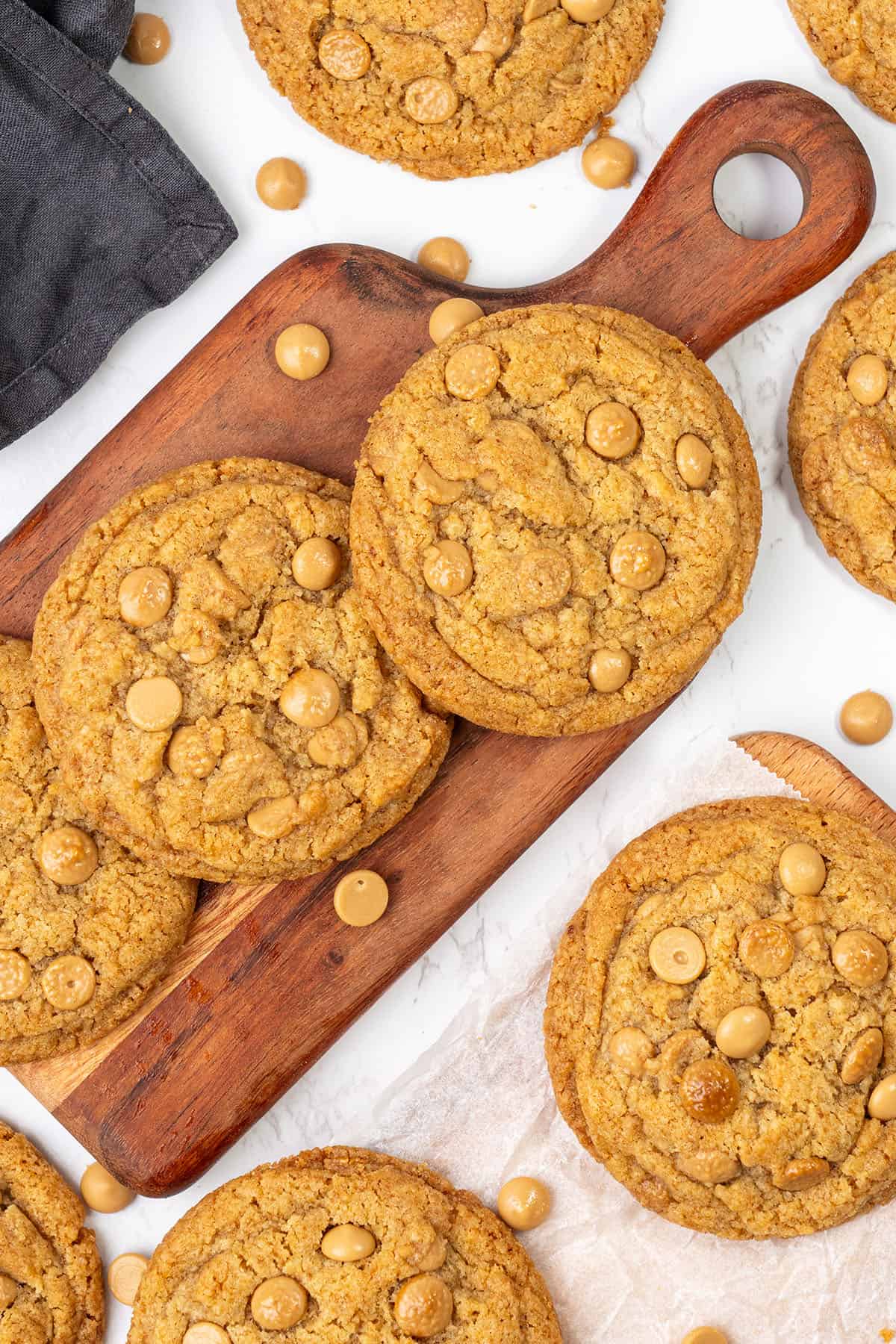
Best Butterscotch Cookies recipe
My Butterscotch Cookies are the best because I focused on getting the texture right while building the flavor around it. I tested different butter methods and sugar ratios until the cookies baked up soft, thick, and full of warm butterscotch notes.
The key technique here is brown butter. It adds richness and depth that you cannot get from regular melted butter, but it must be used at the right temperature to avoid affecting the dough structure. I also refined the chilling time so the cookies rise well and stay chewy, even with a generous amount of butterscotch chips mixed in.
This recipe is designed to help you understand what makes a great cookie: high-quality ingredients in the right proportions, the proper mixing technique, and the right amount of rest before baking. When followed as written, the method yields consistent, flavorful cookies that look polished, stay delicious for days, and taste far better than those made with shortcuts.
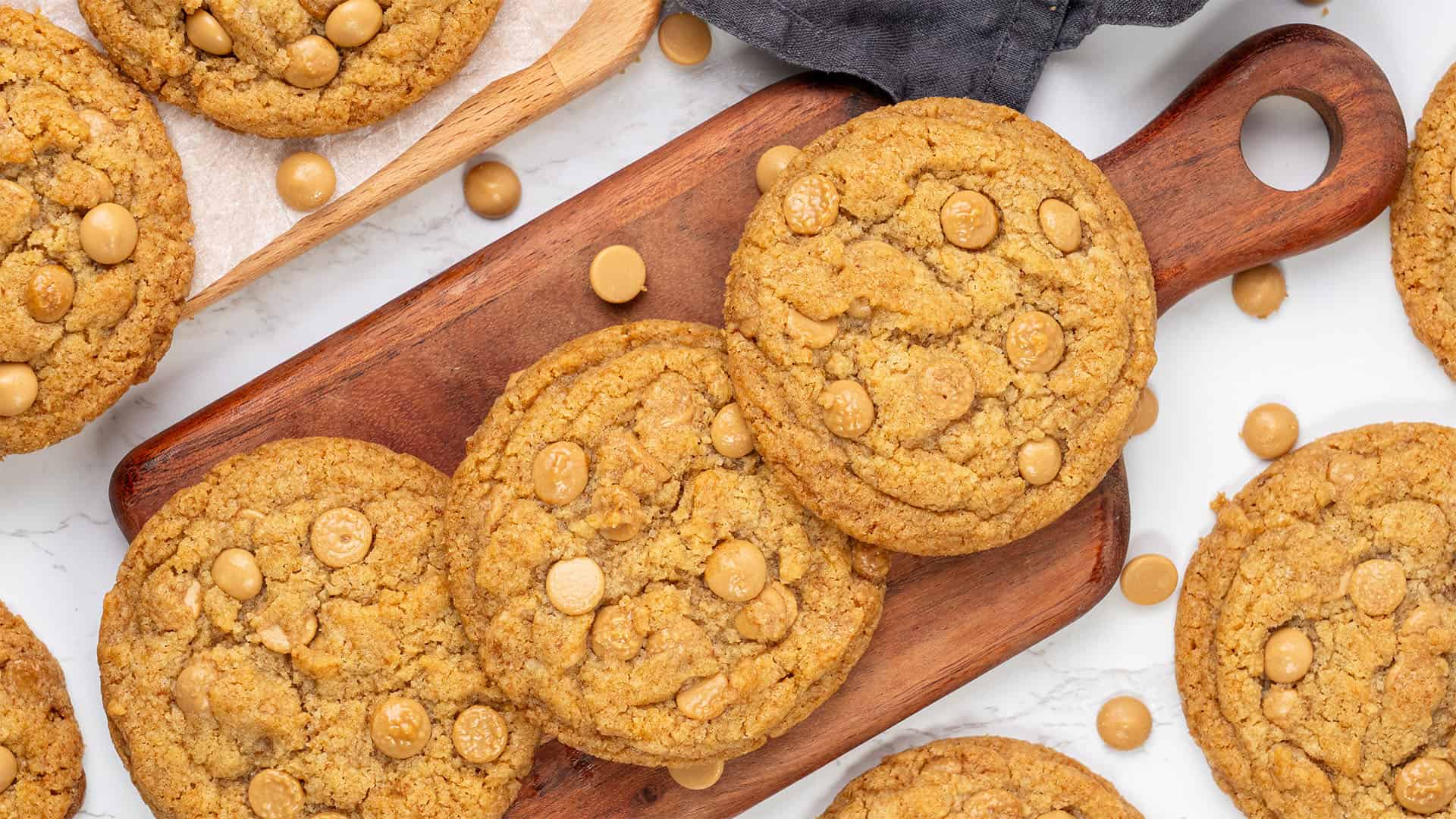
Katalin's foolproof way to make brown butter
Brown butter is the foundation of the deep, rich flavor in these cookies, and getting it right makes all the difference. It adds depth, nuttiness, and a caramel-like complexity that regular melted butter simply cannot match.
I always start by melting the butter over medium heat and letting it gently foam as the milk solids sink to the bottom. As soon as those solids turn golden brown and release a toasty, nutty aroma, the brown butter is ready. The key is to remove it from the heat just before it darkens too far, since brown butter can go from perfect to burnt very quickly.
Letting the brown butter cool to room temperature is just as important. If it’s too hot, you won't be able to mix it with the sugars properly.
This simple step elevates the entire recipe. Brown butter brings a richness that enhances the butterscotch chips and gives every bite a warm, buttery intensity that truly sets these cookies apart.
The cookie dough comes together in 10 minutes
Start by lining two trays with parchment paper.
Start by preparing the brown butter. Melt the butter in a saucepan over medium heat and let it cook until it foams and the milk solids turn golden. Stir often so it cooks evenly. Once it smells nutty and looks lightly browned, take it off the heat and let it cool to room temperature.
In a large bowl, cream the room temperature brown butter with the brown sugar and granulated sugar using an electric hand mixer. Mix until the texture looks light and well blended; it will take a few minutes. Add the room-temperature egg and continue mixing until smooth.
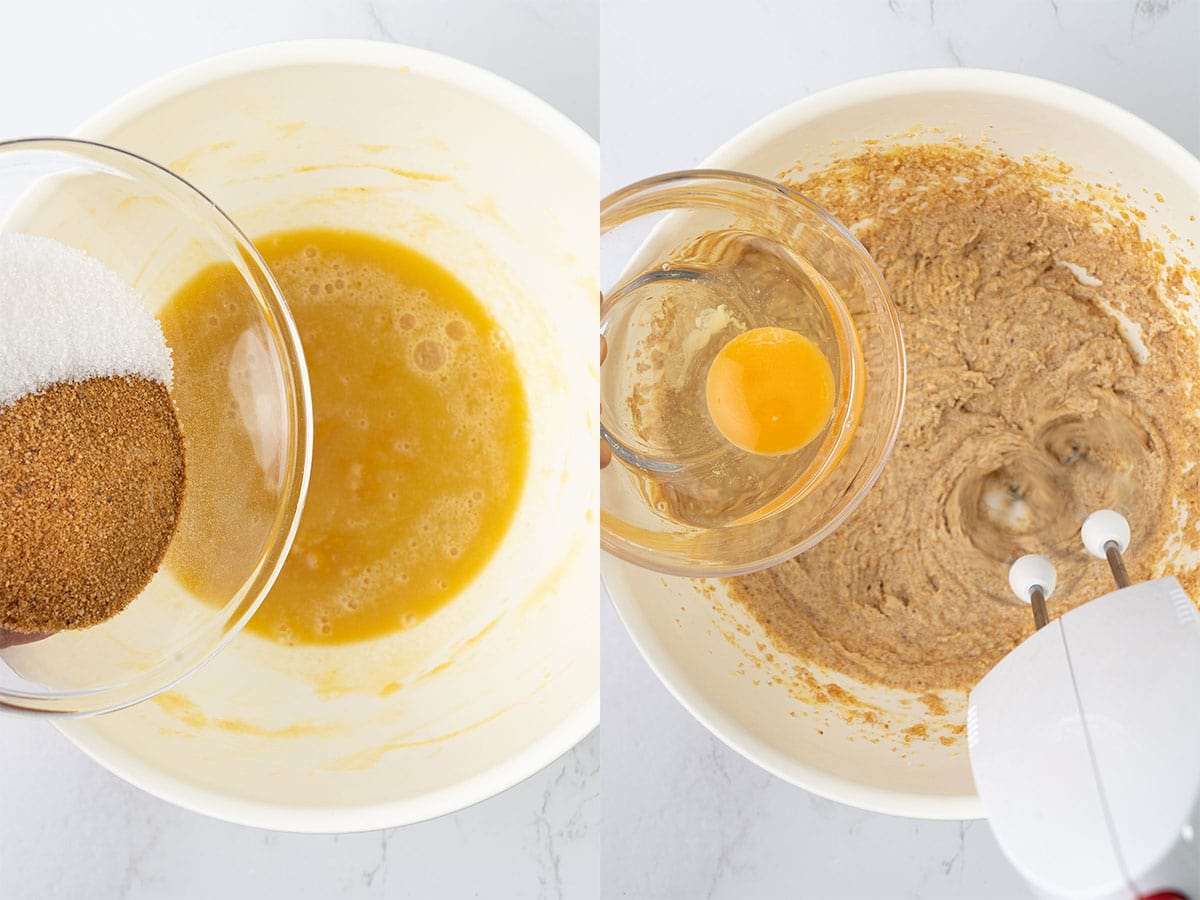
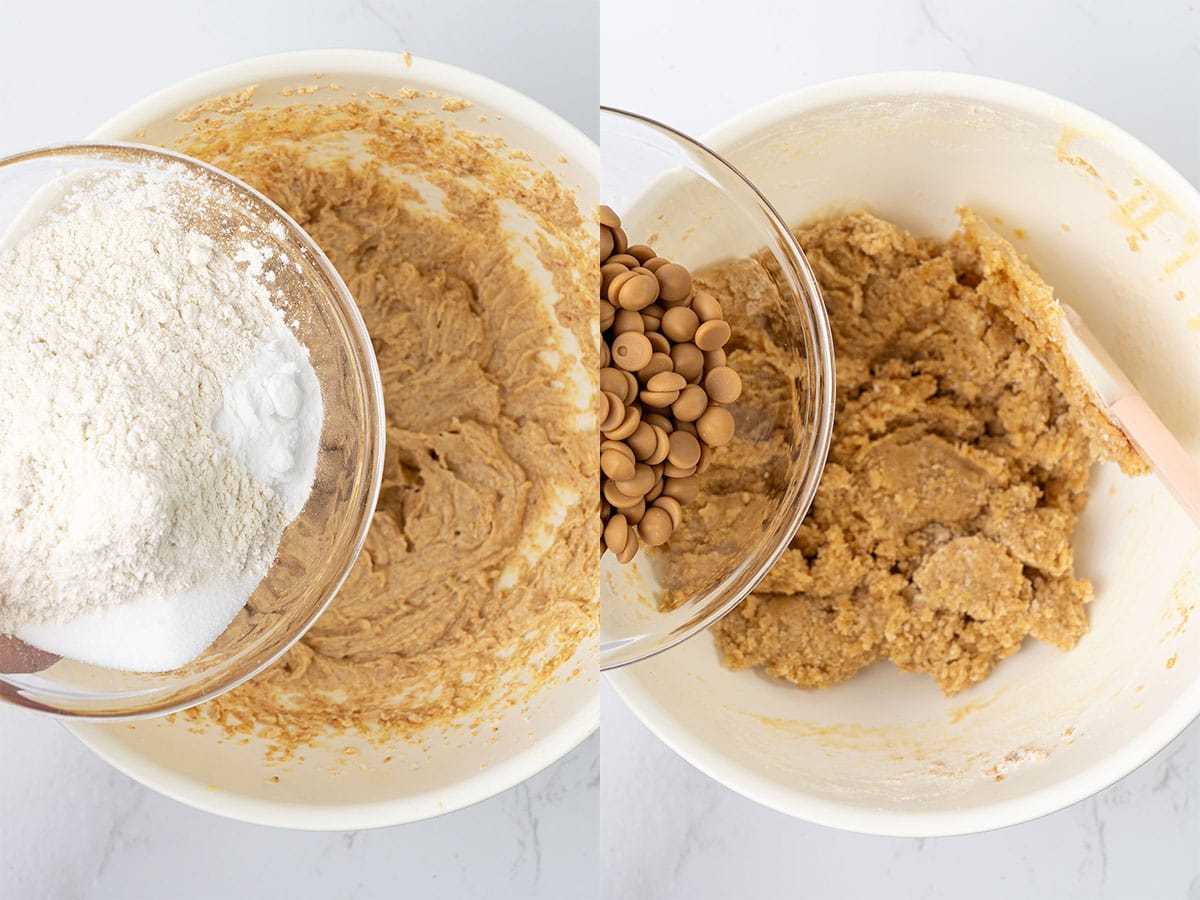
In a separate bowl, whisk together the flour, salt, and baking soda. Fold the dry ingredients into the butter mixture using a rubber spatula. Mix just until the dough comes together.
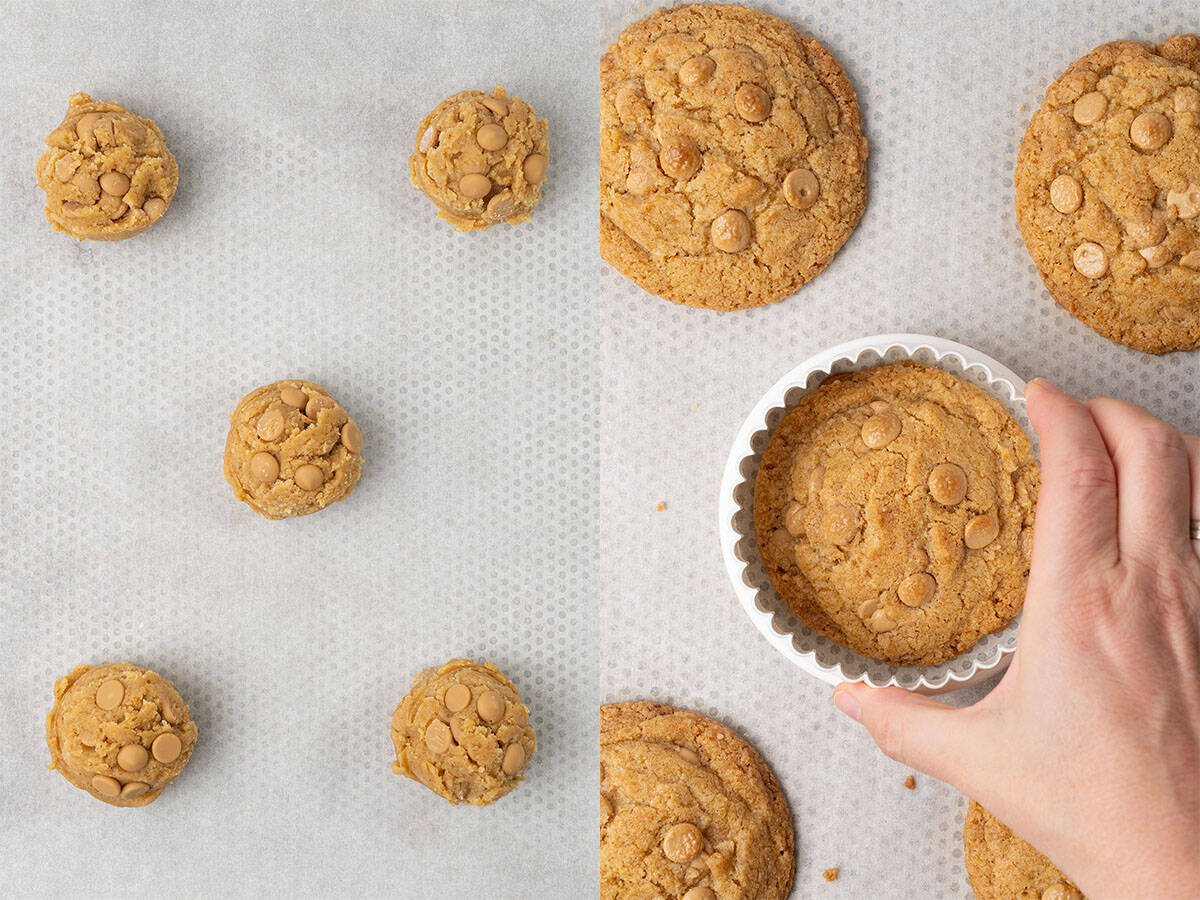
Fold in most of the butterscotch chips, reserving a small handful for topping. Portion the dough into 10 to 12 even balls and place them on the two trays - 5-6 per tray - leaving room for spreading.
Chill the dough, and then bake
Chill the dough balls in the refrigerator for 1 hour. This step helps prevent cookies from spreading too much and helps the flavors develop. When the dough is almost ready, preheat the oven to 350°F (175°C), no fan.
Press a few extra butterscotch chips on top of each dough ball before baking. Bake the cookies for 10 minutes, then add the remaining chips on top and continue baking for about 5 more minutes. The edges should look set while the centers stay soft.
If the cookies spread more than you’d like, you can gently reshape them while warm using a round cookie cutter - apply circular motion around the cookies. Let them rest on the tray for a few minutes, then transfer them to a cooling rack to finish cooling.
Store & Freeze Like a Pro
Once the butterscotch cookies have fully cooled, store them in an airtight container at room temperature for up to 4–5 days. Keep them in a cool, dry place to maintain their soft centers and crisp edges.
You can also freeze the cookie dough for up to 2 months. Shape the dough into balls, freeze until firm, then transfer to a freezer-safe bag. Bake straight from frozen, adding 1–2 extra minutes.
Baked cookies freeze well too - cool them completely, layer with parchment, and freeze for up to 2 months. Thaw at room temperature before serving.
You can learn more about it in my article on freezing cookie dough and baking from frozen.
Try Some Flavor Variations
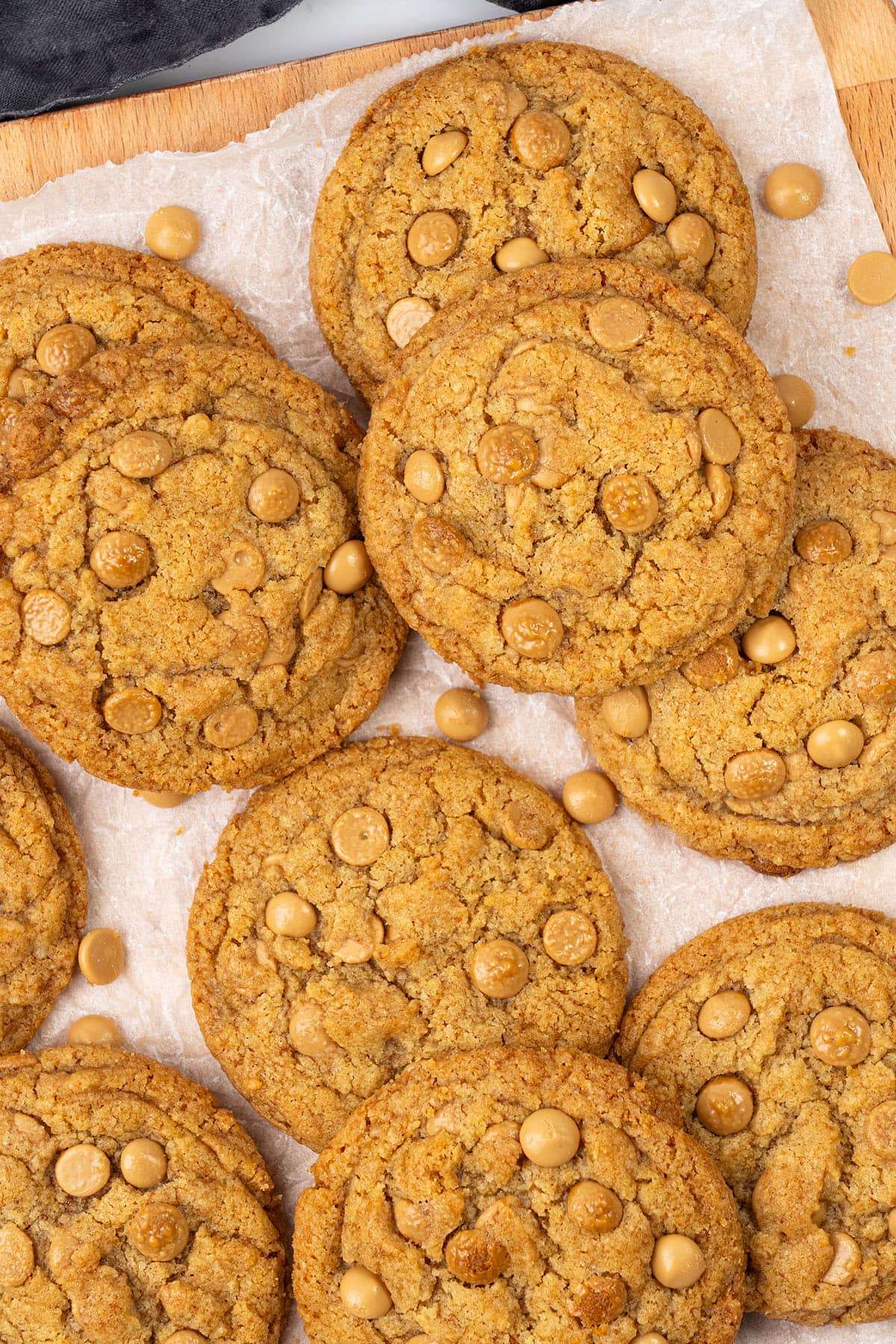
You can adapt these Butterscotch Cookies in several simple ways without changing the base dough. Try adding a touch of cinnamon or nutmeg to the dry ingredients for a warm, bakery-style flavor that complements the butterscotch beautifully. A small spoonful of espresso powder also works well.
Because the recipe uses brown butter, the cookies already have a rich, nutty foundation, but you can take that further by stirring in chopped pecans, toasted hazelnuts, or shredded coconut. Each adds texture and highlights the butterscotch’s sweetness without overpowering it.
If you’d like to introduce a contrasting flavor, swap a handful of butterscotch chips for dark chocolate or white chocolate chunks. You can also finish the freshly baked cookies with a sprinkle of flaky sea salt, which sharpens the brown butter’s aroma and balances the sweetness, similar to the effect in my brown butter chocolate chip cookies.
How to substitute the ingredients
If you’re out of butter, you can explore alternatives in my butter substitute guide, but keep in mind that they may not brown the same way.
Light or dark brown sugar both work well here. Light brown sugar gives a milder caramel flavor, while dark brown sugar creates a deeper, richer cookie. If you’ve run out, you can make your own by mixing white sugar with honey. For other options, check out my brown sugar substitute guide.
All-purpose flour is best for these cookies, but you can use a good-quality gluten-free flour blend if needed. The cookies may spread a bit more, so be sure to chill the dough well.
For the butterscotch chips, caramelized white chocolate chips are actually the best flavor-wise. You can also use white chocolate chips, chopped caramelized chocolate, or even milk chocolate chips if that’s what you have. Butterscotch baking chips vary widely in quality, so using caramelized white chocolate gives a similar sweetness with a better overall flavor.
Expert Tips For Making Butterscotch Cookies
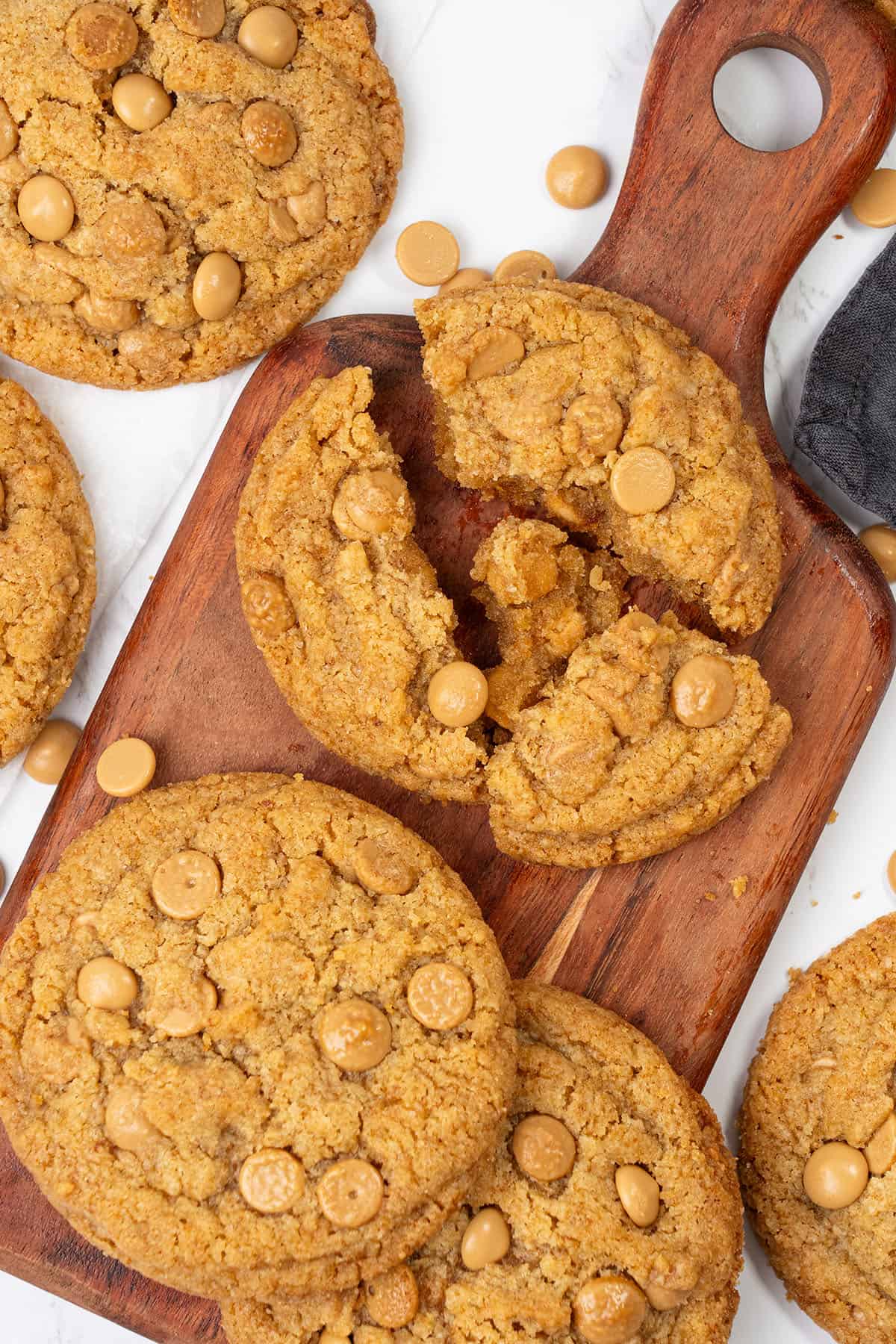
- Use a light-colored saucepan when browning the butter. It makes it easier to see the color change and prevents the milk solids from darkening too far before you can pull the pan off the heat.
- Rotate your cookie sheet halfway through baking if your oven has hot and cool zones. This keeps the edges from overbrowning and ensures the cookies bake evenly.
- Let the cookies finish setting on the sheet pan for a few minutes before moving them.
- Add a small pinch of flaky sea salt right after baking. The heat helps the salt cling to the surface and sharpens the brown butter flavor without making the cookies salty.
- Avoid overbaking the cookies. You should take them out when they don't look baked yet to get fudgy results. Overbaked cookies dry out very quickly.
What Equipment To Use
Always weigh your ingredients using a digital scale for accuracy. Precision matters, especially when measuring flour.
Use an electric hand mixer to cream the brown butter and sugar until fluffy. This helps build structure and keeps the cookies tender.
Switch to a rubber spatula to gently fold in the dry ingredients and butterscotch chips without overmixing the dough.
Use a digital oven thermometer to confirm your oven is at the correct temperature so the cookies bake evenly without spreading too much.
Transfer baked cookies to a cooling rack to help them set without becoming soggy on the bottom.
Try Some Of My Other Cookie Recipes
If you love cookies as much as I do, try some of my other recipes:
- Tiramisu cookies
- Apple pie cookies
- Raspberry cheesecake cookies
- Lemon ricotta cookies
- Greek yogurt cookies
And for even more creative and delicious cookies, check out my roundup of 60+ Different Types of Cookies.
Have You Tried This Recipe?
Please leave a 5-star ⭐️⭐️⭐️⭐️⭐️ rating on the recipe card and consider leaving a comment as well!
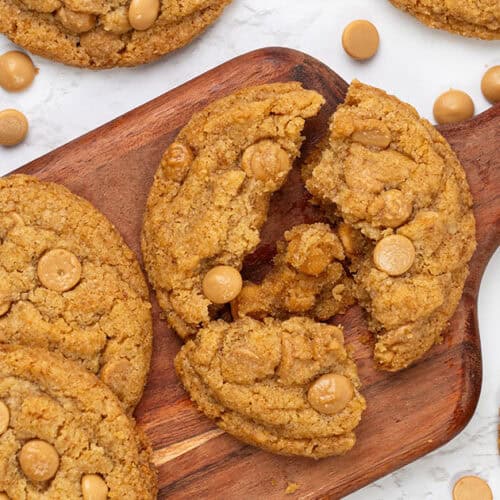
Butterscotch Cookies
Ingredients
- 170 g (¾ cups) Unsalted butter to make 140g brown butter
- 75 (⅓ cups) Brown sugar
- 75 g (⅓ cups) Granulated sugar
- 1 Egg at room temperature
- 185 g (1½ cups) All purpose flour
- 1 Teaspoon Salt
- 1 Teaspoon Baking soda
- 170 g (1 cups) Butterscotch chips
US customary cup measurement is an indicative figure only. Measure the ingredients with a digital scale by weight (gram). Baking is art but also science which requires precision and accuracy.
Instructions
- Begin by making the brown butter. Place the butter in a saucepan over medium heat and let it melt. Continue cooking until it begins to foam. Watch closely and stir often. The butter is ready when the milk solids at the bottom turn golden brown and release a rich, nutty aroma. Remove from the heat right before it starts to burn, and let it cool to room temperature.
- Using an electric hand mixer, cream the room-temperature brown butter with both types of sugar for a few minutes, until the mixture becomes fluffy.
- Next, mix in the room-temperature egg and continue whipping for about a minute, until fully incorporated and smooth.
- Using a rubber spatula, gently fold the sifted dry ingredients (flour, salt, and baking soda) into the wet mixture. Mix only until the ingredients are just combined, being careful not to overmix.
- Fold in the butterscotch chips, reserving a small handful to add on top of the cookies just before baking, and then again, halfway through baking.
- Line two baking sheets with parchment paper. Divide the dough into 10–12 equal portions using a digital scale or an ice cream scoop. Arrange the dough balls on the prepared sheets, leaving enough space between them for spreading. For the best results, bake no more than 5–6 cookies at a time.
- Chill the cookie dough in the refrigerator for one hour. Near the end of the chilling time, preheat the oven to 350°F (175°C), no fan.
- Press a few more butterscotch chips onto the surface of the dough just before baking, then bake at 350°F (175°C) for a total of 15 minutes: bake for 10 minutes first, add the remaining butterscotch chips on top, then continue baking for another 5 minutes.
- If the cookies have spread slightly during baking, use a round cookie cutter to gently swirl around each cookie immediately after removing them from the oven to help shape the edges neatly.
- Let the cookies rest for a few minutes, then carefully remove them from the parchment and let them cool.
- Storage: Once completely cooled, store the cookies in an airtight container at room temperature for up to 4–5 days. Keep them in a cool, dry place away from direct sunlight to maintain their texture and flavor.Freezing: To freeze unbaked cookie dough, shape it into balls and place them on a parchment-lined tray. Freeze until solid, then transfer to a freezer-safe bag or container for up to 2 months. Bake directly from frozen, adding 1–2 extra minutes to the baking time. For baked cookies, allow them to cool completely before freezing. Place parchment paper between layers to prevent sticking, and store in a freezer-safe container for up to 2 months. Thaw at room temperature before serving.
Notes
- Measure your ingredients with a Digital scale for accuracy.
- Do not skip the brown butter step, as it gives the cookies their deep, rich flavor. Use high-quality 82% European-style butter for the best results when making brown butter.
- Make sure to read the Expert Tips section above to ensure the best results. A short recipe alone cannot cover all the essential details and baking science involved.
- When making brown butter, cook it over medium heat and keep a close eye on it to prevent burning. Use the brown butter before it solidifies, but not hot straight from the saucepan.
- Do not skip the chilling time, as it helps prevent the cookies from spreading too much and becoming flat. If you’re short on time, you can chill the dough in the freezer for about 20 minutes instead.
- Avoid overbaking if you prefer soft, fudgy, and gooey cookies.
Leave a Reply