
While your first instinct may be to put these 16 foods right into the fridge, you will ruin them if you do. These foods should not be refrigerated. Some may spoil faster, while others may not taste quite the same when cold. You may be surprised by which foods should be in your pantry rather than in the fridge. We definitely were!
Chocolate

Have you ever wondered why some of your chocolate develops a white layering even though it’s not expired? Believe it or not, this only happens when you store chocolate in the fridge or at a ridiculously low temperature.
The white coat develops after fat and sugar crystals in the chocolate separate. It’s called a chocolate bloom. Although chocolate bloom doesn’t ruin the chocolate it doesn't look pretty. You can prevent it by storing chocolate at room temperature.
Melons
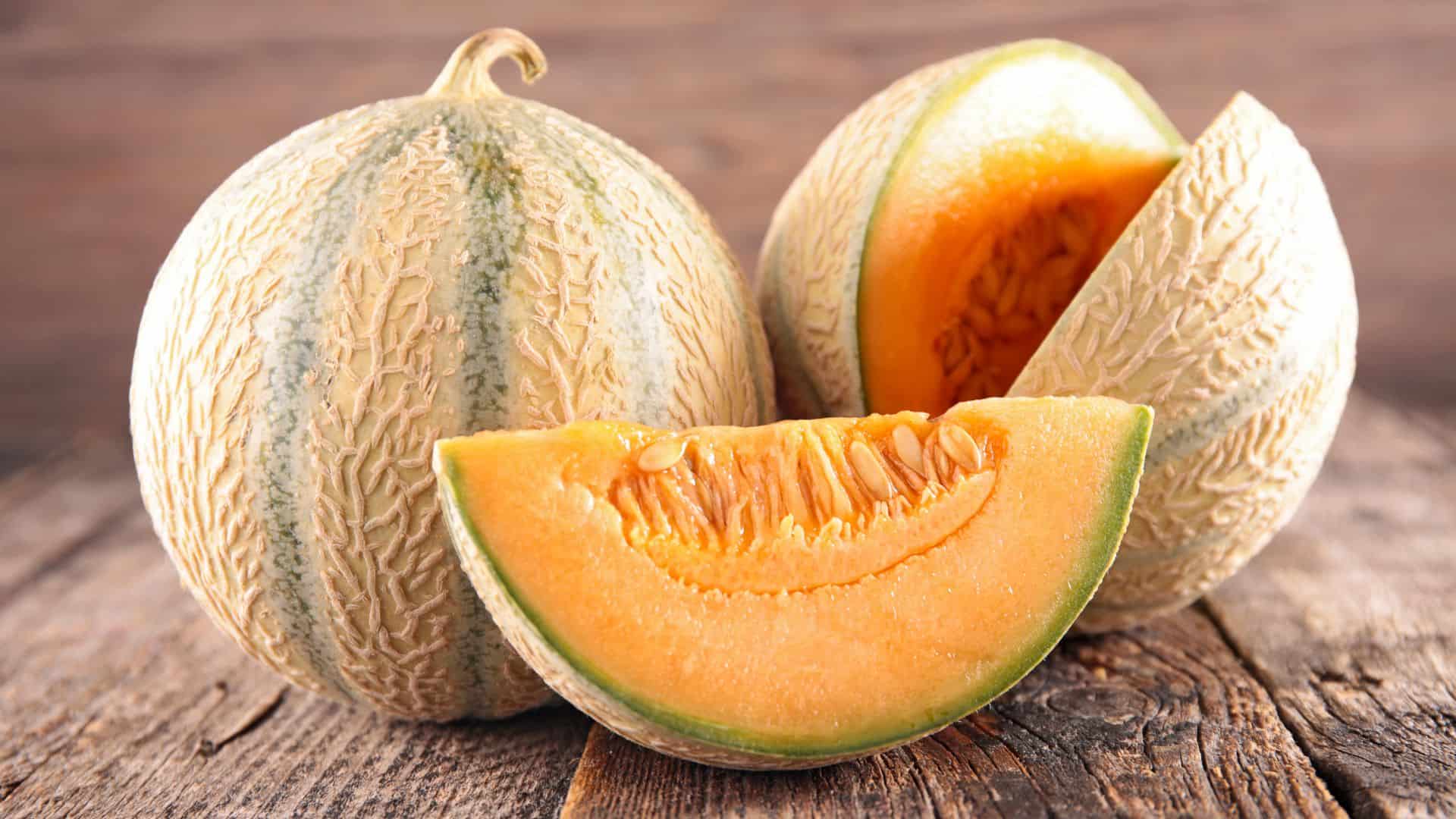
Many make the mistake of placing a melon into the fridge. Most of us believe storing the melons in the refrigerator preserves their quality and increases longevity, but this isn’t true.
Melons should only be stored in the fridge once they’re cut. Uncut melons age more because of the moisture in the refrigerator, so we’re directly reducing their longevity. Their sweet scent also spreads across the fridge and affects the quality of other food.
Coffee

Don’t confuse your fridge with a cool, dark place. While it quickly cools down food, a refrigerator has a lot of moisture that can be absorbed by foods stored inside. Coffee absorbs this fridge's moisture like a sponge.
This is why coffee stored in the fridge often turns into clumps, even before its expiration date. Absorbing the moisture also affects its taste and quality, so any drinks or foods made from refrigerated coffee taste terrible.
Honey

Honey is one of the few foods that doesn’t spoil and remains safe for consumption even years after it's made. It is also one of the few foods that ironically shouldn't go in the fridge.
The cold environment of a fridge can break down the compounds in honey, separating the sugar from the sweetened food. This creates a hard, lumpy honey that tastes bad and looks worse.
Peanut Butter

Many spreads need to be refrigerated, but peanut butter is one of the only ones that can survive without a cold environment. You can enhance the longevity of peanut butter by storing it in the pantry or a dark cupboard.
Storing peanut butter inside the fridge only hardens the butter. This can make it incredibly difficult to spread the peanut butter on bread and may require frequent trips to the microwave to thaw.
Garlic
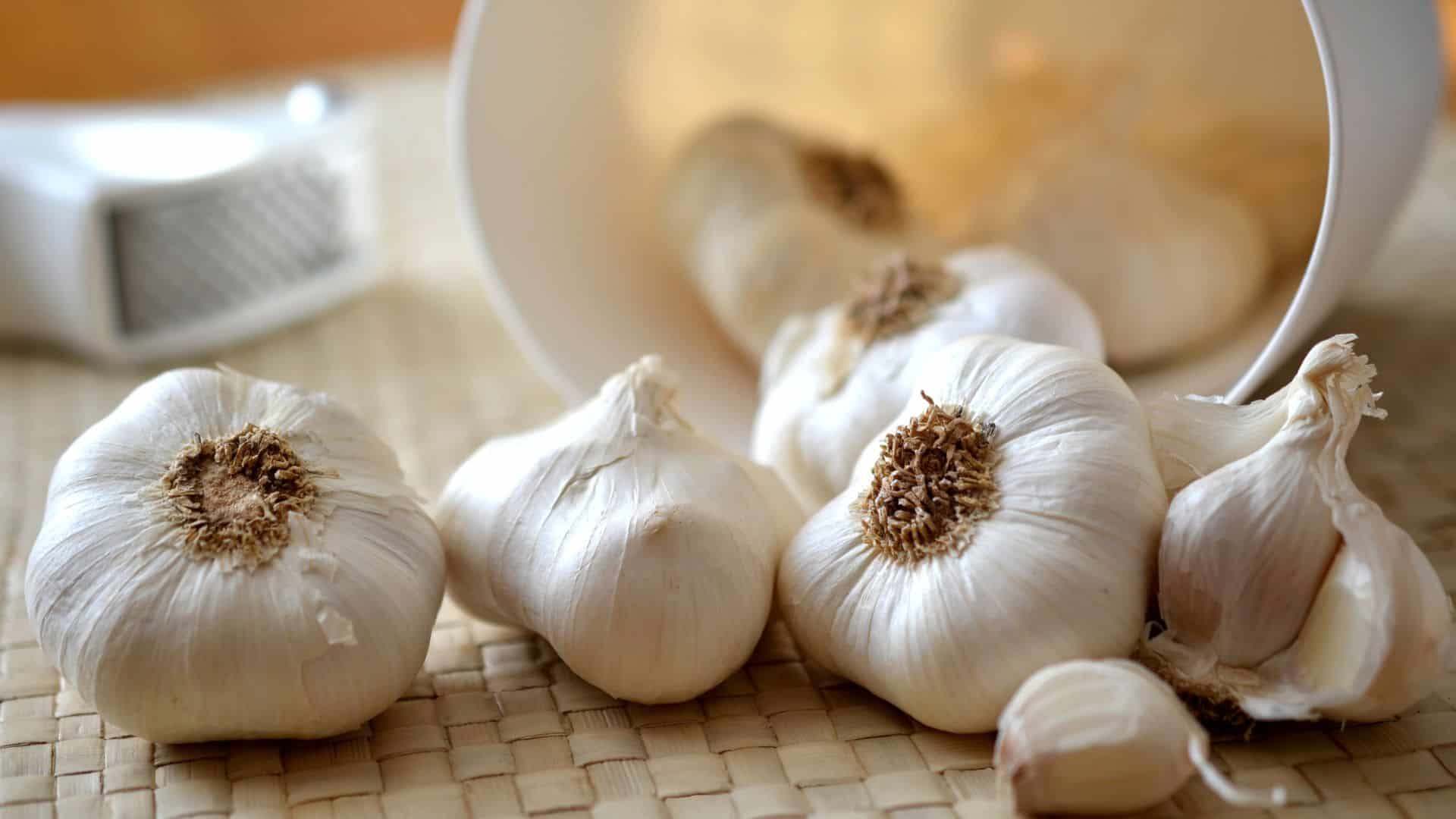
Most vegetables require a dry environment, so storing them in a cool, humid place like a refrigerator can significantly impact their quality. Garlic bulbs quickly absorb moisture from the fridge and use it to sprout.
Sprouted garlic is challenging to use in recipes and requires additional preparation. It also loses its taste quality and may feel soggy or unpleasant. This can further impact the quality of your food.
Bananas
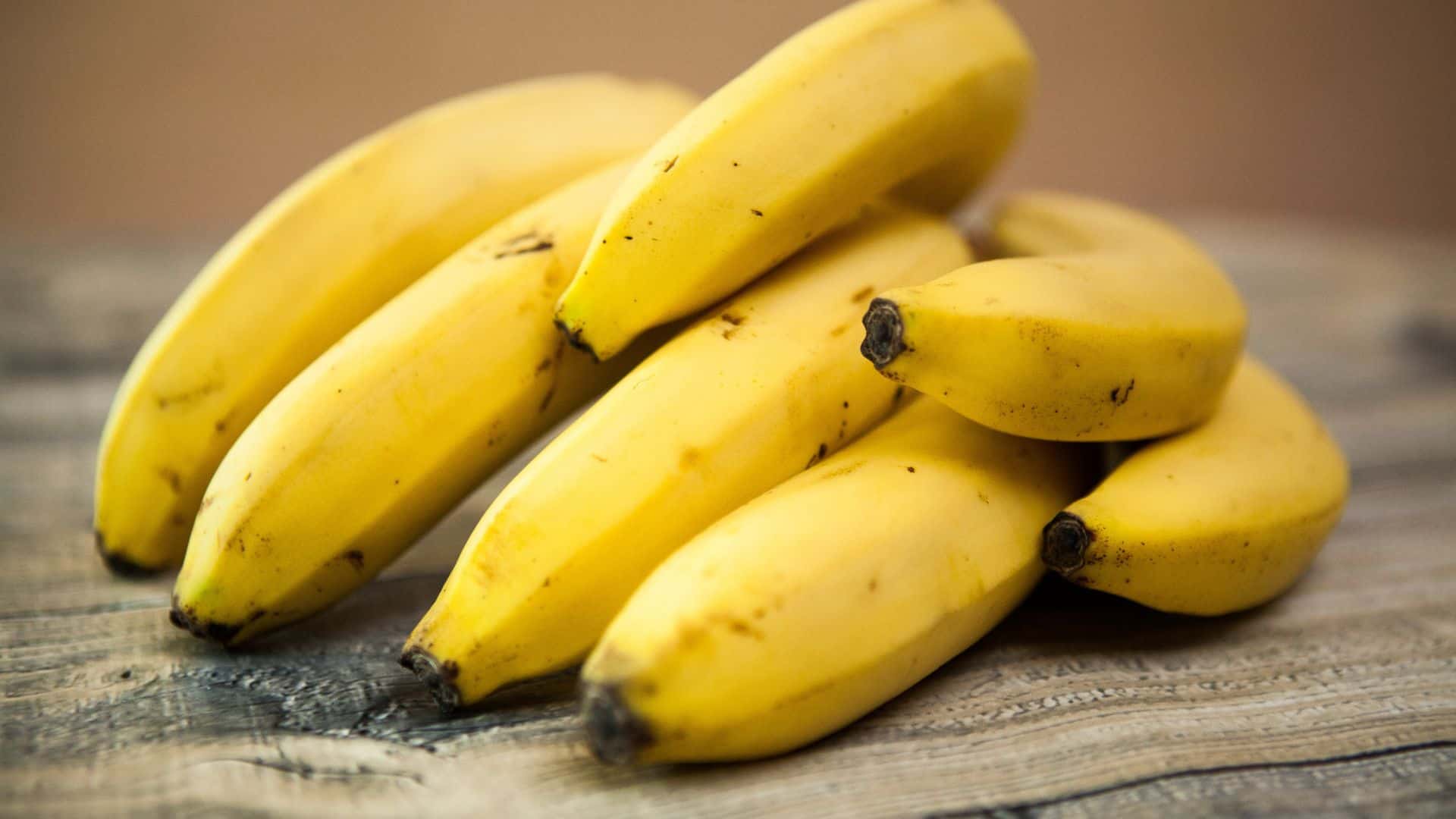
Farmers pick bananas when they’re close to ripening, so they don’t age dramatically once customers buy them. We naively believe these firm bananas will last longer in the fridge, but that’s not true.
The cool and moist environment of the fridge accelerates the ripening process, causing bananas to turn brown very quickly. You should only refrigerate bananas if you have cut them or they have begun to ripen.
Tomatoes

We refrigerate countless vegetables because the cool storage enhances their shelf life. However, tomatoes are one of the few foods that may quickly lose flavor and quality if placed in the fridge.
Tomatoes stored in the fridge taste duller and softer than those held outside. This is because the refrigerator's moist environment can seep through the skin, rendering almost every cold tomato mushy.
Hot Sauce

You’d think sauces like soy and hot sauce would be safe to refrigerate. Unfortunately, these sauces last longer when stored in a cool, dark, and dry place, rather than in the refrigerator.
Hot sauce and other sauces contain preservatives to retain their taste and quality. Most of these sauces don’t need to be refrigerated because they are super acidic, which will preserve their flavors naturally.
Olive Oil
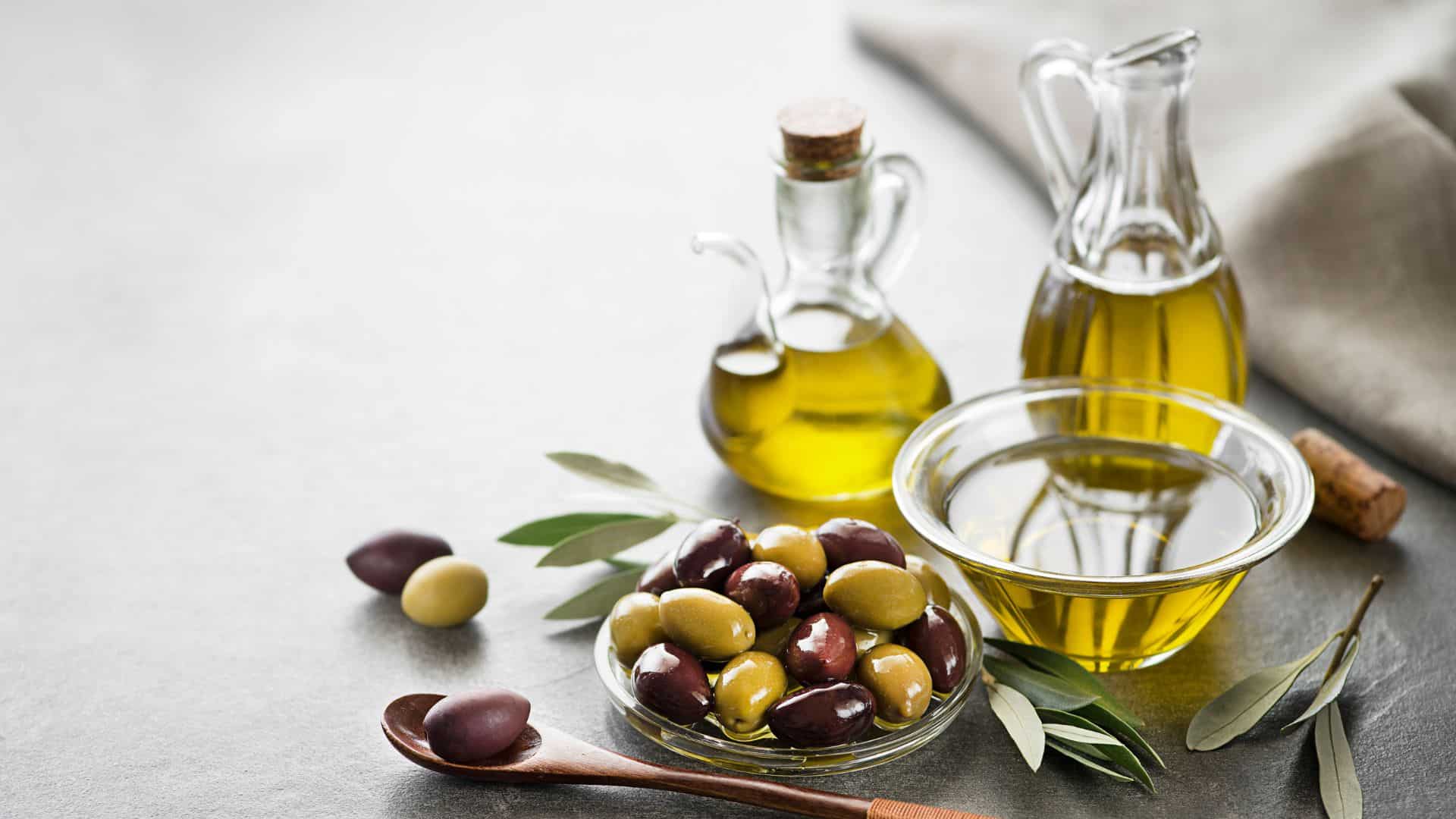
You might be surprised to see this on the list because only a few make the mistake of storing oil, let alone olive oil, in the fridge. Yet a surprising number of people refrigerate olive oil to keep it fresh.
When refrigerated, olive oil can cloud and separate so it loses quality and taste. This clouded suspension drastically affects the flavor of other foods, so it’s best to place it on the counter.
Onions

Onions are the worst food to put inside a fridge. They absorb the fridge's moisture, softening them and eventually turning them into a mushy mess. But that’s not the only reason you shouldn’t refrigerate an onion.
Onions have a distinct pungent odor that quickly disperses in open air. Storing it in an enclosed space like a refrigerator prevents the smell from getting out, so your entire fridge smells like onions.
Basil
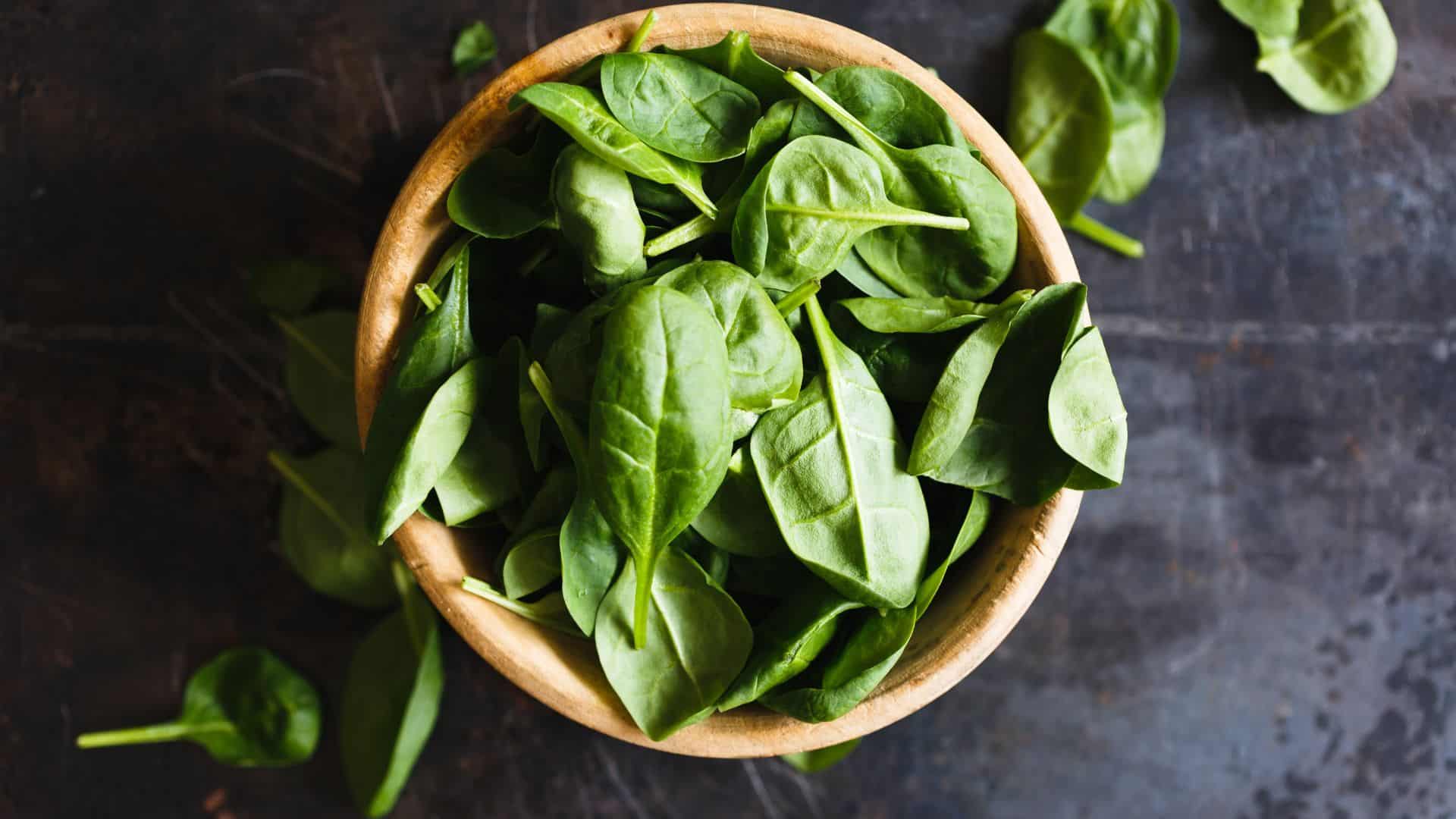
Basil is a challenging herb to preserve because it requires a specific level of moisture to remain fresh. Storing it in a dry place dehydrates the herb and reduces its longevity, but it doesn’t stay fresh in the fridge either.
Refrigerated basil wilts from the moisture and turns black. This black basil can’t be used, so it’s often wasted. The only way to preserve basil is by storing it in a cup of water at room temperature.
Avocado
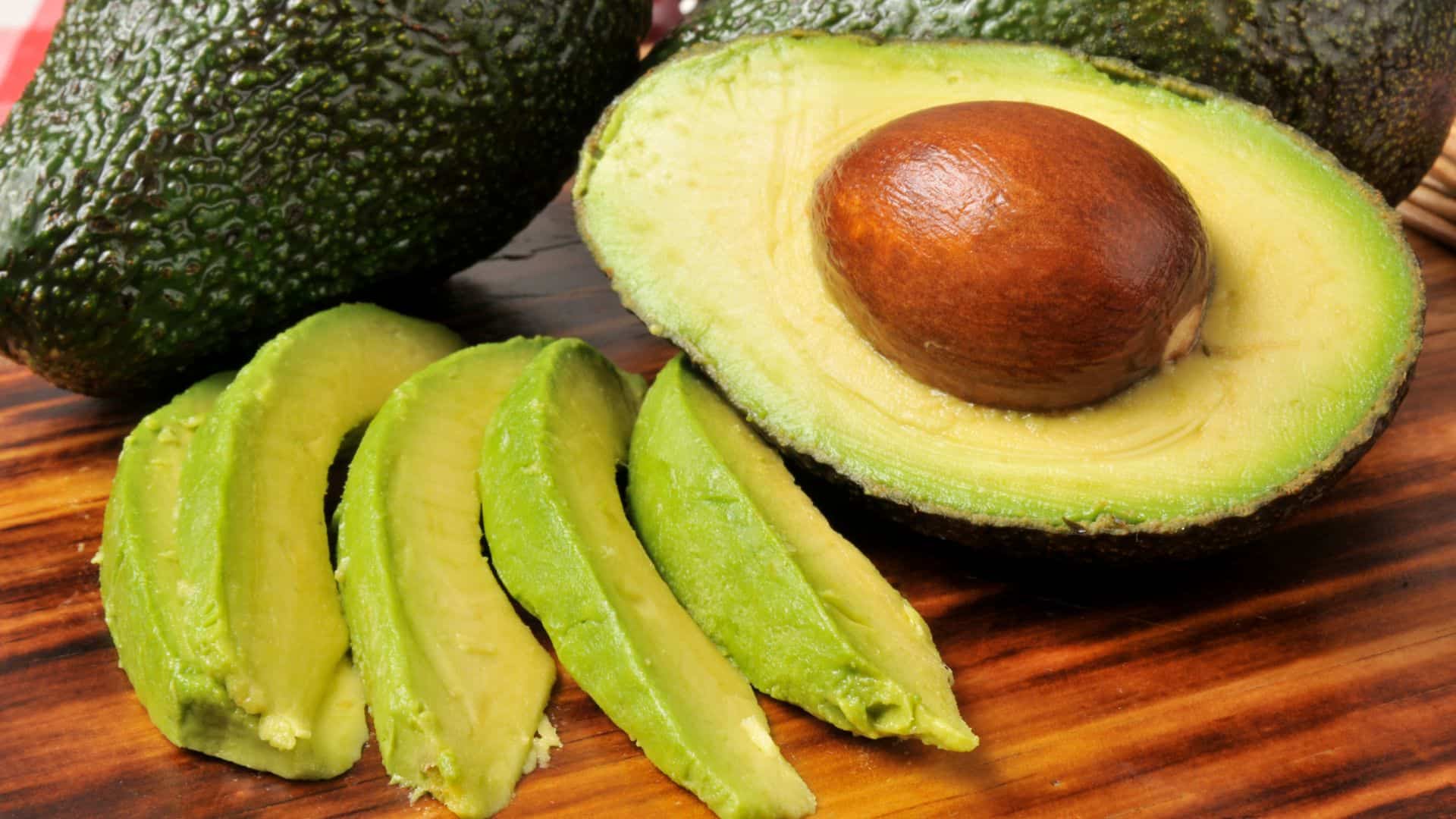
Cut avocados will quickly turn brown if you store them in the fridge, making it an unsuitable place for this tropical fruit. It's best to keep your avocados at room temperature and consume them entirely once ripe. This approach is simply the best way to enjoy them!
Squash
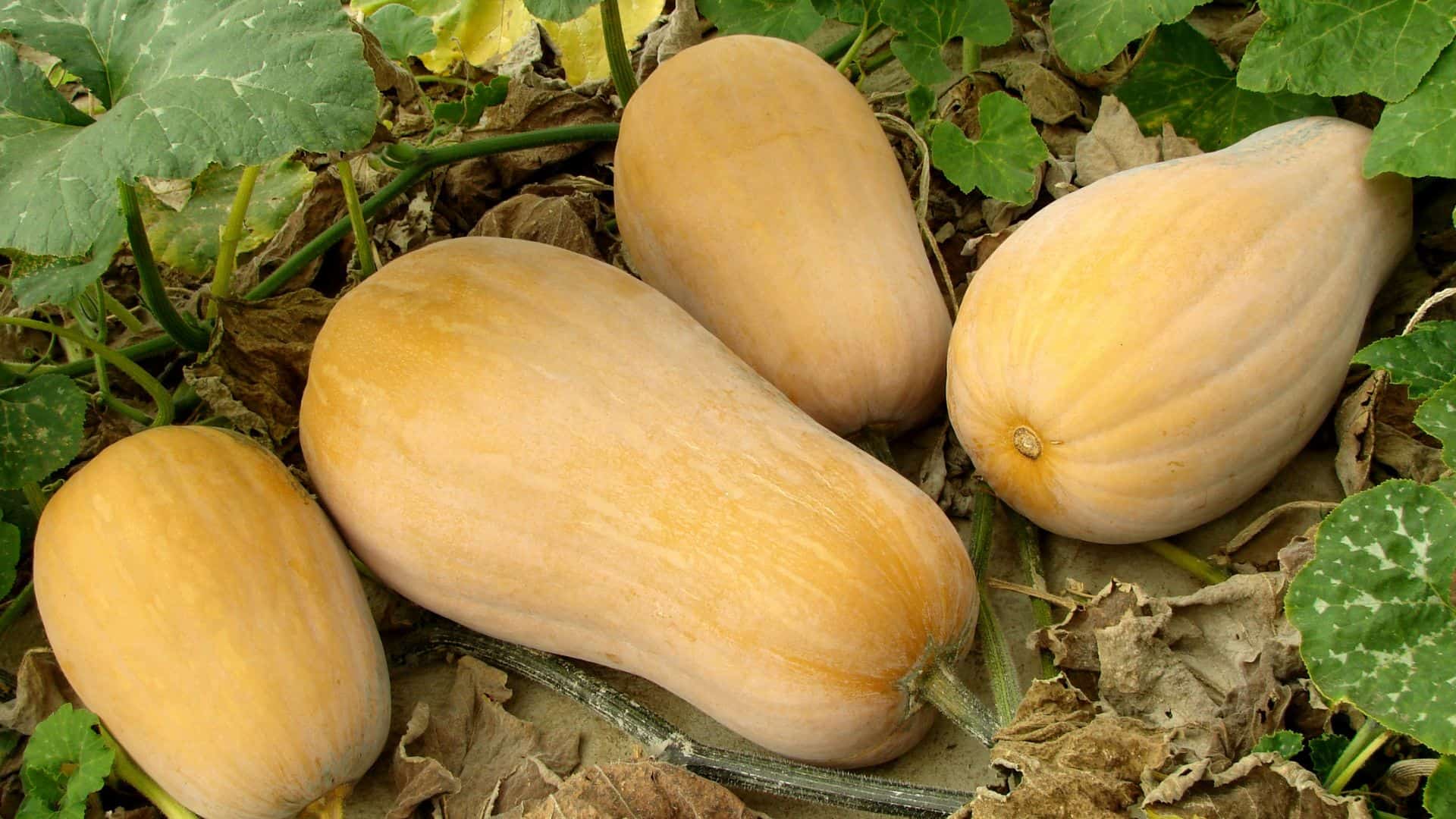
Squash will keep for months and months at room temperature. There is no need to put that huge squash in your fridge. It will occupy space and consume precious cooling energy that isn't necessary. Keeping squash in a cool, dark pantry is fine.
Berries

Fresh berries have the best flavor when at room temperature. When cold, fresh berries tend to have a more bland flavor that is not nearly as sweet. So, if you plan to eat your berries within a day or two, do not put them in the fridge. Not only will they taste better, but you'll also remember having them!
Fridge foods tend to get forgotten, and forgotten berries spoil quickly. Keep those fresh berries right on the counter where you can see them!
Leave a Reply