
If you dream of baking like a professional, you’re closer than you think. Professional pastry bakers rely on a few simple techniques and best practices that make a big difference in the kitchen, and you can easily start using them too. This article shares expert-approved tips to help you bake better, smarter, and more confidently. The best news is that no complicated tricks are required. With just a few adjustments, you’ll be turning out bakery-worthy cakes, cookies, and pastries in no time.
Research the recipes
A good recipe is crucial for successful baking because it provides the foundation for your baked goods to turn out as expected. When you're looking for a recipe, it's important not to pick the first one you find online. While searching, take the time to select a recipe from a reputable website or source. Websites that specialize in baking and have experienced bakers behind them (e.g., Spatula Desserts) are more likely to offer tested and reliable recipes.
Choosing a recipe with a high rating is an excellent indicator of its quality. You can also read the comments or tips from other bakers who have made the recipe, as they may share helpful adjustments or advice.
Read the whole recipe
Before you start baking, take a few minutes to read through the entire recipe carefully. Skimming the ingredients or glancing at the baking time isn't enough; you need to understand every step before you start. This way, you'll avoid surprises like missing ingredients, needing a special pan, or realizing too late that the dessert requires hours of chilling. Knowing exactly what to expect helps you plan more effectively and makes the entire process much smoother. A little preparation up front can make all the difference between a stressful bake and a successful one.

Buy the good ingredients
Using high-quality ingredients can completely transform your desserts. While cheaper options might save you a little money, they often lack the flavor, texture, and consistency that good baking relies on. For example, premium flour is light, soft, and finely ground, while lower-quality flour tends to be heavier and coarser. Good quality 36% heavy cream is incomparable to Cool Whip. European-style butter, with an 82% fat content, is the heart of making most cakes and pastries. A small upgrade in ingredients can lead to a big difference in your final results.
Keep your butter out
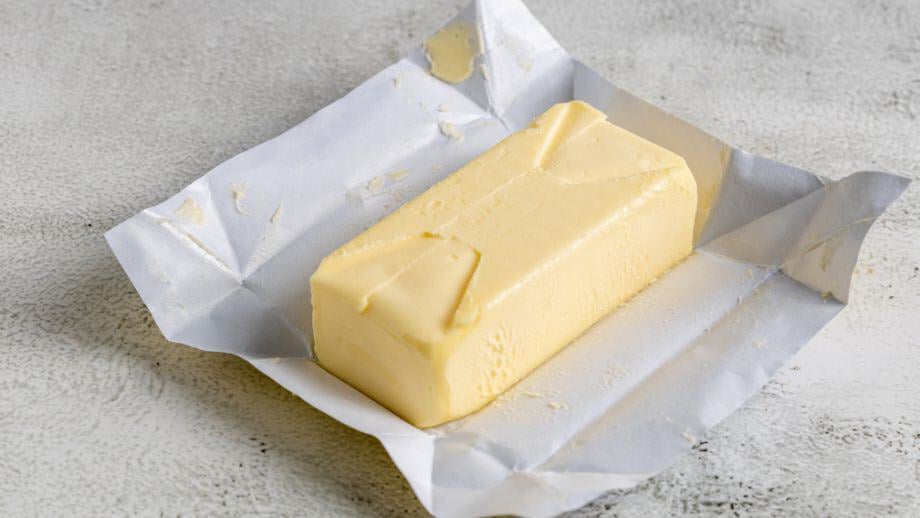
Almost all baking recipes that use butter ask for “softened butter”. Rather than microwaving cold butter (which often makes it melt), simply keep 1–2 sticks of butter on your counter when you know you'll want to bake. Room-temperature butter is the perfect texture for baking. It will be soft and ready to blend perfectly! This is a pro tip that will transform your baked goods!
Pro tip: Learn how to soften butter quickly
Sift the dry ingredients
Many recipes ask you to sift the dry ingredients together, but many of us are guilty of skipping this step. Why dirty another bowl when you don’t have to?! But sifting really is essential. Flour, baking powder, cocoa powder, and most other dry ingredients tend to clump. You don’t want small balls of baking soda in your cake or chunks of cocoa powder in your tiramisu!
Sifting helps fluff the dry ingredients and break up any pieces that would otherwise ruin your desserts. Sifting takes about 20 seconds, so take your time! You will notice the difference.
Preheat your oven
We cannot stress this enough! You need to give your oven plenty of time to heat up. The average oven takes about 15 minutes to reach the correct temperature. Trying to bake in an oven that is not preheated will lead to disaster. Professional chefs always turn the oven on as soon as they enter the kitchen. You need to do this, too! Unless you own a professional oven, it is also highly recommended to use an oven thermometer, as most home ovens either underbake or overbake.

Add a crumb coat
When making a layer cake, you absolutely must add a crumb coat of frosting. A crumb coat is a very thin layer of frosting applied to the outside of the cake after the layers are assembled.
Coating your layered cake with a bit of frosting will help hold the cake together and also trap any crumbs in the frosting. Chill the cake after adding the crumb coat so it sets nicely and is firm. Once the cake is cold, adding the final, pretty layer of frosting will be extremely easy. There will be no cake crumbs showing, and the cake will be firm, not moving around when you add the pretty icing.
Use a scale
Baking is a true science! You need to weigh your ingredients to truly measure them correctly. Using cups and teaspoons is fine, but it will never be as accurate as using a kitchen scale. The way one person scoops and measures a cup of flour will be different from how another person does the same. They can be ounces apart! Measuring your ingredients with a scale ensures accuracy and helps you achieve baking perfection.

Scrape the bowl
Pretty much every baking recipe out there instructs you to scrape the sides of the bowl after adding each ingredient. You need to do this! Ingredients tend to stick to the sides of the mixing bowl, and a paddle attachment or electric mixer might not blend everything evenly.
It is essential to stop and use a rubber spatula to scrape all the ingredients off the sides and incorporate them into the batter.
Don't rush!
Baking is an actual science. The way ingredients interact and turn into stunning desserts is all a matter of chemical reactions. If a recipe instructs you to "chill overnight" or "rest for an hour," follow the directions exactly. There is a reason behind the wait time, and you do not want to rush the recipe. Good desserts are worth the wait!
Leave a Reply