
Dinner plans can feel simple at first, but they have a way of getting more complicated once other people get involved. Expectations and a bit of social pressure can quietly shift the tone, turning an easy get-together into something that feels harder to navigate.

In a recent Reddit thread, it was asked, "Am I in the wrong for not wanting to cook for picky guests I didn’t even invite to dinner?" She went on to say that they're friends with a family whose wife is a picky eater by choice, and that the possibility of a potential future pizza night came up.
The poster states that she takes a lot of time making her pizza dough, and doesn't feel like she could make a second dinner on top of that for the picky mom to eat. It stresses her out when she thinks about it.
The son of the picky eater texted her a few days later to ask to come over to talk about college and try her pizza, and she said yes. He then asked if it was okay to bring the family, and she felt pressured, so she said yes to that as well.
Now she feels like his parents put him up to it, just so they could come over and try her pizza. She's torn. Should she be flattered, or is she justified in not wanting to cook pizza for his parents?
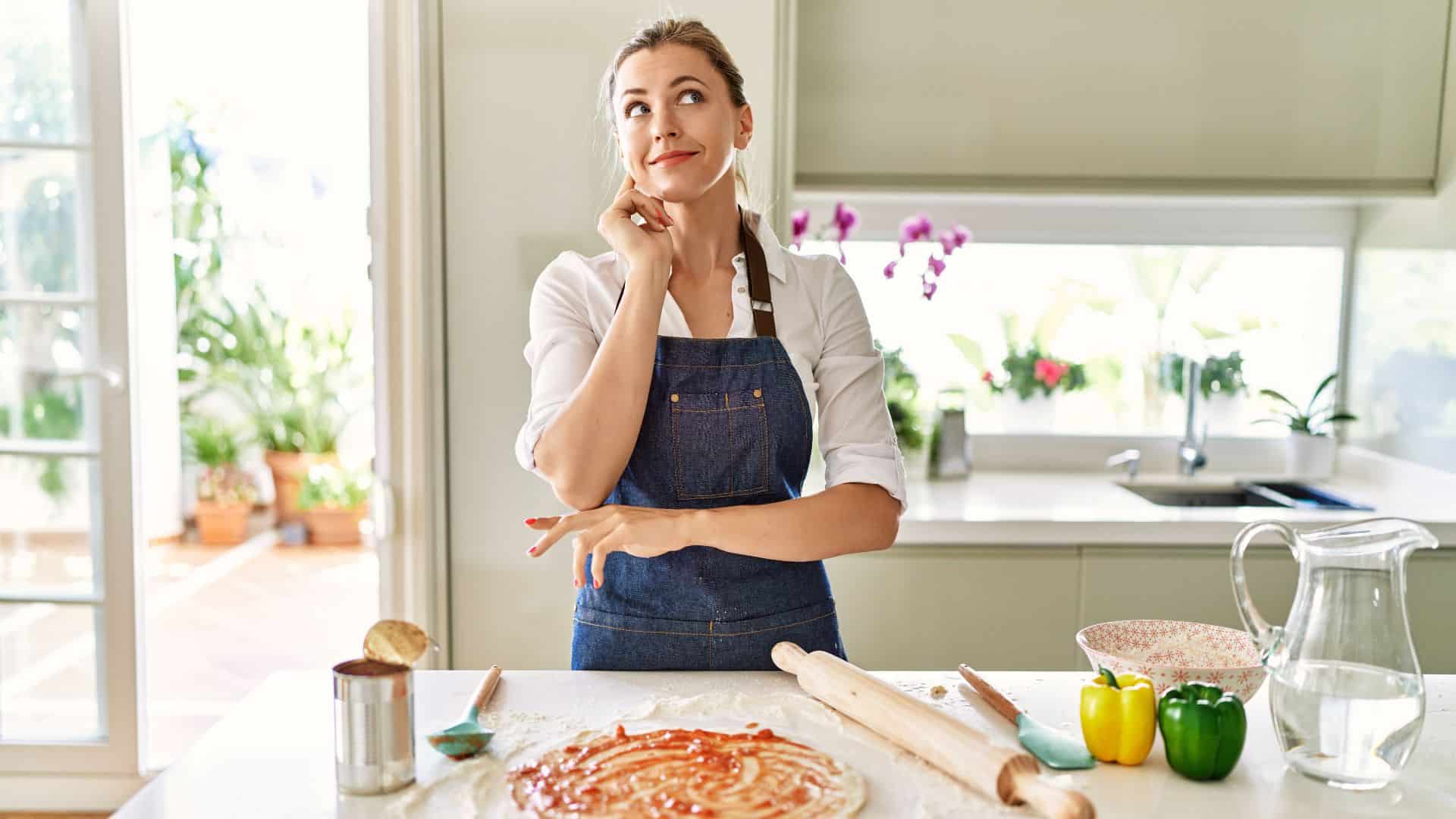
Hundreds of people jumped on the thread to give their advice and thoughts
One person said, "The wife should bring her own food."
That's true. If she's really that picky of an eater, then she should just get in the habit of bringing her own food to places instead of expecting people to pivot and make her something.
Someone else wrote, "Something about this is off. Why would the husband be so persistent knowing his wife hates pizza."
Good question. It's odd that they're trying so hard to get to her house and try her pizza, especially with how picky the wife is.
Another person wrote, "Learn to say no."
For some people, that's easier said than done. But she does have the right to say no or even cancel if she's not comfortable.

Hosting etiquette
Hosts are generally encouraged to be considerate, but not at the expense of turning a simple gathering into a stressful production. At the same time, guests with dietary restrictions or strong preferences are often expected to communicate clearly and, when needed, bring something they know they will enjoy.
The idea is to keep gatherings flexible without placing the entire burden on one person.
There’s also a broader shift happening in how people approach hosting. More casual get-togethers and “bring what you like” dinners have become more common, partly to avoid exactly this kind of tension.
The social pressure factor
What makes this situation stand out isn’t just the picky eating. It’s the way the invitation expanded.
Being asked directly can make it harder to say no, especially when the request comes in steps. Agreeing to one guest feels simple. Agreeing to an entire family, especially after the fact, can feel like backing out is no longer an option.
That kind of pressure shows up often in social situations. People want to be accommodating, but they also don’t want to feel taken advantage of or boxed into something they didn’t plan.
In this case, the host is thinking not only about the extra work but also about the principle behind it. She didn’t offer to host the whole group, and now she’s expected to adjust her plans accordingly.

Takeaway
At a glance, this might seem like a small disagreement about dinner plans. But it taps into something broader about boundaries and how people navigate social situations.
More people are questioning the idea that being a “good host” means saying yes to everything. There’s growing recognition that hosting should still feel manageable and enjoyable, not like an obligation that keeps expanding.
At the same time, it highlights how easily communication can get blurred. What one person sees as an enthusiastic invitation can, to someone else, feel like pressure.
The takeaway is about the importance of being clear early on, both as a host and as a guest. A simple “this is just a small dinner” or “we’ll keep it to the original plan” can prevent a lot of tension later.
In situations like this, most people aren’t trying to cause problems. But without clear boundaries, even a casual dinner can turn into something more complicated than anyone expected.
Leave a Reply