
Rice feels simple until you realize the version from a Chinese restaurant somehow tastes lighter, cleaner, and more flavorful than what most people make at home. The difference is not a secret ingredient. It comes down to a series of small, consistent steps that restaurants follow every time.
Choose the right rice
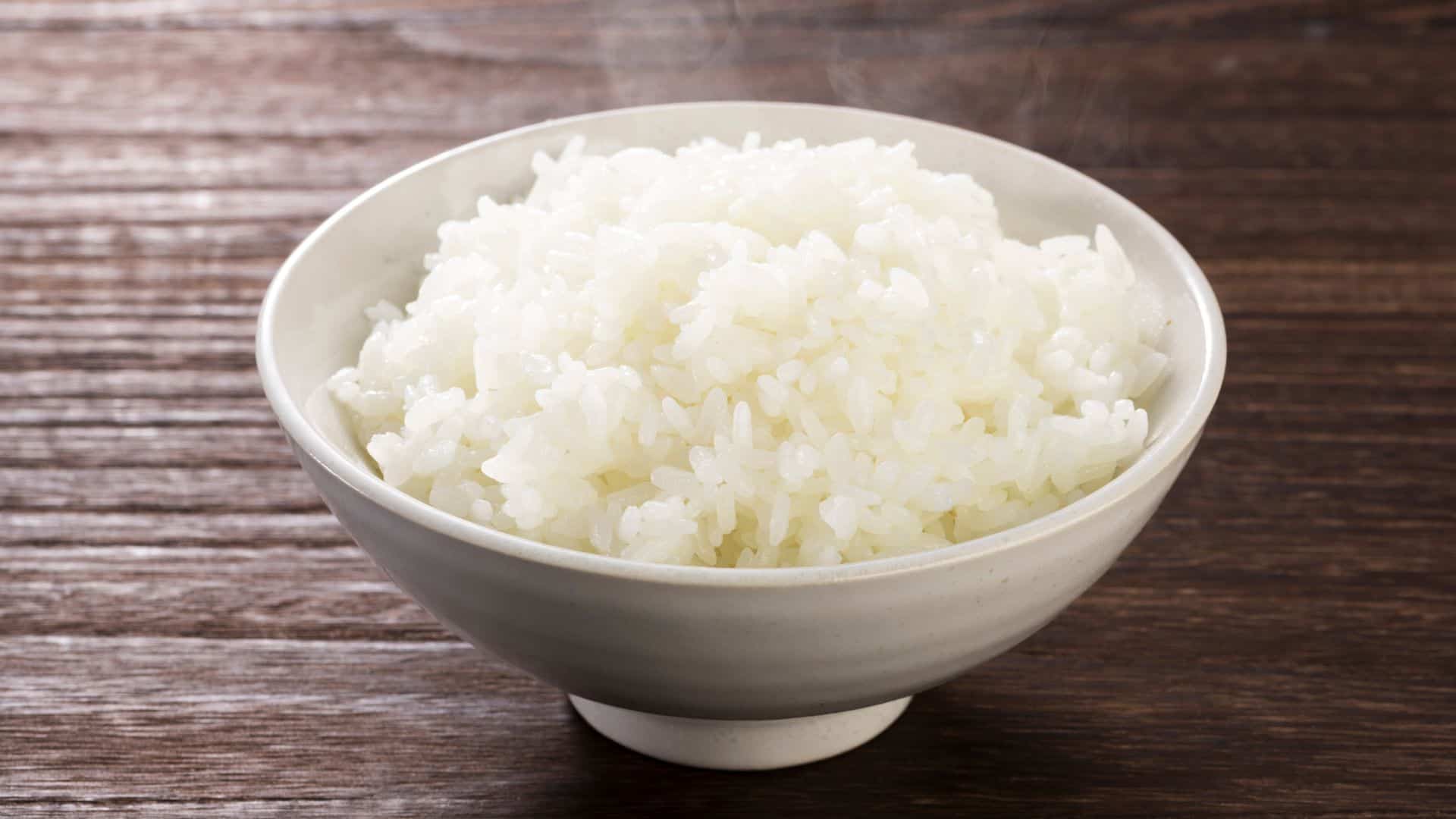
The foundation starts with the rice itself. Most Chinese restaurants use long-grain white rice, with jasmine rice being the most common choice. It cooks up soft but separate, with a subtle aroma that adds to the overall flavor.
If you have been using short-grain rice, that alone can explain why your rice feels heavier or slightly sticky. Short-grain varieties release more starch and are meant to clump together. For that light, fluffy texture of a restaurant-quality rice dish, jasmine rice is the easiest and most reliable option.
Rinse until the water runs clear
Rinsing is one of the biggest differences between restaurant rice and home-cooked rice. Rice contains surface starch that can make it gummy if not removed.
Place the rice in a bowl, cover it with cold water, and gently move it around with your hand. The water will turn cloudy right away. Drain it and repeat the process several times until the water looks mostly clear. This step alone can change the texture from slightly sticky to clean and separate.
Skipping this step is one of the main reasons rice turns out flat and clumpy instead of light and fluffy.
Measure water carefully
The water ratio controls everything about the texture. Too much water leads to soft, heavy rice. Too little leaves it undercooked.
For jasmine rice, a reliable starting point is one cup of rice to about one to one and a quarter cups of water. Restaurants tend to be precise here, which is why their rice comes out consistent every time.
If you are used to adding extra water just in case, that habit is likely what is making your rice feel overly soft.
Add a subtle flavor boost
Restaurant rice does not taste strongly seasoned, but it rarely tastes bland. There is usually a very light layer of flavor that makes it feel complete.
A small pinch of salt or a tiny amount of neutral oil can make a noticeable difference. Some kitchens replace part of the water with light chicken broth. The key is to keep it subtle. You should not be able to identify the addition; you should only notice that the rice tastes better overall.
Another trick to improve the flavor is to lightly toast the rice before cooking. Gideon General shows how to toast rice before cooking to add more flavor.
Cook without disturbing
After combining your rinsed rice and measured water, bring it to a gentle boil. Once it reaches that point, reduce the heat to low and cover it.
From here, leave it alone. Stirring while it cooks breaks the grains and releases more starch, which works against the texture you are trying to achieve. Restaurants rely on consistency, and part of that comes from not interfering during cooking.
Let it cook covered for about 12 to 15 minutes, depending on your stove.
Let the rice rest
This is one of the most important steps and one of the most commonly skipped. When the cooking time is done, turn off the heat but keep the lid on.
Let the rice sit undisturbed for about 10 minutes. This resting period allows the steam to finish cooking the rice evenly and helps the grains firm up so they stay separate.
If you open the lid too soon, the texture will not be the same. This small step is often what separates average rice from restaurant-style rice.
Fluff gently, not aggressively
Once the rice has rested, use a fork to gently lift and separate the grains. The goal is to keep the structure intact.
If you stir too aggressively, you can compress the rice and undo the light texture you just created.
Cheysingh shows the steps to make the perfect fluffy rice.
Using a rice cooker
A rice cooker is a simple kitchen gadget that can simplify the process, but the same principles still apply. Rinse the rice thoroughly, measure your water accurately, and add a small pinch of salt or oil for an extra layer of flavor.
Once the cooking cycle finishes, let the rice sit for another five to ten minutes before opening the lid. That resting time is what helps recreate the restaurant texture.

Restaurant-style white rice is not about one trick. It is about doing several small things correctly and consistently. The right rice, proper rinsing, accurate water, and a short resting period make the biggest difference.
Once you dial those in, your rice will start to look and taste much closer to what you get with takeout, and it becomes something you can rely on every time instead of guessing your way through it.
Leave a Reply