
Busy schedules often push meals into “just get it done” mode. That usually means cutting corners in ways that strip out flavor. This could include skipping steps or relying too heavily on packaged shortcuts that don’t quite deliver. But not every shortcut is a compromise. Some actually make food taste better while saving time.
Here are five quick cooking shortcuts that keep meals efficient without sacrificing flavor, and in many cases, improve it.
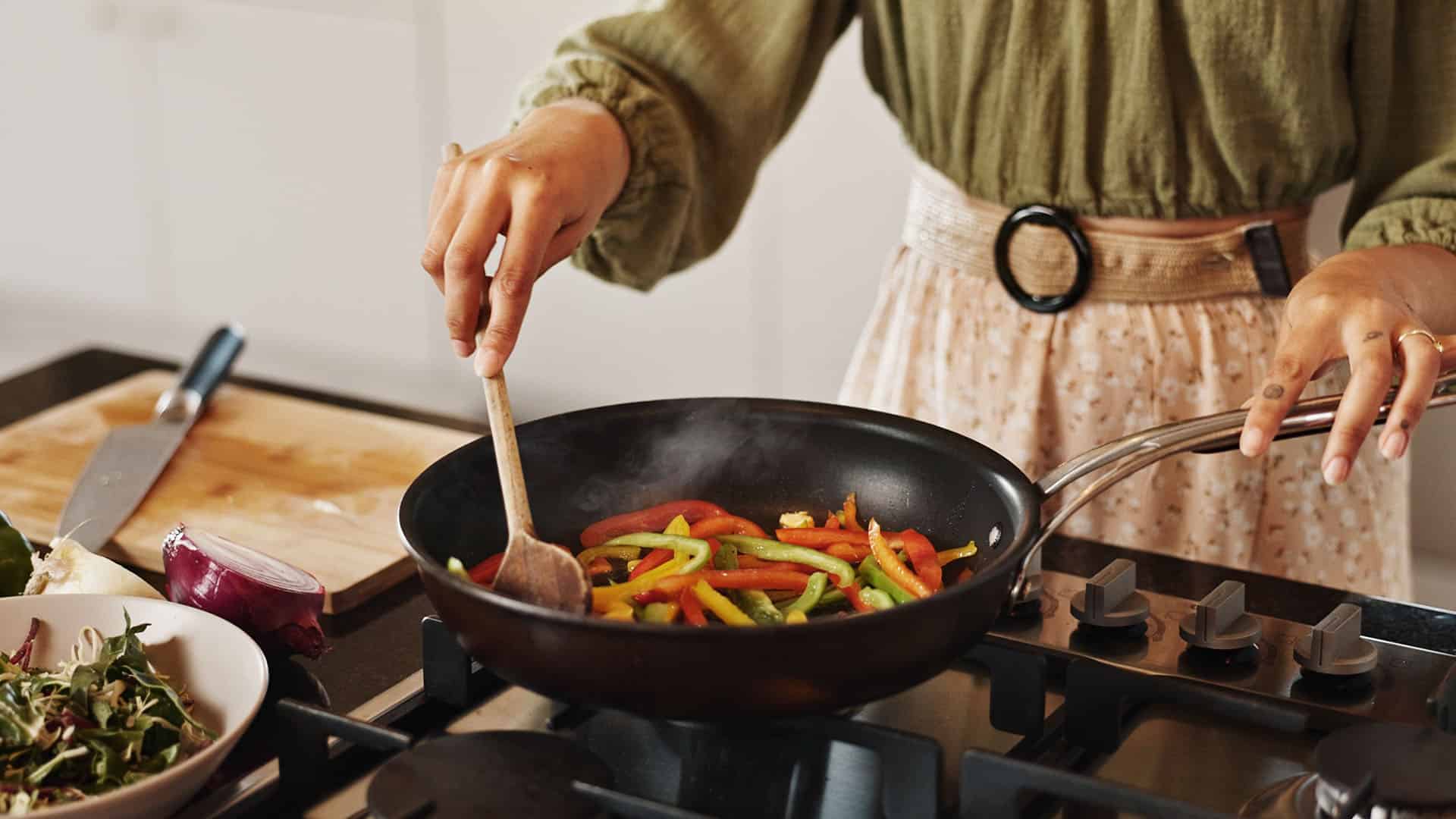
Use one pan to build layers of flavor
One of the easiest ways to save time without losing flavor is to stop jumping between multiple pans. Cooking in a single pan, start to finish, allows flavors to build on one another rather than be lost along the way.
For example, if you’re making a quick chicken-and-vegetable dinner, start by searing the chicken in a hot skillet. Once it’s done, remove it and use the same pan to cook your vegetables. Those browned bits left behind carry a ton of flavor, and when you add a splash of broth or even water, they turn into a quick sauce.
Instead of washing multiple dishes and losing flavor in the process, everything works together. The result tastes more cohesive, and cleanup is faster.
Smart preparation
Prepping ingredients ahead of time can save effort, but cutting everything in advance isn’t always necessary, and can actually slow you down.
The smarter approach is to prep strategically. Start cooking ingredients that take the longest, and prep the rest while they cook. For example, if you’re boiling pasta, that’s your window to chop garlic, slice vegetables, or portion protein.
Another time-saving trick is to focus on “rough chopping” where precision doesn’t matter. Not every onion needs perfect, even cubes. For soups and skillet meals, slightly uneven cuts cook just fine and save valuable minutes.
Upgrade store-bought ingredients instead of starting from scratch
Shortcuts often get a bad reputation because they are associated with sacrificing quality. But using store-bought ingredients strategically can actually save time while improving consistency.
The key is knowing what to upgrade.
Jarred pasta sauce, for example, can taste one-dimensional on its own. But heating it with sautéed garlic, a drizzle of olive oil, and a pinch of red pepper flakes quickly adds depth. In under five minutes, it goes from basic to tasting more homemade.
Pre-cooked rotisserie chicken is another example. On its own, it is convenient but not always exciting. Tossed into a skillet with fresh herbs, lemon juice, and a bit of broth, it becomes the base of a flavorful meal.
Even something like pre-cut vegetables can be elevated. Instead of steaming them plain, roasting or quickly sautéing them with seasoning creates texture and flavor without adding prep time.
Use boiling water as a shortcut tool
If you’re roasting vegetables like potatoes or broccoli, giving them a quick parboil first can significantly cut roasting time. It softens the interior so they crisp faster in the oven.
The same idea works for dishes like stir-fries. Blanching vegetables for a minute or two before they hit the pan ensures they cook quickly and evenly, without overcooking or turning soggy.
Even proteins can benefit. Thin cuts of chicken or shrimp cook faster and more evenly if brought closer to temperature before hitting a hot pan.
This technique is widely used in professional kitchens because it reduces cooking time while improving texture. At home, it can turn a longer recipe into something weeknight-friendly.
Here, the @testkitchen shows how cooking bacon in water actually makes the process easier.
Keep a “flavor base” ready to go
One of the biggest time drains in cooking is having to start from scratch every single time. A simple way to speed things up is to keep a few flavor bases ready in your fridge.
This can be as easy as pre-minced garlic, a small container of sautéed onions, or a quick herb mixture made with olive oil. Having these ready means you can skip the first 5–10 minutes of most recipes.
For example, adding pre-cooked onions and garlic to a skillet instantly creates a foundation for sauces, soups, or grain bowls. Instead of building flavor from the ground up each night, you’re starting halfway there.
Restaurants rely heavily on prepared components to keep service fast. At home, this approach makes cooking feel less repetitive and much more manageable.
@thetastystir shows the all-purpose green base that they keep in their freezer for future meals.
Cut corners in the right way
Cooking faster is often mistaken for cutting corners in the wrong places. That’s when meals start to feel bland or repetitive.
These shortcuts work because they focus on efficiency without skipping the parts that build flavor. Instead of removing steps entirely, they streamline them. Using one pan keeps flavor concentrated. Strategic prep saves time without overcomplicating things. Small finishing touches add depth without extra cooking.
For anyone juggling a busy schedule, this approach changes how cooking feels.
Leave a Reply