
Friendsgiving has become a November tradition for people who want to gather with friends for Thanksgiving. It often includes a potluck meal and a relaxed setting, but hosting does still require planning. An organized Friendsgiving helps keep stress low for the host and creates an enjoyable experience for everyone attending.
Although Friendsgiving is casual, hosts handle most of the preparation. This includes menu planning, seating, and space organization. With a bit of prep work, the day can remain fun, with the focus on enjoying time together.

Set clear expectations early
Friendsgiving works best when everyone understands what is expected. Setting ground rules early prevents last-minute confusion. Hosts can decide whether the meal will be a traditional Thanksgiving dinner, a themed menu, or a mix of shared dishes. Once picked, it becomes easier for friends to volunteer for items.
Create a manageable menu
A planned Friendsgiving menu avoids duplicate dishes and highlights variety. Traditional dishes like turkey, stuffing, mashed potatoes, and vegetables are popular choices, but hosts can simplify by preparing only the main items and assigning sides to guests. This helps reduce stress by reducing the amount of cooking one person must do. Everyone pitches in, and it makes it a fun affair.
Don't forget to consider dietary preferences and allergies. Having a mix of vegetarian, gluten-free, and dairy-free options gives everyone something to enjoy eating.
Store-bought items on the table are also absolutely fine. Friendsgiving is meant to be inclusive rather than formal. Convenience items can help the host focus on organization rather than perfection.
Prepare the space ahead of time
A comfortable setting helps everyone relax. Make sure there is enough seating, that the dining area is easily accessible, and that serving pieces are available. Simple table settings can still look polished with a neutral tablecloth, cloth napkins, or seasonal decorations.
If space is limited, a buffet creates flow and reduces crowding at the table. Plates, utensils, and drinks can be grouped at stations, helping guests serve themselves without waiting. Keeping beverages in a separate area can also help prevent kitchen congestion. It's all about finding ways to keep the flow going.
Even if you're hosting in a small space, it's still possible. In smaller spaces, finger foods and one-pot meals work better than multi-course dinners, and floor seating with cushions can increase capacity without the need for additional furniture.

Plan a realistic timeline
Friendsgiving often involves dishes that need advanced preparation. Turkey, for example, must thaw safely in the refrigerator if purchased frozen. According to the USDA, a frozen turkey requires approximately 24 hours of thawing time for every 4 to 5 pounds. A fifteen-pound turkey may need three full days in the refrigerator before cooking. Setting a timeline backward from the event date helps prevent rushed food preparation.
Cooking schedules need to be organized so that the oven is not overloaded. Roasted vegetables can be cooked ahead and reheated, while casseroles can be assembled early and baked closer to serving time. Ask friends to bring dishes ready to serve, which can also preserve oven space.
A timeline helps keep the kitchen orderly. Starting with a clean workspace makes it easier to manage multiple tasks and reduces the risk of cross-contamination. Washing hands, sanitizing surfaces, and keeping raw meat separate from produce are essential.
Set up a beverage plan
Beverages are a big part of hosting. Have alcoholic and non-alcoholic options, such as sparkling water, cider, tea, and soda. For alcohol, provide a simple selection, and have friends bring their own beverage if they want something else. Don't try to do it all; just a little bit will work just fine.
A beverage station is a good way to keep the kitchen flow moving. Ice buckets, glasses, and labeled drink options help guests serve themselves. If children are attending, put the non-alcoholic drinks at a lower level so that they can fill their own glasses without needing assistance.
Coordinate serving and storage
Perishable foods should not be left at room temperature for more than 2 hours. Hosts will need to make space in the fridge to store leftovers and food to stay safe while guests are still there.
Serving dishes with lids help maintain temperature and reduce spills. Slow cookers, insulated carriers, and warming trays can keep hot dishes stable. Cold dishes can be placed on trays of ice to maintain safe temperatures. Labeling dishes that contain allergens or specific dietary ingredients will keep guests informed.
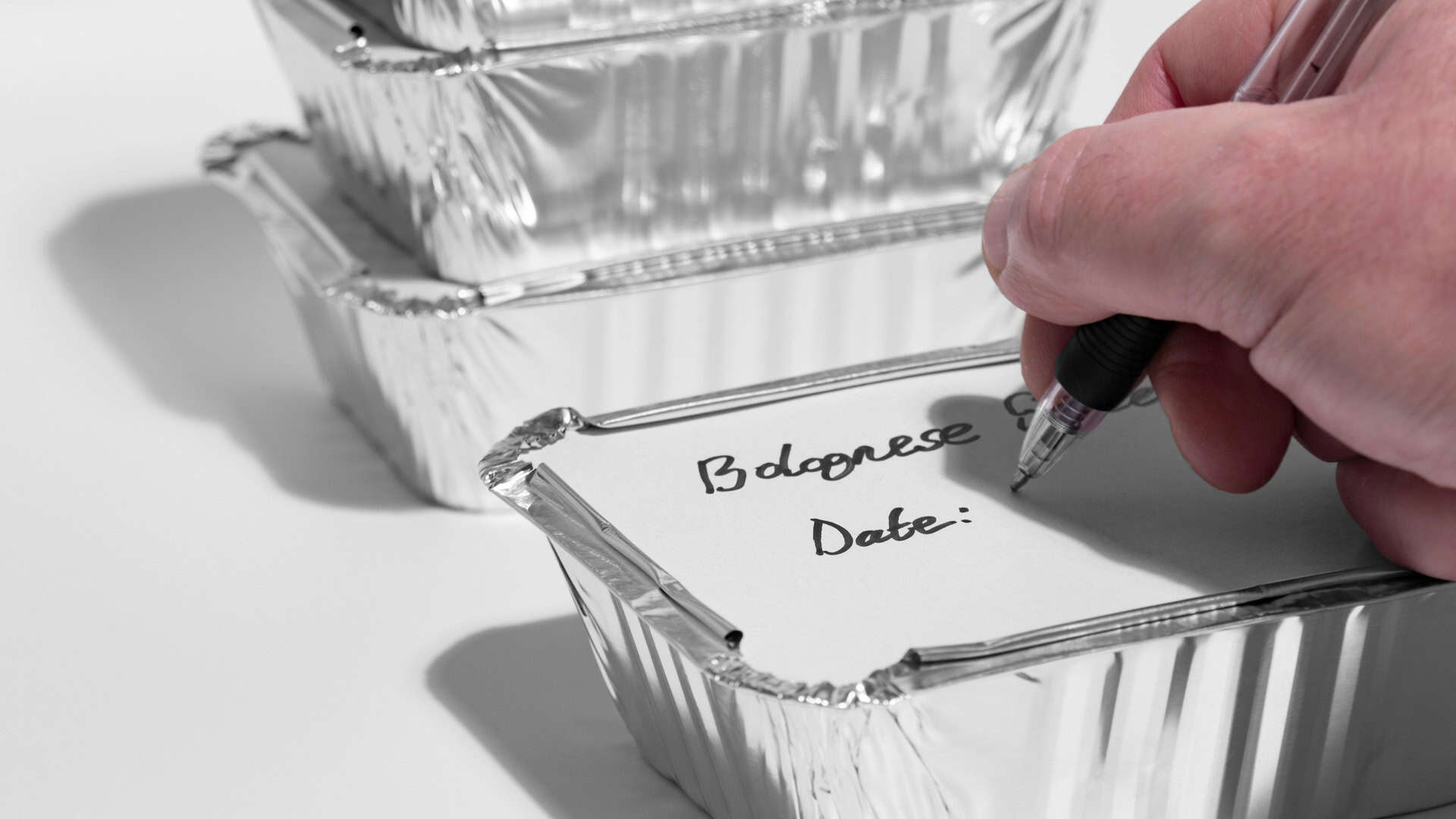
After the meal, divide the leftovers among guests. It reduces waste and prevents the host from having to manage a large amount of stored food.
Add activities for connection
Gathering with friends is not only about food. Add a few simple activities for fun. These can include gratitude cards for conversation, group games, or a playlist.
A corner with blankets or soft seating can give guests a place to rest or talk away from the main gathering area. This can be especially nice in large groups or when people do not know each other well. It's a simple way to create a safe space for them to relax.
Cleanup strategies
Cleanup is often the worst part of hosting. Having a clean-up plan can help to reduce stress. Disposable containers, lined trash bins, and an empty dishwasher speed up the process. If guests offer to help, let them. Busy hands make quick work.

Final thoughts
Friendsgiving is a success when planning and simplicity are combined. Clear communication and an organized menu create a stress-free experience for all. Create a welcoming environment that supports conversation and connection, and enjoy time with friends. These tips will help make Friendsgiving an annual tradition that everyone looks forward to.
Leave a Reply