
Delicious and homemade food is all part of the Thanksgiving holiday, but what if that food just really isn't all that good? A recent online post made waves when a woman shared her opinions about her sister's contribution to the family holiday meal. This sparked thousands of comments about decency, communication, and family bonds.
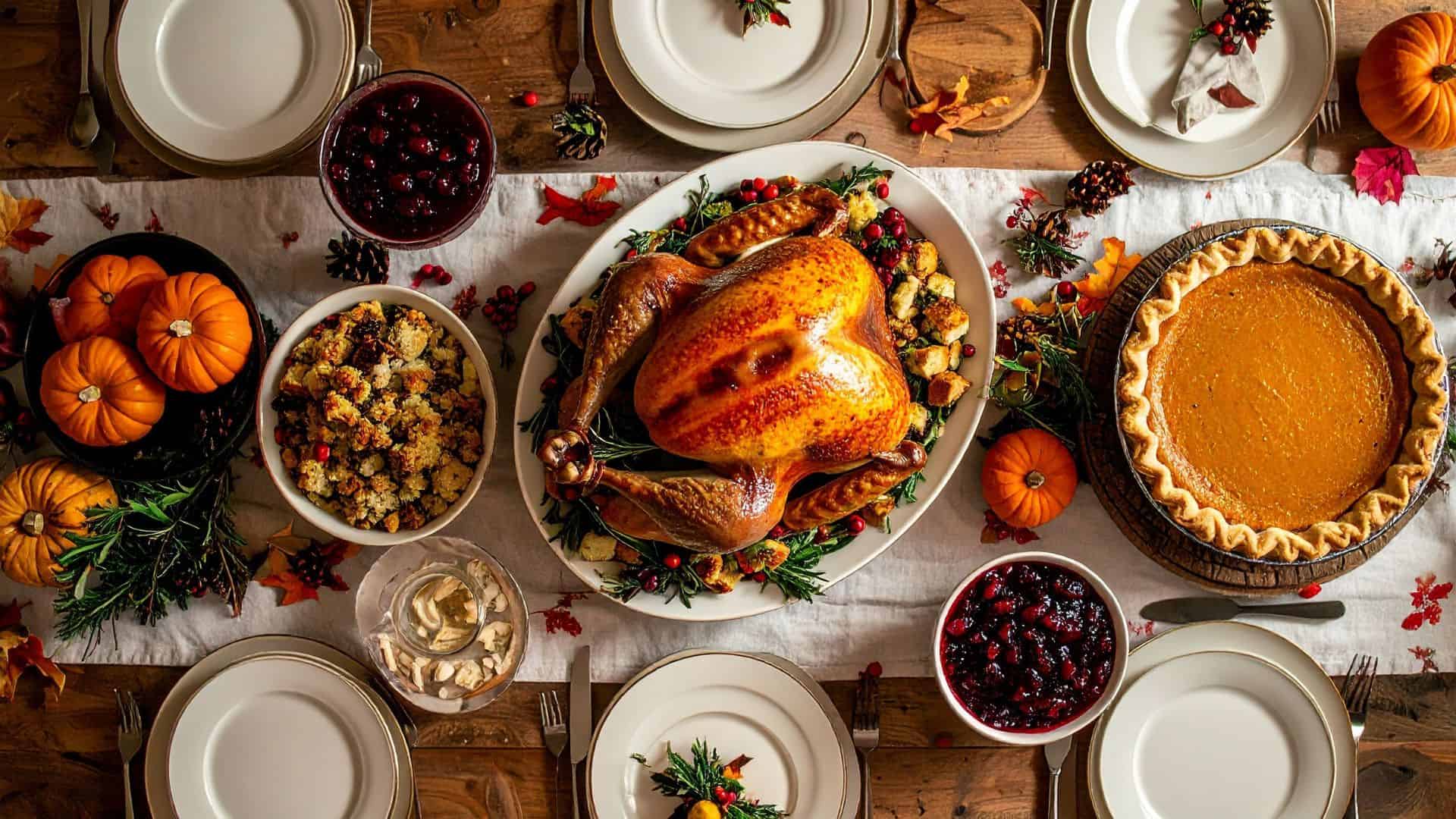
The story
A Reddit user asked, "Am I in the wrong for telling my sister she's not allowed to bring her homemade food to Thanksgiving because her cooking is ruining the meal?" She explained that her family has a big Thanksgiving dinner where everyone brings one or two dishes. Her sister isn't a good cook, but she tries to make a homemade dish, even though it's inedible.
The poster gave examples of dishes her sister brought, in the past, like the over-seeded stuffing that one person took one bite of, and then no one ate. Or the green bean casserole that she brought, where she admitted to experimenting with different ingredients other than what the recipe called for.
The poster stated that she is hosting Thanksgiving dinner this year and wants to keep the menu consistent. To avoid the food drama, she asked her sister to bring something non-food, like wine or even flowers. Her sister didn't handle this well and told her that it was controlling. She also accused the poster of shutting her out and making her feel inadequate. The conversation between the two ended with the sister stating that she was bringing her famous green bean casserole, whether the host liked it or not.
The reactions
The people in the comments seemed to side more with the sister than the poster. Someone said, "Just let her bring the green bean casserole and make an actually edible one as backup. It's not worth it to die on this hill."
There is truth to this statement. Choosing battles is real, especially when it comes to family members and burning bridges. The easy road would be to let her bring the casserole and have one as a backup. That wouldn't cause a fight and likely wouldn't leave any hard feelings. The opposite would result in a family feud that lasts for years past the initial issue.
Another comment said, "Let her bring it, then she can take it back home." Another valid point. A lot of people bring dishes to holiday meals, and then pack up the leftovers and take them home. This wouldn't be any different for her, and likely wouldn't cause a fight.
There was this comment that sided with the host. "Nobody else is allowed to cook for our Thanksgiving. Water chestnuts in the green bean casserole, hummus in the mashed potatoes, and other crimes against humanity have been performed by my relatives. I feel your pain."
This could be one of those times where you can't relate unless you've been there. The person who commented has obviously been in the trenches when it comes to foods that are just too far out there for their taste.

This one said, "Let her bring what she wants, but make an actual alternative dish yourself for everyone to actually eat."
One thing to keep in mind with this comment is that if the host is communicating that she's sticking to a strict menu, and then goes off course and makes another dish just because her sister is bringing a dish, it's going to set a precedent moving forward that people can bring whatever they want, no matter what the menu actually states.
Then this post stated, "Let her do it. Her bad cooking is a tradition. Just make another vegetable that people WILL eat."
Holidays are all about traditions, and sometimes they're just fun to remember and look forward to. If the new family tradition is bringing a dish to dinner that may or may not be eaten, there's a good chance everyone will be light-hearted about it and go with the flow. It won't be a big deal because it's expected every year.
Someone else said, "I've always avoided this by "I'm host, my rules". For people that want to contribute I provide suggestions and they pick one. No complaints have ever been listened to."
This firm response leaves no wiggle room. It lets everyone know what is planned, what is happening, and what food will be served. Period.

Several people liked this response. "As long as there's enough food people can and will eat, leave her alone. If she wants to waste her time and money on creating something no one will eat, let her. What's the harm?"
That's the question. Is there any harm in her bringing a dish that most people won't even try to eat? She is well aware that her sister and others in the family don't care for the dishes that she brings, but that's not deterring her from trying to make a dish that will be a hit. She'll be spending her own time and money, and isn't forcing anyone to take a bite.
A simple response was posted. "Everyone can choose not to eat her food so what’s the problem?"
It can be hard to keep the holiday drama-free, especially as the host. People have a picture in their mind of how they want the day to go, and then have a hard time pivoting when it goes off course. If it's not harming anyone, then it really doesn't have to become a big deal or issue.
One good piece of advice was, "My best suggestion if you can manage it is to serve buffet style so everyone can take what they want to eat. Have someone else remind her, if needed (probably needed), that it's not kind or OK to push food on people for any reason. It's like pushing alcohol on someone who's said, No."
Serving buffet-style is a great way to avoid the entire issue. Everyone can pick and choose what they want, and eyes won't be on any one dish, which takes away the stress.
Hosting tips for when a guest brings a dish that misses the mark
The comment section was torn over this poster's question, but a few simple tips may help calm nerves and offer options.
- Put it out politely, even if you don’t feature it
Place it on the table so they feel included, but don’t spotlight it. A small space on the table is enough.
2. Avoid commentary that draws attention to the issue
There’s no need to explain why a dish isn’t being eaten or why it doesn’t fit the menu.
3. Rely on the rest of the menu to carry the meal
Make sure the main dishes and other sides are well-represented. When the meal is strong, one off-recipe item won’t matter.
4. Protect guests with dietary needs without calling out the dish
If the dish poses a concern for allergies or food safety, guide those affected toward other options. This can be done without publicly singling out the dish or the person who brought it.
5. Show appreciation without overpraising
A simple, “Thank you for bringing this,” acknowledges the effort while keeping expectations balanced. You don’t need to pretend it’s the star of the meal.
6. Keep the atmosphere warm above all else
Guests remember the overall feel, not every dish. Prioritize comfort, kindness, and ease at the table. One dish that lands poorly doesn’t change the event's success.
Don't forget to keep the true spirit of Thanksgiving in the forefront. It's about being thankful for the year, for family and friends, and for time together. Don't let a dish or a minor issue turn into a much bigger obstacle.
Leave a Reply