
Keeping up with the latest tariff developments has become an increasingly complex task. With shifting tariff rates, changing deadlines, and fluctuating import policies, it’s difficult to predict what’s next. However, one thing is clear: prices are set to rise. Even major retailers like Walmart have acknowledged that prices on imported goods will increase. Given the significant volume of food imported into the U.S., it’s inevitable that consumers will soon feel the impact of these tariffs.
As we brace for these cost increases, it’s wise to take proactive steps to prepare. Here are a few items you may want to purchase now, while they remain affordable.
Olive Oil

Industry experts have noted that "olive oil prices have gone through the roof" and are expected to rise even higher. A large portion of olive oil on U.S. shelves comes from countries like Spain and Italy, and tariffs on these imports can increase prices, especially for extra virgin and specialty varieties.
You may have already noticed prices creeping up due to several years of poor harvests, but unfortunately, tariffs could push those prices even further. Luckily, olive oil has a fairly long shelf life and can typically last 18 to 24 months when stored in a cool, dark place. It may be smart to stock up now before prices climb higher.
Fish & Seafood
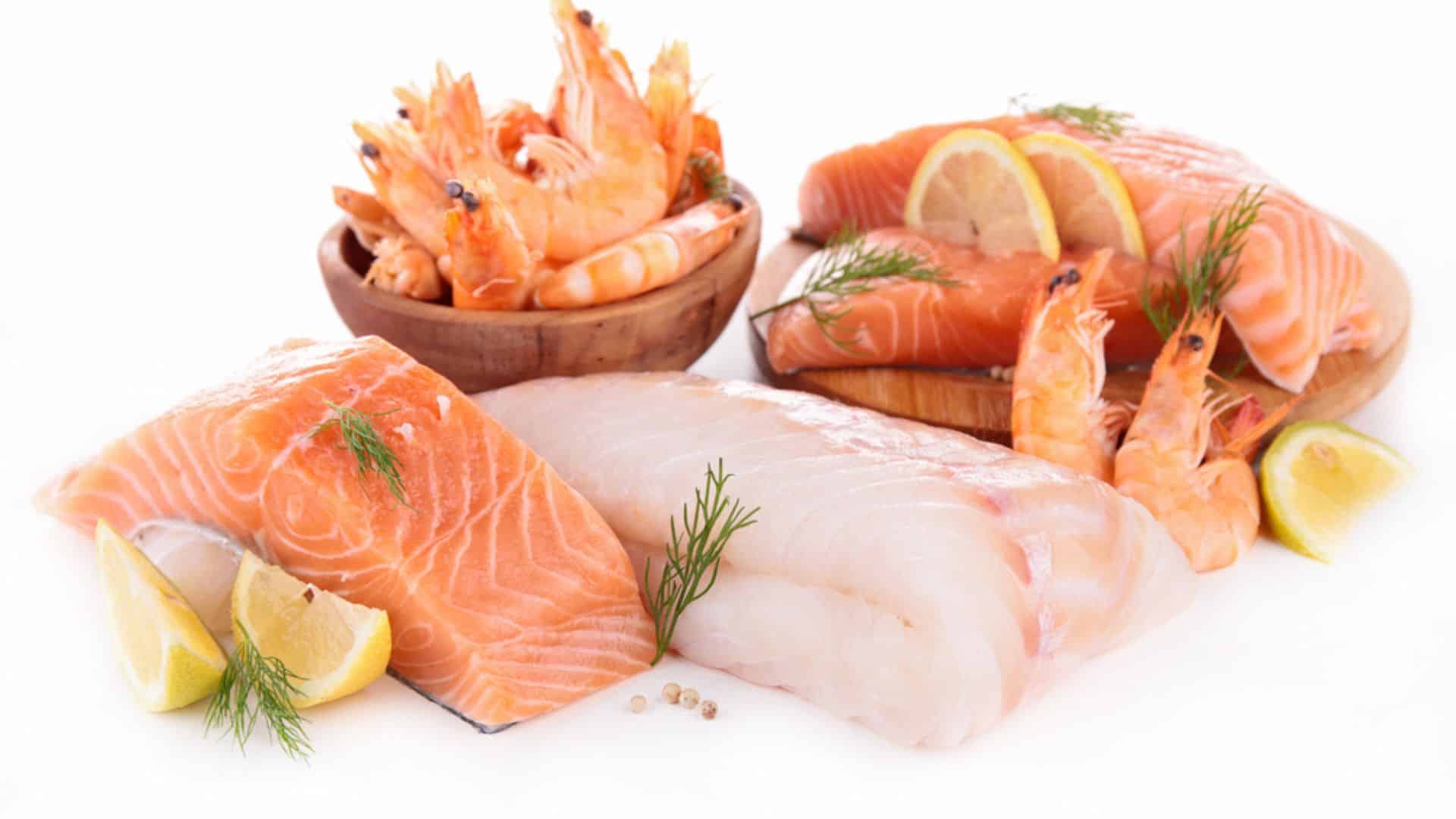
Fresh, chilled, and frozen fish and seafood represent a multi-billion-dollar import from countries like India, Chile, and China. With increasing tariffs, these prices will likely be impacted, leading to higher costs. Many frozen seafood items have a long shelf life and can be stored for several months when kept properly. It could be a smart move to stock up on bulk frozen options now before prices rise even further.
Wine

Those delicious, imported bottles of wine from Europe, South America, and Australia could soon see price hikes. 72% of the imported wine to the U.S. comes from EU countries, so it is a smart time to stock up on your favorite French Rosé or Spanish Malbec. Most unopened wines, especially reds, can last for years or even decades when stored properly. So, if you have a few imported favorites that you can't live without, grab them now while prices are still reasonable.
Tomatoes

Yes, tomatoes are a perishable food, but they can also be stored when properly prepared. The U.S. imported $2.5 billion worth of tomatoes from Mexico in 2020, representing 31% of international tomato trade. So, you may want to consider buying tomatoes in bulk and trying your hand at processing and canning at home. Stock up on canned tomatoes at the grocery store, too, because those prices are likely to go up as well.
Beef
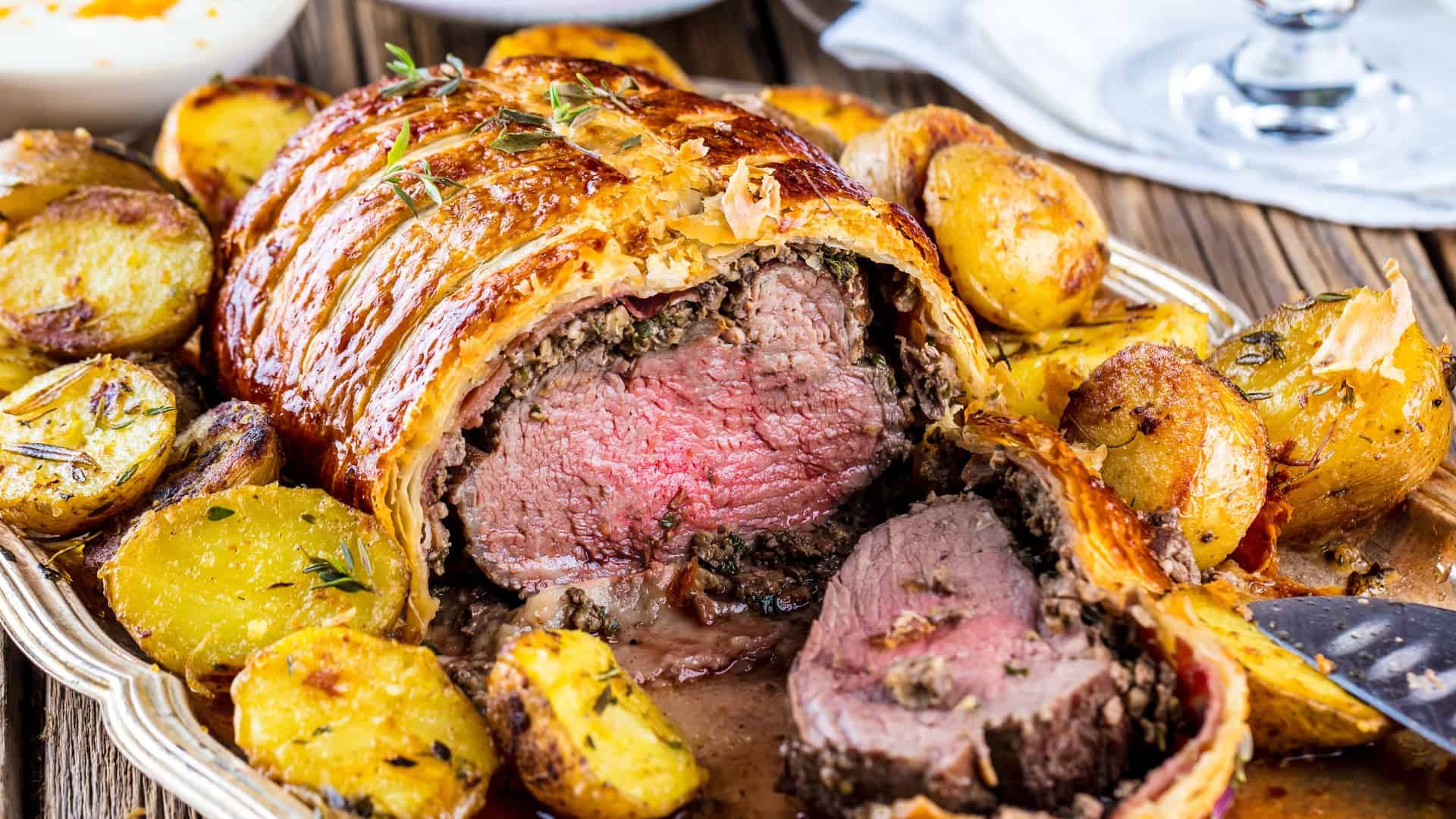
The U.S. Imports a lot of beef from Canada and New Zealand. Before the prices shoot upward, you may want to think about buying some extra meat the next time it is on sale. When sealed properly, most cuts of beef can be frozen for about three to four months. Invest in a vacuum sealer, and you can increase this time even more! You will feel good knowing you have a freezer full of hearty meat!
Coffee

Tariffs could drive up the cost of your daily brew, especially since most coffee beans are imported from countries such as Colombia and even Switzerland. Stocking up now can save you money in the long run, and it is always smart to have extra on hand if you are a daily drinker anyway! Whole coffee beans keep best and can last up to a year when stored in an airtight container in a cool, dark place. Vacuum-sealed bags can extend shelf life even more.
Chocolate

Most chocolate products rely on imported cocoa beans and cocoa powder, especially from Côte d'Ivoire and the Netherlands. With tariffs in play, prices on chocolate bars, chips, and baking cocoa are likely to rise. Luckily, you can buy as much chocolate as you want, then store it in a cool, dry place away from sunlight. It can last for months (or even over a year for baking chocolate), even more if you freeze it. Chocolate is one of the most popular treats worldwide, and a versatile ingredient for baking, desserts, and even savory dishes like mole sauce. You need to have it on hand!
Bananas

Bananas are one of the most imported fruits in the U.S., and tariffs could make them more expensive fast. Thankfully, ripe bananas can be peeled and frozen for smoothies, baking, or snacking. Frozen bananas keep well for up to six months in freezer bags. Stocking up and freezing them is a smart way to keep a healthy fruit option on hand, especially since bananas ripen so quickly.
Maple Syrup

A significant amount of imported maple syrup sold in the U.S. comes from Canada, which could be affected by new tariffs. Since pure maple syrup isn't cheap to begin with, it's wise to stock up before prices spike. It stores well in a cool pantry for up to a year unopened and in the fridge for even longer once opened.
Vanilla Extract

Having a few extra bottles is a great idea, especially since it is a key ingredient in so many delicious baked goods. There is no chocolate chip cookie without vanilla extract. Most US-imported vanilla beans come from Madagascar, and they are notoriously difficult and expensive to produce. With tariffs in play, you should expect prices to climb even higher. Pure vanilla extract stores beautifully, making it a great item to stock up on now. Just keep it in a cool, dark place, and it can last for years!
Black Pepper
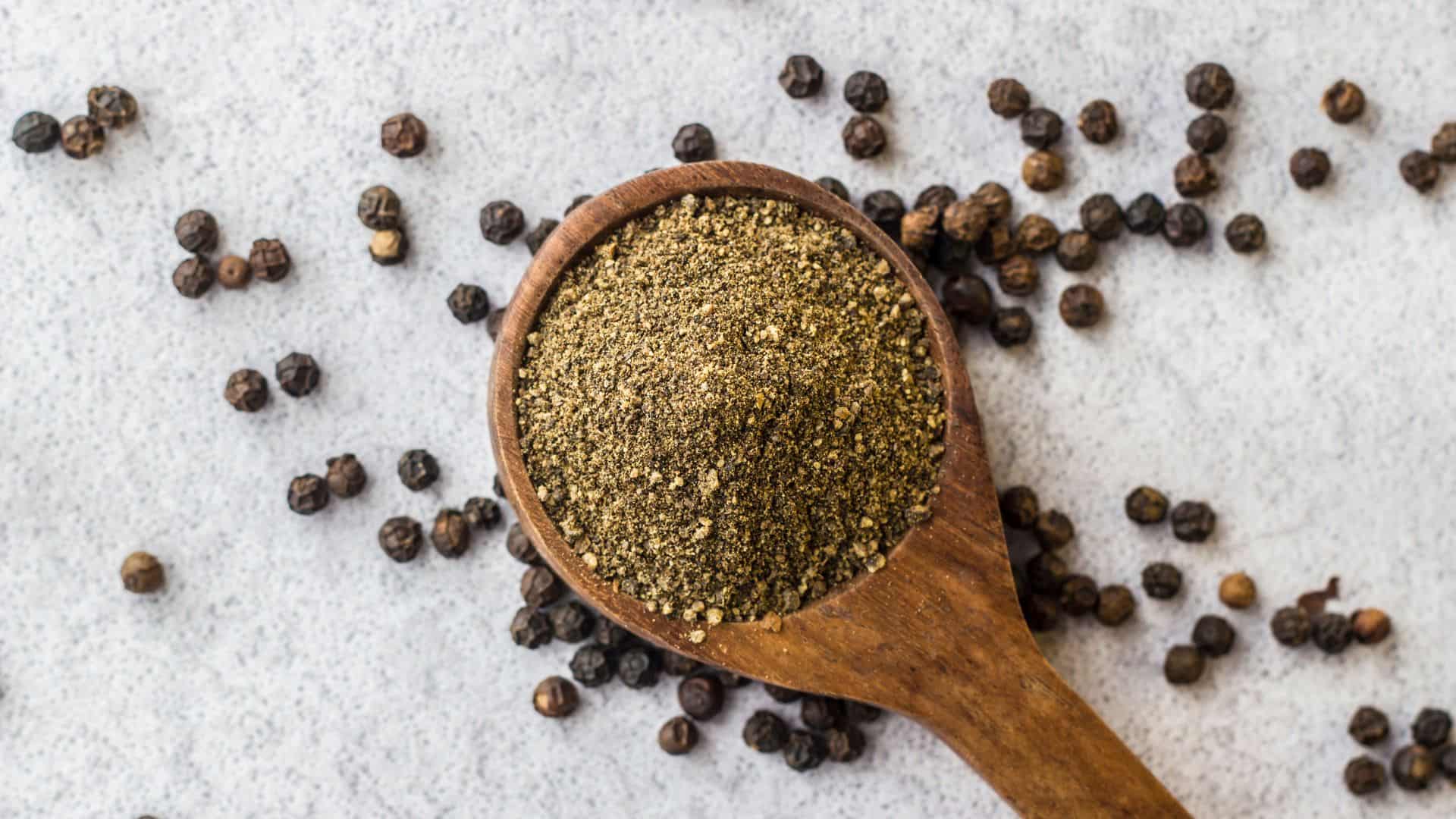
Black pepper may seem basic, but it is used in many dishes, and they simply don't taste the same without it. Did you know that lots of black pepper are imported from Vietnam? Of course, tariffs could increase their prices. Whole peppercorns store longer than pre-ground and keep their flavor best in airtight containers in a cool, dry pantry. So grab those whole peppercorns and feel good about your spice supply!
Cheese
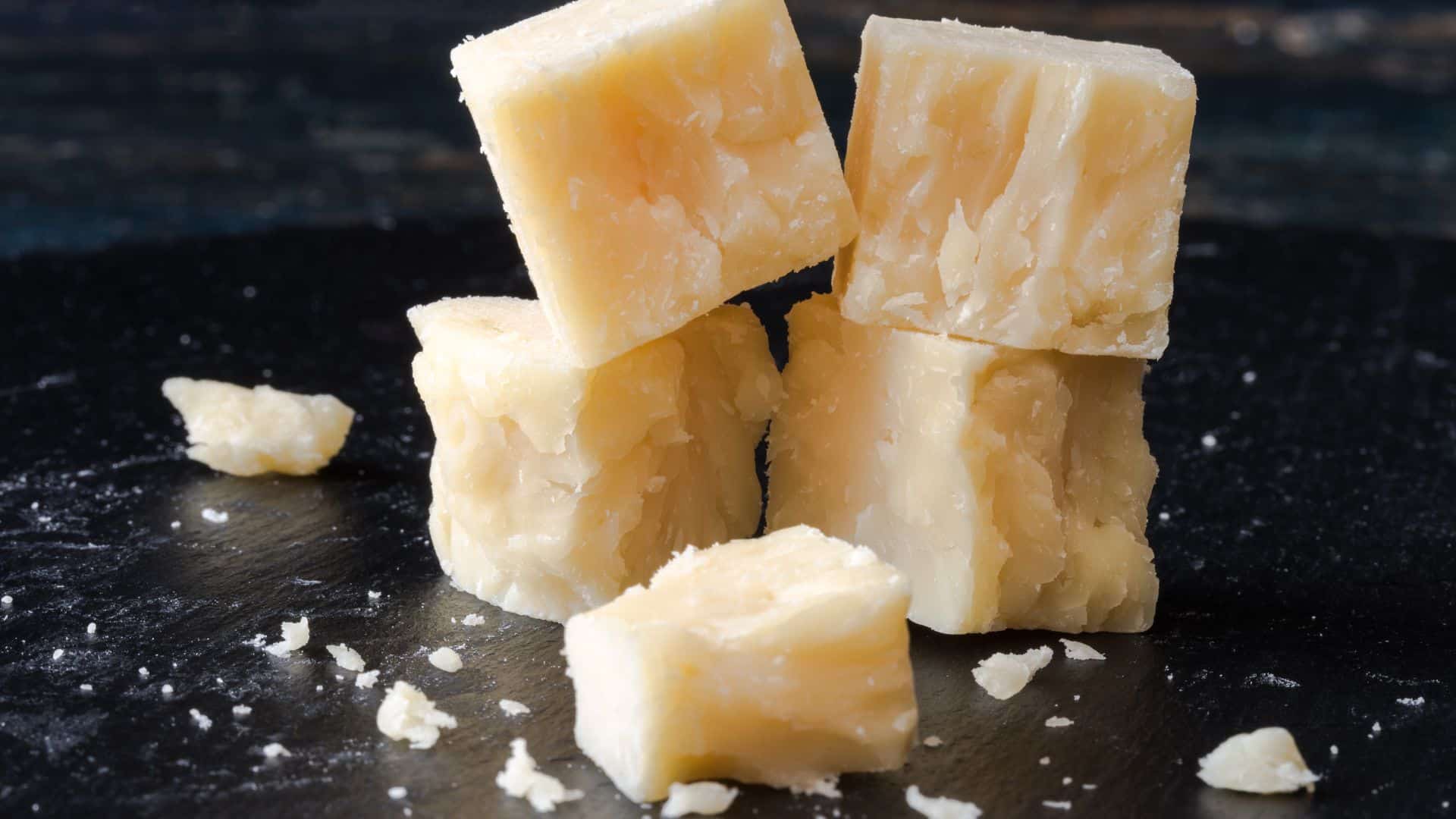
Much of the specialty cheese in U.S. stores comes from Europe, e.g., Italy. That brie, parmesan, and gouda you love probably came from overseas. With tariffs looming, those imported wedges could get significantly pricier. You may want to consider stocking up on your favorite cheese now. Hard cheeses like parmesan or cheddar can be stored for months in the fridge and even longer in the freezer.
Leave a Reply