
Easter is one of the busiest grocery weeks of the year. According to the National Retail Federation, the average American household is expected to spend $195.59 on Easter this year, with candy and food accounting for the largest share. However, with increasing grocery prices, it may get hard for some people to stay within budget.
On the other hand, it’s hard to resist those fancy supermarket displays around this time of the year that are designed to lure you to spend more. Here are some of the mistakes people often make when shopping for Easter and how to avoid them.
By being mindful of these common mistakes and avoiding the supermarket traps, you can make your Easter shopping experience more budget-friendly and enjoyable!
Shopping without a list

Some people go for Easter shopping without a clear budget or a shopping list, and end up paying a lot. Even those who do make a shopping list often forget to check what ingredients they already have at home.
Holiday meals often call for some special ingredients with long shelf lives, such as vanilla extract, that you probably bought for Christmas and still have sitting in the back of the cabinet.
If you buy more of these without checking your pantry, you might end up with duplicates and spend your budget on things you already have.
Before you shop, do a quick pantry check and make your list around what you already have. Start by planning your main dish, then move on to side dishes, drinks, and Easter desserts. Along with the list, also plan the portions according to the number of guests. This can help you save a lot of money compared to what you might throw into your cart without a plan.
Assuming all Easter deals are worth buying
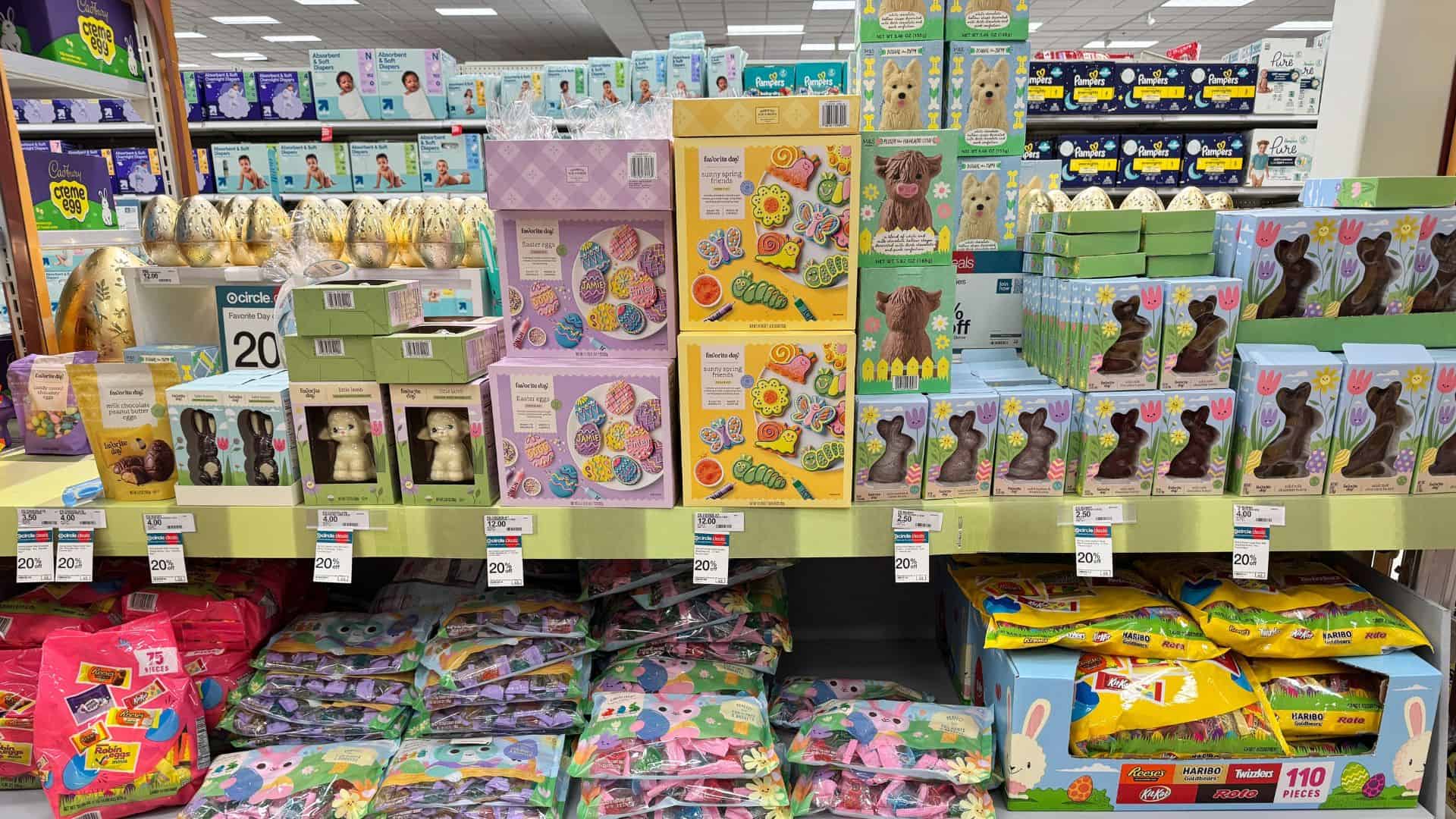
When you walk into a store during Easter, it’s hard to ignore the bright displays filled with chocolate eggs, colorful candies, and special holiday bundles right at the entrance. These displays are placed strategically at the front to influence your buying decisions before you even reach the aisles.
Most of the time, they’re the shiniest products, and not the cheapest ones. Big brands pay a big sum of money to stores to place their product in the center just to increase sales. Seasonal chocolate is often priced significantly higher per ounce because of packaging and holiday branding.
It is always better to check the shelf, not just the display, at the end of the aisle. When something is on sale, it does not mean it is the best deal.
Multi-buy offers work the same way. People buy deals like “3 for 2”, thinking it may save them money, but those are already priced higher for Easter, so you end up spending more.
To avoid this, always take your time to compare unit prices. Check how much each item costs per ounce and only choose multi-buy deals if you plan to buy that many.
Skipping store-brand options
When shopping for Easter, many people tend to choose branded items over store brands, believing they are better. Attractive packaging and familiar logos can create an impression of higher quality that isn’t always true.
However, many store-brand items at popular grocery stores like Costco, Trader Joe's, and Aldi are made by the same companies that produce the name-brand goods, only without the fancy packaging.
If you want to save money, look for the store-brand items first. Most of the time, you’re just paying extra for the label on the box, not for a better product.
The same is true for pre-made Easter gift baskets. Stores often make simple items look special by adding pretty wrapping and ribbons, which can trick you into thinking they’re a great deal. However, you can usually find the same chocolates, candies, or snacks for less if you buy them individually off the shelves.
Shopping while hungry
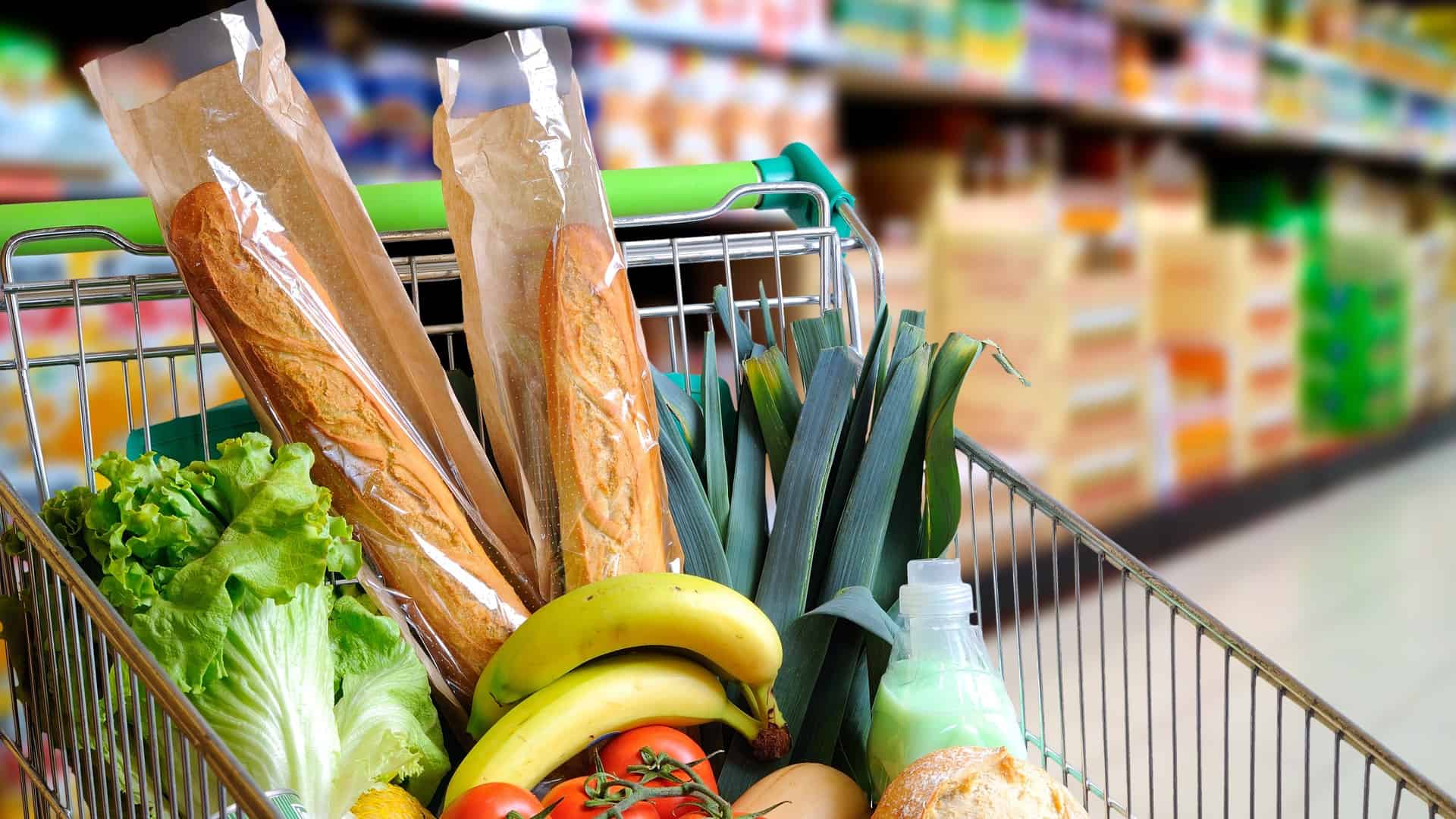
Shopping on an empty stomach can lead to buying a lot of things you don’t really need. When you go to the supermarket feeling hungry, it can be hard to stick to your shopping list. You might find yourself grabbing ready-to-eat meals, snacks, and treats, especially during Easter, when stores are filled with items placed in pretty displays to catch your eye.
To help prevent this, eat something before you head out to shop for Easter. You could also plan your shopping trip for after you’ve had a meal. Even a small snack can keep you focused on what you actually need, rather than giving in to those tempting cravings.
Buying everything from one store
Many people do all their Easter shopping from one store. While it might seem easier to buy everything from one place, it can actually end up costing you more than you planned. Different stores often have different prices for the same items, so buying everything from one place means you might miss out on better deals available somewhere else.
To make the most of your Easter shopping experience and save money, compare prices across multiple stores. Grocery chains such as Costco and Aldi often offer great deals on non-branded or bulk items.
Moreover, as Easter approaches, many stores roll out special promotions and discounts to attract customers. Keep an eye on flyers, apps, or online announcements; you might find some really good deals on the things you need.
Leave a Reply