
Paying for a meal used to be the simplest part of dining out, but that moment at the end of the table is starting to feel a little different. With handheld payment screens and preset tip options now built into the process, what used to be a personal decision is often happening in full view, and sometimes with a bit of pressure attached.
The story
A recent Reddit thread brought up a topic about tipping. The person posting the thread went on to say they had lunch at a sit-down burger place recently. Burgers, fries, and drinks were ordered, and the total came to $45 for him and his son.
When they got the food, a fork was missing, and when they asked for it, the waiter joked that it would cost $50. The service was lacking the entire time, and they had to ask for refills and condiments, which were not offered.
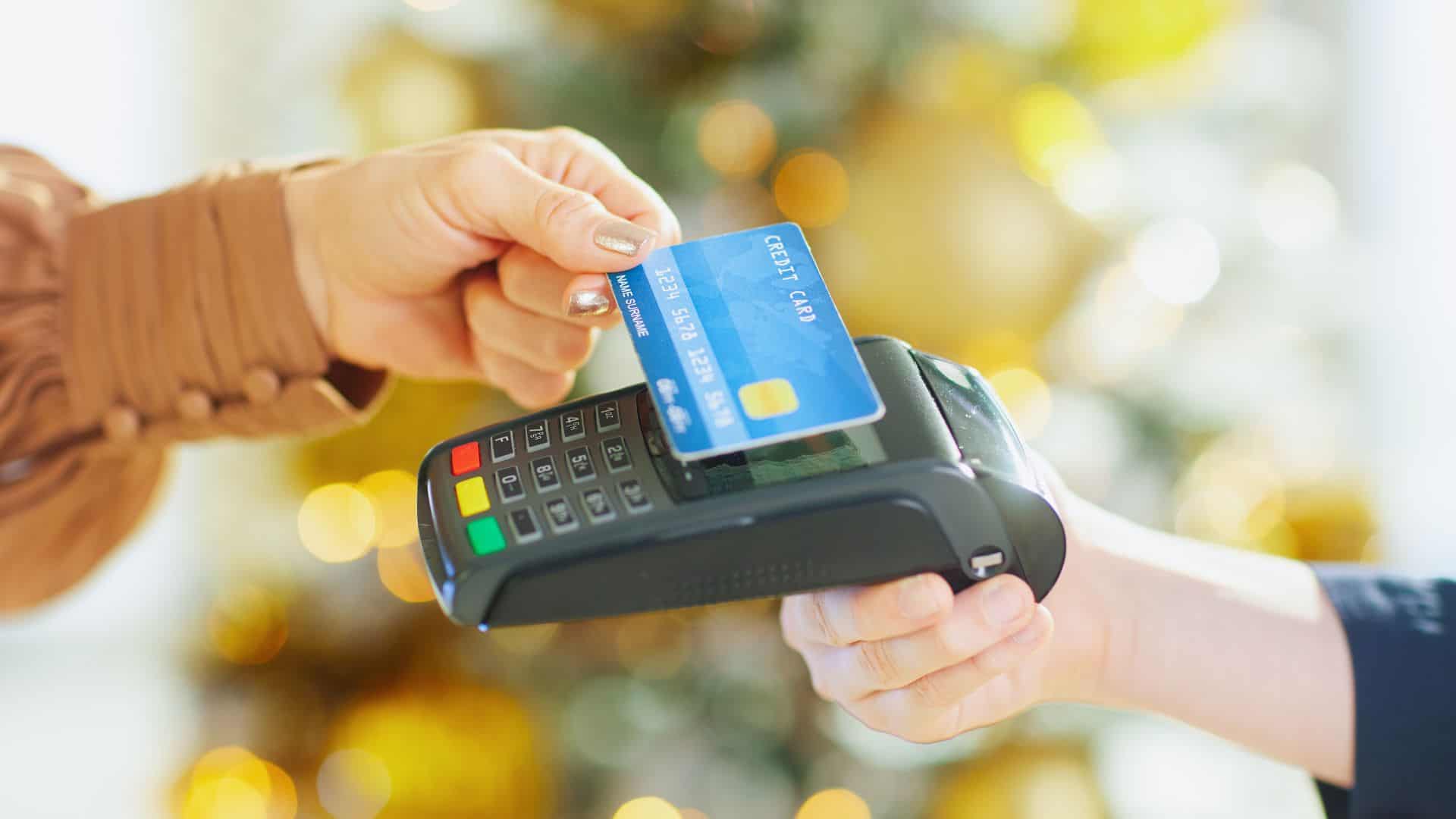
When the bill came, the waiter brought over the handheld and, without asking, pushed the 25% tip button. The waiter smiled and looked happy that he'd done that, even without approval.
Other tipping options were 20%, 22%, and 25%. OP looked at the waiter, smiled, and selected “other” and changed the tip to $3.00. He tipped based on the low level of effort, and now wonders how many people don’t notice the waiter's trick and just go with the 25%.

The responses
When it comes to tipping, people always have thoughts and opinions.
One person wrote, "He's employed to serve you; it's literally and entirely his job. You should have tipped $0, especially tipped $0 for his arrogance."
Valid point. There should never be an obligation to tip a certain amount "just because". A tip should be based on the service provided. If the service was poor, the tip reflects that.
Someone else asked, "The real question here is why did you even tip $3 after his attempted theft?"
Great question. It would be really hard to tip anything after his smugness and trying to get away with that. A lot of people in the thread said that they would have tipped nothing, and that giving the waiter $3 was generous in itself.
Another person had a similar instance, saying, "I went to Subway. I entered no tip. The server cleared the sale and handed me back the card reader and said ‘you made a mistake, it needs to go through again."
It is so hard to believe anyone would be brave enough to do that and think it's a way to get a tip. It reflects poorly on them and the company for allowing it to happen.
Someone else said, "I hope that he isn't able to change the tip amount later."
He needs to be sure that he keeps an eye on his bank account and monitors what gets charged to it. It's not likely that the amount will change, but it does happen from time to time, where people are dishonest and charge more than they should.
How to handle tipping when things feel off
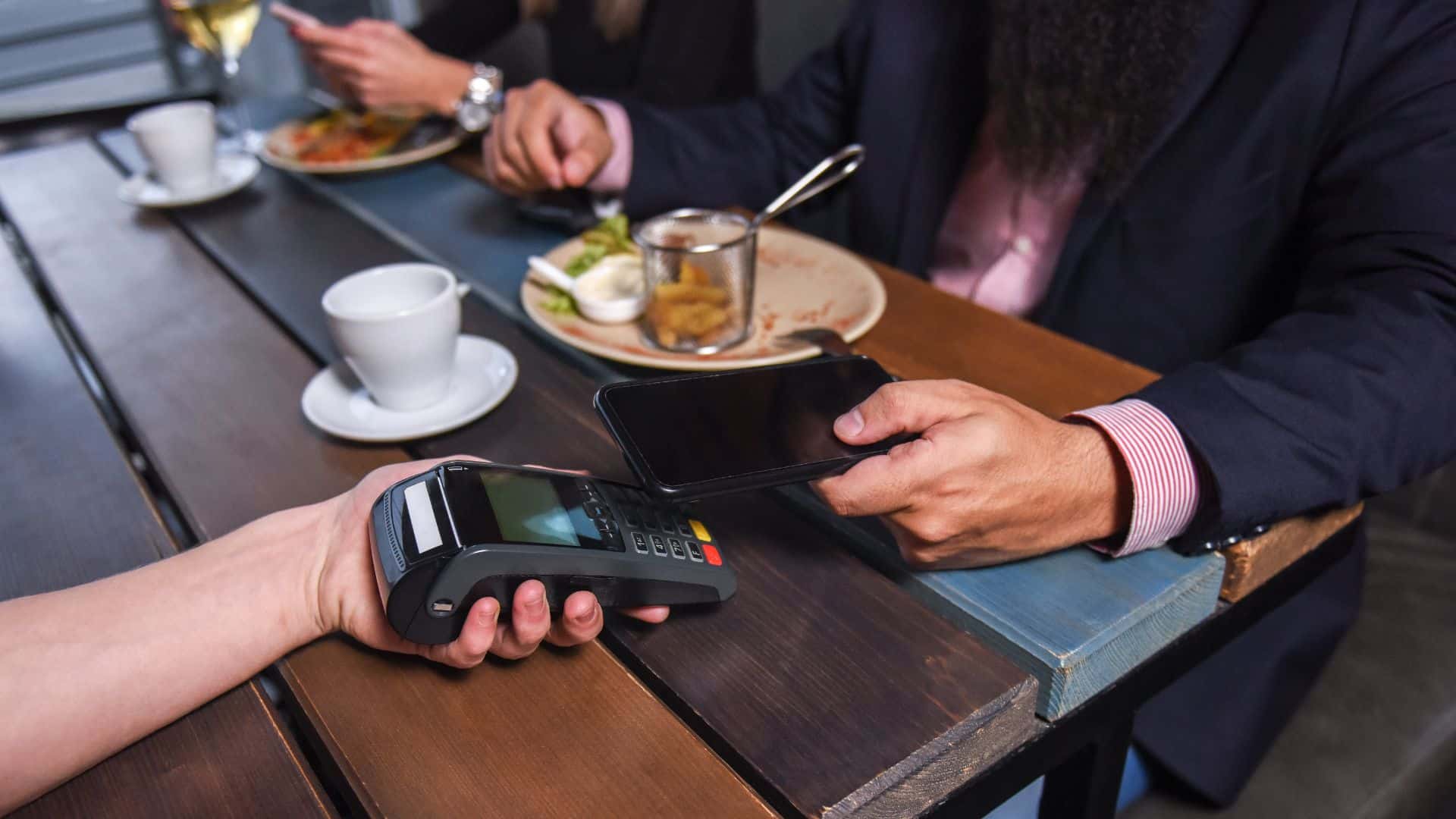
Moments like this can catch people off guard, especially now that handheld payment devices have made tipping more immediate and more visible than ever. If something doesn’t feel right, the most important thing to remember is that you’re still in control of the transaction.
Start by slowing things down. When the screen is handed to you, take a second to review the total and the tip options before tapping anything. If a tip has already been selected without your input, you have every right to change it. These systems are designed to allow customers to choose, not to lock in a percentage on their behalf.
If you feel comfortable, you can address it in the moment. A simple, calm response like, “I’d prefer to select my own tip,” sets a clear boundary without escalating the situation. In many cases, that’s enough to reset the interaction. If it continues to feel uncomfortable, you can always ask for a printed receipt or request to pay at the register instead.
It’s also worth remembering what a tip is meant to represent. Tipping is typically tied to service, attentiveness, and overall experience, not just the final bill amount. While many people default to standard percentages, those are guidelines, not rules. Adjusting a tip based on the service you actually received is well within reason.
Ultimately, tipping should feel like a choice, not a pressure point. As digital payment systems become more common, situations like this may come up more often, but knowing how to respond helps keep the experience in your hands.
Leave a Reply