
Walking into a grocery store without a plan often leads to longer trips and a second run later in the week. Speed and accuracy tend to conflict, but with a few smart adjustments, it is possible to achieve both. A faster grocery trip does not come from rushing through the aisles. It comes from setting up the trip before you even leave the house and moving through the store with purpose.
Start before you leave
A fast grocery trip begins at home. The biggest delays in the store often come from trying to remember what you need while standing in the aisle. That pause adds up.
Before you leave, take a few minutes to check your fridge and pantry. This is where most forgotten items start. You assume you have something, skip it, and only realize later that you were out. A quick scan prevents that.
It also helps to think in terms of meals, not just ingredients. Instead of writing down random items, connect them to what you plan to cook. When your list reflects meals, it becomes easier to spot gaps. If taco night is on your plan, you are less likely to forget tortillas or seasoning.
Build a list that matches the store
A basic list is helpful. A structured list is faster.
Most grocery stores follow a similar layout. Produce is often first, followed by deli, meat, dairy, and then the center aisles. If your list jumps around, your path will too. That leads to backtracking, which wastes time.
Group your list by store sections. A simple order can make a noticeable difference. You move in one direction instead of zigzagging.
Many people use their phones for this, which makes it easy to rearrange items. Others prefer paper. The format matters less than the order.
Keep a running list all week
Trying to remember everything right before you leave is one of the biggest reasons items get missed.
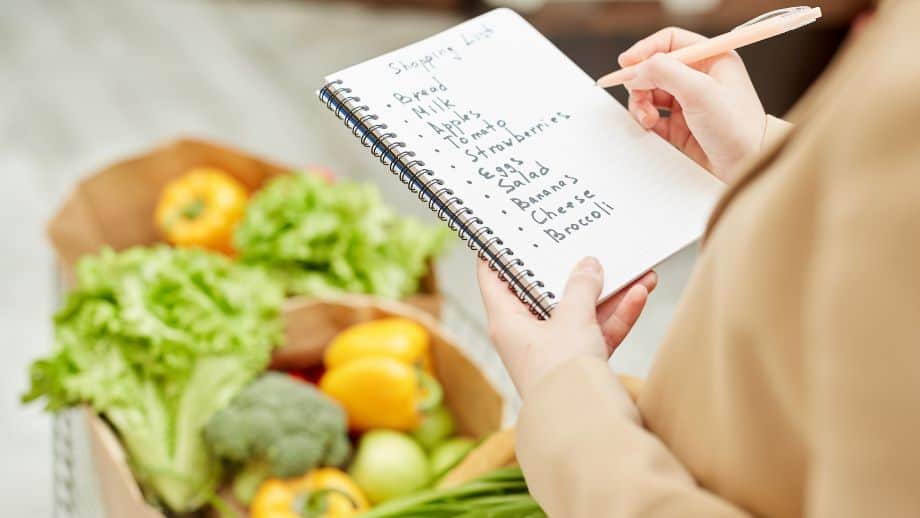
A running list solves that. Each time you notice something running low, add it to the list immediately. It takes a few seconds and relieves the pressure of having to recall everything later.
This works especially well for pantry staples. When they are written down in the moment, they are less likely to slip through.
Stick to a store you know
Familiarity speeds everything up. When you shop at the same store regularly, you start to remember where things are. That cuts down on wandering and scanning shelves. You know exactly where to go, which keeps your trip focused.
Switching stores can be useful for price comparison, but it often slows down the process. If speed is the goal, consistency helps.
Over time, you develop a natural route through the store. That routine becomes one of the biggest time-savers.
Avoid peak hours
Timing matters more than people expect. Crowded aisles slow movement, and long checkout lines add unnecessary wait time. Even a well-planned trip can drag if the store is busy.
Early mornings and weekday hours tend to be quieter. If your schedule allows it, these windows can cut your trip time in half.
A calmer store also makes it easier to focus, which reduces the chance of forgetting something.

Shop with purpose
Once you are in the store, the goal is simple: follow your list. It is easy to get distracted by displays or new products. While those can be useful, they often slow you down and lead to extra items that were not part of your plan.
Keep your attention on what you came for. Move steadily through each section and check items off as you go. This creates a sense of progress and keeps you from second-guessing what you have already picked up.
If you do notice something you want to try, add it quickly and keep moving. The key is not letting one decision turn into several minutes of browsing.
Use the cart strategically
How you place items in your cart can also help you stay organized.
Keep similar items together. Cold items in one area, pantry goods in another. This makes it easier to review your cart before checkout.
A quick glance at the end of your trip can catch anything missing. If you do not see eggs or bread where you expected them, it is a signal to double-check your list before heading to the register.
It also speeds up unloading, saving time at checkout and at home.
Do a quick final check
Before you leave the store, take a moment to review your list. This does not need to be a full stop. It can happen while you are in line or walking toward checkout. Scan through each item and confirm it is in your cart.
This step is simple but effective. It prevents the frustration of getting home and realizing something was missed.
If something is missing, it is easier to grab it than to plan another trip.
Keep your list for next time
Your grocery list can be more than a one-time tool. After your trip, save it. Many of the items will repeat week to week. Starting with a previous list cuts down on prep time and helps you remember staples.
Over time, you can refine it. Remove items you no longer need and adjust as your routine changes. This creates a system that gets faster with each trip.
Make it a habit
Speed and accuracy improve with consistency. The more you follow the same process, the more natural it becomes. Checking your kitchen and moving through the store in order will start to feel automatic.
You spend less time thinking about what to do next and more time simply doing it. That is where the real time savings happen.
The takeaway
A faster grocery trip is not about rushing. It is about being prepared and using a system that works for you. When your list is clear and your path is planned, you can move through the store with confidence and leave with everything you need.
The result is less time spent shopping and one less thing to think about during a busy week.
Leave a Reply