
Dishwashers tend to spark strong opinions for something so routine. Everyone has a method, and most people assume theirs is right until dishes come out still dirty or not quite as clean as expected. The reality is that small habits inside the dishwasher can affect everything, and many of them come down to how the machine is actually designed to work.
What experts say you’re probably doing wrong
Loading the dishwasher tends to fall into two camps. Some people follow a system, while others admit they literally just throw the stuff in there.
In a recent Today segment, Paul Hope, who oversees appliance testing at Consumer Reports, explains that it’s not just about fitting everything in. It’s about understanding how modern dishwashers are designed to work.
Stop prerinsing
One of the biggest misconceptions is prerinsing. Many people rinse dishes out of habit, assuming it helps the machine do its job better. Experts say the opposite is often true.
“You don’t need to prerinse, and in fact, that can cause a dishwasher to not work as well and not clean as well,” Hope explains.
Modern dishwashers use soil sensors to detect dirt and grime and then adjust the cycle accordingly. A completely clean plate can actually confuse that system. Detergent also needs something to cling to, and a little residue helps it do that.
That doesn’t mean loading plates covered in food scraps. Larger pieces should still be scraped off, but a bit of sauce or small debris is not only fine, but it’s also helpful.
A simple shift from rinsing to scraping can save time at the sink without sacrificing results.
Placement matters more than you think
Where items go inside the dishwasher plays a major role in cleaning performance.
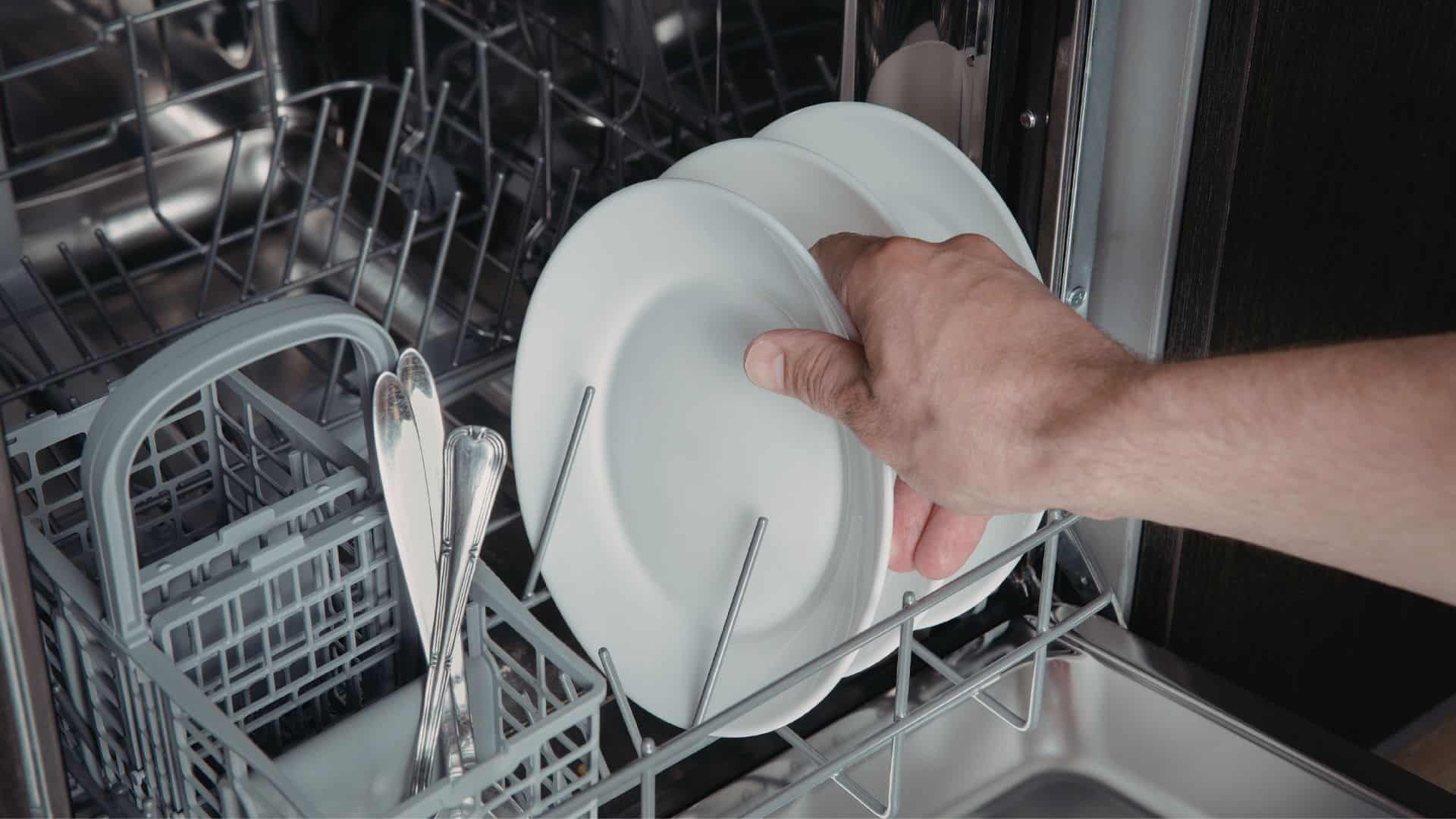
Experts recommend placing the dirtiest and largest items on the bottom rack, where water pressure is strongest. This is where plates, pots, and heavily used cookware should go.
The top rack is better suited for lighter items like glasses, mugs, and bowls, all placed facing downward so water can reach inside. Plastics should also stay on the top rack to avoid damage.
“Those can actually melt or discolor if they’re down on the lower rack too close to the heating element,” Hope notes.
Spacing is just as important. Overloading or stacking dishes prevents water and detergent from reaching every surface, which often leads to spots or leftover residue.
One practical trick many people overlook is angling dishes toward the center of the rack. That’s where the spray arms hit most directly, so positioning items to “face” that area can noticeably improve results.
The small details that make a big difference
Even the way utensils are loaded can affect results. Forks and spoons should go handle-down so the eating ends are exposed to water, while knives are safer placed handle-up.
Fragile items like wine glasses can go in the dishwasher, as long as they are labeled dishwasher-safe and positioned securely.
There are also a few simple steps that can improve performance before the cycle even starts. Running hot water in the sink first helps ensure the dishwasher begins with hot water right away.
“That means all the water that's feeding into the dishwasher will actually be hot at the start of the cycle,” Hope explains, which helps both cleaning and drying.
Maintenance matters, too. Cleaning the dishwasher filter every six months prevents buildup and keeps the machine running efficiently.
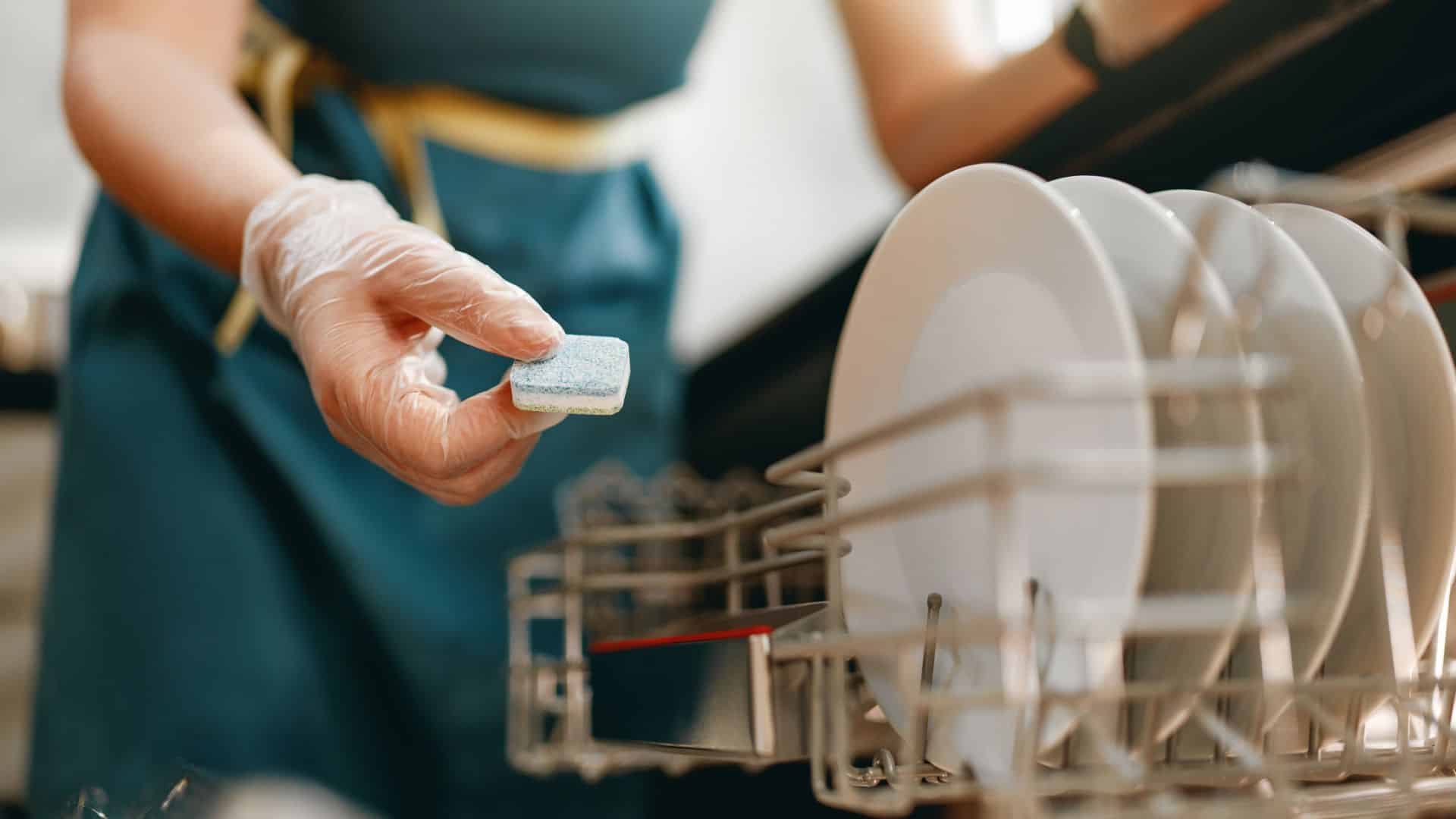
Another often-missed detail is detergent placement. Pods are convenient, but making sure they fully dissolve makes a difference. If the detergent door can’t open properly, the cycle starts without it, which leads to poor cleaning, no matter how well the dishwasher is loaded.
What should never go in the dishwasher
Not everything belongs in the dishwasher, no matter how convenient it seems.
Experts say to avoid washing wooden utensils, cast iron, nonstick pans, and certain sharp or serrated knives. Heat and moisture can damage these materials over time.
“The heat can damage nonstick surfaces, and cast iron can rust,” Hope says.
To avoid ruining your cast-iron or wooden utensils, wash them by hand in warm water to preserve their quality.
This isn’t just about getting cleaner dishes
Loading the dishwasher properly can extend the life of cookware, prevent damage to more delicate items, and even reduce the need to rewash dishes, which quietly wastes water and energy. It can also shift how people think about kitchen habits.
There’s also a broader shift happening in how appliances are designed. Modern dishwashers are built to be more efficient, but they rely on users meeting them halfway. Understanding how they work allows them to do their job better without extra effort.
For something used almost every day, the dishwasher is easy to overlook. But getting it right can turn a routine chore into something that actually saves time, money, and a little frustration at the end of the day.
Leave a Reply