
You may think your kitchen is spotless, but some of the dirtiest habits are hiding in plain sight. They are the little routines we never question. These things feel harmless, yet food safety experts say they quietly spread germs every day.
The truth is, almost everyone is guilty of at least a few of these mistakes. Some are obvious once you think about them, while others will probably surprise you, especially number seven, which most people never even consider.
Here are ten common yet often overlooked kitchen habits, each accompanied by research and expert recommendations.
1. Neglecting to Change the Kitchen Sponge
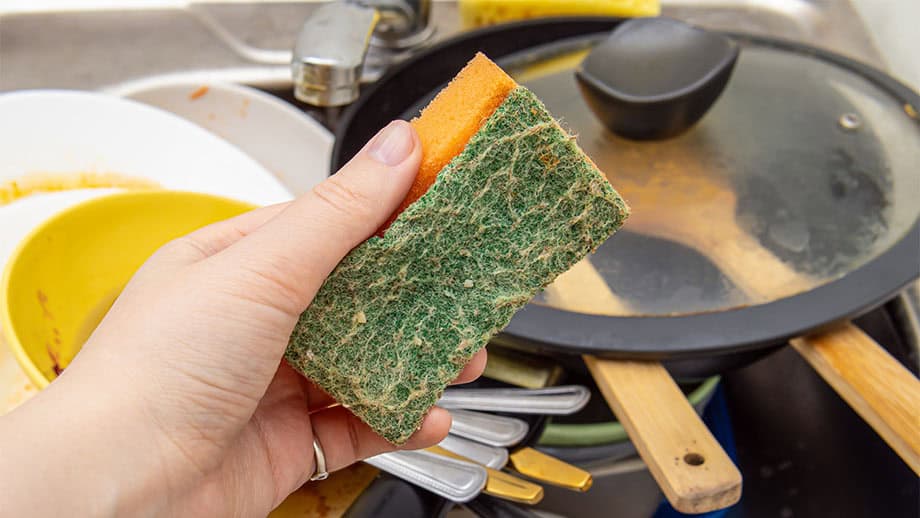
The kitchen sponge is one of the dirtiest household items. Research published in Scientific Reports found that sponges are gem hot spots!
"We found 362 different species of bacteria, and locally, the density of bacteria reached up to 45 billion per square centimeter," says Markus Egert, a microbiologist at Furtwangen University in Germany, who led the study.
"That's a very huge number of bacteria, indeed," Egert tells NPR. "There's hardly any habitat on Earth where you'll find similar densities of bacteria, except for the human intestinal tract."
Replace your sponges every week or sanitize them in the microwave or dishwasher between uses. Without regular care, the sponge becomes a tool that spreads germs instead of removing them.
2. Using the Same Dish Towel for Multiple Jobs
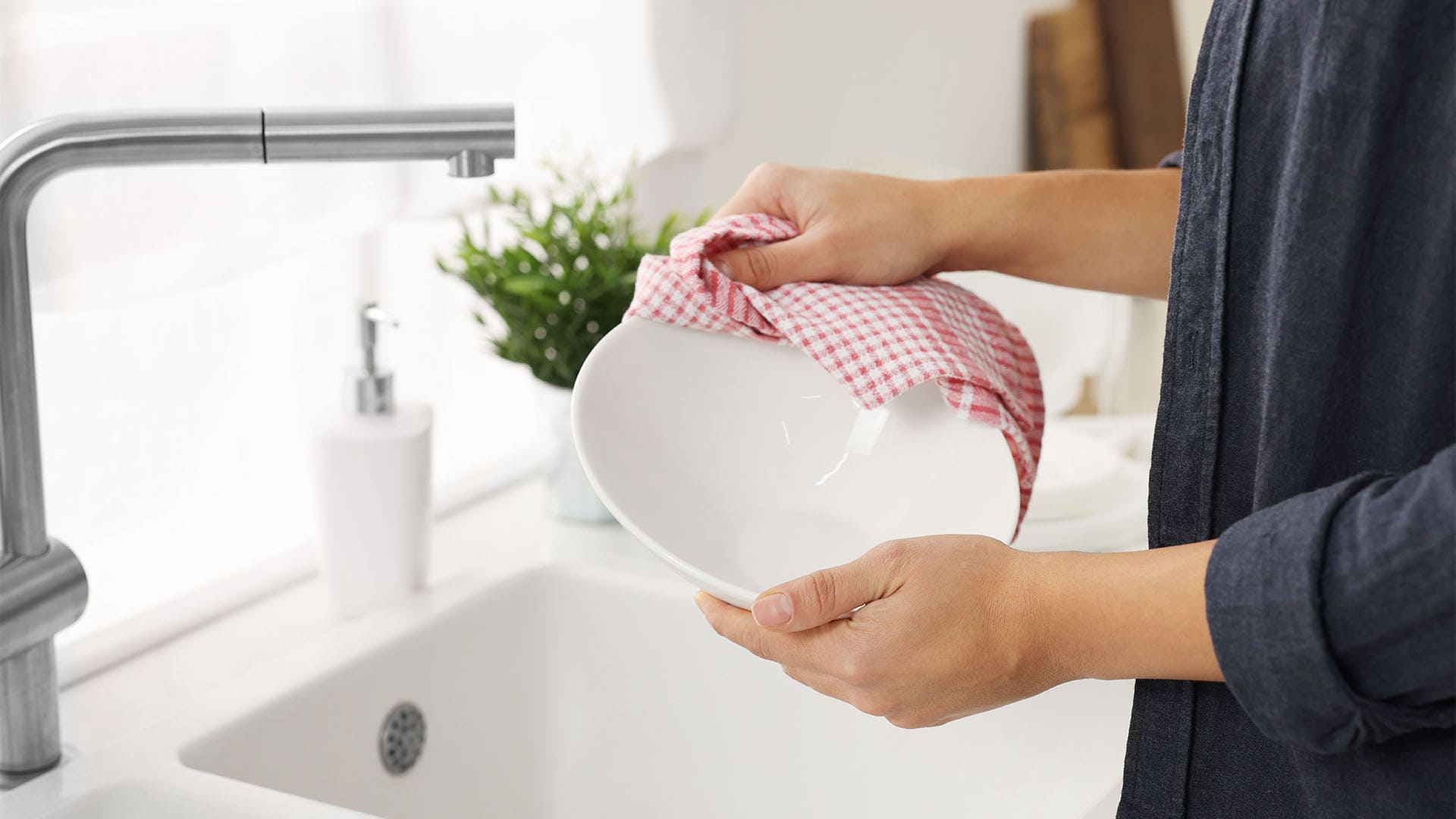
It is common to use a single towel for drying dishes, wiping spills, and drying hands. This practice spreads germs between surfaces and foods. A University of Arizona study found that nearly 90 percent of kitchen towels tested positive for coliform bacteria, and more than a quarter of them carried E. coli as well.
Towels should be laundered frequently and reserved for one purpose at a time. Because towels are constantly damp, they provide an ideal surface for bacteria to linger. Assigning different colored towels for separate uses can help families avoid accidental cross-contamination.
3. Forgetting to Wash the Can Opener
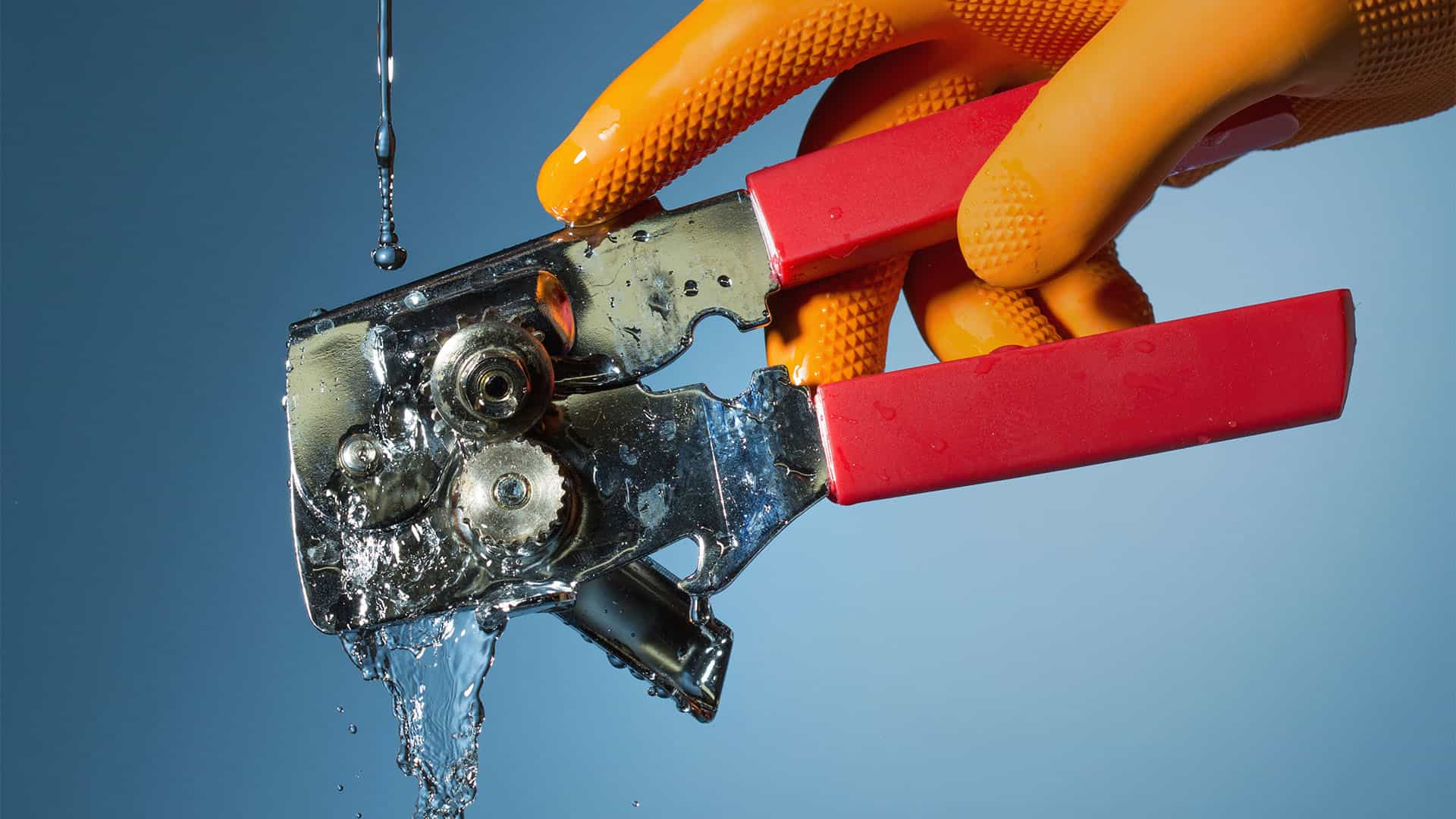
The blade of a can opener comes into direct contact with food. Without regular cleaning, residue builds up and harbors bacteria. The USDA includes can openers on its list of frequently overlooked tools that should be washed with hot, soapy water after each use. Over time, sticky food remnants can also create unpleasant odors and dull the blade. Cleaning it thoroughly not only protects health but also helps the tool last longer.
4. Letting Food Sit Out Too Long

Leaving food out after cooking allows bacteria to multiply quickly. According to the USDA, pathogens such as Salmonella and E. coli double every 20 minutes at room temperature.
One of the most common causes of foodborne illness is improper cooling of cooked foods. Bacteria can be reintroduced to food after it is safely cooked. For this reason leftovers must be put in shallow containers for quick cooling and refrigerated at 40 °F or below within two hours.
The danger zone is between 40°F and 140°F, where bacteria thrive most rapidly. Never leave food out of refrigeration over 2 hours. If the temperature is above 90 °F, food should not be left out more than 1 hour.
Even if food looks and smells fine, it can still harbor unsafe levels of bacteria after being left out too long.
5. Rinsing Raw Meat in the Sink
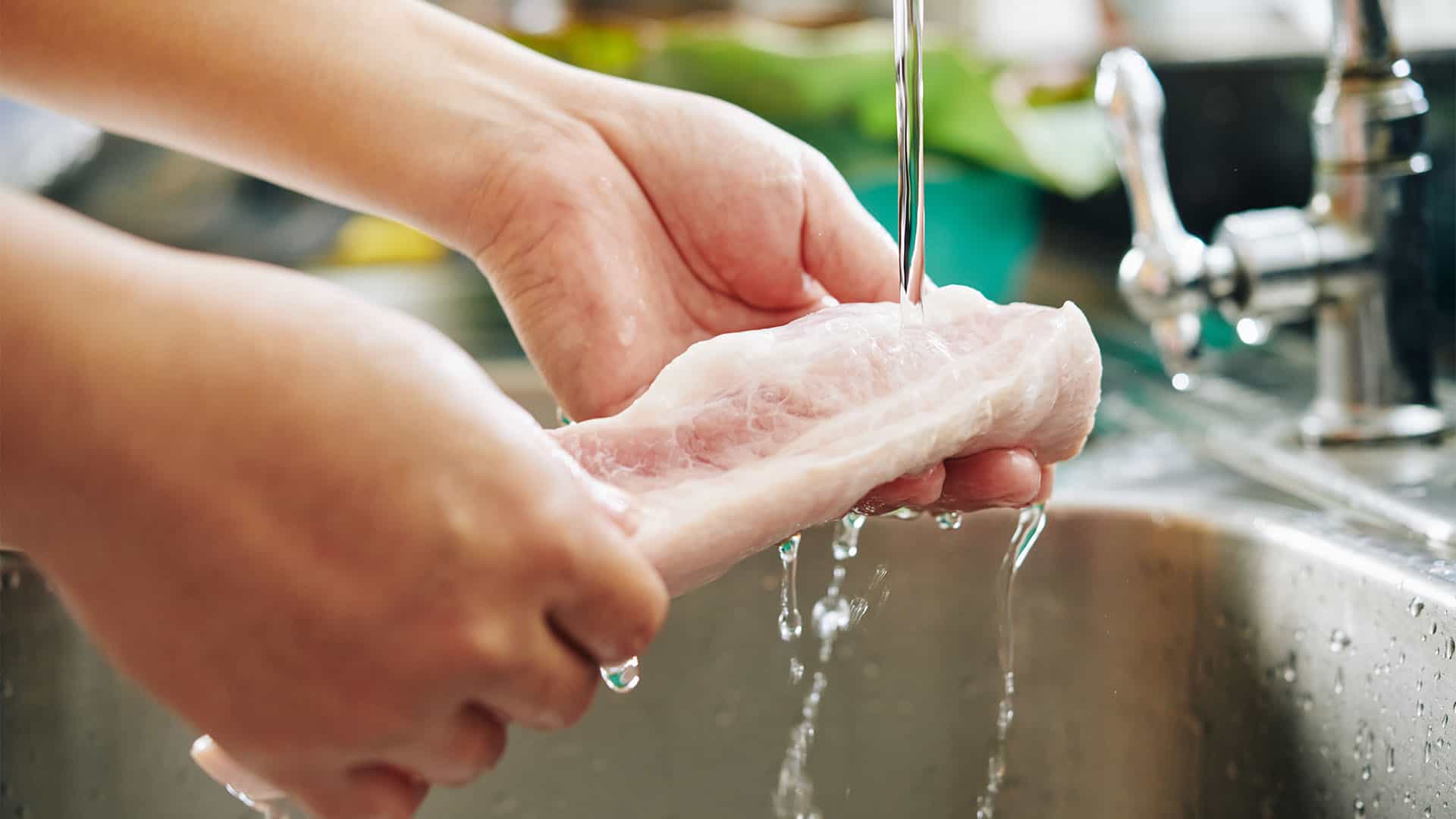
Rinsing raw meat does not remove bacteria. Instead, it spreads germs through tiny water droplets that can travel up to two feet from the sink. The CDC and USDA both strongly advise against rinsing raw chicken or beef, explaining that proper cooking is what eliminates bacteria such as Salmonella and Campylobacter.
Once contaminated water splashes onto nearby counters or utensils, it is difficult to clean every surface it may have touched. Many chefs skip this entirely, focusing instead on careful cooking temperatures and good handwashing practices.
6. Ignoring Bacteria on Produce Skins

Even produce with inedible skins, such as avocados or cantaloupes, can carry bacteria. The FDA found Listeria on 17 percent of the tested avocado skins and Salmonella on some as well. Knives drag these pathogens from the rind into the edible flesh.
Melons have been linked to multiple Salmonella outbreaks in the United States. Washing under running water takes just a few seconds and can prevent illness. Brushing firm produce, such as melons or cucumbers, with a clean produce brush is an extra step that can further reduce risk.
7. Leaving Cutting Boards Damp
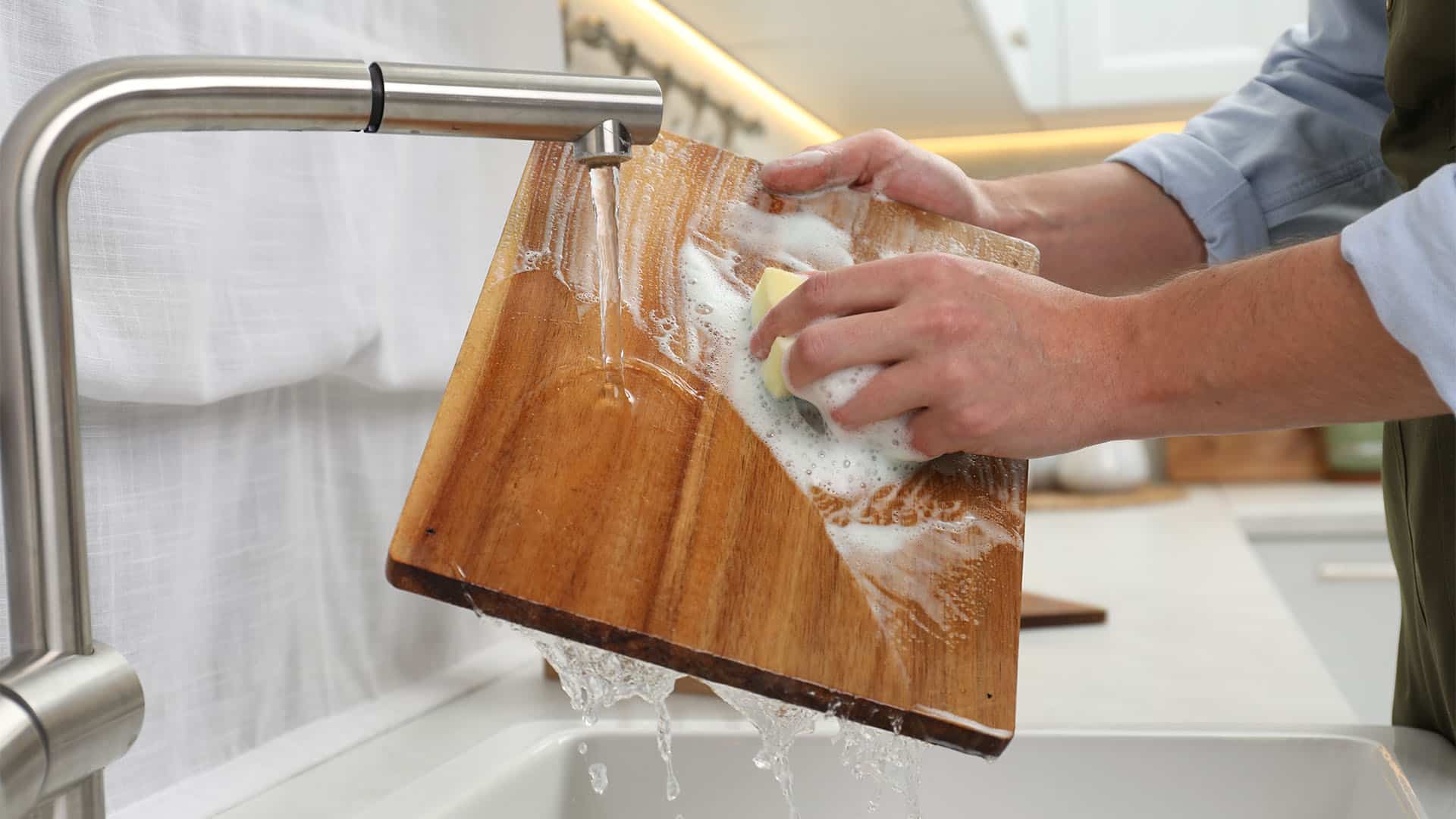
Cutting boards develop grooves over time where bacteria hide. If a board is not dried thoroughly, moisture provides the ideal environment for growth. The USDA recommends washing them with hot, soapy water after each use; then rinse with clear water and air dry or pat dry with clean paper towels. Nonporous acrylic, plastic, or glass boards and solid wood boards can be washed in a dishwasher (laminated boards may crack and split).
Wooden boards in particular can warp or crack if left damp, which worsens the problem. Rotating cutting boards so one can dry fully before being reused is a simple solution many households overlook.
8. Not Properly Cleaning Reusable Bottles and Mugs
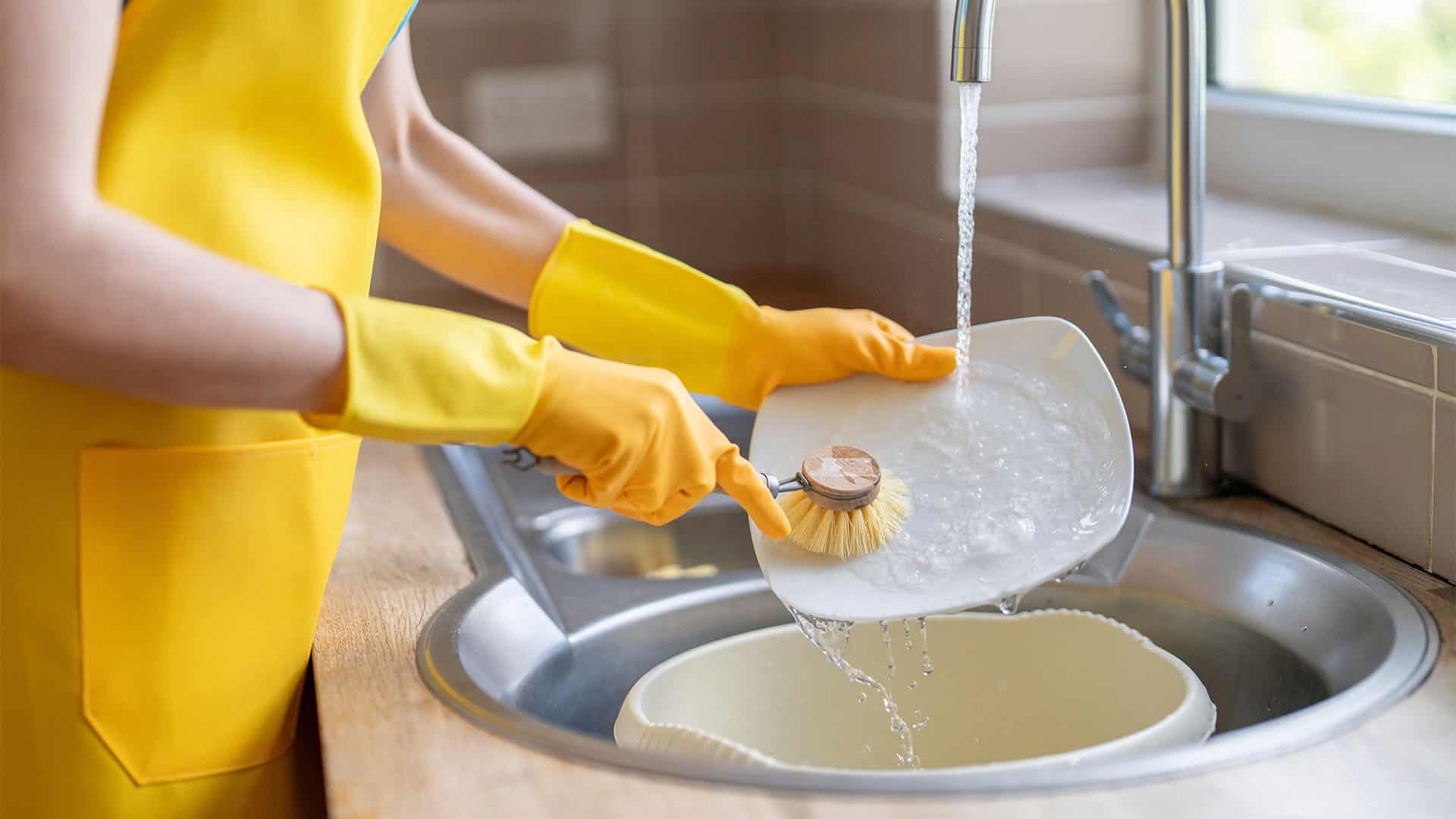
Reusable bottles and mugs are eco-friendly, but their rubber seals, straws, and lids are often neglected. Studies have found high levels of bacteria, including coliforms, in inadequately cleaned bottles. Experts recommend a thorough disassembly and cleaning with soap and small brushes to reach all hidden areas.
Residue from coffee, juice, or sugary drinks makes these containers even more prone to bacteria buildup. Taking the time to clean them properly also prevents unpleasant smells and tastes from developing.
9. Using the Same Cutting Board for Meat and Produce
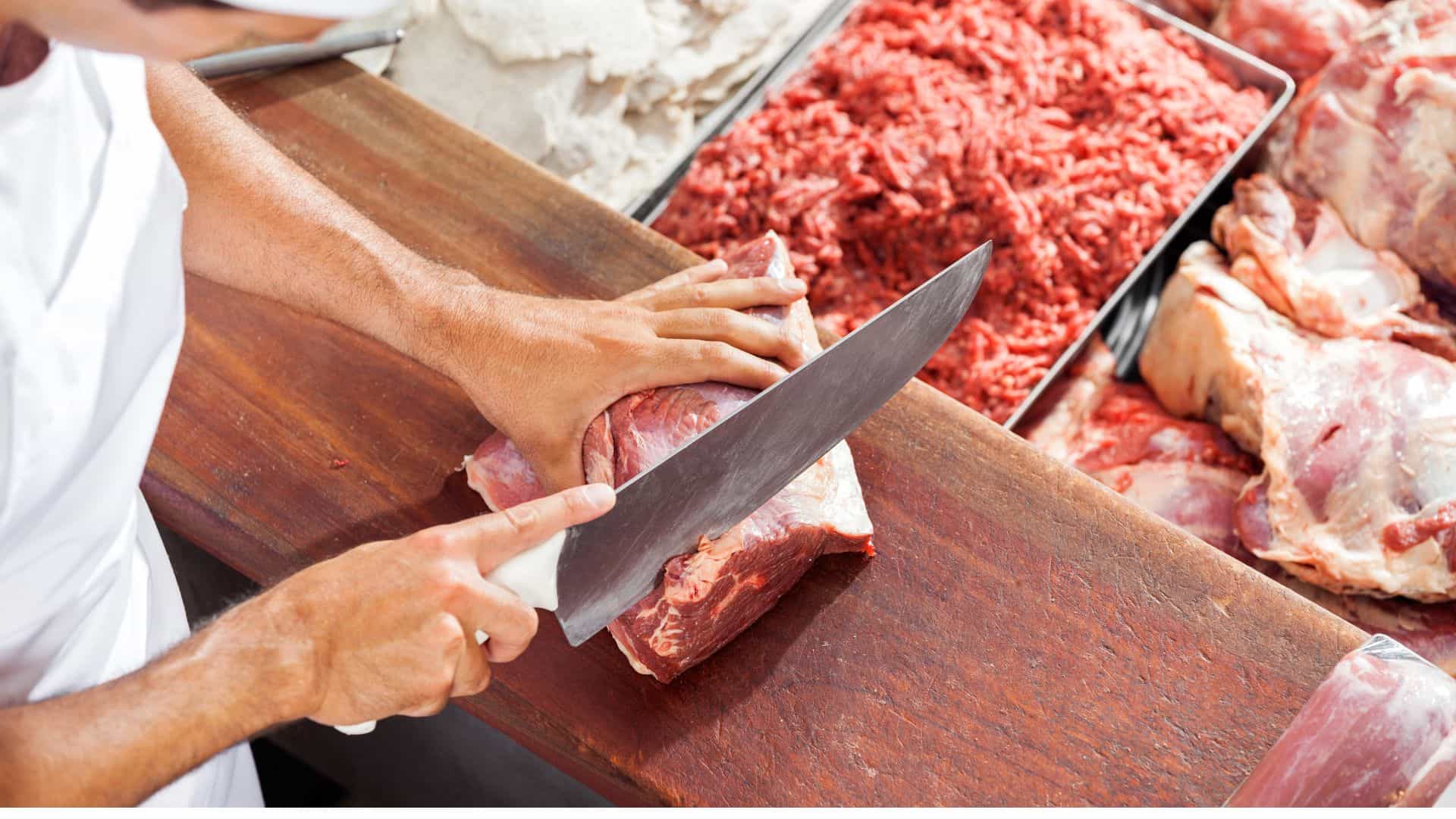
Even after washing, small grooves in cutting boards may retain bacteria. Using one board for both raw meat and fresh produce significantly increases the risk of cross-contamination. Food safety guidelines universally recommend separate boards, one for raw proteins and one for produce.
Color-coded boards make it easy to keep them apart and prevent mistakes. Investing in more than one board is a small cost compared to the potential consequences of foodborne illness.
10. Using the Same Spoon for Stirring and Tasting

A quick taste test is part of cooking, but putting the same spoon back into the pot introduces oral bacteria into shared food. Saliva contains microbes that should not mix with a communal dish. The USDA recommends always using a clean spoon for tasting and never double-dipping.
It may seem like an extra step, but in households with children, older adults, or individuals with a weakened immune system, this habit can make a significant difference. Keeping a small bowl of tasting spoons nearby is a simple and practical fix.
Conclusion

A clean kitchen is not only about appearances. The hidden habits described here show how easily bacteria can spread without obvious warning signs. Pathogens multiply in conditions that look safe to the naked eye, and preventing their growth requires awareness of the smallest details. By replacing sponges, refrigerating food promptly, and paying attention to overlooked tools like can openers and spoons, you can significantly reduce risks. These subtle adjustments require little effort but deliver peace of mind, ensuring that a kitchen is not only tidy but also truly safe.
Leave a Reply