
Have you ever gone to the grocery store, picked out fresh fruits and vegetables, brought them home, and then watched them spoil before you could eat them? You are not alone. According to the USDA, food waste accounts for 30–40% of the food supply in the United States, and a significant portion of that begins with poor choices we make when buying produce.
Buying too much without a plan

People often grab more produce than they need when they shop, and then they end up throwing a lot of it away. If you’re unsure when you’ll eat something, it might be better not to buy it right away.
Make a meal plan for the week before you shop so you know what you need and what will just go to waste in the fridge. It’s also a good idea to check what you already have at home before buying more produce.
Misunderstanding use-by dates
Many of us see “best if used by/before” dates on food, and believe that once that date has passed, the food is no longer safe to eat. However, it’s important to note that these dates are intended to inform customers when the food will taste best.
Many times, food is still good even after those dates. If you have spinach that’s just a day or two past its date, it’s often still perfectly fine to eat. Trust your senses; if it looks, smells, or feels off, then it’s safer to toss it out.
Not storing produce properly at home
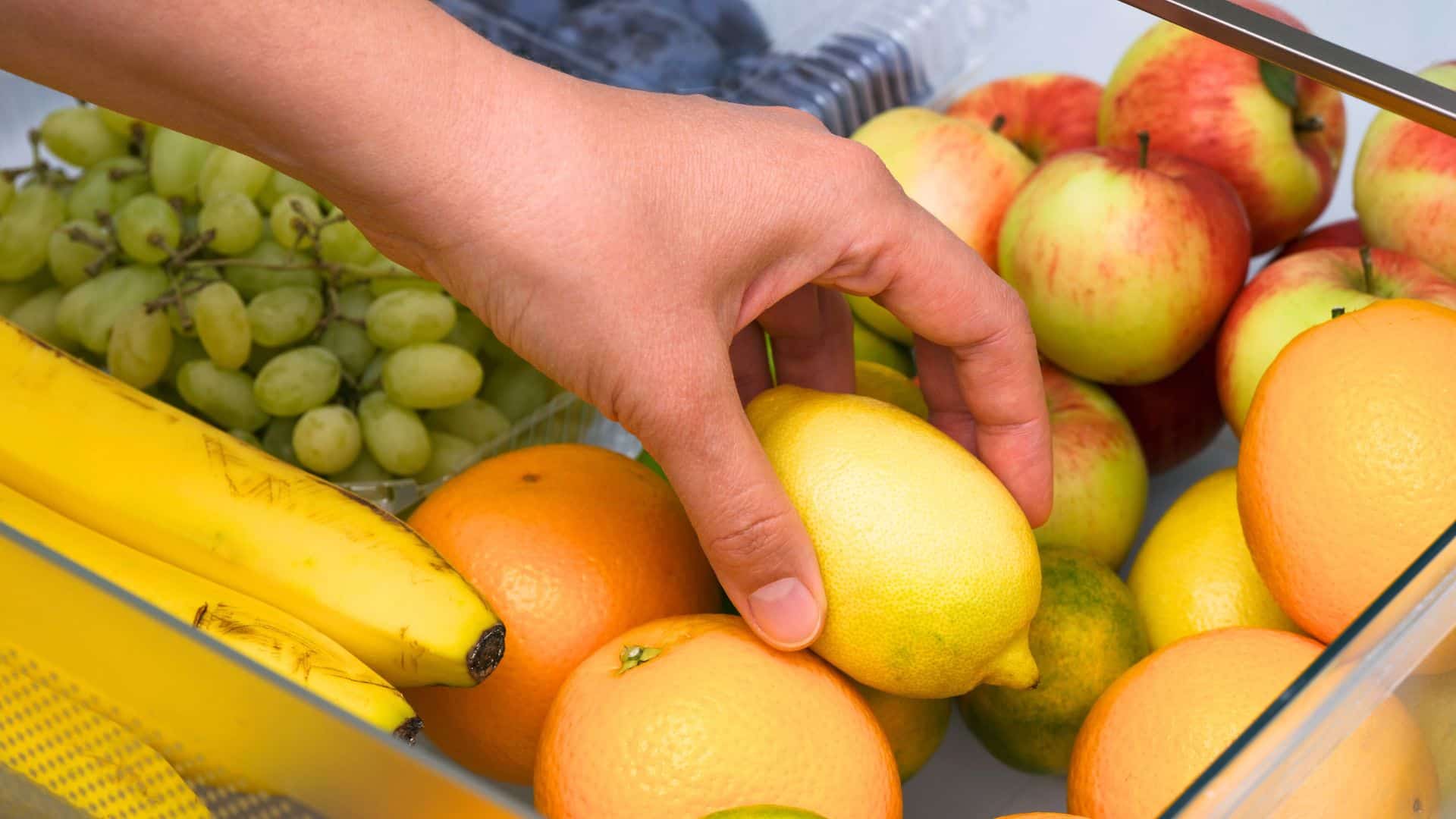
Many people bring home fruits and vegetables and just put everything into their fridge's crisper drawer. However, that might not be the best approach. Some fruits and vegetables, like apples, avocados, and tomatoes, release a gas called ethylene, which can cause nearby produce to spoil faster.
According to the USDA’s food storage guidance, ethylene-producing fruits should be stored separately from vegetables or other fruits. Additionally, bananas, onions, sweet potatoes, and potatoes should not be kept in the fridge at all.
Washing produce the moment you get home
It might seem like a good idea to wash your fruits and vegetables as soon as you get them home, but doing so can actually spoil them quickly. When you wash produce and leave it wet, it can lead to mold growing more quickly.
It is recommended to wash fruits and vegetables under running water just before eating, cutting, or cooking them, not as soon as you unpack your groceries. If you’ve already washed them, make sure to dry them well before putting them in the fridge to keep them fresh longer.
Ignoring frozen produce
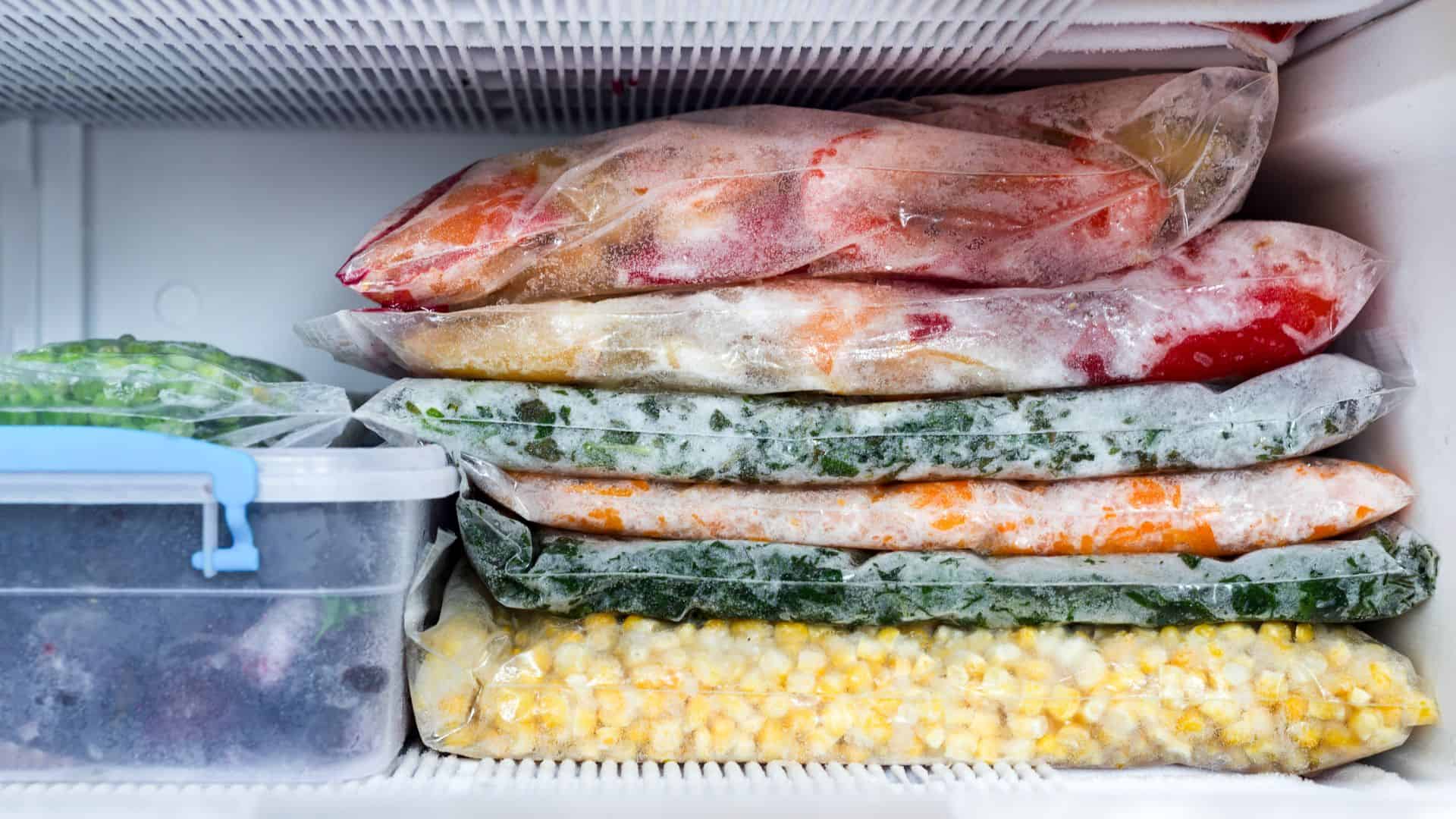
Many people think that frozen produce is not as fresh as fresh produce. While it's minimally processed, frozen produce is as good as fresh. Frozen fruits and veggies are usually picked at peak ripeness and quickly frozen, which helps preserve the vitamins and nutrients that fresh produce can lose during shipping and storage.
Frozen items also last longer and can help reduce waste since they don’t spoil as quickly as fresh ones. So, if you’re buying strawberries in the winter and they’ve traveled a long way, choosing the frozen option might actually be a smarter choice!
Throwing away parts that are perfectly fine to eat
A lot of people toss away parts of vegetables without knowing they can actually be eaten. For example, we often throw out the broccoli stems and use only the flower tops. However, if you peel the stems a little, they taste great too! You can also use the leftover pieces to make a healthy broth, which helps reduce food waste without changing your eating habits or buying anything new.
Buying produce that’s not ripe enough or too ripe
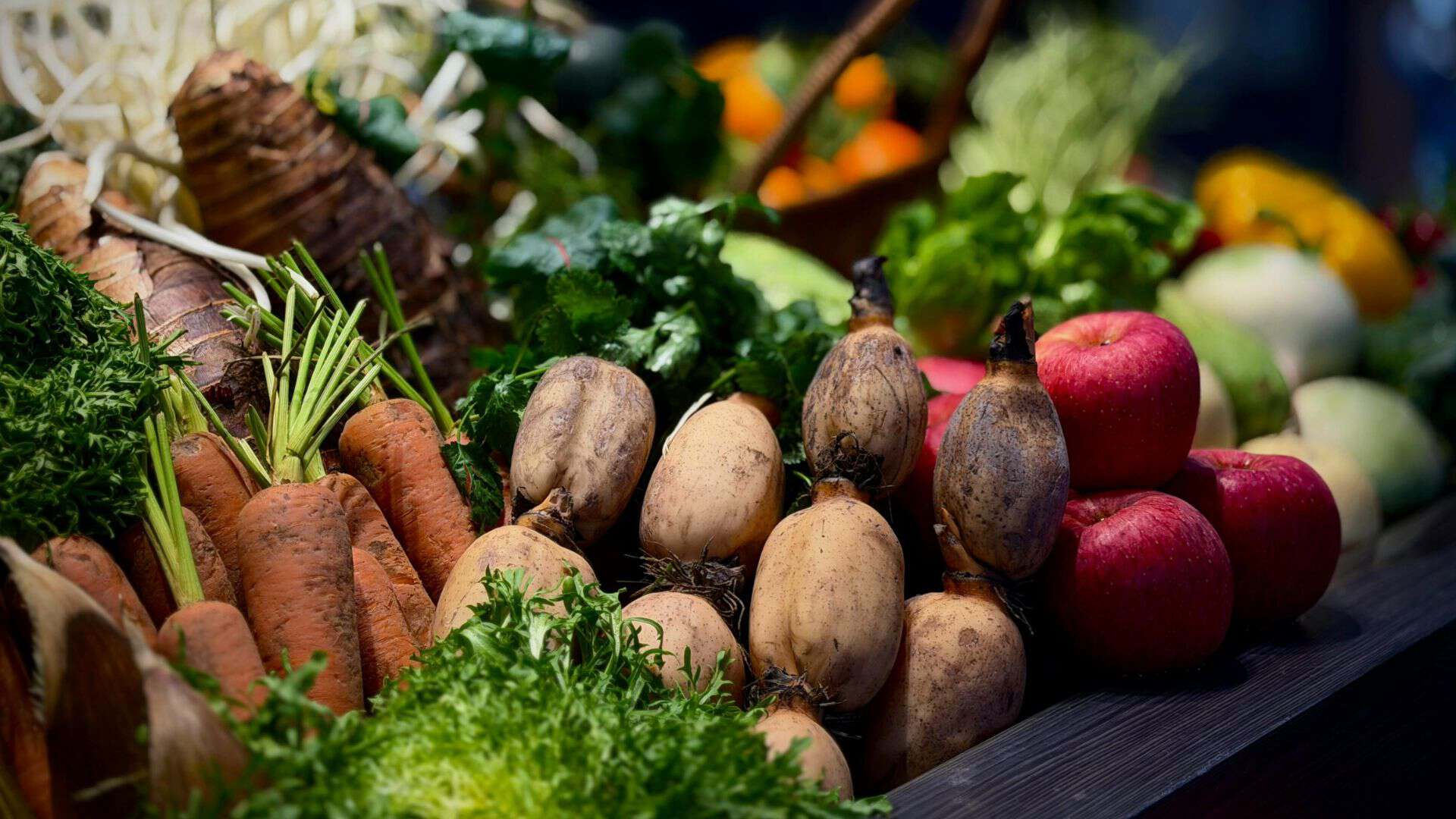
When you buy fruits and vegetables, it’s important to consider how ripe they are and when you plan to eat them. For instance, if you buy ripe avocados but don’t plan to use them for a few days, they might spoil before you eat them.
On the other hand, if you buy hard, underripe peaches thinking you’ll use them the next day, they probably won’t be ready in time. To avoid wasting food, choose fruits and veggies based on their ripeness, keeping your meal plans in mind.
Ultimately, exercising mindfulness in our purchasing decisions can significantly mitigate food waste. Take a moment to check for spoilage, keep produce dry until you are ready to eat it, and think about how much you really need to buy. It may take a little extra effort at first, but it is worth it when you can enjoy everything you purchase.
Leave a Reply