
AI has quietly become part of everyday routines, and meal planning is one area where it can be surprisingly useful. Organizing weekly dinners to support dietary goals can take on a lot of the behind-the-scenes work that often slows people down.
But there is a clear line between where AI helps and where it still falls short. Knowing how to use it well and where to stop relying on it makes all the difference.
Where AI actually helps
One of the strongest uses for AI in meal planning is structure. It can take a scattered idea of “what should we eat this week” and turn it into something organized and usable. That might mean mapping out five dinners that fit a schedule, or building a plan around specific goals like eating more protein or cutting back on added sugar.
It is especially helpful for people tracking macros or following a specific way of eating. AI can quickly suggest meal combinations that align with calorie targets, protein goals, or dietary needs such as dairy-free or vegetarian. It saves time that would otherwise be spent piecing together meals one by one.
Another area where it works well is personalization. You can give it a list of foods you like or even your budget, and it can shape a plan around that. Instead of starting from scratch, you get a starting point that already fits your preferences.
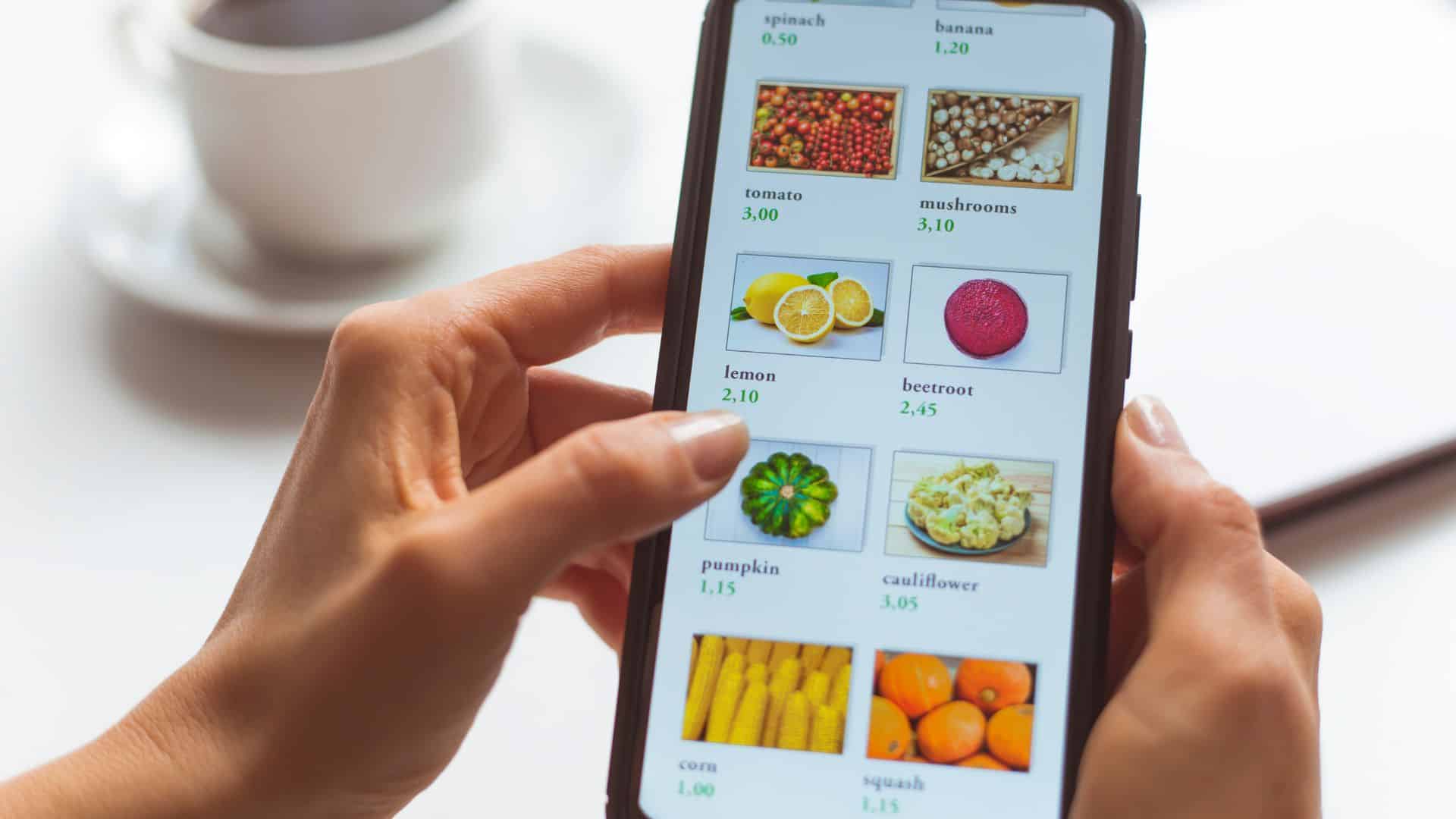
AI also does a solid job with grocery planning. Once meals are mapped out, they can be turned into a shopping list in seconds. That alone can remove one of the more tedious parts of meal prep. It helps reduce overbuying and makes it easier to stick to a plan.
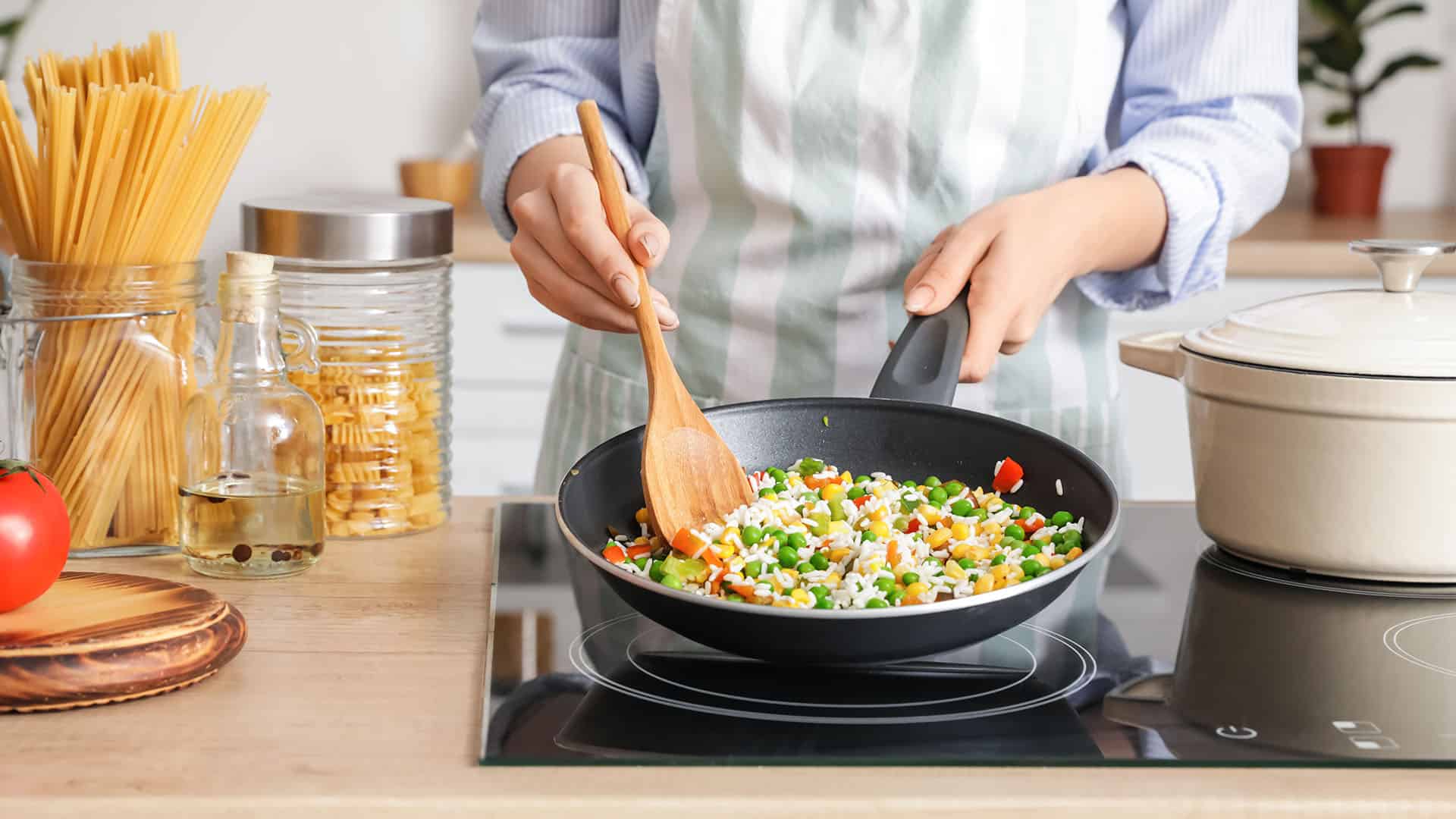
Then there is idea generation. This is where AI feels the most natural to use. If you are staring at a fridge with random ingredients, it can suggest ways to combine them. Leftover chicken and leftover rice can turn into a few different meals with little effort. It does not replace creativity, but it helps spark it.
Where AI starts to fall short
For all of its strengths, AI has clear limits, especially once you move from planning to actual cooking.
The biggest gap is recipes. AI can generate recipes quickly, but speed does not equal accuracy. Measurements can be off, cooking times can be unrealistic, and steps may not line up with how food actually behaves in a kitchen. Baking is even more sensitive, where small errors can completely change the outcome.
That is because AI does not cook. It does not test recipes or learn from trial-and-error in a real kitchen. It draws on patterns in text, not on experience. That difference shows up quickly when you try to follow an untested recipe.
There is also the issue of detail. A good recipe often includes small but important tips and ideas. Things like how something should look when it is done, how a sauce should thicken, or when to adjust heat. AI-generated instructions can miss those signals, making them harder to trust, especially for someone who is inexperienced.
Another limitation is food safety. While AI can provide general guidance, it is not always reliable when it comes to safe cooking temperatures or handling raw ingredients. Those are areas where accuracy matters, and it is better to rely on established sources.
There is also a tendency to trust everything at face value. AI can sound confident even when it is wrong. Taking a moment to double-check anything that feels off, especially with cooking times or ingredient amounts, can prevent frustration later.

Use it as an assistant
The most effective way to use AI for meal planning is to treat it like an assistant, not an authority.
It works best at the planning stage. It can organize ideas and help build a system that fits your routine. It can take a vague goal and turn it into something actionable.
Once you move into cooking, the role should shift. That is where real recipes and experienced voices come in.
There is also value in keeping a feedback loop. If a meal works well, you can feed that back into your planning process. If something does not, you adjust. AI can support that process, but it cannot replace the judgment that comes from actually cooking and eating the results.

A practical way to use it
A simple approach is to use AI in layers. Start with broad planning. Ask for a few dinner ideas that fit your week and your preferences. Let it build a loose framework.
Then refine. Adjust meals based on what you already have or what you actually feel like eating. Use AI again if you need help reshaping the plan.
From there, switch tools. Find real recipes for the meals you chose. Follow those for cooking, while using your plan as the guide.
Finally, review at the end of the week. Take note of what worked and what you would repeat. That feedback makes the next round of planning easier and more accurate.
The takeaway
AI can take a lot of the friction out of meal planning. It helps organize ideas and simplify grocery prep. Used well, it saves time and reduces decision fatigue.
But it is not a replacement for real cooking knowledge. Recipes still need to come from people who test them and understand how food actually works.
Start by taking stock of the places you already trust. This includes your favorite food blogs, cookbooks, YouTube channels, TikTok creators, or even friends and family members whose cooking you rely on. Think of it as combining human-tested wisdom with AI efficiency, a mix that gives you both reliability and creativity in your kitchen.
Leave a Reply