
In a moment that was meant to spotlight a new menu item, the conversation shifted to something else entirely. A routine promotional clip featuring CEO Chris Kempczinski sparked a wave of online commentary, turning a single bite into a widely dissected moment across social media.
That attention didn’t fade after the initial clip. Instead, it carried over into a broader discussion about branding and how companies present themselves in an era where even the smallest details can be replayed, critiqued, and reshaped by millions of viewers.
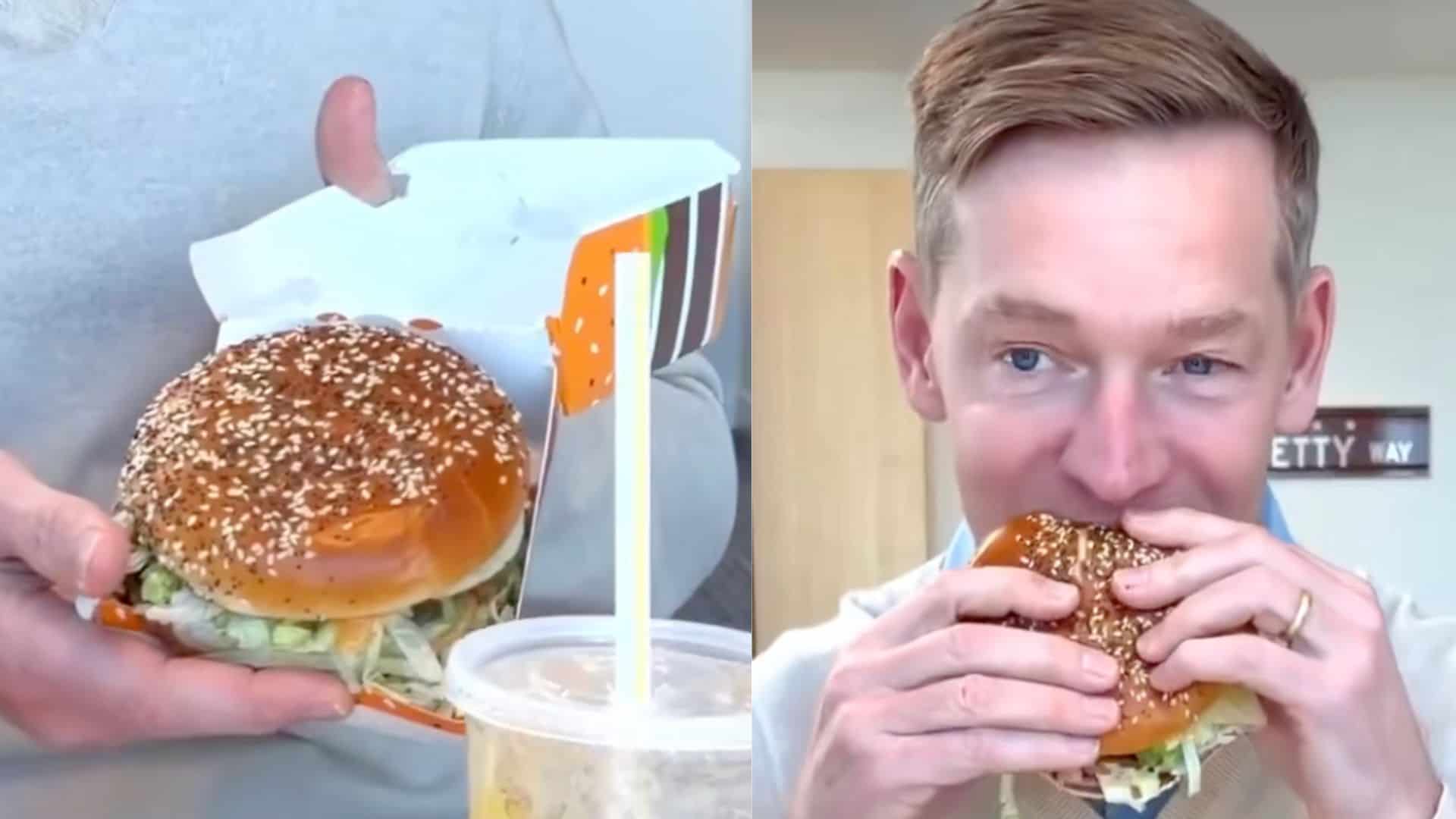
The viral moment
The now-viral video shows Kempczinski talking about the Big Arch burger and taking a bite. Immediately, viewers began picking it apart. Some focused on how he held the burger, others on the size of the bite, and many zeroed in on his repeated use of the word "product," which gave the moment a more corporate feel than audiences expected.
Clips and screenshots circulated quickly, with commentary ranging from light teasing to sharper criticism. The video spread beyond its original audience, reaching users who may not have been following the launch at all but were drawn in by the reactions.
Other brands didn’t stay quiet. The Costco CEO joined in on the fun, as did several other fast-food restaurants and influencers, helping keep it viral for weeks.
McDonald’s CEO Response
During the sit-down at McDonald’s Chicago headquarters, The Wall Street Journal talked to Kempczinski about how the interview shifted from the sandwich to scrutiny.
When asked how he realized the video had gone viral, Kempczinski said it didn’t take long. One of his kids called to tell him he was trending online and "not in a good way." He said he already had a sense that something was happening, but the volume of texts and emails quickly confirmed it.
He took the response in stride. "For me, it was one of those things where it's great people were talking about the Big Arch, and I think that when you go onto social media in general, you have to have a thick skin."
Reflecting on the criticisms, Kempczinski acknowledged them with humor. He made it clear he is not a vegetarian and joked that he ultimately blames his mother for the way the clip came across, saying she taught him to "don't talk with your mouth full."
The exchange added a lighter tone to what had become a widely dissected moment online. It also highlighted a broader reality for brands and executives alike: even the smallest details can take on outsized importance once they reach the internet.
People online - again - had a lot to say
Since every moment of the burger fiasco has been documented and replayed online millions of times, people had even more thoughts about his comments.
One person said, "McDonald’s definitely requested this interview." Another person wrote, "Damage Control at its best but the damage has already been done that cant be undone."
Someone else added humor, saying, "I think he should challenge me to a burger eating contest. Winner becomes new ceo."
Others were kind, saying, "In fairness, this is fairly impressive for this current generation of a.i. and robotics."
And of course, there will always be skeptics. "He's 100% a double agent for Burger King, applying his craft behind enemy lines."

Moments like this highlight how much the landscape has shifted for major brands
A carefully planned launch can quickly take on a life of its own once it reaches the public, especially when audiences are quick to analyze tone, authenticity, and delivery.
It also shows how expectations have changed. Consumers are not just reacting to what companies sell but also to how they talk about it. Language and even small details like a bite can influence how a message is received.
For companies like McDonald’s, the takeaway is less about avoiding criticism and more about understanding the environment in which they operate. Social media rewards moments that feel natural and relatable, while anything that comes across as overly scripted can invite a different kind of attention.
In the end, the Big Arch may still find its place on the menu, but the conversation around it underscores a larger point: in today’s digital landscape, perception can move just as fast as the product itself.
Leave a Reply