
Food safety is always essential, but during hot summer days, it becomes even more critical. Warm temperatures create the perfect conditions for bacteria to grow, so how we store, prepare, and handle our food matters. Luckily, with a few simple guidelines from the CDC, it’s easy to reduce the risk of foodborne illness and keep your meals safe for everyone at home.
Taking Precautions
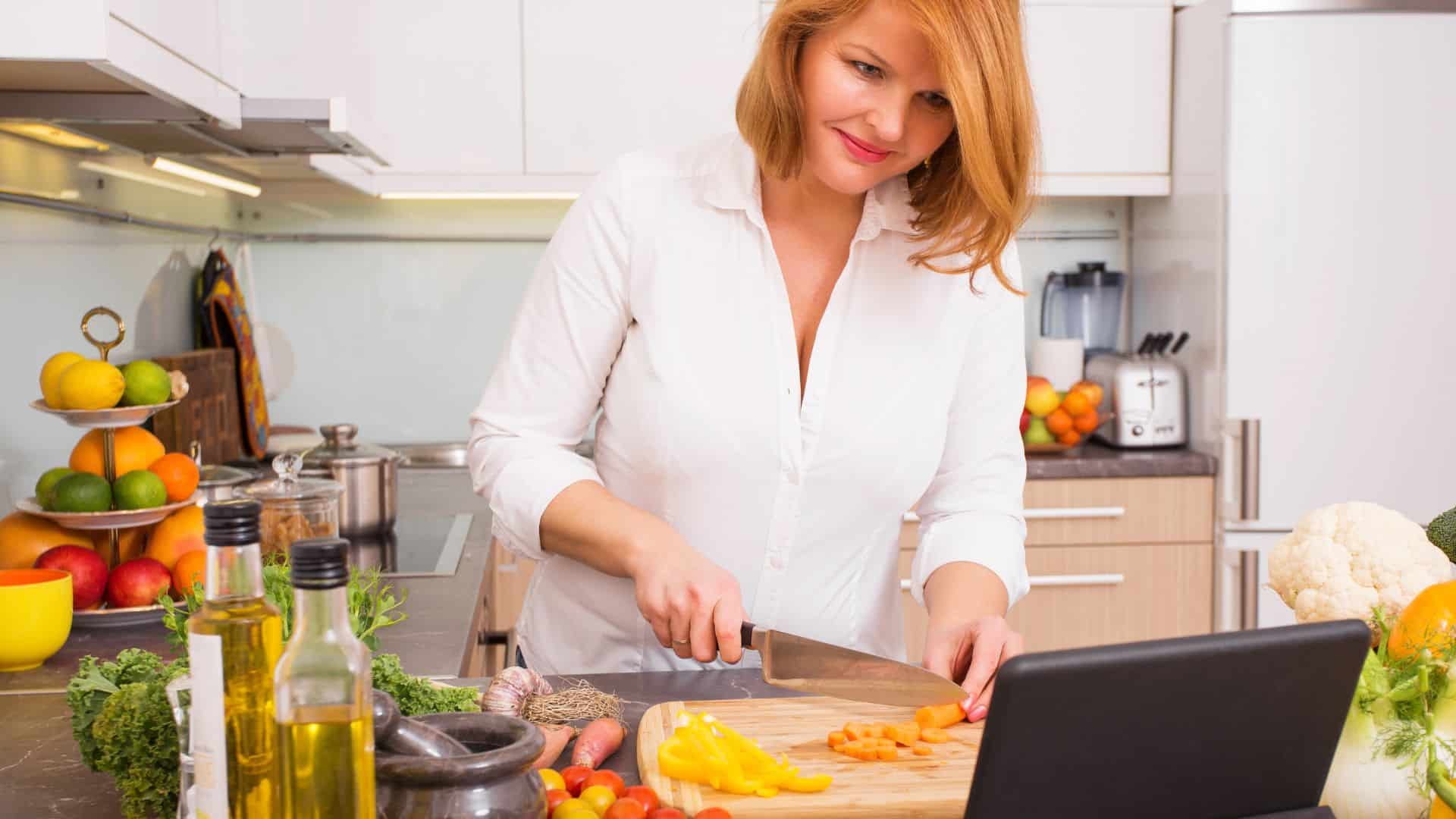
Precaution is the first and most important step in food safety. Being mindful of how food is handled, stored, and transported can make all the difference. On a hot, sunny day, for instance, using cooler bags when bringing groceries home can help to keep your food at a safe temperature. Once home, avoid leaving fresh food sitting out on the counter. Unpack and refrigerate or store items promptly. Always read food labels and follow storage instructions carefully to ensure optimal conditions. These small steps can significantly reduce the risk of foodborne illness and help maintain the quality and safety of your meals.
Not Fully Cooking Your Meat & Poultry
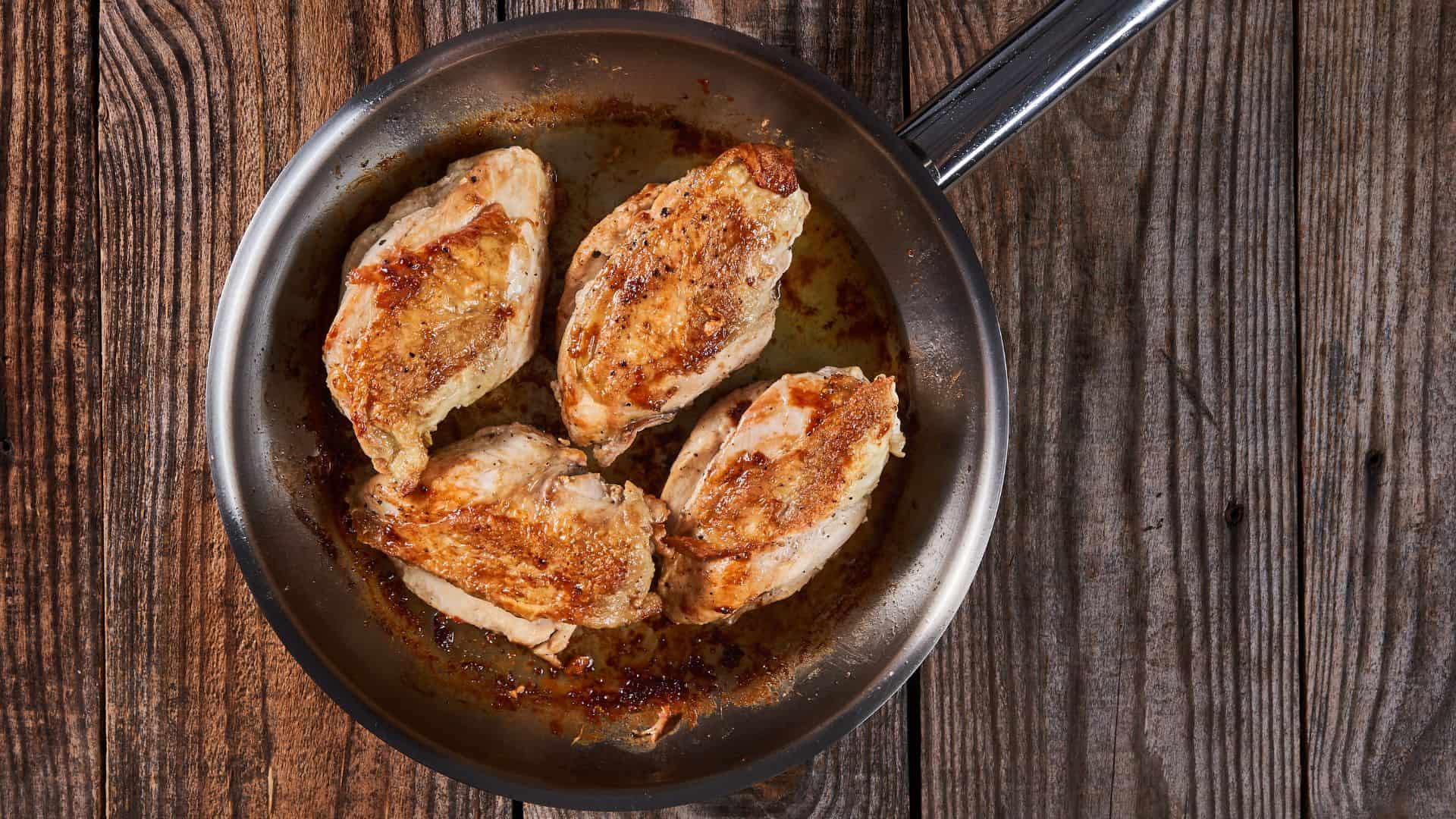
If your meat & poultry aren't cooked thoroughly, it can leave germs and bacteria that may make you sick. You can use a food thermometer to ensure your food has been cooked to the proper temperature and is safe to eat.
Raw Eggs And Uncooked Flour
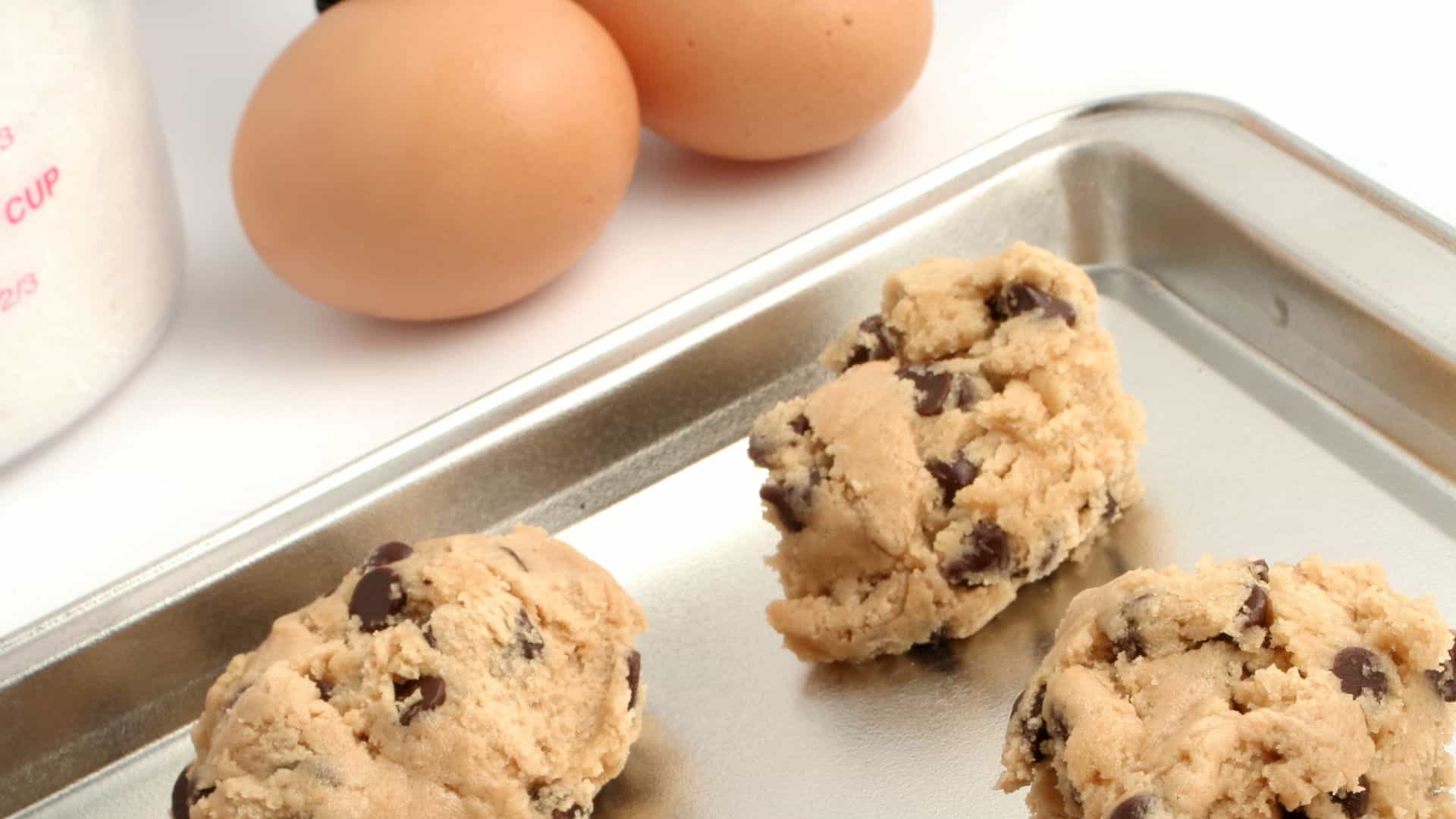
Products that contain raw eggs and uncooked flour (like cookie dough) can have bacteria like Salmonella that cause foodborne illnesses. Do your best to avoid eating foods with raw or runny eggs and certain doughs & batters.
Letting Meat & Poultry Sit Out To Thaw
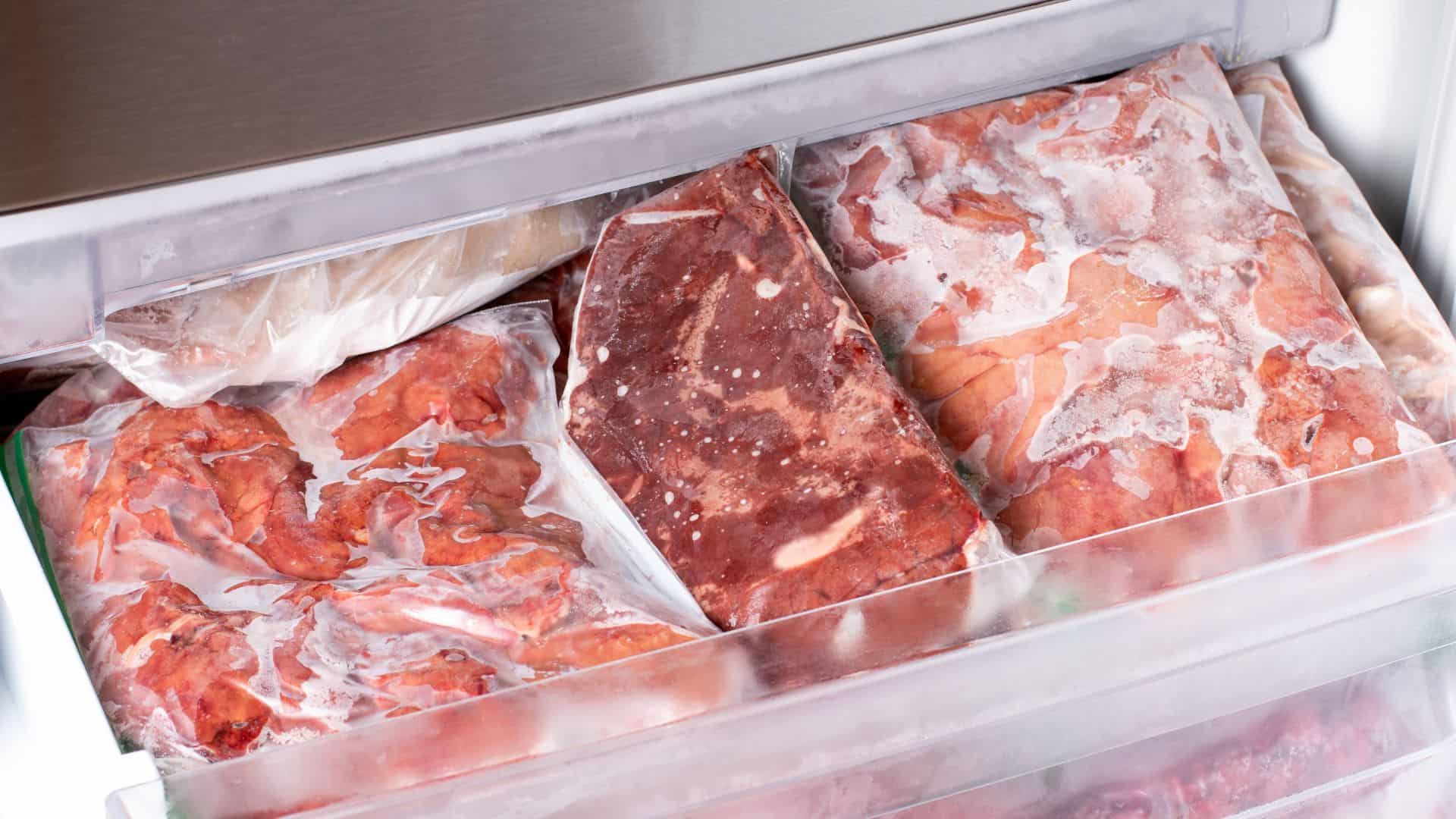
Letting your meat sit at room temperature can breed more bacteria from the meat and cause them to multiply quickly, posing potential health risks if consumed; therefore, it's advisable to allow extra time to thaw your meat in the fridge or cold water to ensure safe food handling practices and prevent the proliferation of harmful bacteria, ultimately safeguarding against foodborne illnesses and promoting a healthier dining experience for you and your guests.
Leaving Food Out Too Long
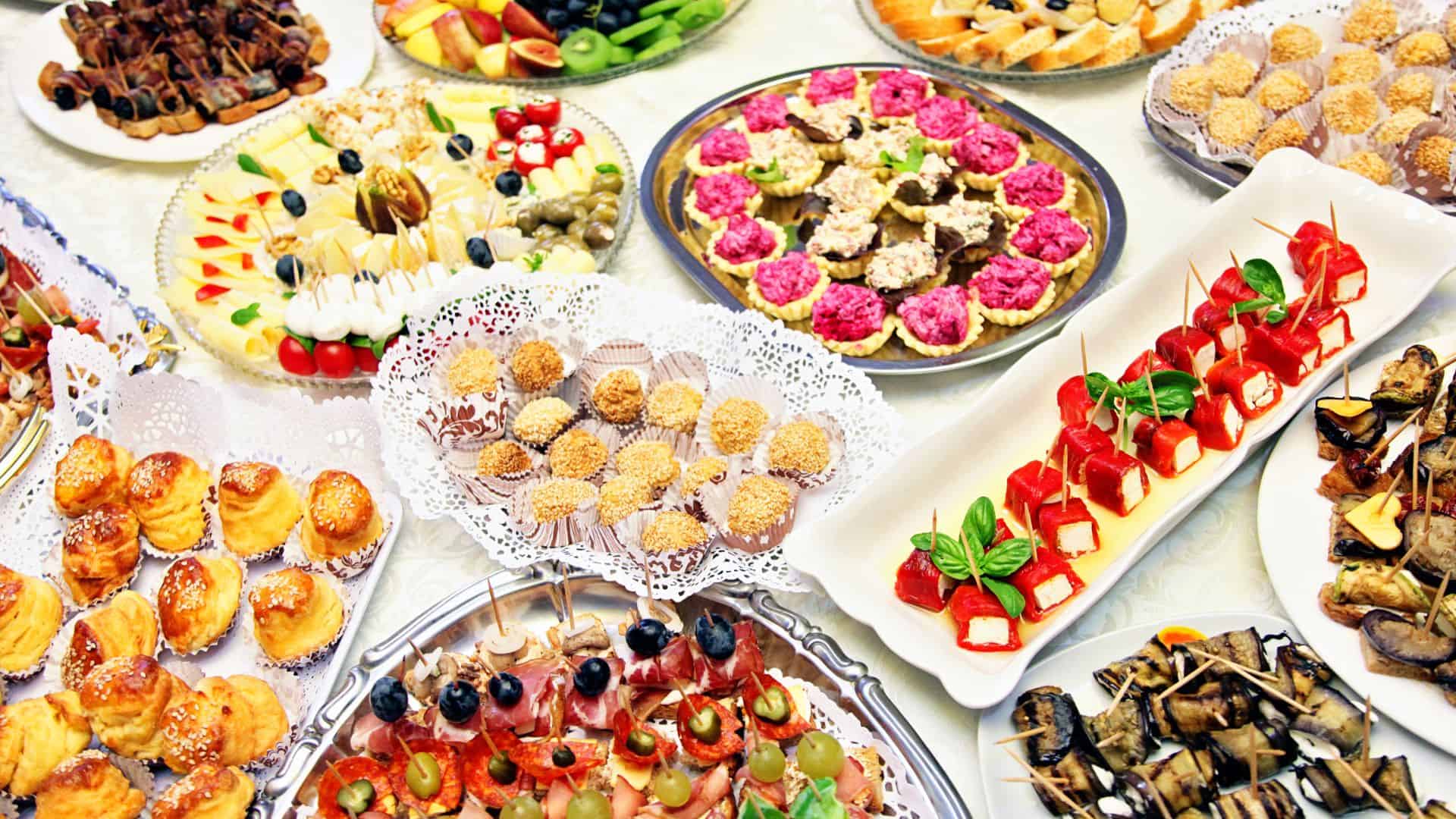
According to the CDC, leaving your food sitting out too long before refrigerating allows harmful germs to grow in perishable foods. Be sure you refrigerate food within two hours to avoid the possibility of dangerous bacteria.
Not Washing Fruits & Vegetables
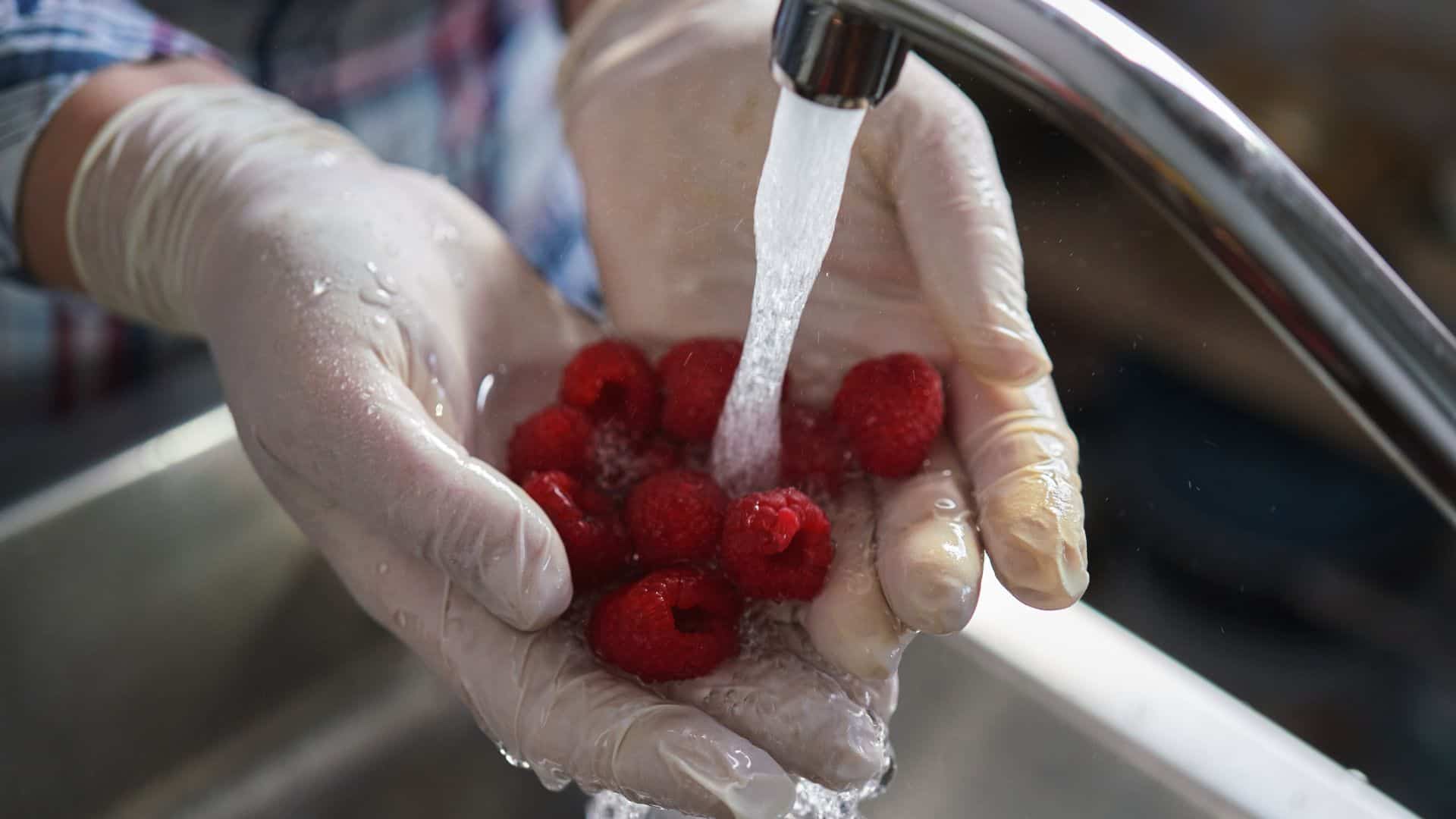
Wash raw fruits and vegetables under running water before peeling, eating, or cooking them to effectively remove surface dirt, germs, and any potential pesticide residue, thus minimizing the risk of ingesting harmful microorganisms or contaminants. It's essential to note that germs can transfer from inside fruits and vegetables when cutting into them, underscoring the importance of thorough washing as a critical step in food safety.
Not Washing Your Hands
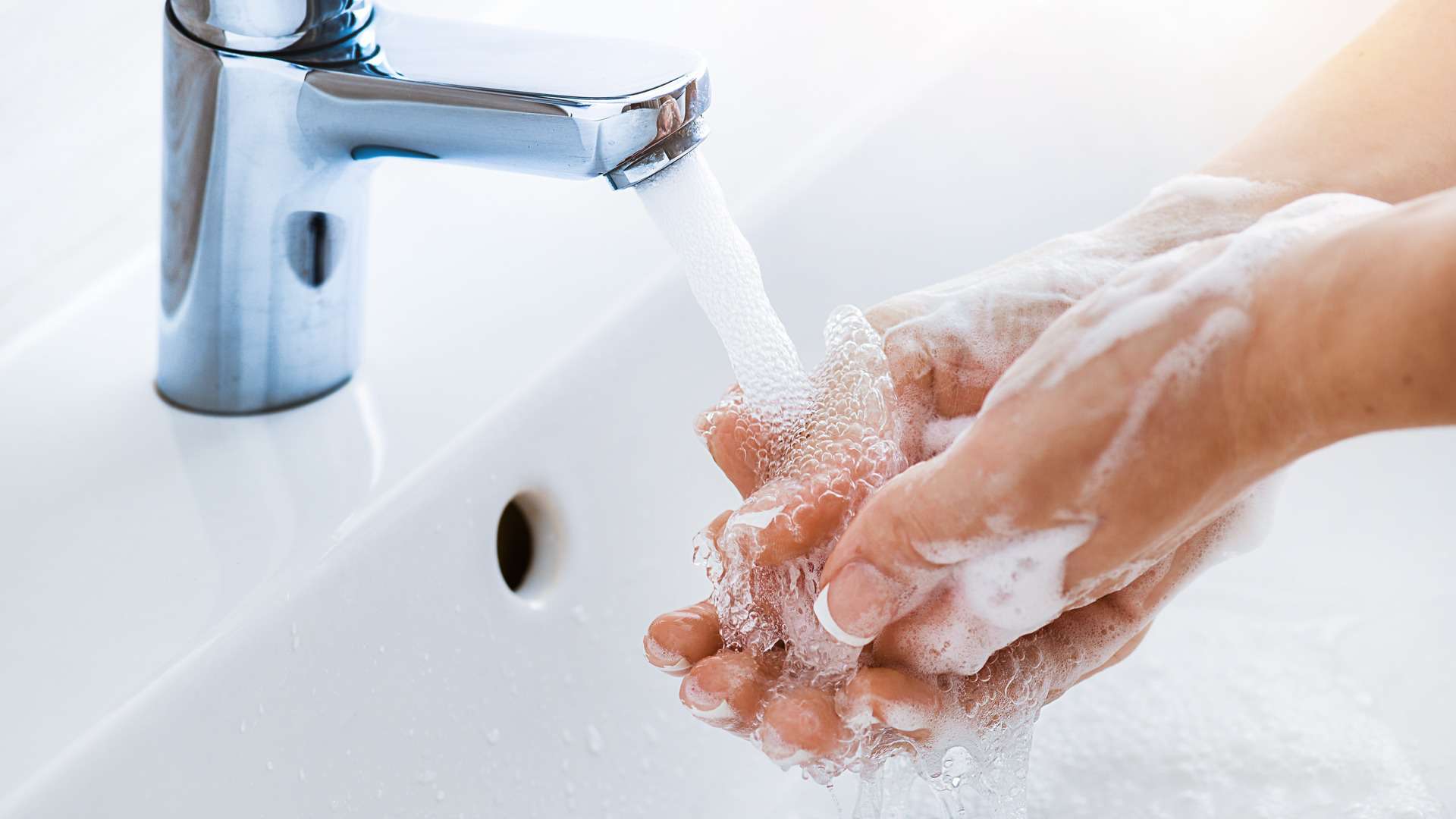
We come into contact with many different things with our hands throughout the day, so washing them before handling the food we eat seems like the right choice. The germs on our hands can transfer to our food, making it unsafe to eat.
Eating Foods That Are Risky For You

If you know you're lactose intolerant, don't suffer later in the day by eating a piece of cheese now. If you're prone to food poisoning, a senior, or have health conditions, be mindful of what you're eating and its effects on your health.
Reusing Dishes

Many people make the common mistake of reusing plates on which they seasoned or thawed their raw meat. Once you've taken raw meat or poultry off a plate, please place it in the sink, dishwasher, or wash it. Make sure you put the cooked meat onto a separate plate.
Taste Testing Food

Taste-testing food is a part of being in the kitchen, but be careful when testing foods and beverages you think might be spoiled so you don't get sick. Likewise, ensure you don't taste-test raw meat until it's cooked.
Washing Meat & Poultry
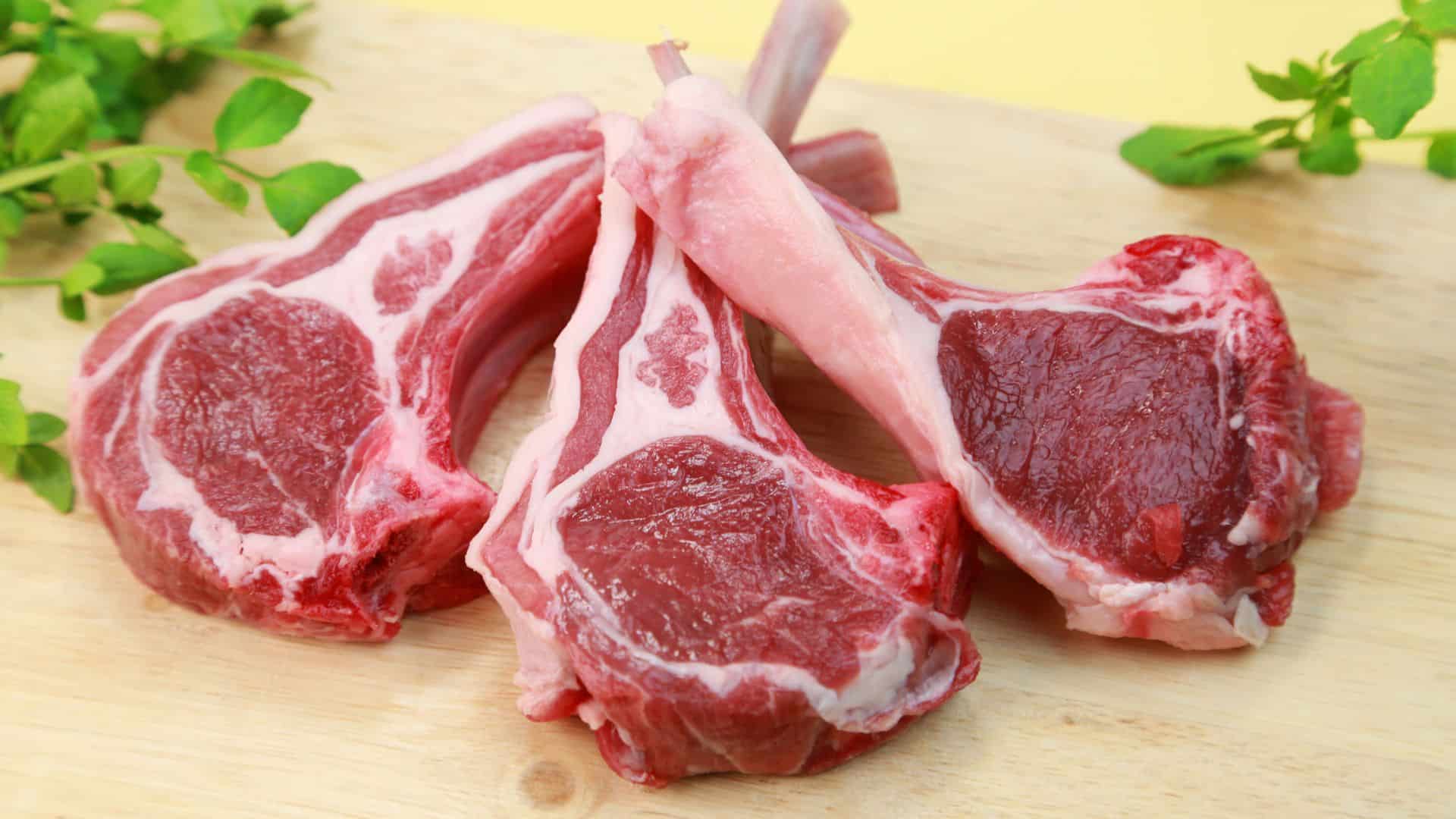
Washing your steak, chicken, and other meat might sound like a good idea before you start cooking, but it can spread germs and bacteria to your countertops, sink, and surrounding area. Handle it as little as possible, allow it to cook any germs away instead of washing it.
Be Mindful of Your Food Safety

A delicate balance must be struck between safety measures and comfort when handling and cooking food. To avoid common mistakes and foodborne illnesses, prioritize hygiene, proper handling, and storage techniques in our kitchens.
This article was inspired by the CDC and was originally published at Spatuladesserts.
Leave a Reply