
Fresh strawberry season is one of the few moments in the year when fruit truly does most of the work for you. The flavor is brighter, and even the aroma feels more noticeable the second you bring them home. It is also a short window, which makes it worth slowing down and getting a little more intentional about how you use them.
Most people default to a few familiar options like strawberry cake or smoothies, which are always reliable. But strawberries are far more flexible than they get credit for. With a few small shifts, they can move easily between sweet and savory, simple and elevated, quick snacks and full meals.

Picking the best ones
Strawberries do not continue to ripen after they are picked, so what you see at the store or market is what you get. That makes selection more important than it might seem.
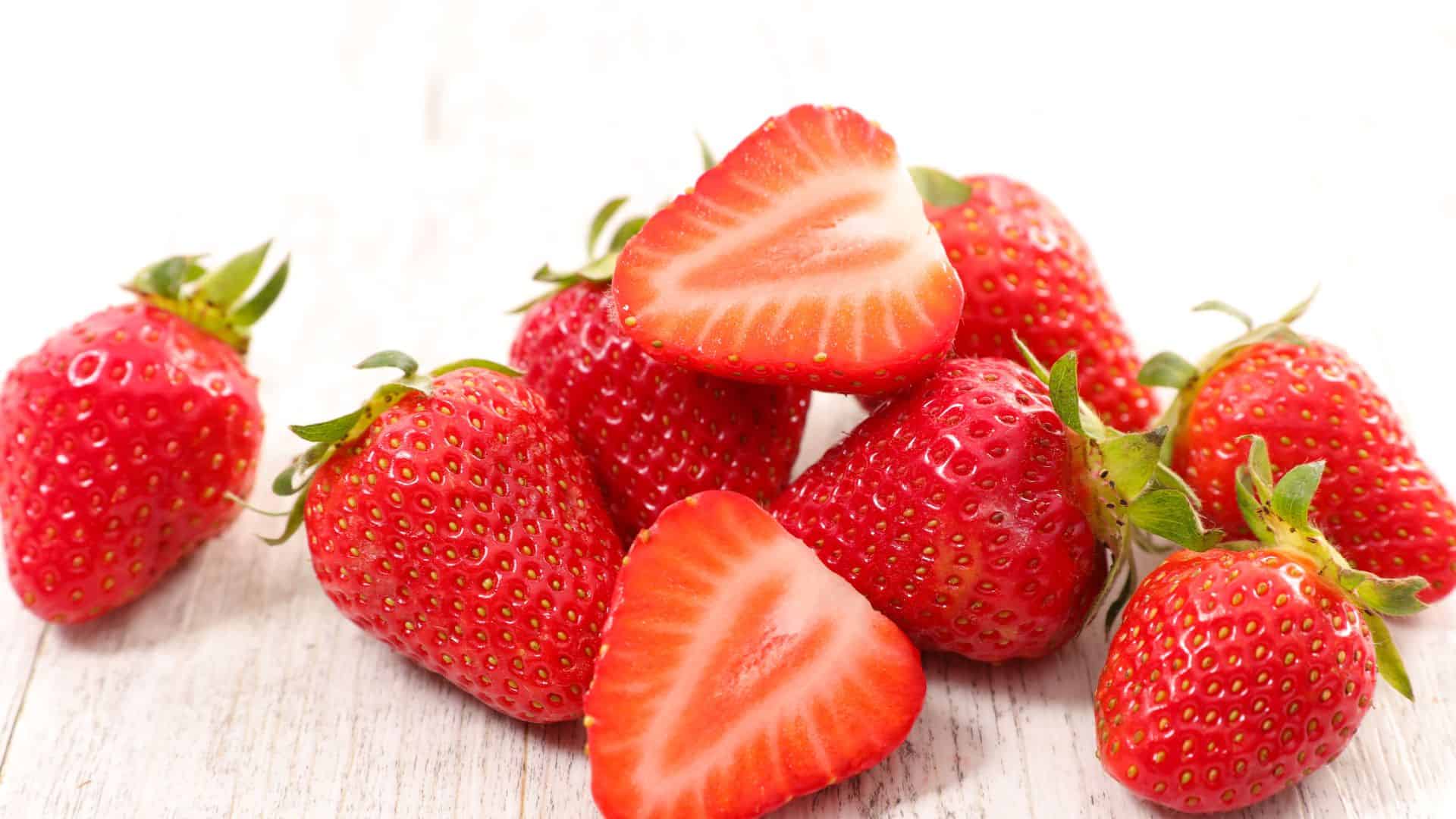
Look for berries that are fully red from top to tip, without pale or green areas near the stem. A bright, even color usually signals better flavor. Size does not matter as much as people think. Smaller berries often taste sweeter because they tend to have a more concentrated flavor.
The leaves should look fresh and green, not wilted or dry. That is often a quick indicator of how recently they were picked. If you can smell them before buying, that is even better. A strong, sweet scent is a good sign that you are getting a flavorful batch.
Try not to rely on appearance alone. Some of the best strawberries are not perfectly shaped, but they deliver more taste than the picture-perfect ones.
How to store them without losing flavor
Strawberries are delicate, and how you store them can make the difference between a few good days and a disappointing next morning.
Keep them unwashed in the refrigerator until you are ready to use them. Moisture accelerates spoilage, so washing too early can shorten their shelf life. Store them in a breathable container, ideally in a single layer if you have the space.
If you want them to last a little longer, a quick rinse with a diluted vinegar solution, followed by thorough drying, can help reduce mold growth. The key is making sure they are completely dry before storing.
Bring them to room temperature before eating. Cold strawberries can taste muted, while at room temperature, they bring out their natural sweetness and aroma. See even more tips for storing fresh fruits here.
Simple ways to let them shine
Sometimes the best use for fresh strawberries is the least complicated one. When they are in season, they do not need much help.
Sliced strawberries with a sprinkle of sugar and a short rest in the fridge just taste amazing. You can also use it as a quick topping for yogurt, pancakes, or even toast. Alternatively, you can drizzle a bit of honey or a squeeze of lemon to shift the flavor slightly without overpowering it.
Fresh strawberries layered with whipped cream or folded into a bowl of vanilla ice cream are classics for a reason. The contrast between creamy and fresh works every time.
Even something as simple as strawberries with a pinch of salt can bring out a deeper sweetness that people often overlook.
Moving beyond dessert
Strawberries have a place in savory dishes, even if they are not always the first ingredient people think of.
They work well in spinach salads, especially when paired with ingredients that add contrast. Peppery greens and nuts create a balance between sweet and crunchy. A light vinaigrette helps tie everything together without masking the fruit.
Strawberries can also be turned into a quick salsa. Chopped berries mixed with red onion, herbs, lime juice, and a touch of heat pair well with grilled chicken or fish. The freshness cuts through richer dishes and adds a seasonal twist.
Roasting strawberries might sound unexpected, but it deepens their flavor and softens their texture. Roasted strawberries can be served alongside meats or blended into slightly sweet sauces.
Even a simple strawberry glaze brushed over grilled proteins can add a subtle brightness that feels different from heavier sauces.
Making them last longer
When you have more strawberries than you can use right away, there are easy ways to extend the season at home.
Freezing is one of the simplest options. Slice the strawberries, lay them out on a tray to freeze individually, then transfer them to a container. This keeps them from clumping and makes them easier to use later in smoothies or baking.
Homemade jam is another option that doesn't have to be complicated. A quick stovetop version with sugar and lemon can be ready in under an hour and stored in the fridge for weeks.
You can also puree strawberries and freeze them in ice cube trays. These can be added to drinks, sauces, or even oatmeal for a quick burst of flavor.
Using every last bit
It is easy to forget how much you can do with strawberries once they start to soften. Slightly overripe berries may not look as appealing, but they are often even sweeter.
Blend them into smoothies or milkshakes where texture matters less. Cook them down into sauces or compotes to spoon over breakfast dishes or desserts.
They can also be stirred into baked goods like strawberry muffins or a strawberry mousse, where their softness works in your favor. Even a simple strawberry compote made from soft berries can be used over pancakes or ice cream.
Paying attention to how the fruit changes over a few days can help you decide the best way to use it rather than throw it away.
Seasonal ingredients tend to taste better, but they also encourage a different way of cooking. When something is only available for a short time, it naturally pushes people to slow down and pay attention to what they are buying and how they are using it.
Strawberries are a simple example of that shift. They remind people that fresh food does not need much to be enjoyable, and that a single ingredient can carry a dish to its best.
Choosing seasonal produce can also lead to less waste and better value. When food tastes good on its own, there is less need to overcomplicate it or add extra ingredients to make it work.
Leave a Reply