
Exploring Christmas desserts from varying cultures offers a unique look at how the same holiday can taste very different depending on where it’s celebrated.
When you picture a Christmas dessert, you might think of cookies, cake, or pie. But if you step outside your own country, you will see that the holiday sweets look completely different. Across the world, Christmas is marked by desserts that reflect traditions and cultures, making the sweetest course one of the most revealing parts of the celebration.
United States
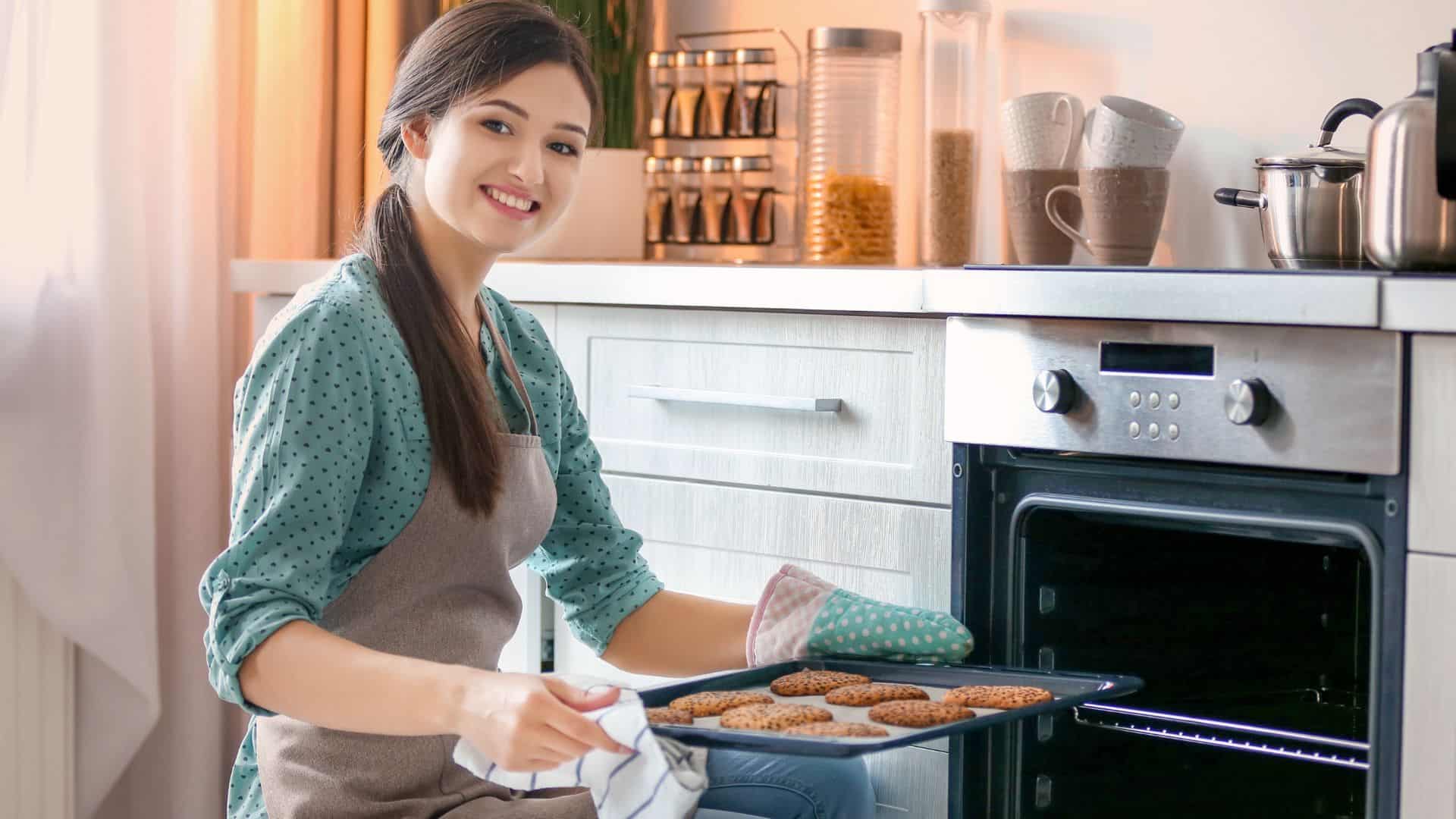
In the United States, Christmas desserts vary depending on location and family tradition. Dessert tables feel like a mix-and-match spread rather than a single signature dish. Cookies dominate many households. Popular choices are sugar cookies, gingerbread men, peanut butter blossoms, and snickerdoodles. Homemade pies also play a big role. Pumpkin pie, pecan pie, apple pie, and sweet potato pie are the most popular.
Fudge, peppermint bark, and chocolate truffles are made for simple desserts and homemade gifts. In some families, Christmas dessert is less about one showstopper and more about abundance. Tables are covered with trays of Christmas cookies meant to be shared over several days or even gifted to family and friends.
United Kingdom
The UK keeps tradition by serving Christmas pudding as the main holiday dessert. Despite the name, this is not a pudding in the American sense but a dense dessert made with dried fruit and a bit of alcohol. It’s traditionally made weeks in advance and reheated on Christmas Day, flambéed with brandy before serving. It's also called "figgy pudding."
Another classic is mince pies. These are eaten throughout December, not just on Christmas Day. Trifle is another common dish.
Spain
Christmas desserts in Spain are served on Christmas Eve and Christmas Day. Turrón is the star. This nougat-like sweet is made from almonds, honey, sugar, and egg whites, and comes in many textures. Some make it hard, while others make it soft and creamy.
Polvorones and mantecados are also popular. These shortbread-style cookies are traditionally eaten by first pressing them flat and then letting them dissolve in your mouth. Spanish Christmas sweets are often small and meant to be sampled over several days.
Italy
Italy’s Christmas dessert tradition centers on panettone. This is a dome-shaped sweet bread filled with raisins and candied fruit. Due to its popularity, it's eaten across the country and often given as a gift in decorative boxes. It’s served sliced and paired with coffee or wine.
Pandoro is another favorite dessert, especially in northern Italy. It has no fruit and is dusted heavily with powdered sugar. Italian Christmas desserts lean toward bread-based sweets rather than custards or pies.
@conniesweets shares all the details for making panettone.
Sweden
In Sweden, Christmas desserts are part of a larger holiday spread known as the julbord, where rice pudding plays a central role. It’s typically served warm and traditionally contains a single hidden almond. Whoever finds it is said to receive good luck or even marriage in the coming year.
For those who don't like it warm, it can also be served cold with whipped cream and berry sauce. Saffron buns called lussekatter are also popular throughout the season, especially around St. Lucia Day in December. Swedish Christmas desserts balance sweetness with subtle flavors.
@neaacooks shows how to make rice pudding and even adds the almond into the mix.
Mexico
Mexican Christmas desserts are tied to family gatherings and religious celebrations. Buñuelos are among the most common. These fried pastries are crispy and lightly sweet, sprinkled with sugar and cinnamon or drizzled with syrup. They’re eaten on Christmas Eve and during the days that follow.
Another seasonal favorite is romeritos with mole, which is more savory-sweet. Sweet tamales may be colored pink and flavored with cinnamon or fruit. Mexican Christmas desserts often reflect indigenous and Spanish influences combined.
Germany
Christmas desserts in Germany are tied to Advent and Christmas markets. Stollen is the most famous. This fruit-filled bread is coated in powdered sugar.
Lebkuchen is another seasonal favorite. These cookies range from soft and cake-like to crisp and thin, and are coated in chocolate or a sugar glaze. German desserts are aromatic and closely linked to winter baking traditions.
@eatshistory shows how to make Stollen while adding a bit of history.
France
France doesn’t rely on cookies or pies for Christmas dessert. Instead, the centerpiece is the bûche de Noël. This sponge cake is rolled and filled with buttercream, then decorated to resemble a Yule log. It features chocolate, coffee, or chestnut flavors.
Presentation is key. French Christmas desserts are elegant and visually striking. Along with the bûche, you'll find other small pastries, chocolates, and fruit.
@lifeloveandsugarofficial shows a beautiful Buche de Noel.
Japan
Christmas in Japan is celebrated more as a cultural holiday than a religious one, but dessert plays a consistent role. The most iconic Christmas dessert is the Christmas cake, a light sponge cake layered with whipped cream and strawberries.
While the holiday looks different in Japan, the dessert has become a recognizable and expected part of the celebration.
@sweetmoontampa shows how to make the classic Japanese cake.
Poland
Polish Christmas desserts are served after Wigilia, the traditional Christmas Eve dinner. Makowiec is a rolled poppy seed cake, and is one of the most common desserts. It’s filled with ground poppy seeds, honey, and dried fruit.
Polish gingerbread cookies are also popular. These desserts are deeply symbolic and tied to long-standing traditions.
@mamabistropl shows how to make a traditional Makowiec.
Australia
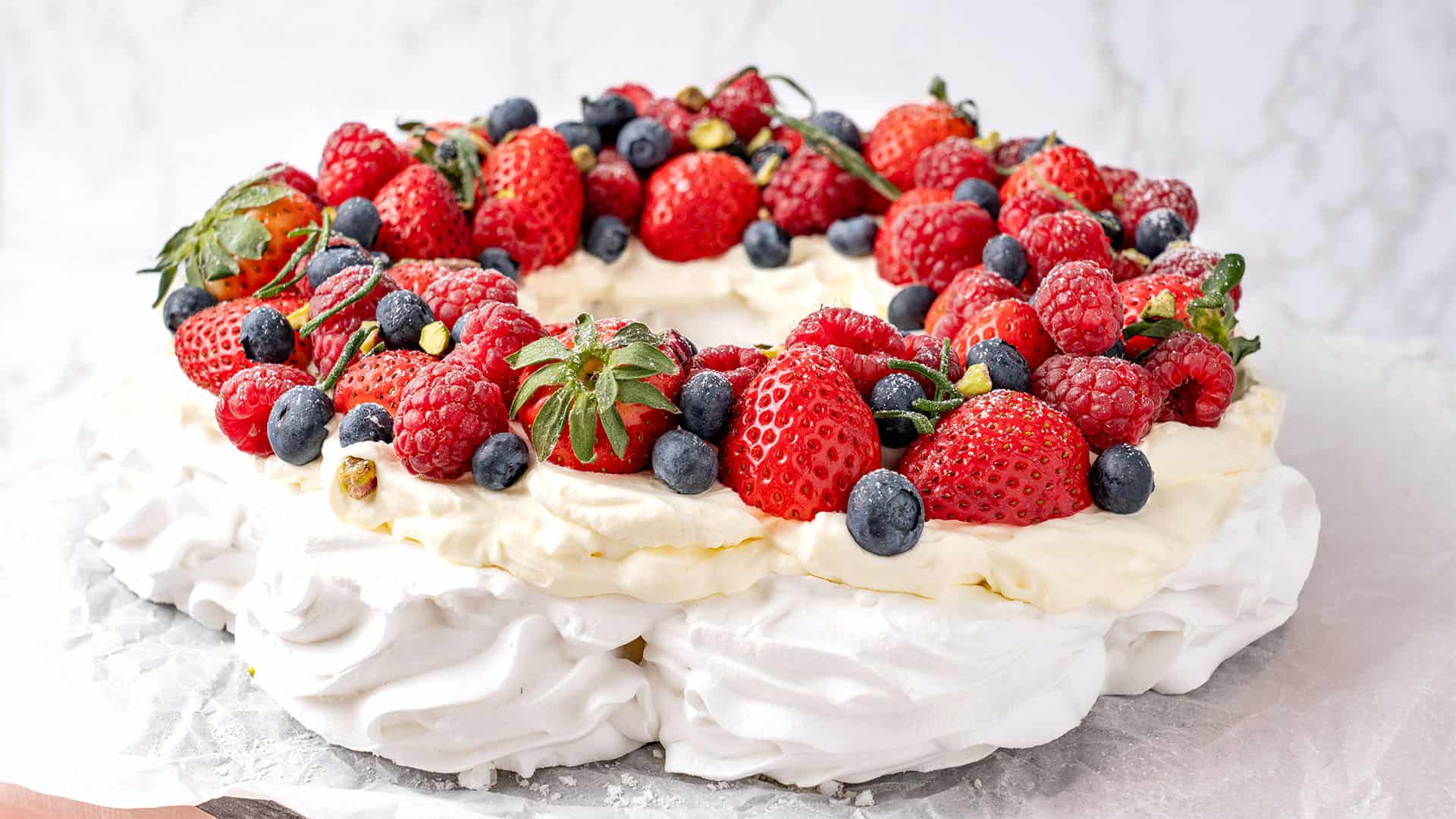
In Australia, Christmas falls during summer, which changes the dessert landscape. Many celebrations serve lighter options. Pavlova is a popular choice. This meringue-based dessert is topped with whipped cream and fresh fruit.
Ice cream cakes, chilled trifles, and fruit desserts are also common.
A shared theme with endless variety
No matter where Christmas is celebrated, dessert plays a role that goes beyond just something sweet at the end of a meal. These dishes are often tied to memory and ritual, made once a year and expected to taste the same every time. In many countries, the dessert is what signals that Christmas has arrived.
Christmas desserts also show how traditions evolve. Families adapt recipes by swapping ingredients and simplifying steps, or blending in new flavors from different cultures.
What connects all of these desserts is the sense of occasion. Most of them require more time and patience than everyday sweets. They are saved for gatherings and often accompanied by stories about who made them best or how they “should” be served. The dessert becomes part of the celebration itself, not just something on the table.
While the flavors and formats may differ, the act of ending a holiday meal with something special is nearly universal.
Leave a Reply