
Food habits in the United States have changed dramatically over the past few decades, with convenience meals and takeout becoming a regular part of daily life for many households. As concerns about health and nutrition continue to grow, some public figures are calling for a renewed focus on something much simpler: cooking at home.
What happened
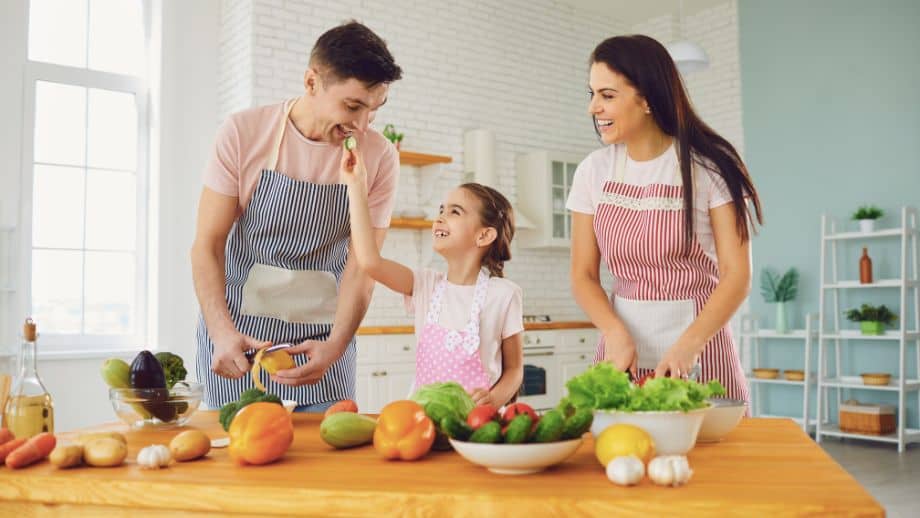
In a recent video, RFK Jr. spoke about the growing importance of cooking at home and why he believes it plays a key role in improving both health and family life. He noted that preparing meals from fresh ingredients can often be far more affordable than many people assume, especially compared to packaged or takeout foods.
Kennedy also emphasized the social side of cooking, describing it as a meaningful ritual that can bring families together. “Cooking is important because it's a very important ritual for bringing families together,” he said. The cooking process can involve everyone in the household, regardless of age. Younger children might help set the table or assist with simple tasks, while older family members can take on more of the cooking itself, turning mealtime preparation into a shared activity.
He added that the administration plans to promote this idea more broadly. “One of the things that we're doing in this administration is that we're going to have a campaign to encourage people to start cooking together again,” Kennedy said. Part of that effort will also involve working with schools to explore ways to improve how cooking and food education are introduced to students.
Kennedy has frequently spoken about food and health during his time in public office. He has pushed for changes to align national nutrition messaging with his “Make America Healthy Again” initiative and has been outspoken about reducing reliance on ultra-processed foods.
He has also repeatedly criticized the widespread use of ingredients such as high-fructose corn syrup, arguing that raising awareness about how food is produced and consumed is an important step toward improving public health. His upside-down food pyramid is proof of that.
The reactions
Over a thousand people hopped into the comment section to share their thoughts.
One person was grateful. "I love this!!! It’s what I’m teaching and am so passionate about. Thank you for bringing awareness to our community." It's a good topic to raise awareness about, if it can't help people access good food at an affordable price.
Someone else said, "Cooking highly nutritious and delicious meals is sooo much easier and simpler than people think." It's true. You can get good deals as long as you pay attention to what is on sale. This includes fresh foods.
This person wrote, "I cook every day. And almost all families in Italy do!!!!" Different cultures have different traditions, but cooking for the family seems to be a universal language.
Another wrote, "I love cooking. It is relaxing & satisfying." It is a very relaxing activity. Cooking can calm people and help them melt away the stress of the day.

Why this matters
The conversation around cooking at home goes far beyond what is served at dinner. Over the past several decades, American eating habits have shifted dramatically toward convenience foods and highly processed meals. As busy schedules and rising food costs shape everyday decisions, many families rely more heavily on packaged options that require little preparation.
Diets built around ultra-processed foods are often higher in added sugars and unhealthy fats, while lacking the nutrients found in fresh ingredients. Encouraging more home cooking is often seen as one way to help people regain more control over what they eat.
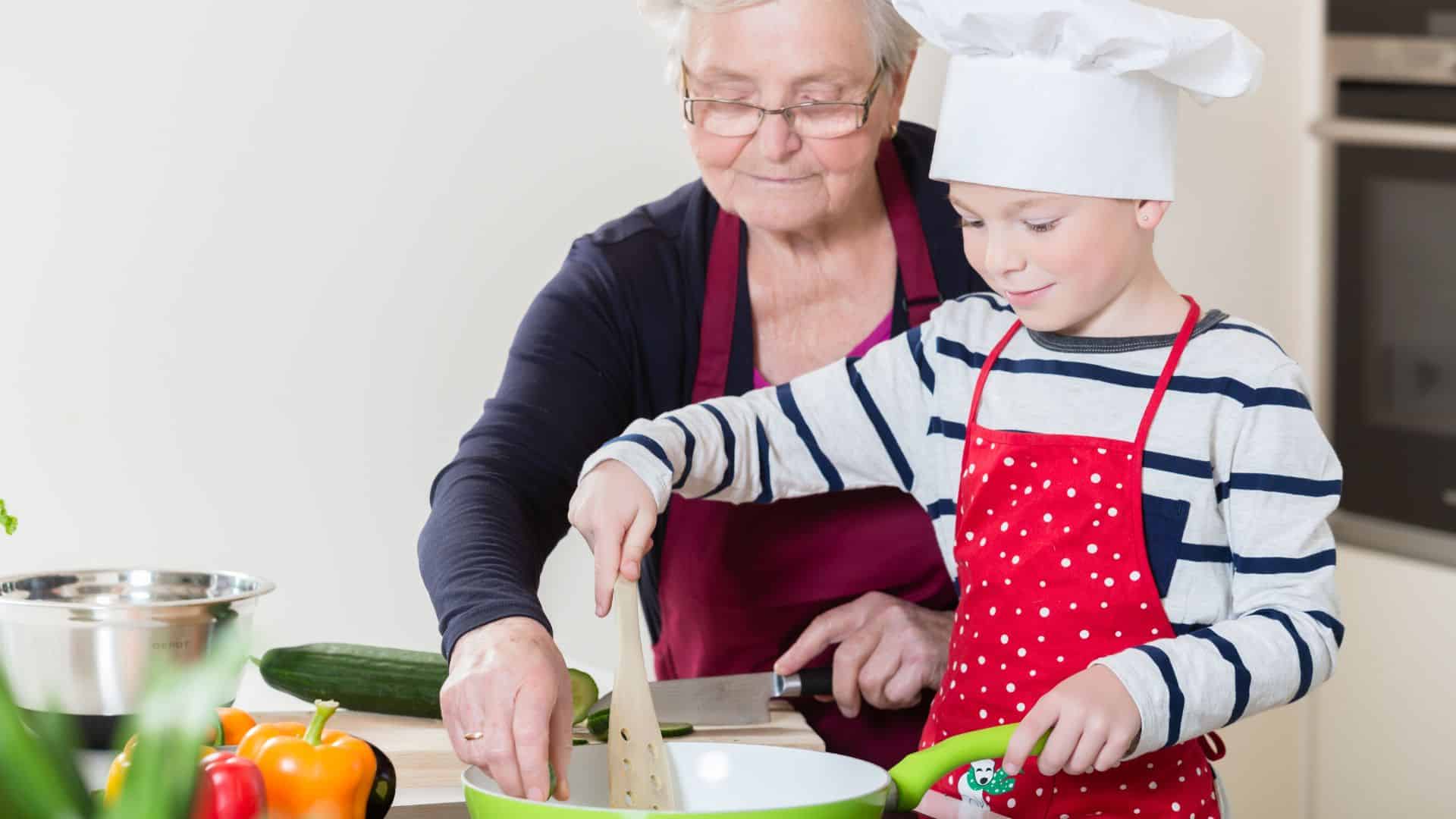
There is also a social side to the discussion. Cooking used to be a regular household activity that brought family members together in the same space. When people prepare meals as a group, it can create opportunities to teach practical skills and involve children in the process of making food.
Critics, however, argue that the idea of cooking more meals from scratch overlooks the realities many families face today. Fresh fruits, vegetables, and high-quality ingredients can be significantly more expensive than packaged or processed alternatives, especially for households already struggling with rising grocery bills.
Time is another major barrier. With long work hours, multiple jobs, and busy family schedules, many people feel they simply cannot afford the time required to plan, shop for, and prepare meals from scratch on a regular basis. For these critics, the issue is less about willingness to cook and more about the economic and time pressures that shape modern life.
As debates around nutrition policy continue, the idea of returning to more home-cooked meals remains a topic that resonates with many families.
Leave a Reply