
Flour is one of the most common pantry staples. It sits on shelves for months and sometimes even years, waiting for the next batch of cookies or pancakes. Because it is a dry ingredient, many people assume it lasts forever, but that is not the case.
While flour has a long shelf life compared with many foods, it will still spoil under certain conditions. Heat, moisture, air, and even the natural oils found in certain types of flour will slowly affect quality. The result can range from stale flavor to flour that is no longer safe to use.
Understanding how long flour lasts and how to store it correctly can help prevent waste and protect the flavor of your baking.
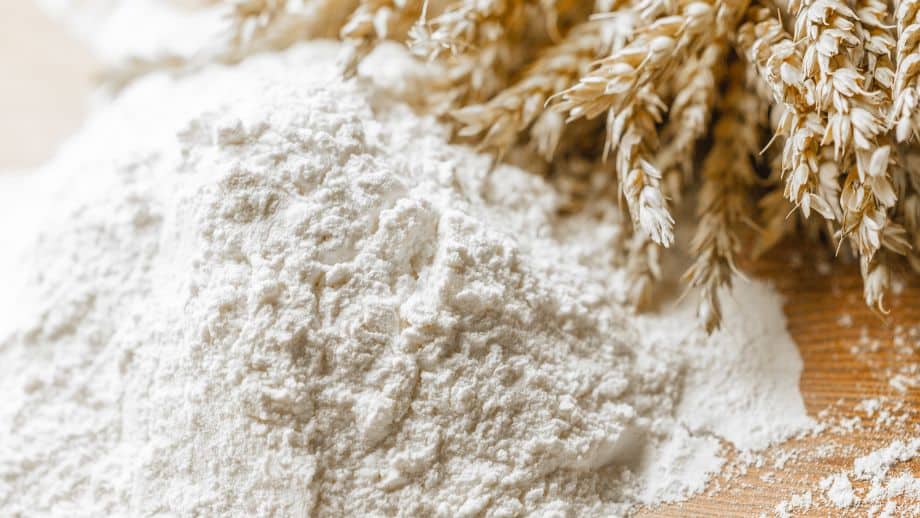
Does flour actually go bad?
Flour does not spoil in the same way fresh foods do, but it will degrade over time, depending on the flour and the storage environment. This flour guide can help break down the differences between various types of flour.
White flour is made by removing the bran and germ from wheat kernels. This process removes most of the natural oils, making white flour more stable and longer-lasting.
Whole wheat flour is different. Because it contains the entire wheat kernel, including the oil-rich germ, it tends to spoil faster.
All-purpose white flour is the most stable and can typically be kept for about 8–12 months in the pantry when stored in an airtight container in a cool, dry place. Whole wheat and other whole-grain flours contain natural oils from the grain’s bran and germ, which makes them more prone to going rancid, so they usually stay fresh for 3–6 months at room temperature.
To extend the shelf life, many bakers store flour in the refrigerator or freezer, where it can remain usable for up to a year or longer without losing quality.
Other flours, such as almond flour, coconut flour, or oat flour, can spoil faster because they contain higher levels of natural fats. These varieties benefit from cold storage and should be checked regularly for freshness.
Contributing factors
Air exposure is one of the most common causes. Oxygen can gradually affect the fats that remain in flour, especially in whole-grain varieties. This process can lead to rancidity and off-flavors.
Temperature also plays a role. Warm kitchens speed up chemical reactions in foods. A bag of flour kept near the stove or in a hot pantry may age faster than one stored in a cooler cabinet.
Moisture is another risk. Humidity can cause flour to clump or create an environment where mold may develop. Light and repeated handling can also shorten shelf life. Each time flour is opened, it is exposed to air and changes in temperature.
These small factors add up, which is why storage methods matter more than many people realize.

Signs your flour has gone bad
Flour rarely changes dramatically when it spoils, which is why it sometimes stays in kitchens long past its prime. There are a few clear signs that it should be thrown away.
One of the first indicators is smell. Fresh flour has a neutral scent, almost like plain grain. Rancid flour may smell sour or slightly like spoiled nuts. That odor comes from oils that have begun to break down.
Texture can also change. Flour exposed to moisture may develop clumps or feel slightly damp. Dry flour should remain soft and powdery.
Color changes can appear as well. While minor variations are normal, dark specks, discoloration, or visible mold mean the flour should not be used.
Another possibility is pests. Pantry insects, such as weevils, can appear in flour that has been stored for long periods. If you see small bugs or unusual particles moving in the flour, it is best to discard the entire container.
When in doubt, a quick smell test usually reveals whether the flour is still usable.
How to store flour to keep it fresh
Keeping flour fresh often comes down to a few simple storage habits. First, store flour in an airtight container rather than leaving it in its original paper bag. Containers made from glass, metal, or food-safe plastic help prevent moisture and air from entering.
Some people talk about canning flour to extend its shelf life, but this is not a safe method and can lead to food-borne illnesses.
Second, choose a cool and dry location. A pantry shelf away from the heat works well for most households. If your kitchen runs warm, a refrigerator can provide a more stable environment.
Labeling containers with purchase dates can also help track freshness. It is easy to forget how long a bag of flour has been sitting in the pantry.
For people who bake frequently, buying flour in moderate quantities rather than large bulk bags can also help maintain quality.

Can you freeze flour?
Freezing flour is one of the simplest ways to extend its shelf life. Cold temperatures slow the natural breakdown of oils in grain products. This is especially helpful for whole wheat flour and other whole grain varieties that contain more natural fat.
To freeze flour, place it in a sealed container or freezer-safe bag to prevent moisture from entering. Many people freeze flour for a few days after purchasing it as an extra step to eliminate potential insect eggs that may be present in grain products.
Frozen flour can last for a year or longer with little change in quality. When ready to use it, allow the flour to come to room temperature before opening the container. This helps prevent condensation from forming inside the package.
@robbybenson explains why people freeze flour after they buy it.
The takeaway
Flour lasts longer than many pantry foods, but it does not last forever. Time, temperature, air, and moisture all affect how long it stays fresh.
Learning a few simple habits can make a big difference. Freezing flour can also extend its life, especially for whole-grain varieties.
A quick check before baking can save time and ingredients later. There's nothing worse than starting a recipe and realizing you're missing fresh flour to finish it. Fresh flour helps ensure better flavor and better results in the kitchen.
Leave a Reply