
Fiber has become one of the biggest nutrition trends online. Across social media, people are sharing ways to pack more fiber into their meals, often calling the approach “fibermaxxing.” The idea sounds simple: eat more fiber to support digestion and stay fuller longer.
But while fiber is an important part of a healthy diet, the concept is a little more complicated than simply adding more and more to your plate. Understanding how fiber works and what happens when you overdo it can help separate helpful habits from internet hype.
What is “fibermaxxing”?
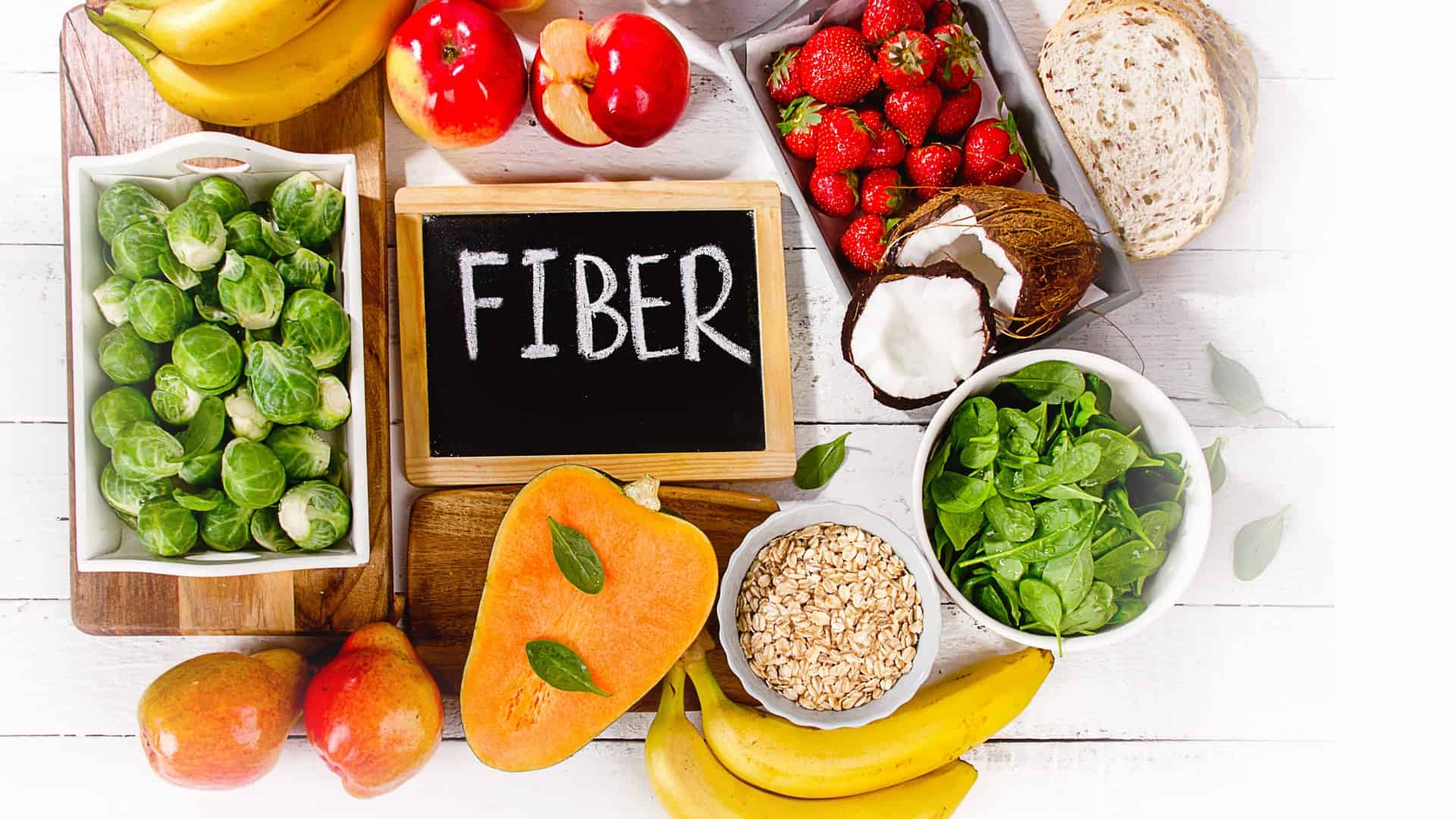
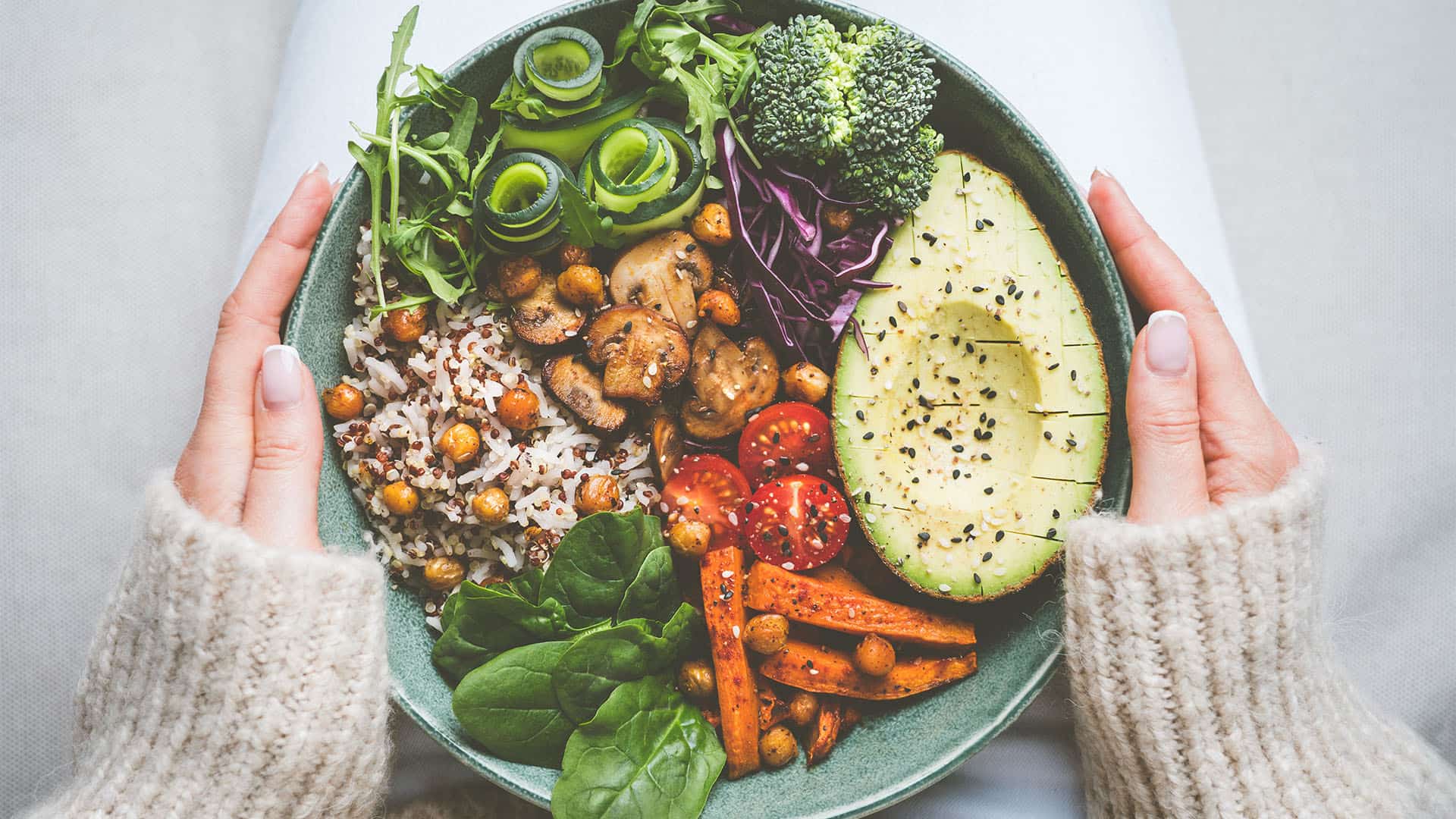
“Fibermaxxing” is a social media term that describes intentionally increasing fiber intake. Videos and posts often feature high-fiber meals built around foods like oats, chia seeds, beans, lentils, vegetables, and whole grains. Some people also add fiber supplements or powders to drinks and smoothies.
The idea gained traction as more people began talking about gut health and digestion. Fiber plays a key role in both areas, helping the trend spread quickly across online wellness spaces.
For many, the goal is simple. High-fiber meals are often more filling, which can help people feel satisfied longer after eating. Others focus on digestive benefits or the potential impact of fiber on blood sugar and cholesterol levels.
The term “fibermaxxing” can sometimes suggest that more fiber is always better. Nutrition experts tend to take a more balanced view.
Why fiber is getting so much attention
Fiber has long been recognized as an essential nutrient, but dietetics over the past decade has brought renewed attention to its role in overall health.
One major reason is gut health. Fiber feeds beneficial bacteria in the digestive system, helping them grow and produce compounds that support the body in several ways. These bacteria influence digestion and even aspects of metabolism.
Another reason is how fiber affects fullness and appetite. High-fiber foods take longer to digest and often require more chewing. This combination helps people feel full sooner and stay satisfied longer after eating.
Fiber has been emphasized for years, but many people don't get the recommended amount. As awareness grows, more attention has shifted toward ways to increase fiber in everyday meals.
Health benefits of fiber

Fiber can be found in fruits, vegetables, legumes, nuts, seeds, and whole grains. Unlike other carbohydrates, the body cannot fully break down fiber during digestion. That property allows it to move through the digestive system while supporting several important processes.
Eating gut-friendly foods that are high in fiber helps food move through the digestive tract more smoothly. This helps to reduce constipation and support regular bowel movements.
Soluble fiber, which dissolves in water, can also help regulate blood sugar for people with diabetes. It works by binding with cholesterol in the digestive system, so the body removes it rather than absorbing it into the bloodstream.
According to the National Library of Medicine, fiber supports heart health and metabolic health. Diets rich in fiber can help lower the risk of heart disease, type 2 diabetes, and certain digestive conditions. High-fiber foods also tend to be nutrient-dense, meaning they provide vitamins, minerals, and antioxidants along with the fiber itself.
How much fiber your body actually needs
Despite the current focus on maximizing fiber intake, most people still do not get enough.
According to Harvard Health, guidelines suggest that adult women should consume about 25 grams of fiber per day, while adult men should consume about 38 grams. Needs can vary slightly depending on age, calorie intake, and overall diet.
Many people consume far less than those amounts. Processed foods often contain little fiber, and diets that rely heavily on refined grains or packaged snacks can make it difficult to meet the recommended fiber intake.
Instead of chasing extremely high numbers, it is suggested to gradually increase fiber through whole foods. A balanced mix of foods can help most people reach healthy intake levels without drastic changes.

Can you eat too much fiber?
Fiber is healthy, but extremely high amounts can cause problems for some people.
When fiber intake increases too quickly, the digestive system may struggle to adjust. This can lead to bloating, gas, stomach discomfort, or changes in bowel habits. Drinking enough water becomes especially important when fiber intake rises, because fiber absorbs water during digestion.
Very high fiber intake can also interfere with the absorption of certain minerals if it becomes excessive over long periods. That situation is less common but can occur when large amounts of fiber supplements are used daily.
The body usually adapts well when fiber increases slowly. Gradual changes give the digestive system time to adjust and allow beneficial gut bacteria to adapt to the new diet.
Signs you might be overdoing it
A sudden jump in fiber intake can cause a few noticeable symptoms. Paying attention to how the body responds can help determine whether the balance is right.

Common signs include persistent bloating and excessive gas. Some people may experience constipation rather than relief if fiber intake increases without sufficient fluid intake.
Another sign can be feeling overly full after eating small portions of food. Fiber slows digestion, which is helpful for appetite control but may become uncomfortable if intake climbs too quickly.
When symptoms appear, reducing fiber slightly and increasing water intake often helps. Spreading fiber throughout the day rather than consuming large amounts in a single meal can also improve comfort.
How to add more fiber to your diet
Adding fiber does not require major dietary changes. Small adjustments across daily meals can make a significant difference.
@indisuppliments discusses the importance of fiber and lists 10 foods you can eat to increase fiber intake.
One of the simplest strategies is choosing whole grains instead of refined grains. Whole wheat bread, brown rice, and oats naturally contain more fiber than their refined counterparts.
Beans and lentils are also among the most fiber-rich foods available. Adding them to soups or grain bowls can quickly increase fiber content in a meal.
Fruits and vegetables are another reliable source. Leaving edible skins on foods such as apples or potatoes adds additional fiber, and including vegetables with most meals helps build steady intake throughout the day.
Nuts and seeds also provide fiber, healthy fats, and protein. Small portions sprinkled into yogurt or salads can boost both nutrition and texture.
Finding the right balance
The popularity of fibermaxxing highlights a growing interest in nutrition and digestive health. Increasing fiber intake can offer meaningful benefits, especially for people whose diets lack fruits and whole grains.
At the same time, balance remains important. Fiber works best as part of an overall pattern of varied, nutrient-rich foods rather than a single nutrient pushed to extremes.
Gradually increasing fiber while paying attention to hydration and overall diet can help people enjoy the benefits without the discomfort that sometimes accompanies rapid changes. For most, the goal does not need to be maximizing fiber at every meal. Reaching recommended daily levels and maintaining a balanced diet is usually enough to support long-term health.
Leave a Reply