
After years of cooking professionally, I've picked up some simple kitchen tricks that make a big difference. These tips aren’t complicated, inf fact they’re rather easy habits that you can use every day to make cooking faster, easier, and more enjoyable. In this article, I’m sharing my favorite kitchen hacks to help you feel more confident and efficient in the kitchen. With just a few small changes, you’ll start cooking like a pro in no time.
Note: The content of this article does not reflect the Writer's personal beliefs.
Quality over quantity

Many people focus on serving large portions, but quality should always come first. A big plate of food means little if the flavors and ingredients aren't great. Prioritizing fresh, local produce and using high-quality spices and herbs can make a huge difference in the final dish. It might cost a little more, but the improved taste and overall experience are well worth it. In the end, quality leaves a lasting impression that quantity alone never will.
Keep experimenting

We all have comfort zones, so we rarely venture beyond and stick to what we know. Going beyond your traditional choices and experimenting with what you have is essential.
Try recipes with common substitutes. Experiment with spices and herbs you haven’t tried yet. Make something you usually wouldn’t and keep experimenting even if the initial batches fail or taste bad. You never know what you will discover!
The art of seasoning

Don't be afraid to play around with seasonings. Spices and herbs have a huge impact on a dish and are something you never want to omit from a recipe. Do not skip the spices! Your food will suffer if you do. No one like bland and boring food.
Basic knife skills
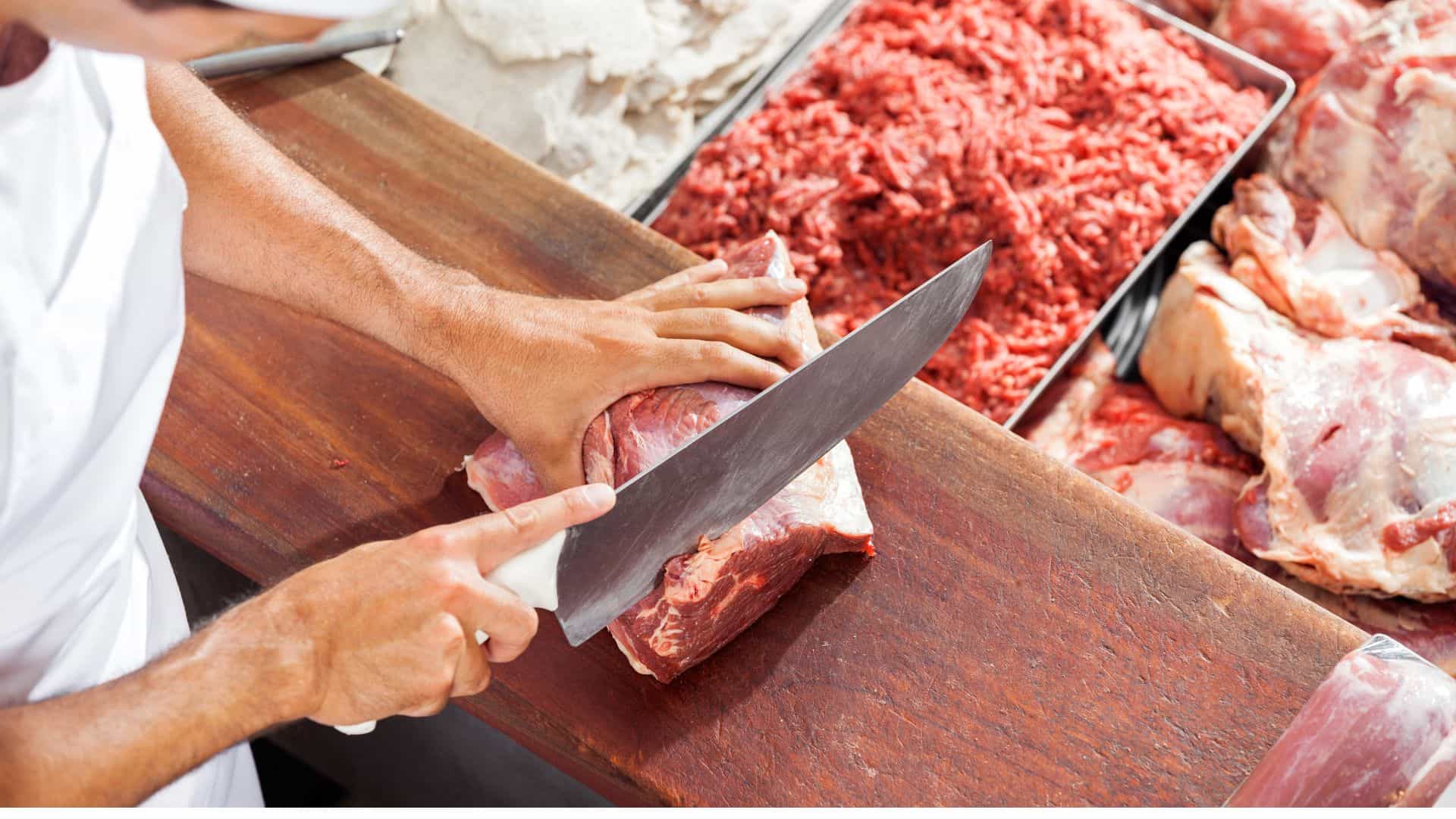
Knowing how to handle a knife is critical for a chef. You must learn to properly grip and move a knife to cut food safely and properly. You’ll also be surprised to know there are various types of knives, each one designed to do a certain job. Learning which knife to use when is an invaluable skill!
A chef’s knife is all-purpose, so you can use it for anything. However, using a bread (serrated) knife to cut meat will only ruin it. Similarly, a cleaver won’t be comfortable if you’re using it beyond pulverizing meat and bones.
Stay organized

We agree that staying organized in the kitchen is challenging, especially when cooking often or in a hurry. However, keeping a clean kitchen counter ensures better results and higher-quality food.
This is because you won’t be fumbling around to find spices and accidentally ruin a dish. An organized kitchen is also just more enjoyable to work in.
Learn the highs and lows
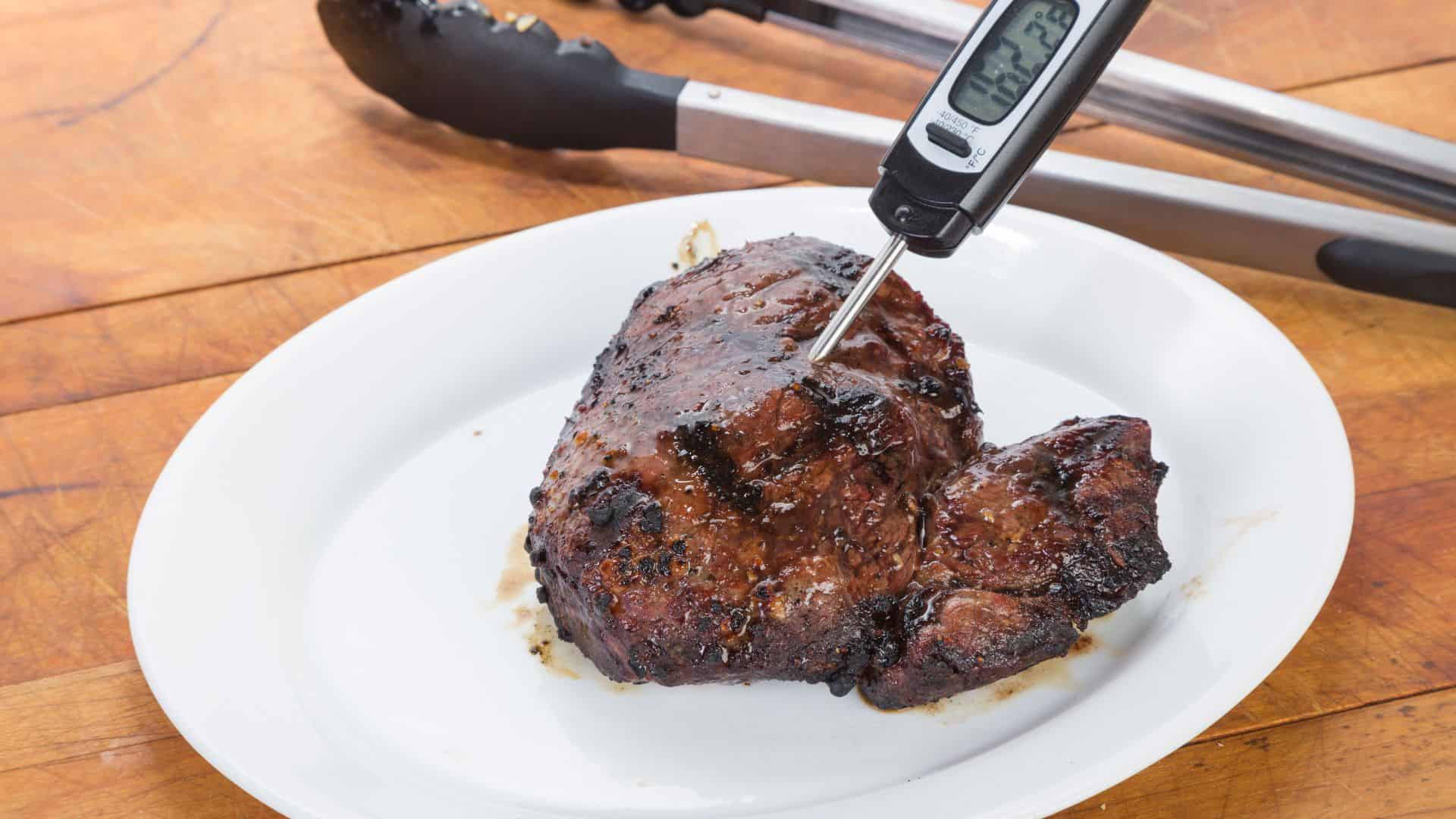
Cooking and baking involve a meticulous understanding of the elements you’re dealing with. Every dish and ingredient cooks at a different temperature, and not knowing the right temperature will ruin the dish.
Invest in a good kitchen thermometer so you can test your food and ensure they are done. Always follow the recipe and cook your food at the proper temperature. Not doing so can be a serious error.
Save and repurpose

Don’t throw out the scraps; they could serve you in multiple ways. While most of us will throw away the scraps and ends of cut vegetables, they can transform into a healthy fertilizer for your garden.
Similarly, leftover pieces (shallot ends, middle parts of a carrot, broccoli stems) and other parts of vegetables we typically avoid can be repurposed into a fantastic stock or stew. Avoid wasting food and repurpose where you can.
Invest in cookware

We joke about reusing the same cookware, but it is essential to buy high-quality cookware when you can. Poor quality cookware can alter the quality of your food. Sometimes, even the enamel can chip off and go into your food. What a disaster!
Buy a rice cooker. Invest in a really good wok. Don’t forget to buy a cast iron skillet when possible. High-quality cookware will keep your food fresh and delicious and avoid occasional run-ins with biohazards.
Focus and observe
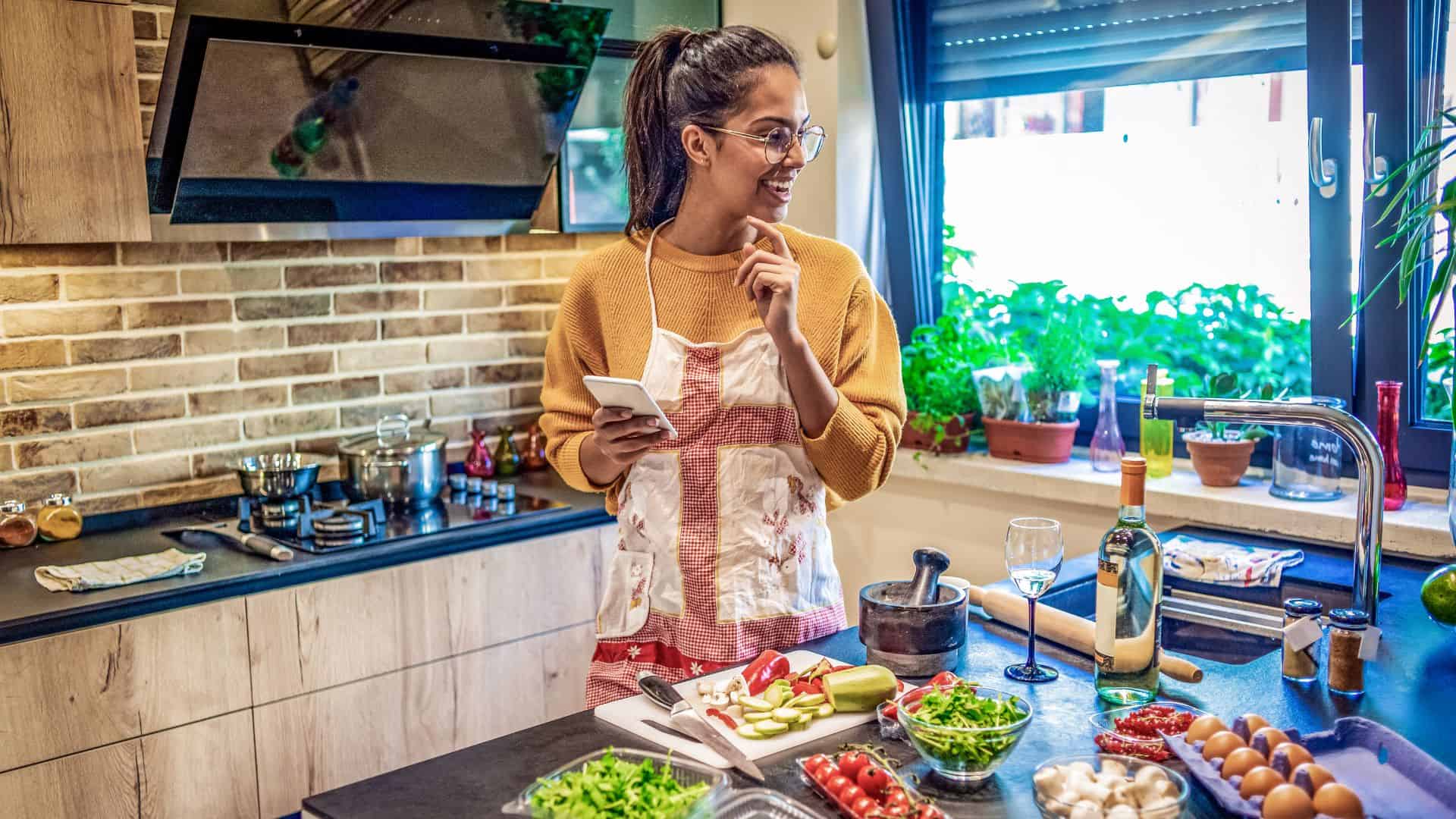
Many people seek inspiration from celebrity chefs and keep track of everything they do. Apply the same technique to yourself!
Make notes about your culinary experiments. Observe what combinations worked for you and under what conditions. Knowing the environment surrounding successful cooking ventures will ensure success in the future.
Pair and combine
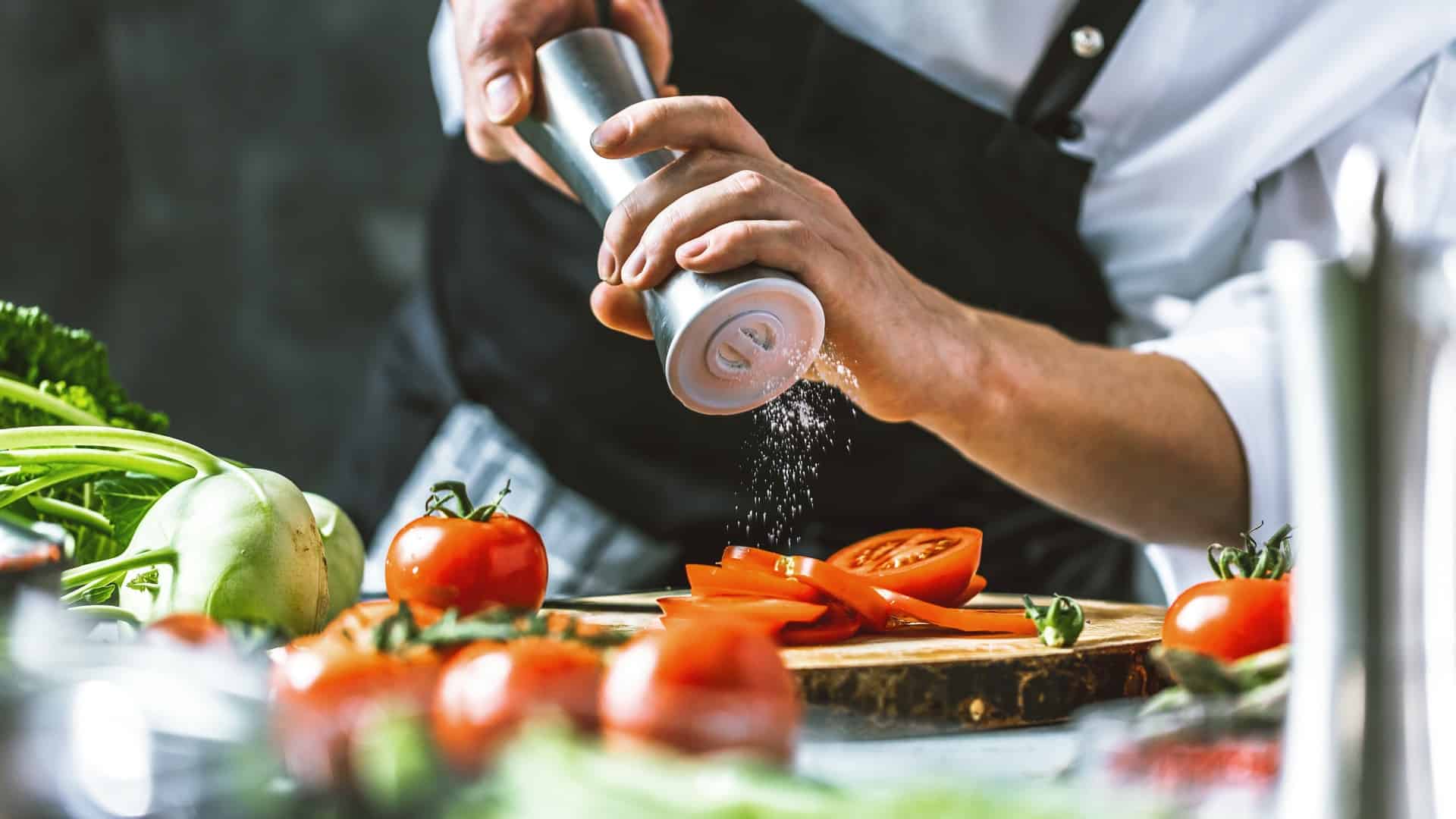
Experiment with the flavors available in your pantry and try combining unlikely things.
For example, add a pinch of salt to intensify the flavor of chocolate. Similarly, add a dollop of honey to blue cheese to cut through the tartness. Add some cinnamon to your coffee for an earthy and slightly fruity flavor. Get creative!
Trust your instincts
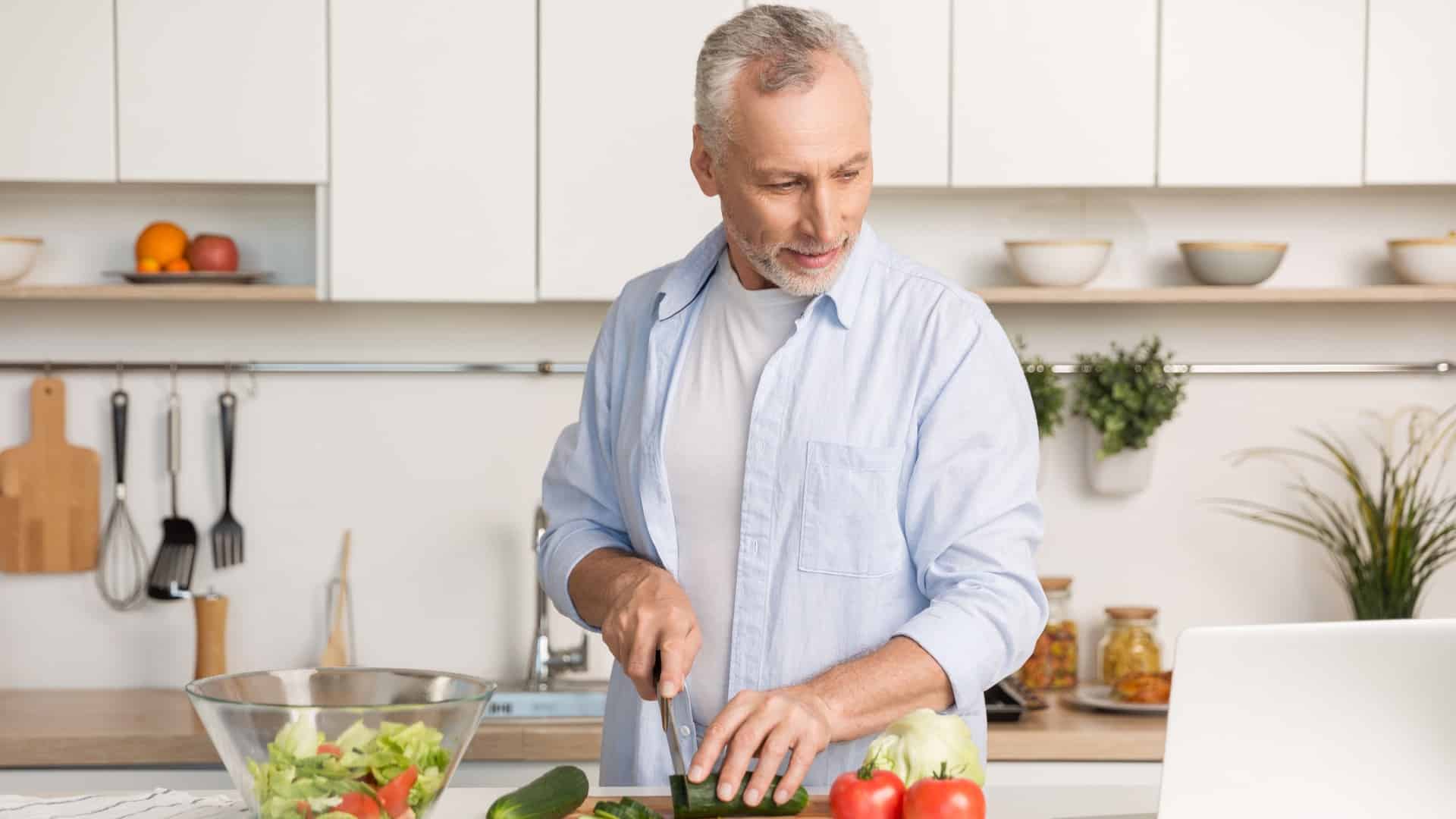
Never ignore your gut. Most newbie chefs believe they lack the understanding and expertise to trust their gut, but our instincts are much stronger than what we learn. Pay attention to what they might be conveying to you.
Keep an eye on the recipes, but also follow your natural cooking instincts. Don’t hesitate to lower the flame or adjust the seasonings in a recipe as you see fit. Don't be afraid!
Buy in Bulk

Anytime a professional chef sees a good deal, they buy extra. Most foods can be frozen or stored in the pantry for later. Then, when you are ready to cook a meal, you can simply pull out your reserved food.
Buying in bulk also ensures that you do not run out of special ingredients and can get through any recipe with ease. It's always a good idea to have a little extra!
Learn From the Pros

Just as you are reading this article to gather tips from professional chefs, true pros learn from each other. They look to chefs of past generations, like Julia Child, for inspiration.
A good chef knows that one way to gain more kitchen skills is to ask others. Don't be afraid to ask the chef at your favorite restaurant a few questions or just ask your grandma how she learned to cook so well. You can learn from those with experience.
Have a Helper
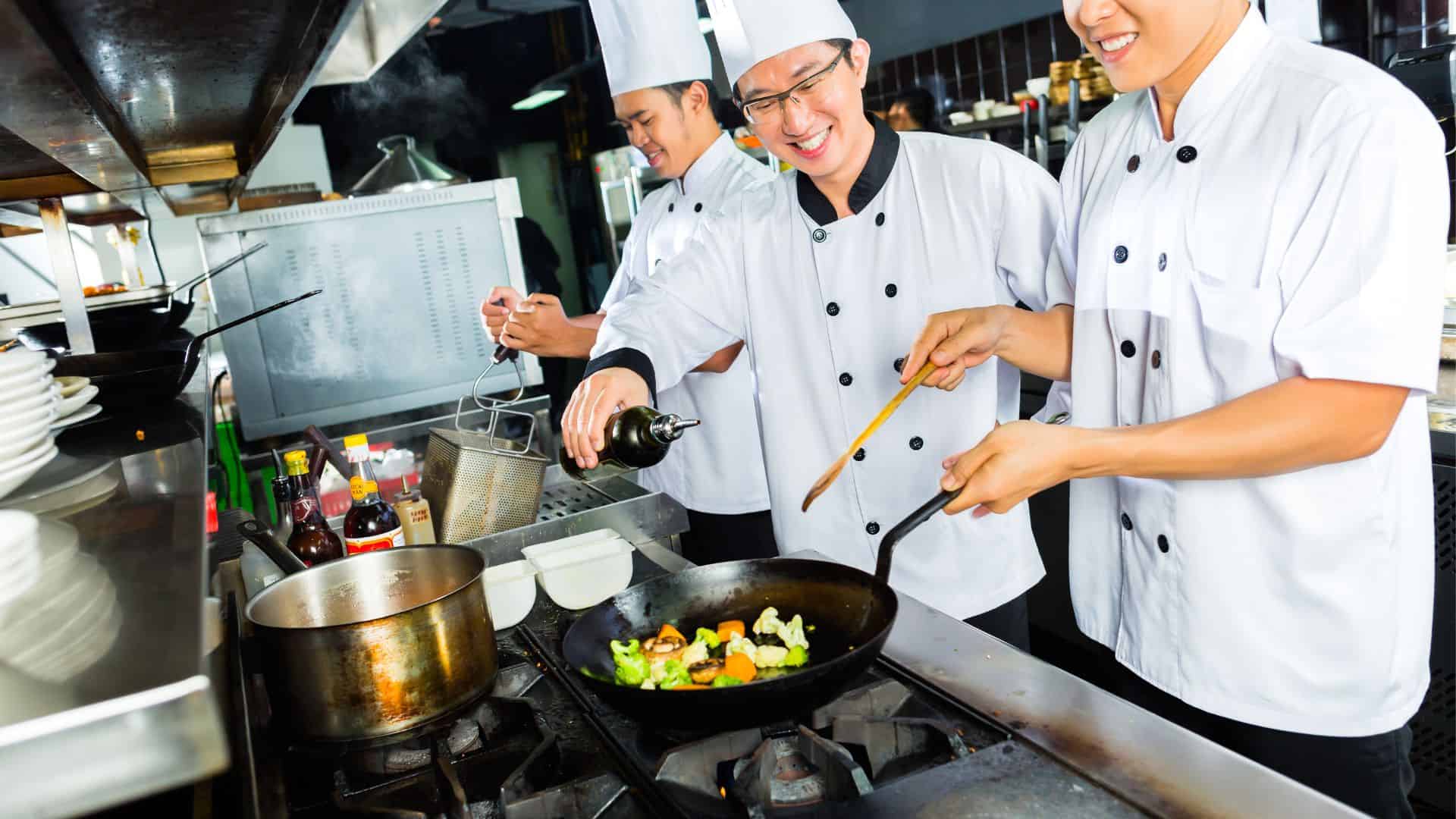
Most professional chefs do not cook alone. They are part of a well-oiled team! Everyone in a professional kitchen has a job to do, and all those individual efforts come together to make a perfect meal.
Enlist your kids, your partner, or your friends to help you in the kitchen. More hands are often better! Not only will this make it easier, but cooking with company is always more fun.
Have Fun
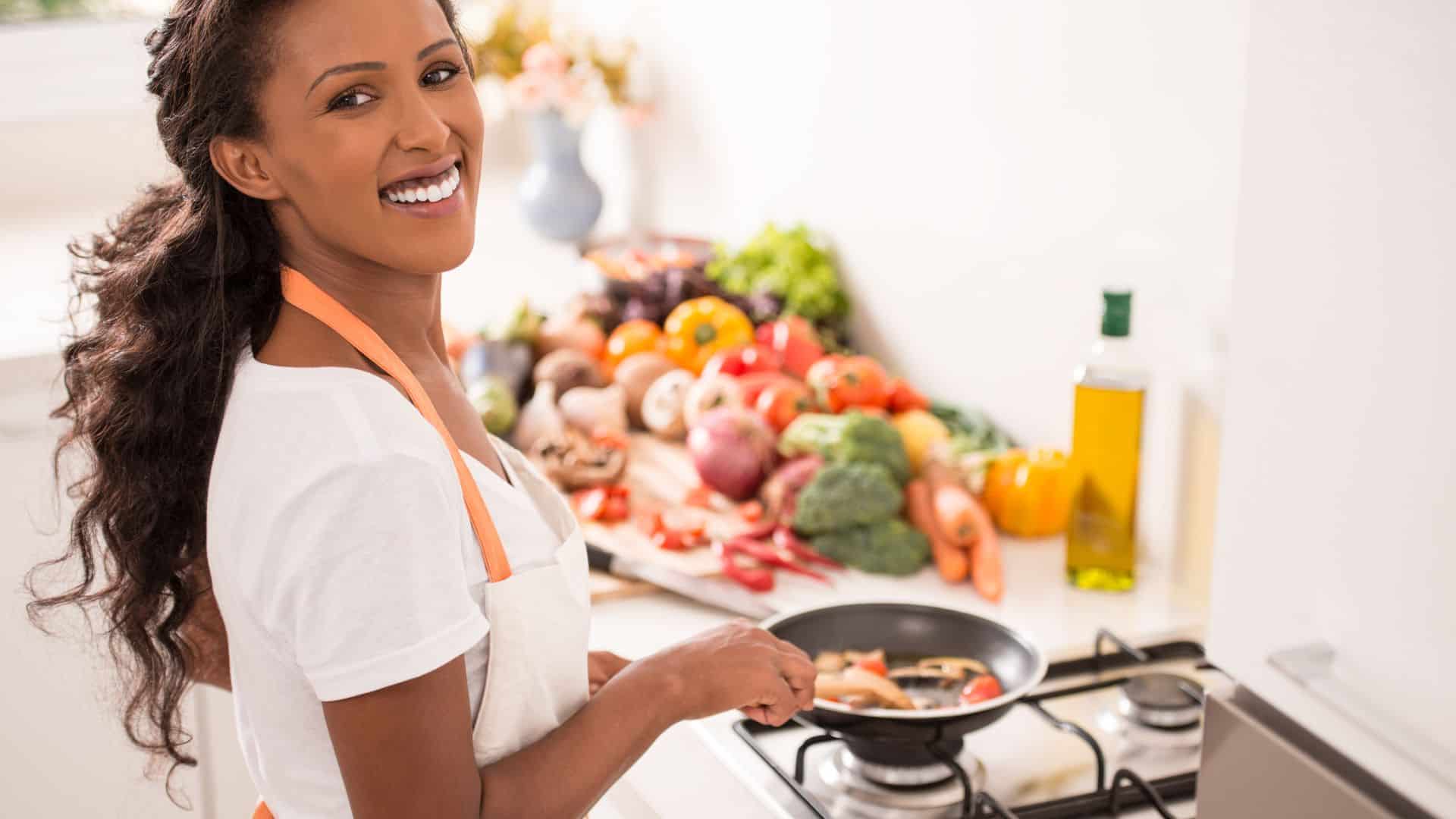
Cooking should be fun, not stressful. When you start to feel stressed in the kitchen, it will show in the food. Your food may burn, taste terrible, or look rushed when you start to feel stressed. Try to relax and enjoy every moment spent in the kitchen. Just remember that you are creating something nourishing and delicious ,and that is an incredible task!
This article was first published at Spatula Desserts.
Leave a Reply