
Baking can feel rewarding and relaxing—until you realize your beautiful dessert is actually a flop. We've all been there: cakes coming out dry, cookies spreading uncontrollably, or muffins sinking sadly in the center. But don’t stress! As a professional pastry chef, I've seen (and made!) plenty of baking errors myself, and now I'm sharing insider tips to help you dodge these common pitfalls. Here's how to finally level up your baking skills and achieve dessert perfection every time.
Baking is a science, not an art

We often hear that cooking is an art, but baking is not! Adding an extra teaspoon of baking powder can completely ruin a cake, so approach this skill as a science. Measure everything to perfection, make sure your ingredients are at the right temperatures, and be meticulous at all stages of your recipe.
You don’t sieve
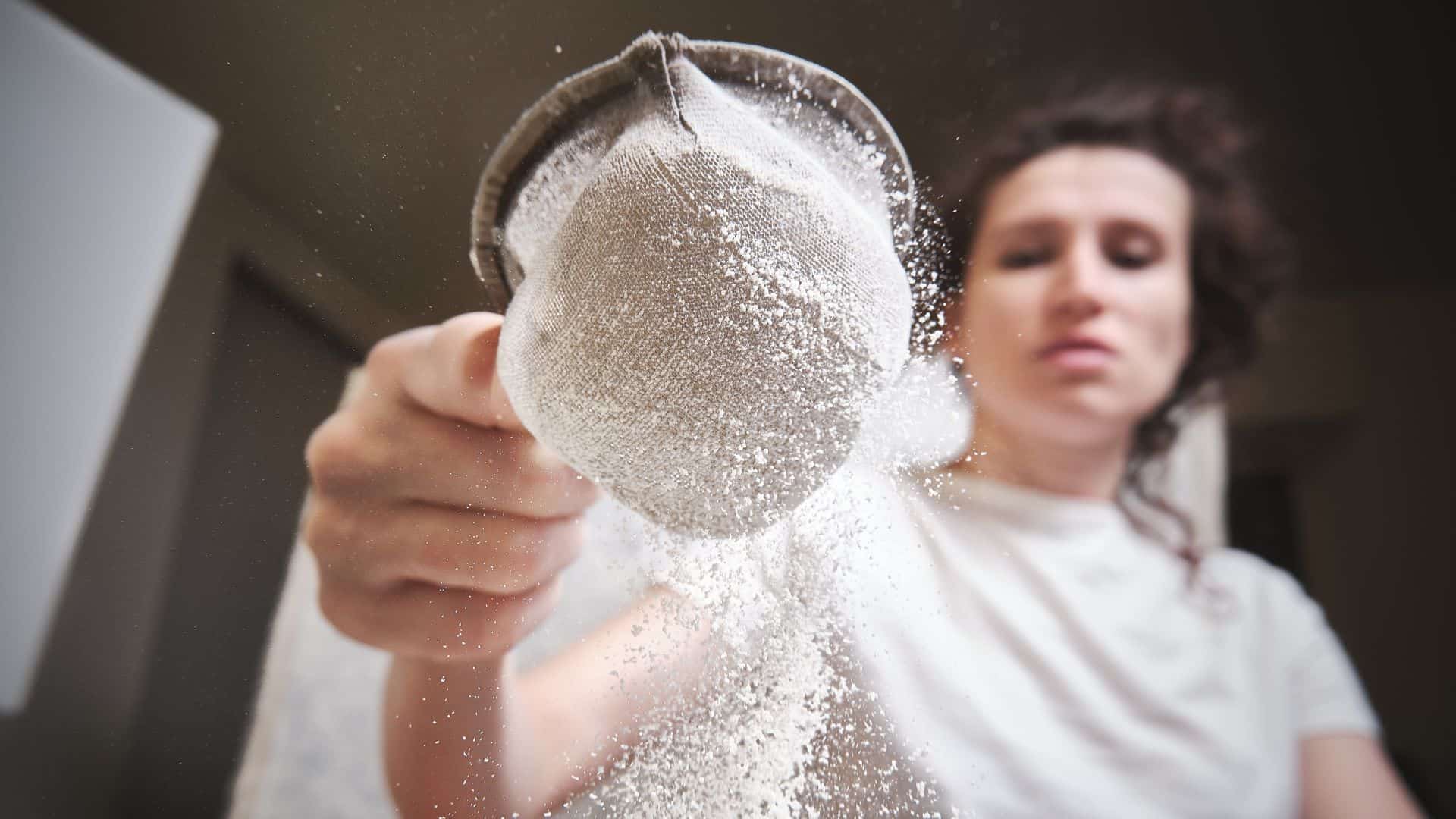
Most desserts require you to sift solid ingredients such as flour and cacao powder. But how often do you do it? People tend to avoid this step, thinking it’s a waste of time, but sifting is fundamental to removing lumps.
Not rising dough
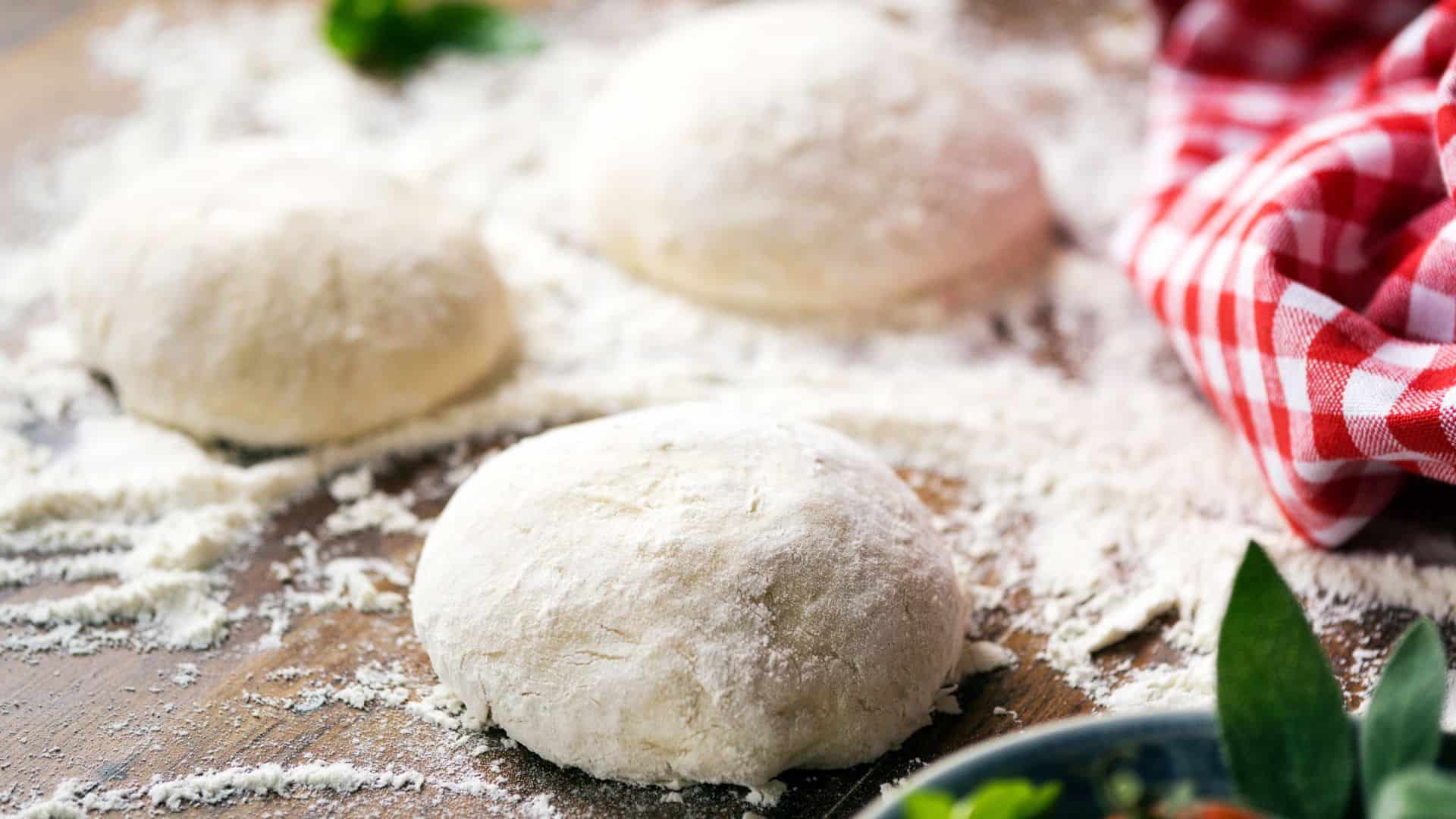
This can happen for several reasons. One of the most common ones is that your dough is probably too cold. To fix this, use warm water or leave your dough to rest in a warm corner of your house.
You don’t follow the ingredients’ order
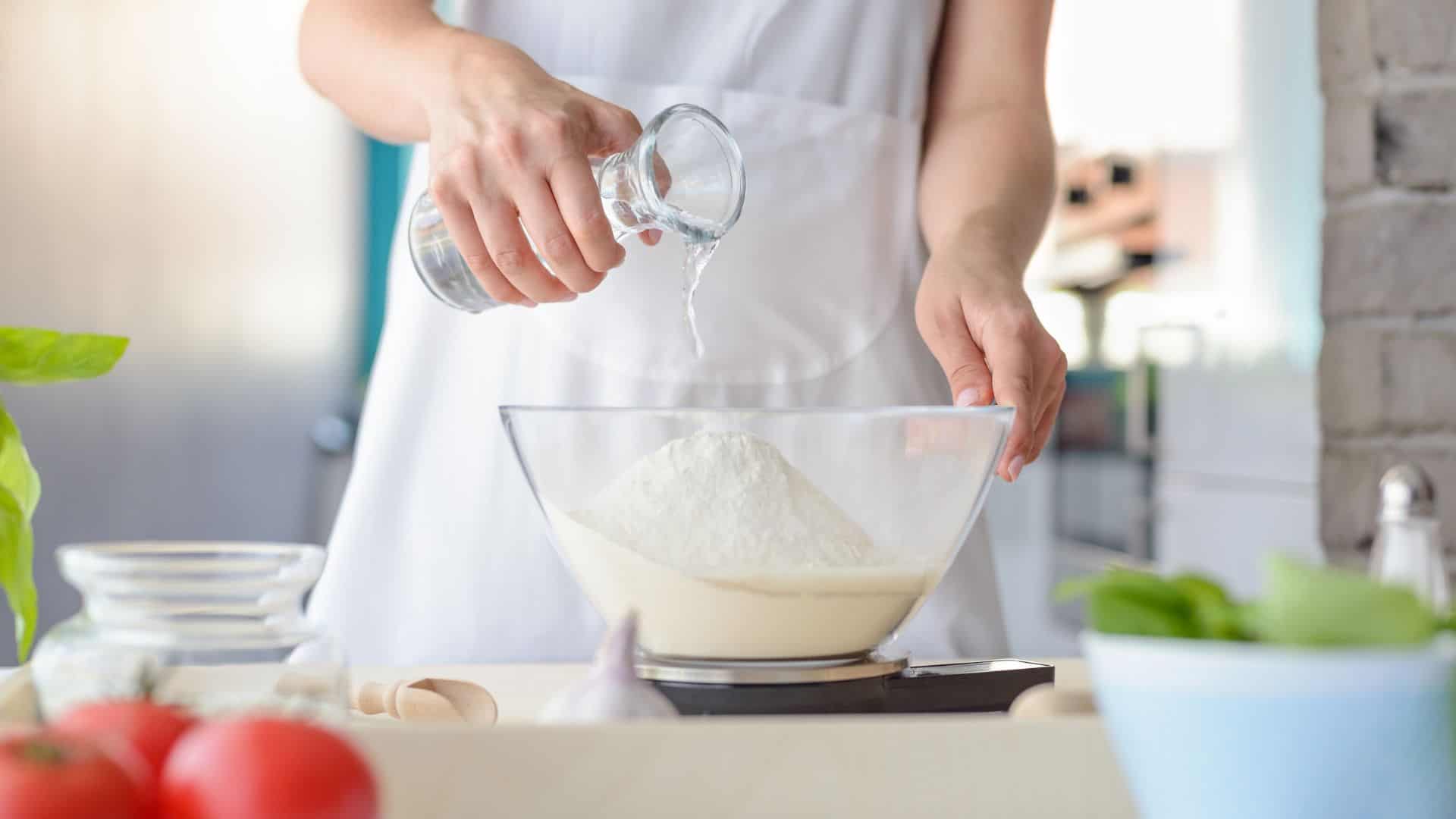
We often believe that ingredients can be added in whatever order we like, but this is not always the case. While this may work for dry ingredients such as flour and sugar, following the order of your recipe is fundamental when liquids such as milk and eggs are involved.
You don’t know good substitutes
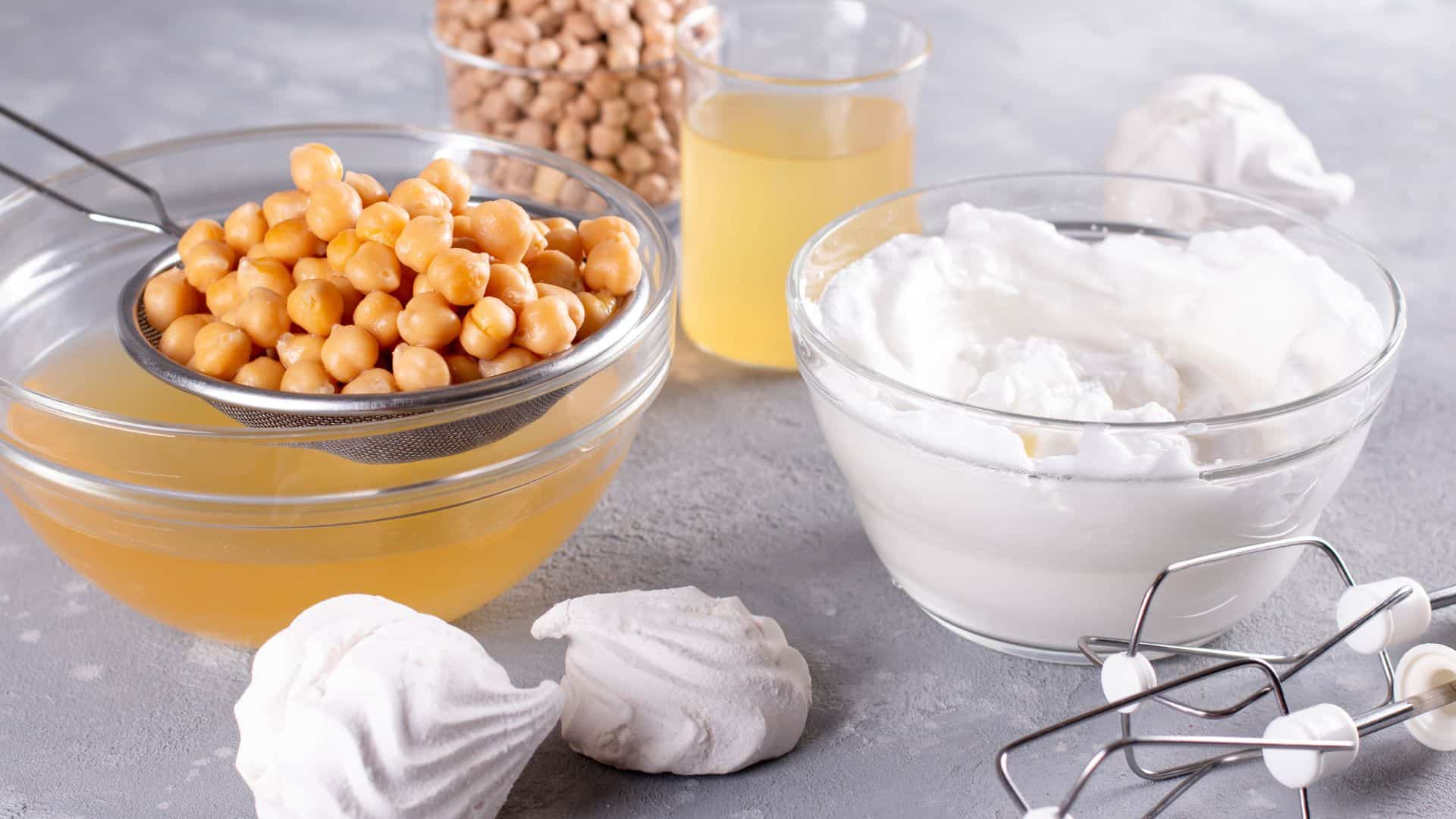
It's important to know good substitutes when cooking for people with dietary restrictions, such as vegans, or just for when you run out of ingredients. Find the most common substitute guides at the Spatula Desserts baking blog.
Not taking temperature into account
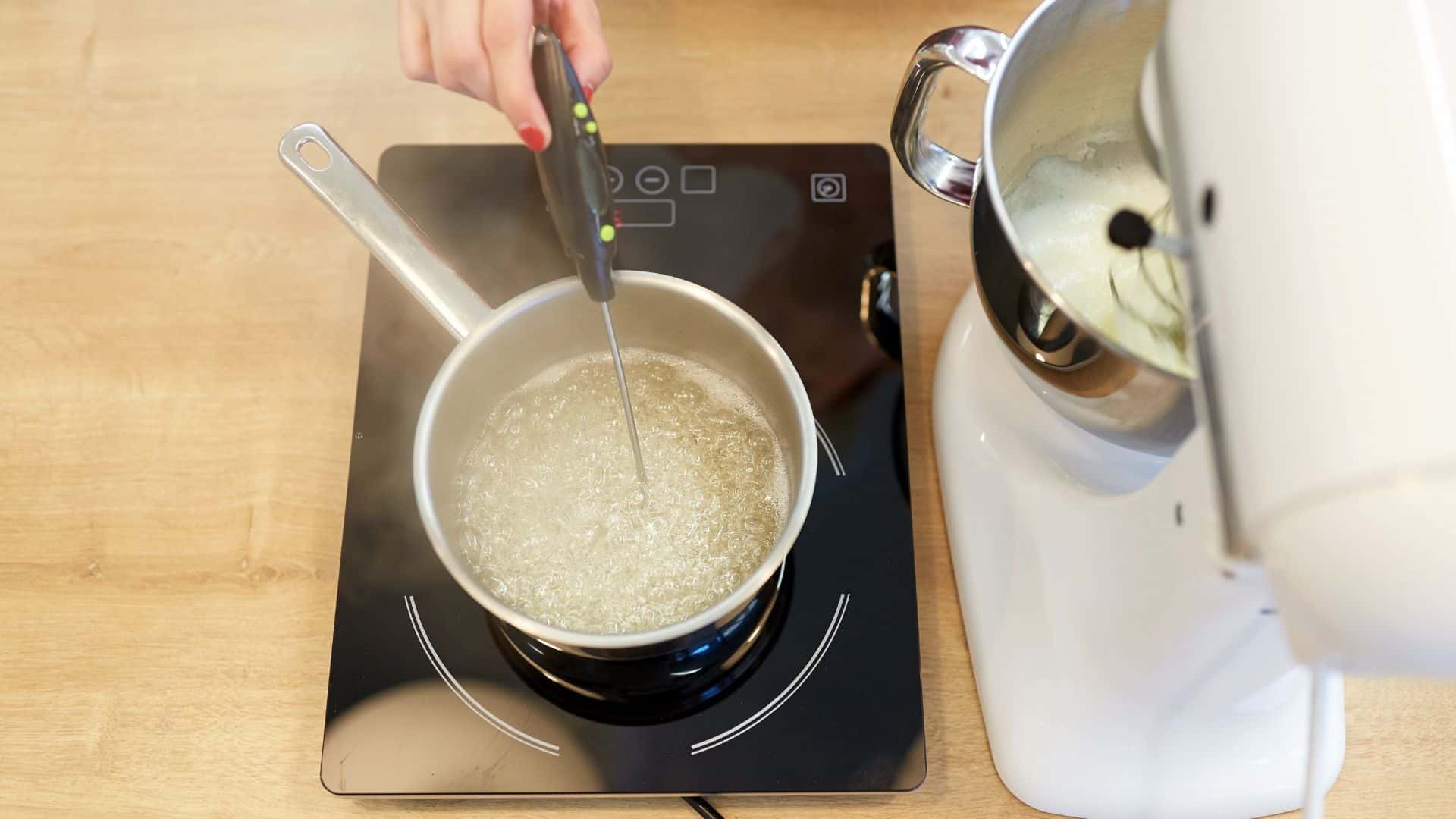
When baking, you should take into account the temperature of your oven and your ingredients. Always check your recipe to see whether items such as eggs and milk should be at room temperature before adding them to your dough.
Uneven baking
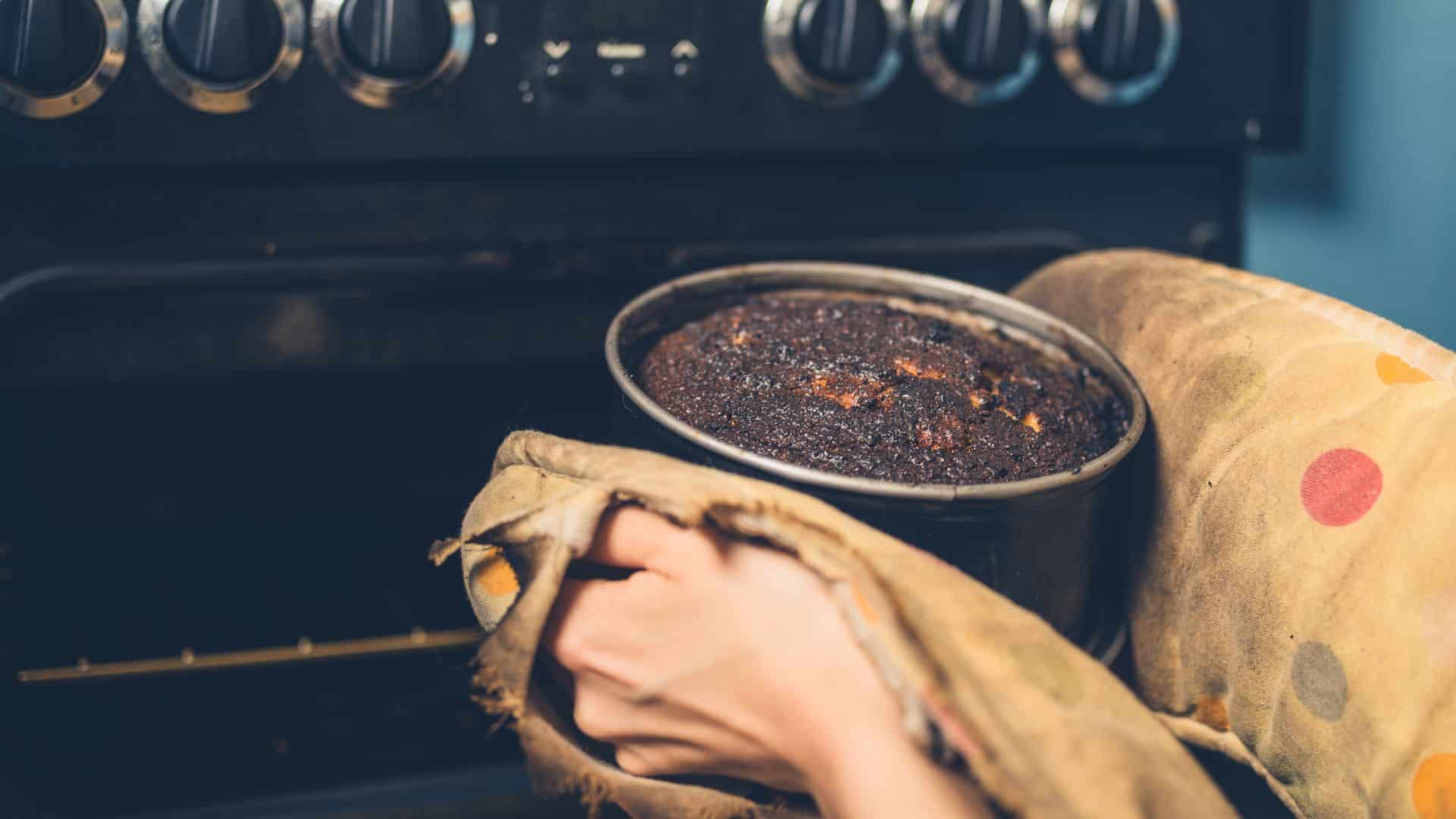
Uneven baking can occur for several reasons. You may have forgotten to rotate your items halfway, or you may have placed your dessert too close to one of the oven sides.
Too much sugar
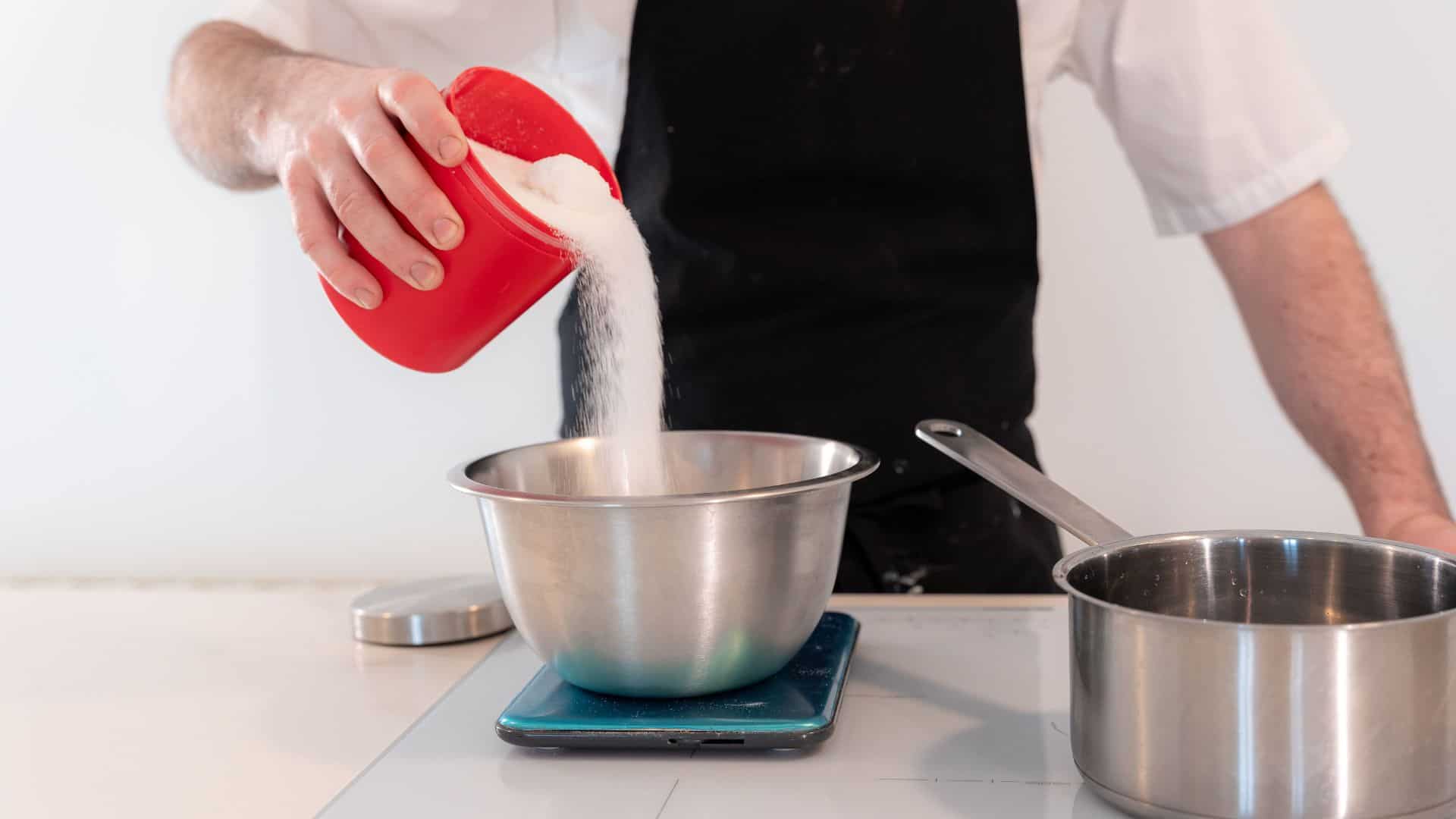
You can usually use ⅔ of the recommended sugar amount for your cookies and cakes without compromising the taste. This will result in lighter desserts, perfect for those counting calories.
Your final product is too hard

This often happens when using too much flour. Remember, always stick to the original recipe, even if your dough seems to be runny. Look for the step-by-step process images to double-check your batter versus the one in the picture.
You don’t add ‘minor’ ingredients

All baking recipes have ‘minor’ ingredients such as ‘vanilla extract’. We often skip those as we rarely have them in our kitchen. However, if you want to level up your baking game, invest some time in buying these items. They not only last forever but add that much-needed twist to your creations.
Opening the oven too often

Opening your oven too often may lead to collapsed cakes or unevenly cooked desserts. This is because heat escapes every time you open your oven’s door. To fix it, turn on your oven light and check your treat without opening the oven.
You don’t have the right tools

When it comes to baking, having the right tools is fundamental for creating the perfect desserts. Make sure you have electrical whisks, pastry brushes, a spatula, and piping bags.
Trusting Your Oven

When you turn on your oven, you trust that the temperature on the digital screen is correct. However, many ovens run too hot or too cold, which can ruin your baked goods. Invest in an oven thermometer so you can see what the temperature inside really is.
Butter Temperature

Some recipes call for cold butter, while others use butter that is softened or even melted. The temperature of the butter can make a huge difference in your recipe. Make sure you use the right type of butter as directed in your recipe.
This article was first published at Spatula Desserts.
Leave a Reply