
Walk through any grocery store or sit down at a classic diner, and it’s easy to assume certain foods are as American as it gets. They show up at cookouts and in family recipes passed down for generations. But the reality is a little more complicated. Many of these familiar favorites actually have roots in other countries, shaped over time by immigration and cultural blending.
Apple pie
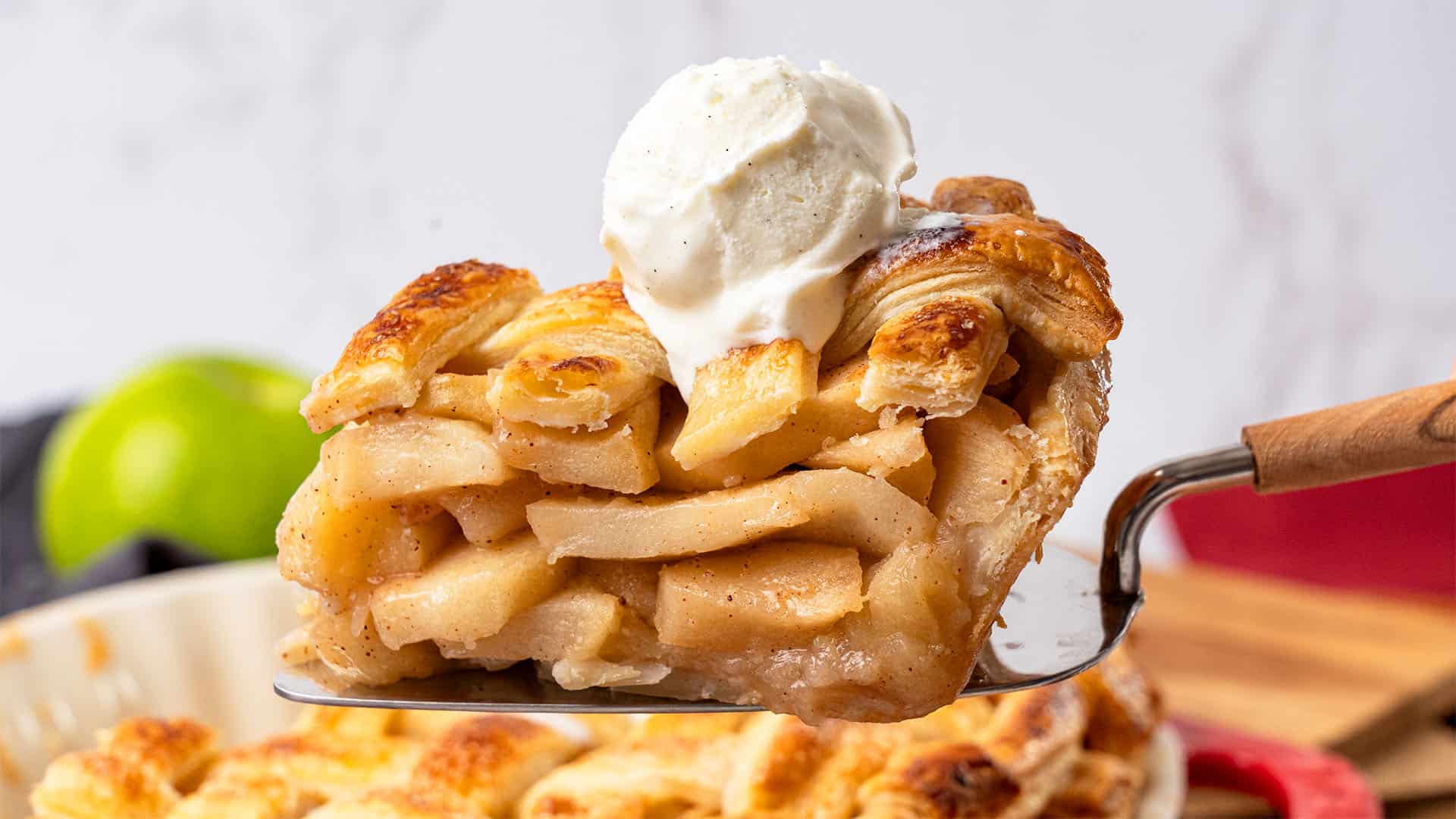
It’s hard to think of a dessert more tied to American identity than apple pie, but its roots go back to Europe, specifically England. Early versions of apple pies date back centuries, long before the United States existed. Colonists brought the concept with them, along with apple seeds and baking traditions. Over time, it became a symbol of American culture, even if it didn’t start there.
Hamburger
Despite being a staple of American fast food, the hamburger traces back to Germany. The name itself comes from Hamburg, where minced beef dishes were common. When German immigrants brought their recipes to the U.S., the concept evolved into the sandwich we know today. The bun-and-patty version became popular in America, but its roots are clearly European.
Hot dogs
Like hamburgers, hot dogs also have German origins. Sausages such as frankfurters and wieners were brought over by immigrants and eventually became a street food favorite in American cities. Pairing them with a bun and toppings helped turn them into a convenient, portable meal, perfect for ballparks and backyard grills.
French fries
Despite the name, french fries aren’t actually French. They’re originated from Belgium. The story goes that villagers fried potatoes as a substitute for fish during colder months. American soldiers stationed in Belgium during World War I encountered them and brought the idea back home, where it quickly became a fast-food staple.
Pizza
Pizza feels deeply tied to American culture, especially with styles like New York and Chicago deep dish. But its origins go back to Italy, specifically Naples. Italian immigrants introduced pizza to the U.S., where it gradually adapted to American tastes with thicker crusts, more toppings, and larger portions.
Ketchup
Ketchup might seem like the ultimate American condiment, but it actually started as a fermented sauce in Southeast Asia. Early versions were made from fish and spices, not tomatoes. The recipe evolved over time, especially after it reached Europe and eventually the United States, where tomatoes became the base ingredient we recognize today.
Mac and cheese
Macaroni and cheese is often considered classic American comfort food, but it has European roots. Pasta and cheese dishes existed in Italy and other parts of Europe long before they became popular in the U.S. The dish gained traction in America partly thanks to early recipes brought over from Europe, and later became widely known through ready-made versions.
Fried chicken
Fried chicken is deeply associated with Southern cooking, but its origins are more global. Scottish immigrants brought frying techniques, while West African culinary traditions contributed seasoning and preparation styles. The version that developed in the American South is a blend of these influences, rather than something that originated entirely in the U.S.
Meatloaf
Modern American meatloaf has its roots in Pennsylvania Dutch scrapple, a colonial-era mixture of ground pork and cornmeal introduced by German immigrants.

The dish gained iconic status during the Great Depression because it allowed families to stretch their food budgets by mixing inexpensive meat with cereal grains, bread, or crackers.
Ice cream
Ice cream is a staple at summer gatherings across the U.S., but its origins stretch back to ancient China and later Europe. Early versions were made with ice and flavorings long before modern refrigeration. The dessert evolved over centuries and eventually became widely available in America, where it turned into the classic treat we know today.

Food has a way of crossing borders and becoming something entirely different along the way. What we think of as “American” often reflects a mix of cultures rather than a single origin. These dishes didn’t lose their roots; they just adapted and found a new home.
Leave a Reply