
Gas prices have surged across the United States in 2026, reaching their highest levels since 2022. By early April, the national average has climbed to around $4 per gallon. As a result, fuel prices have become increasingly volatile, shifting not just day to day but in some areas even multiple times within the same day.
While the most visible impact is often felt at the pump, one of the earliest and most consistent knock-on effects appears in grocery stores, particularly in fresh and refrigerated foods. Fresh and refrigerated foods are among the most sensitive grocery categories to fuel price increases because they depend heavily on frequent restocking cycles and, therefore, transport.
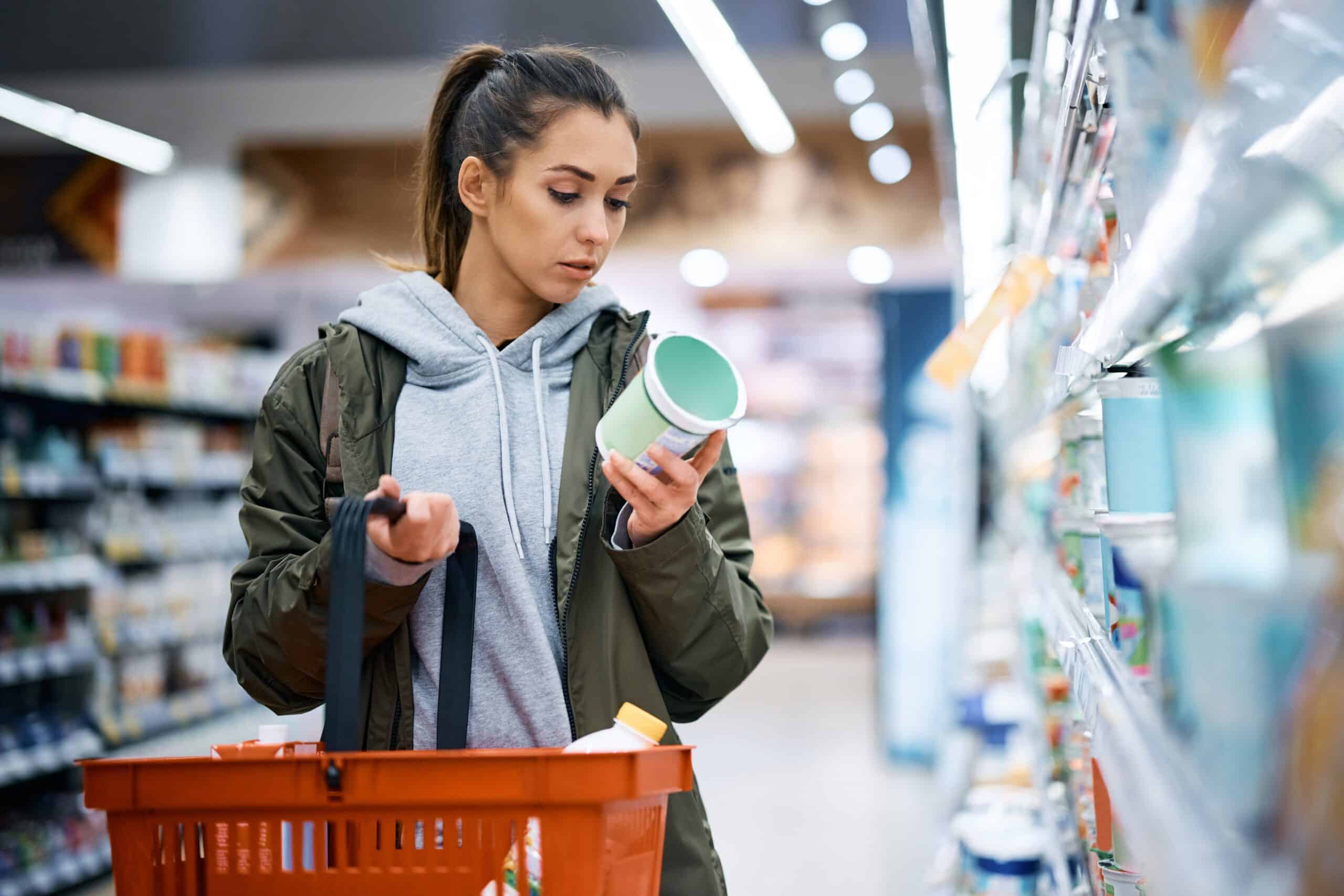
When fuel prices rise, the costs increase quickly, and retailers often adjust pricing faster in these categories than in shelf-stable goods like pasta or canned foods.
It’s also worth noting that higher oil prices have a secondary effect on food systems through fertilizer costs. Many fertilizers are produced using natural gas and other energy-intensive processes, so when energy prices rise, production becomes more expensive, and those costs eventually filter into agriculture. However, this impact is typically more visible in the medium term rather than immediately.
In other words, the oil price can affect groceries both directly (through transport and logistics, which is more immediate) and indirectly (through agricultural input costs, which build gradually over time).
Practical ways to reduce grocery costs during fuel-driven inflation
While gas prices and costs cannot be controlled by consumers, grocery behavior can be adjusted to reduce exposure to inflationary pressures. The most effective strategies tend to focus on structure rather than restriction.
Build meals around what you already have
One of the most effective ways to cut grocery spending is to start with what’s already in your kitchen instead of what you feel like buying. Most households regularly underestimate how much usable food is already sitting in the fridge, freezer, and pantry.

Begin by doing a quick “inventory check” before planning any meals. Look for ingredients that are close to expiry, half-used items, frozen proteins, or pantry staples like rice, pasta, canned beans, and sauces. These often form the base of complete meals but get overlooked when shopping lists are written first.
From there, plan meals by anchoring them to those existing ingredients. For example, a pack of chicken in the freezer can become stir-fry, a pasta dish, or a rice bowl depending on what vegetables and sauces you already have.
This approach reduces grocery runs and lowers food waste.
There’s also a compounding effect: when you consistently “shop your kitchen first,” your grocery list becomes shorter and more targeted.
Reduce shopping frequency and increase planning efficiency
This approach works in two complementary ways. First, reducing shopping frequency can directly lower gas costs by reducing unnecessary driving. Frequent short trips to the store may seem harmless individually, but over time they add up in both fuel consumption and vehicle wear, especially when prices at the pump are high.

Less frequent shopping tends to improve spending behavior in-store as well. When people shop more often, they are more exposed to impulse purchases (items picked up without planning), often because they are on promotion or conveniently placed. These smaller, repeated purchases can quietly inflate the total grocery bill.
Prioritize frozen and shelf-stable foods
Prioritizing frozen and shelf-stable foods is a particularly effective strategy when gas prices are high because it reduces exposure to the most fuel-sensitive parts of the food supply chain.
Fresh foods—like fruit, vegetables, dairy, and meat—require frequent transportation, refrigeration, and fast turnover. That means they are heavily affected when fuel costs rise, since every step of the supply chain depends on energy-intensive logistics.
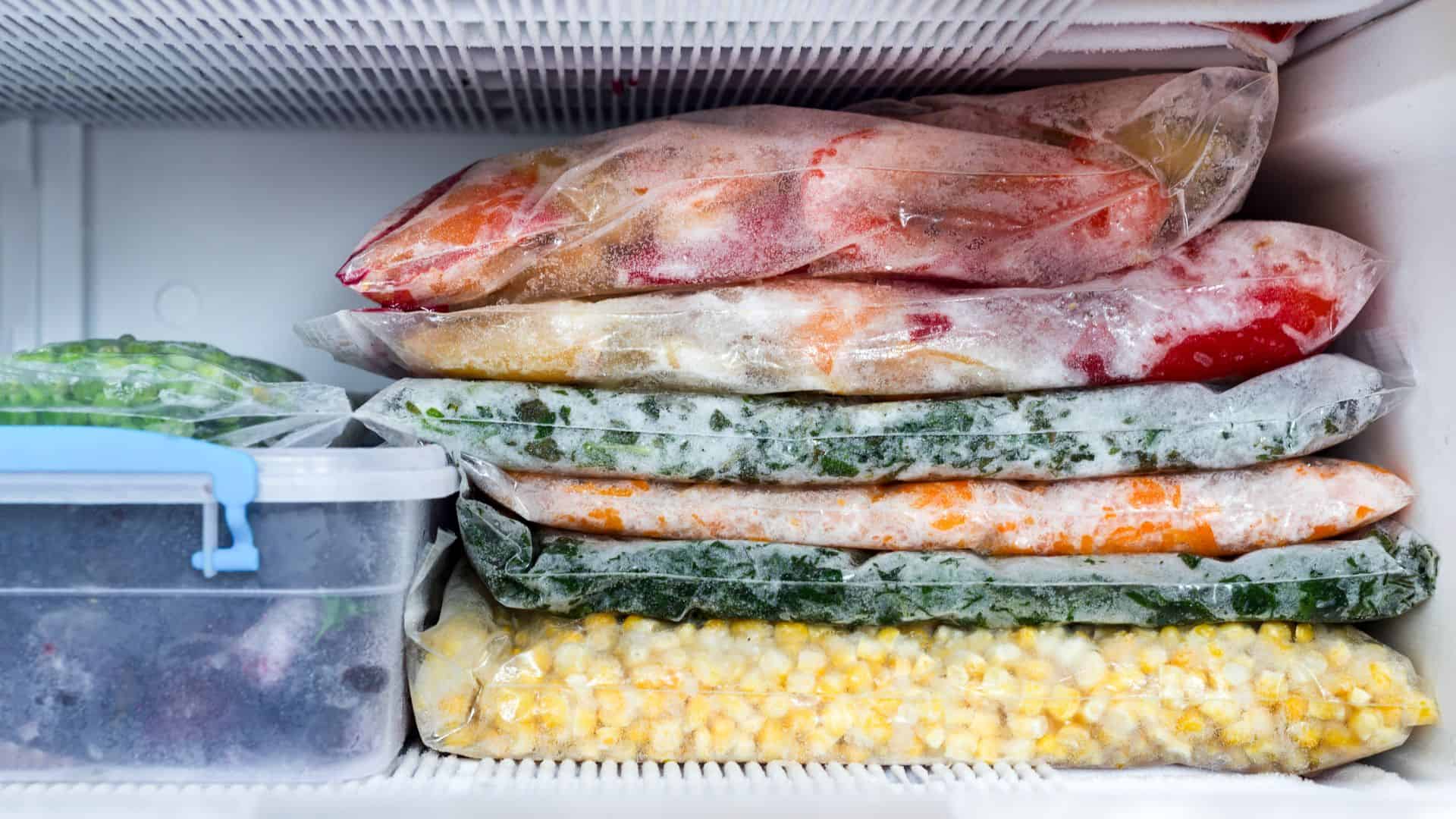
Frozen and shelf-stable foods, on the other hand, are typically transported less frequently and stored for longer periods. Frozen products are often processed and packaged at scale, then shipped in bulk and held in cold storage, which helps smooth out short-term fuel price spikes. Shelf-stable items like rice, pasta, beans, canned goods, and grains are even less sensitive to transport volatility because they do not require refrigeration and have long distribution cycles.
This makes them more resilient to fuel-driven inflation in two key ways: first, their production and storage reduce the need for rapid, frequent transport; second, retailers are less likely to adjust prices as frequently as for fresh goods.
What remains within your control
Food inflation linked to fuel costs is a structural issue in modern supply chains, but its impact on individual households is not uniform. Geography, shopping habits, and product choices all play a role in determining the final cost of groceries.

While we cannot control upstream cost pressures, we can control our exposure to them. Shifts in shopping behavior can realistically reduce overall grocery spending even in periods of rising prices.
Fewer shopping trips reduce fuel use and impulse spending, better planning reduces waste, and more intentional purchasing helps avoid paying premium prices. Even in periods of sustained inflation, these choices create a buffer that helps stabilize household food spending and keeps budgets more predictable.
Yvonne Platte
Love your practical advise, as a chef I hate wasting and I do tend to get creative with what is available, just do not ask for a repeat of the dish made, it is a once off, there may be adaptations, use what you have!