
We’ve all heard food advice that sounds legit—but turns out to be completely wrong. From eggs to microwaves to carbs, some myths just won’t die, no matter how many times they’re debunked. But knowing the truth can help you make better, healthier choices and stop wasting time on outdated beliefs. These 14 common food myths have misled people for years. It’s time to clear things up once and for all.
Note: The content of this article is for informational purposes only and is not a substitute for professional advice. Always consult with a qualified professional for advice tailored to your individual circumstances.
A glass of wine per day is good for your health

If you think this sounds too good to be true is because it is. While past research seemed to have suggested that moderate drinking could lead to some benefits, the scientific community now agrees on the opposite.
Eating before swimming is dangerous

There is no scientific evidence suggesting that you should wait before entering the water after a meal. So go ahead and enjoy the sea or your local swimming pool!
Parents should not give peanuts to young kids
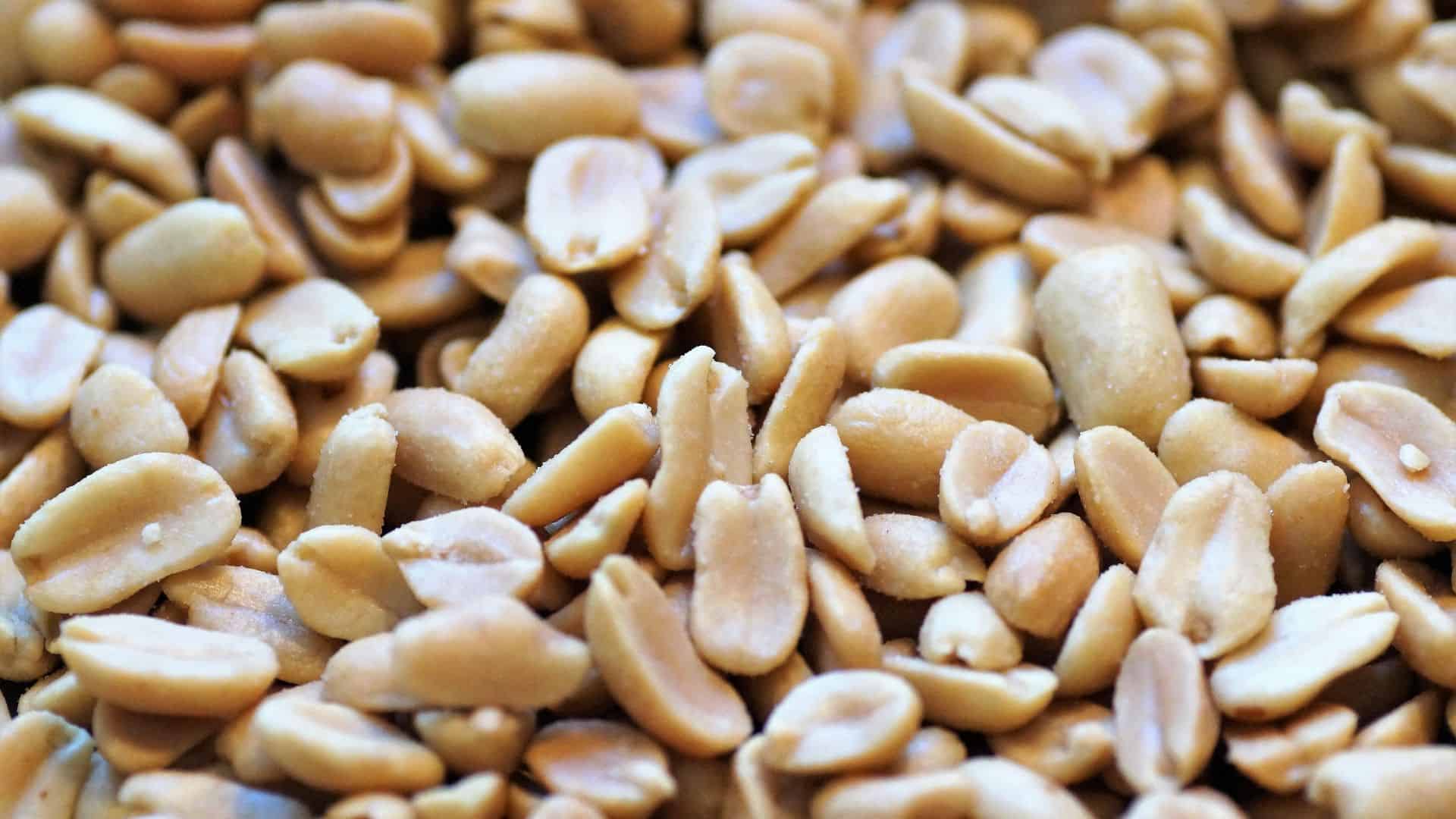
According to an article published in the New York Times, the National Institute of Allergy and Infectious Diseases suggests introducing kids to this food early on. Experts suggest giving puréed or finger food containing peanut powder to toddlers of less than six months of age, but avoid feeding them whole peanuts.
Soybeans increase the risk of breast cancer

Eating moderate amounts of food containing soybeans won’t increase your risk of developing breast cancer. So, unless you eat more than two servings per day of whole-soy foods, such as tofu, soy milk, and edamame, you’ll be fine.
Frozen food is not as healthy as a fresh one

We often believe that frozen food is somehow less nutritious than fresh food, but this is not the case. At times, frozen products can even have better nutritional values, especially when it comes to vitamins A, C, and folic acid.
Fats will make you fat
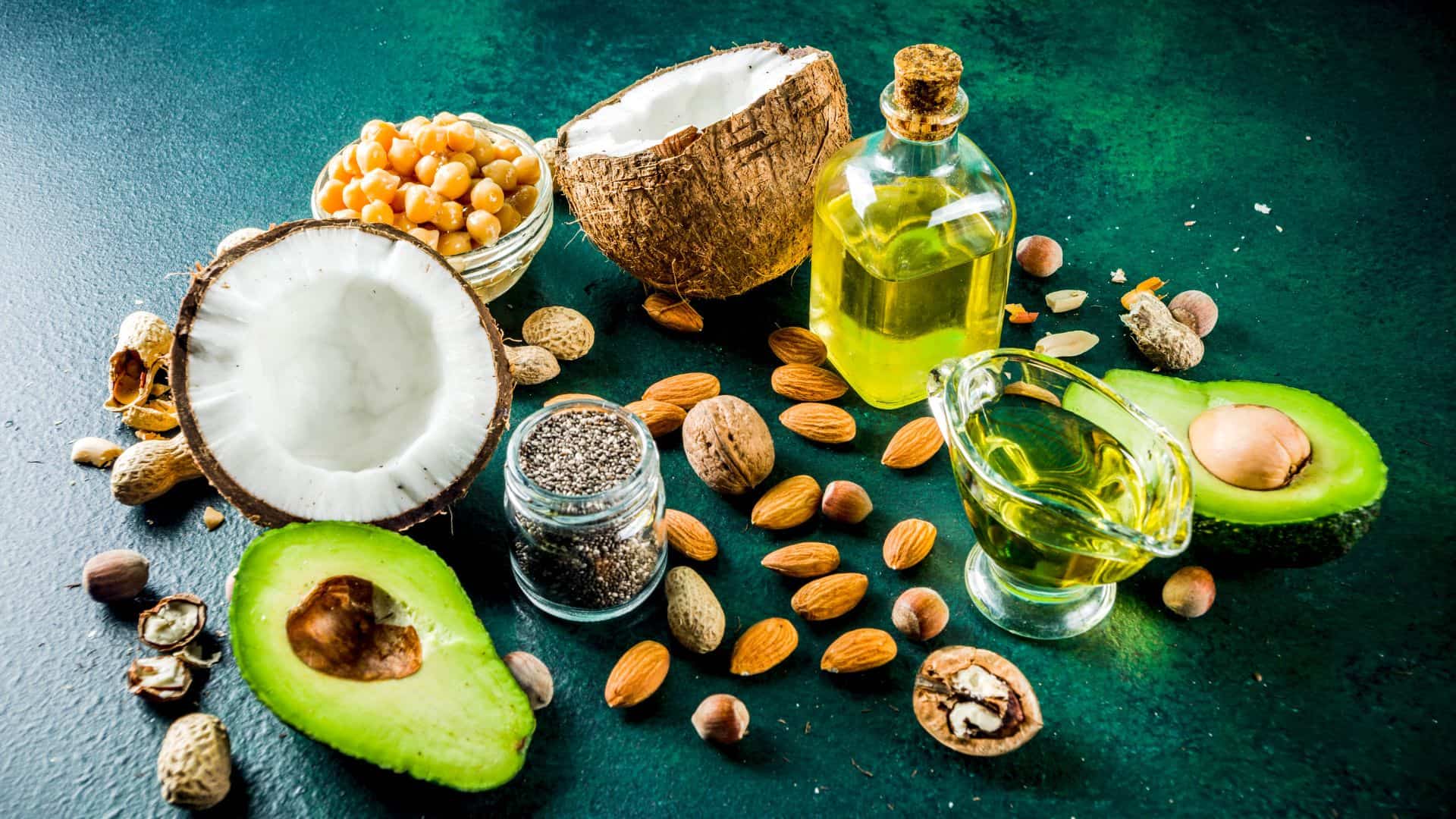
Despite their name, fats won’t make you fat, especially if you opt for healthy ones, such as those found in avocado, olive oil, and nuts. Fats are a fundamental part of our diet, and humans cannot live without them.
Celery burns more calories than it gives you

Unfortunately, the idea that celery burns calories seems to be total nonsense. While this vegetable is low in calories, it still won’t make you lose weight.
An apple a day keeps the doctor away
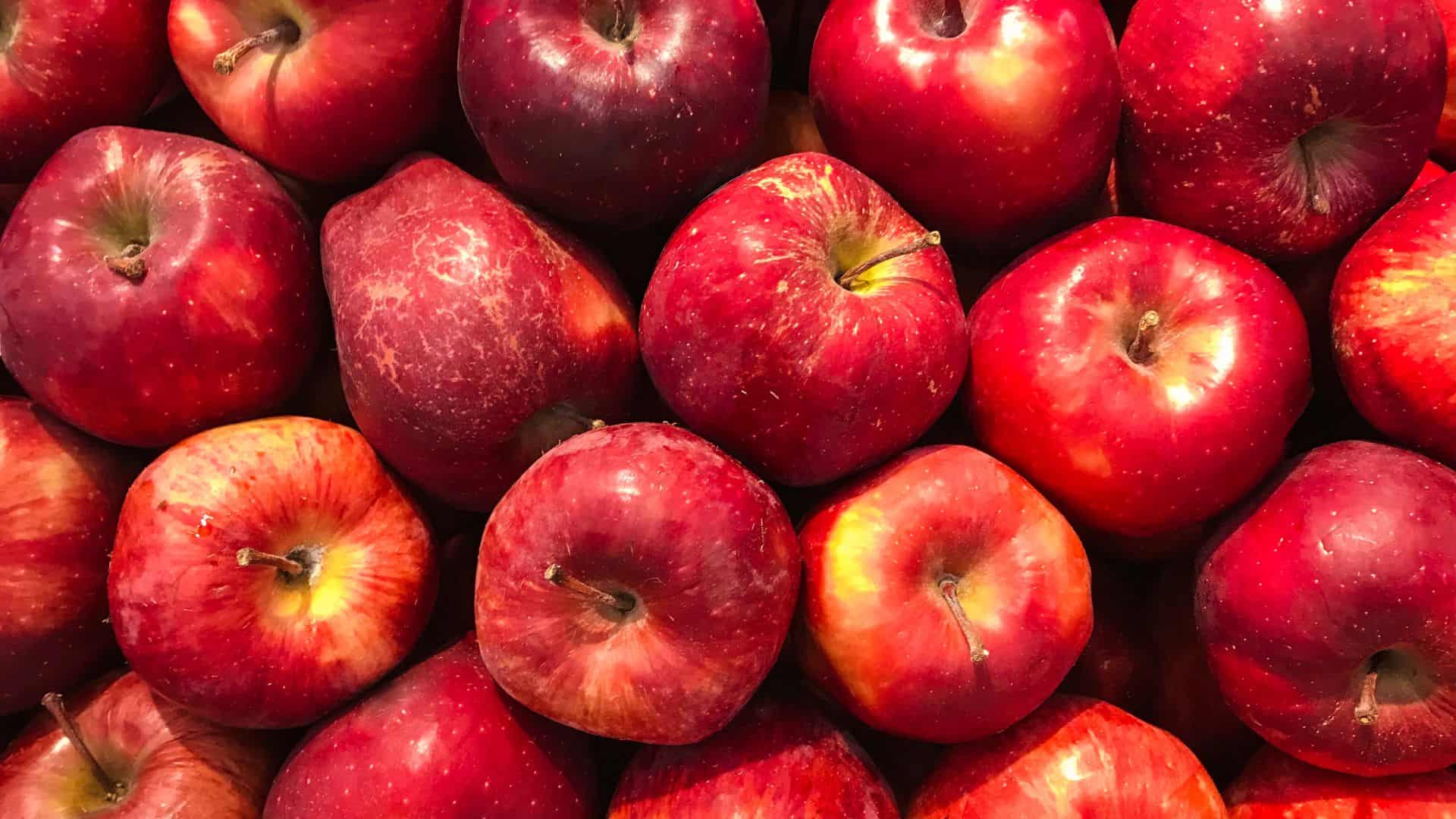
Apples are a good source of vitamins and minerals but eating one a day won’t do miracles for your health. Rather than eating an apple a day, people should maintain a balanced lifestyle and diet over time.
Your acne will disappear if you don’t eat certain foods

Unfortunately, though some food may make your acne worse, there is no scientific consensus on the notion that you can cure this skin condition by changing your diet. However, a correlation was found between acne and foods high in fats and sugar.
Proteins in plants are not complete

Contrary to common beliefs, proteins in plants contain all the essential amino acids necessary for survival. The only difference between these and those found in animal proteins? The proportions of amino acids found in plant proteins are not ideal, and you may have to eat several plant-based foods to get a good variety.
Skipping breakfast makes you gain weight

No scientific evidence shows a correlation between skipping this meal and weight gain. Plus, eating right after waking up doesn’t speed up your metabolism, as some people seem to suggest.
People with type 2 diabetes should avoid fruit
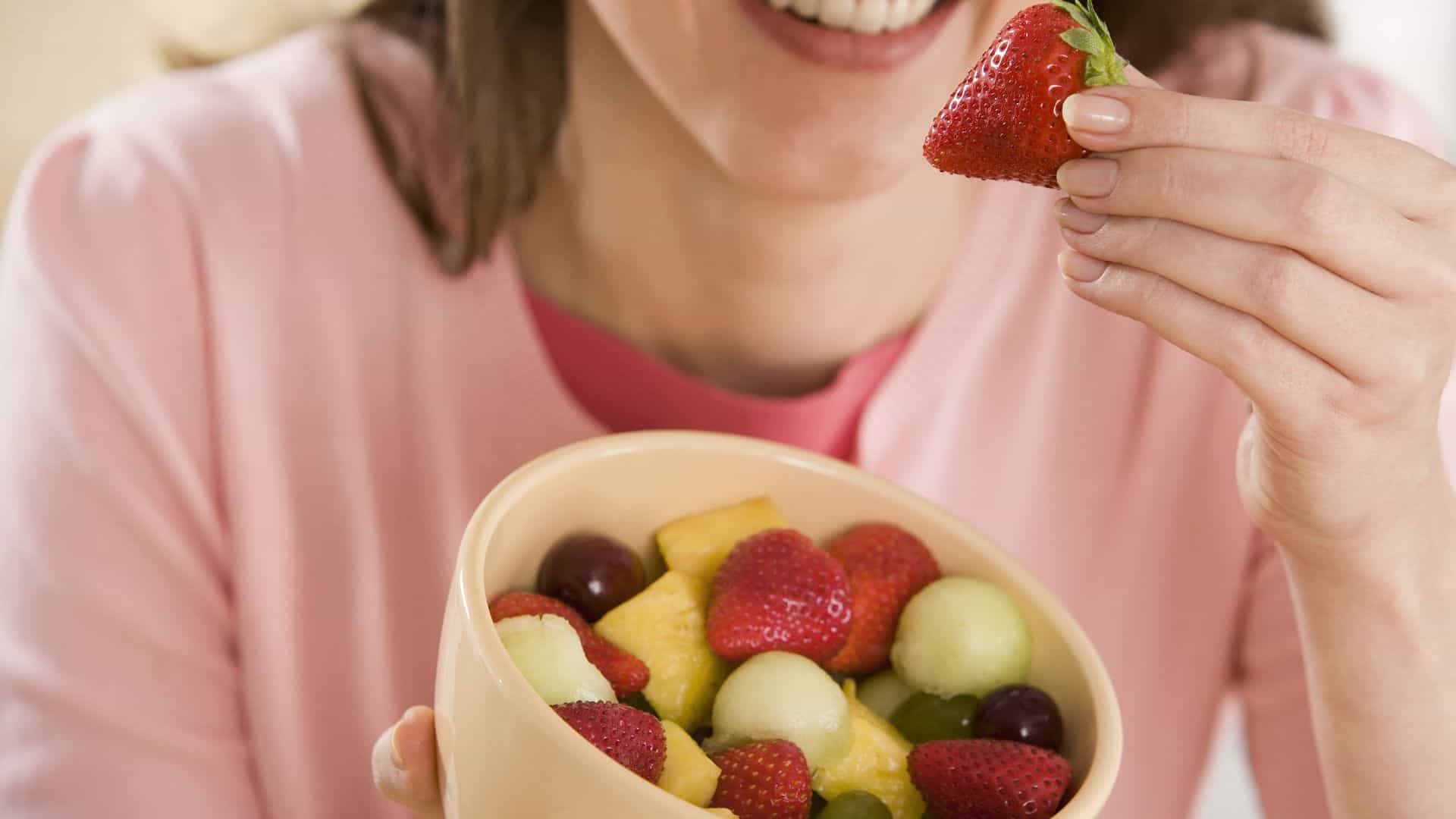
Research suggests that people with type 2 diabetes may benefit from eating fruit as these can help control sugar levels.
Different Flavored Loops

Many people look at a big bowl of Fruit Loops and assume that they are all different flavors. However, fruit loops are actually all the same flavor despite their color. So, no, that pink one is not a raspberry, and the yellow ones do not taste like lemons! They are all just "Froot" flavored!
Fry An Egg Outside

Have you ever heard the myth that claims you can fry an egg on the sidewalk when the weather is hot? Well, this is almost impossible. An egg needs a temperature of at least 158 degrees F to begin to cook. A scalding hot sidewalk probably won't reach higher than 145 degrees F. So, you will have to keep cooking eggs on your stovetop!
This article was first published at Spatula Desserts.
Leave a Reply