
The snack aisle looks harmless until you read the labels.
Some of the most popular junk foods in the U.S. pack more sugar and additives into a single serving than many people realize, and the risks often hide behind clever marketing or familiar comfort.
This list looks beyond the obvious candy bars and soda cans. A few well-known offenders make the cut, but many are foods people eat casually, assuming they are no big deal.
Microwave popcorn
Microwave popcorn marketed as movie-style or extra buttery can be deceptively harsh. The issue is not just calories. Many varieties are loaded with artificial flavoring and sodium levels that rival fast-food fries. The serving size is also hard to understand. People often don't realize they're eating far more calories when popcorn is loaded with various toppings.

Snack cakes
Individually wrapped snack cakes stay soft for weeks or months for a reason. They rely on emulsifiers and high-fructose corn syrup to keep texture and flavor stable. These cakes spike blood sugar levels quickly and have no nutritional value. Kids and adults tend to eat these like crazy as a quick treat or even a necessity, packed in school lunches.
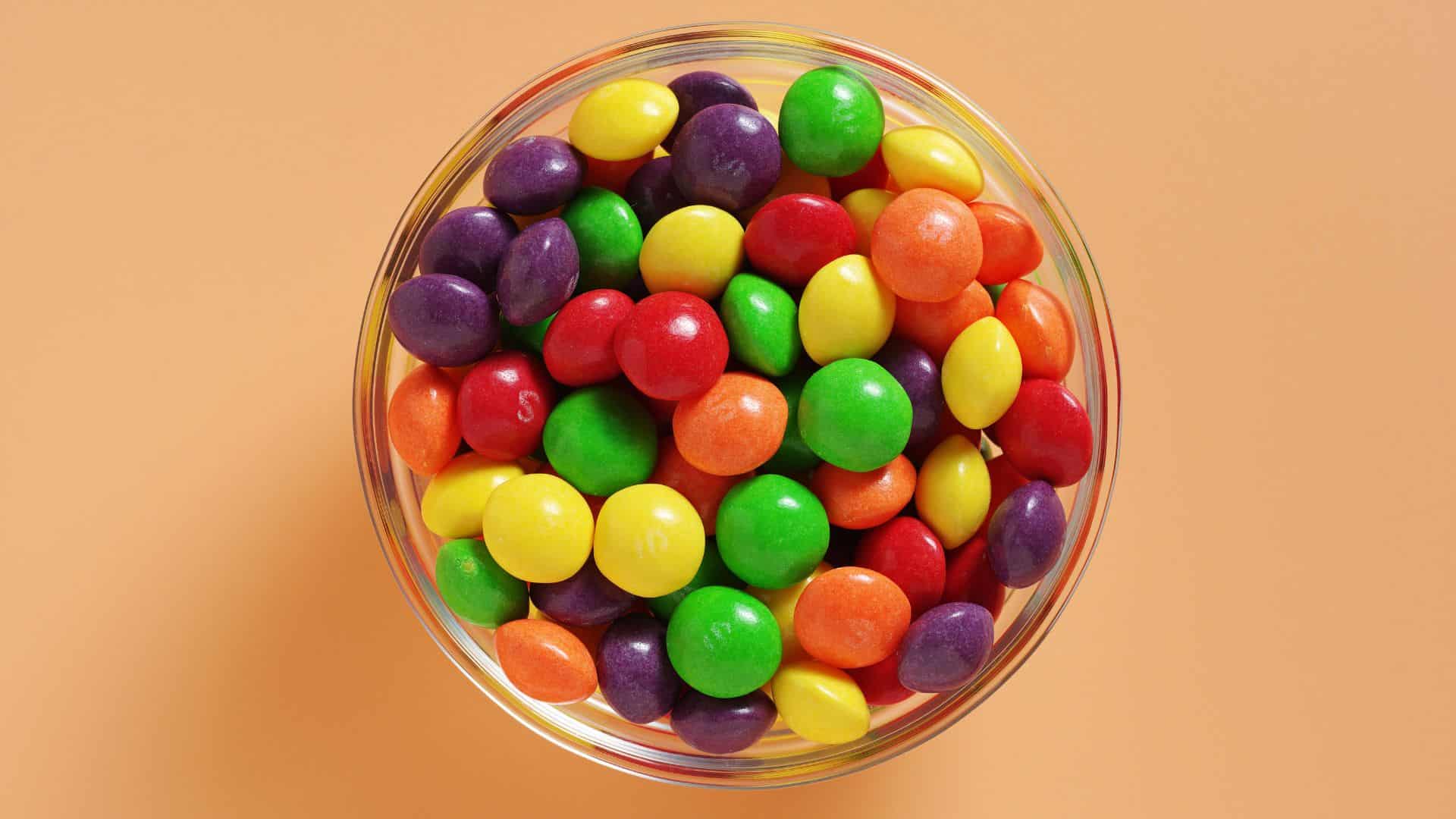
Skittles
Skittles rely on artificial colors and flavorings to create their bright appearance and intense taste. Like many chewy candies, it offers little beyond sugar and additives, making it one of the simplest examples of empty calories in the snack aisle. Skittles are also among the American banned foods in other countries because of the ingredients and food dyes used.
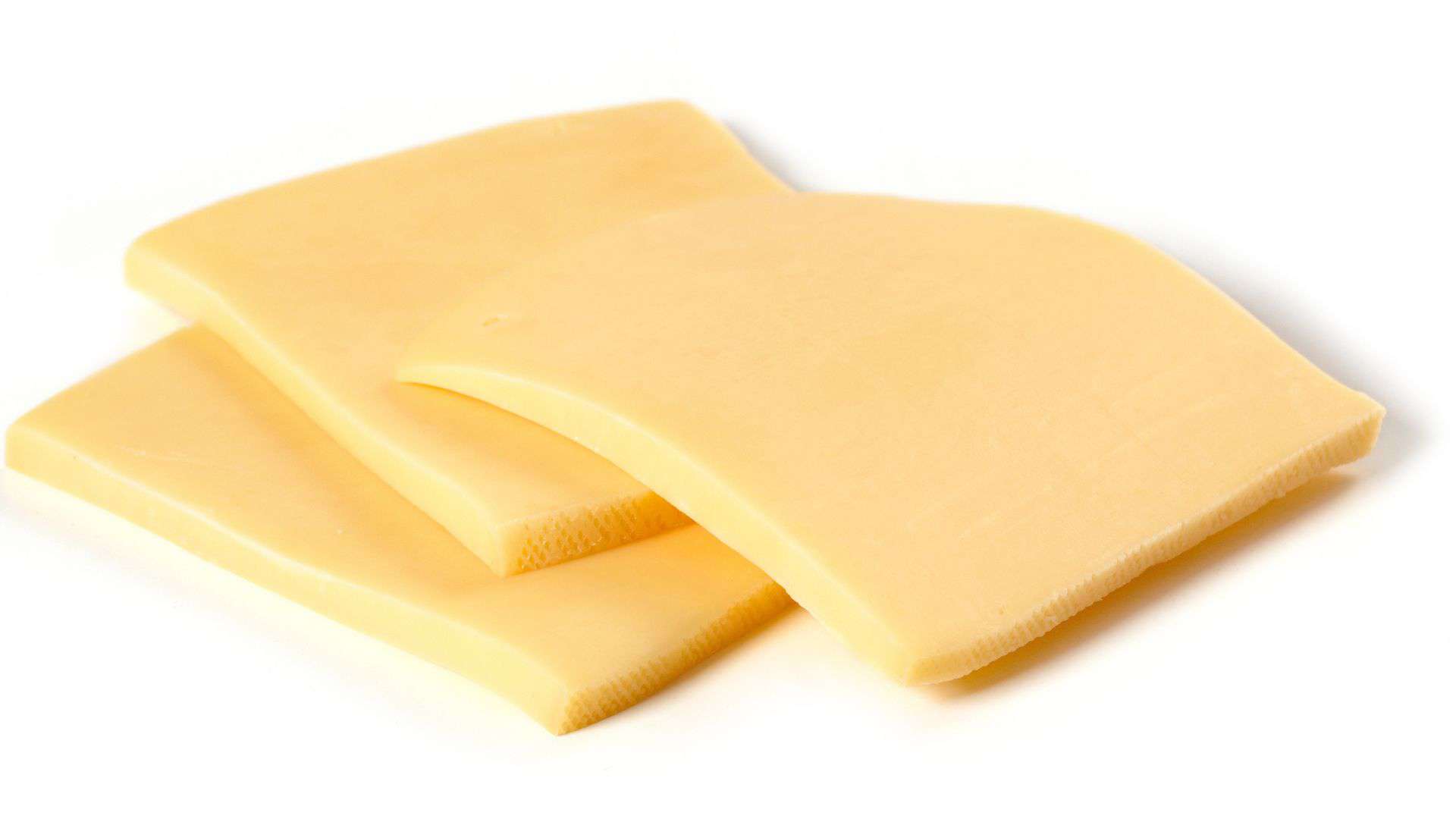
Processed cheese
Cheese slices and spreads that melt perfectly are often more chemistry than dairy. They are typically high in sodium and offer far less calcium and protein than real cheese. You might be shocked to read the ingredients actually listed on the product. Most of them contain minimal dairy and a lot of preservatives.
Pizza rolls
These bite-size snacks combine several problems at once: refined carbs, processed meat, sodium, and saturated fat. A small serving rarely feels like enough, which makes overeating easy.
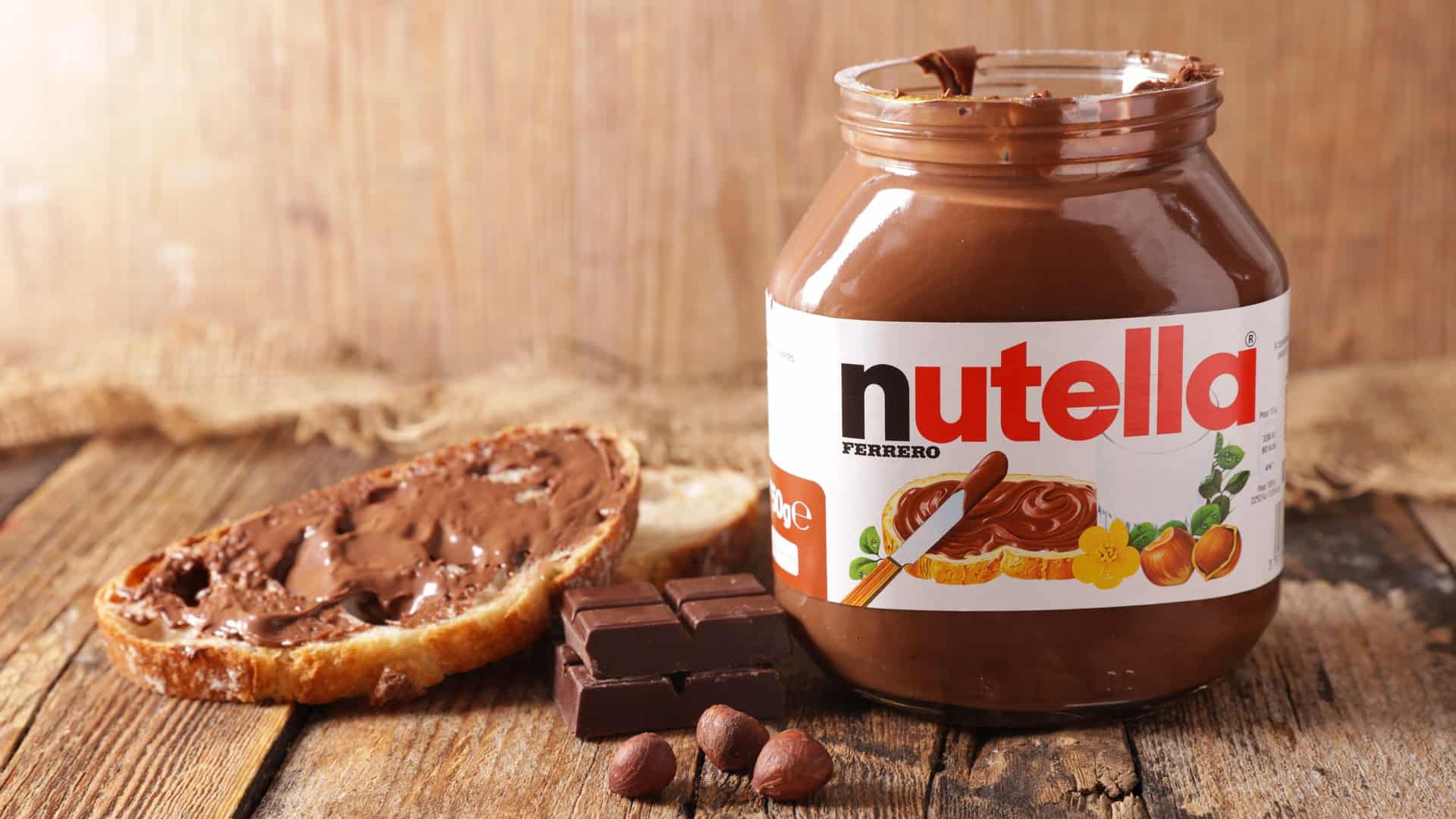
Nutella
Nutella is often associated with hazelnuts and cocoa, but sugar is its main ingredient. A two-tablespoon serving contains a significant amount of added sugar and palm oil. Because it spreads easily and tastes mild, it is easy to use more than the suggested portion. Paired with bread, it becomes a sugar-heavy snack with little fiber or protein to balance it.
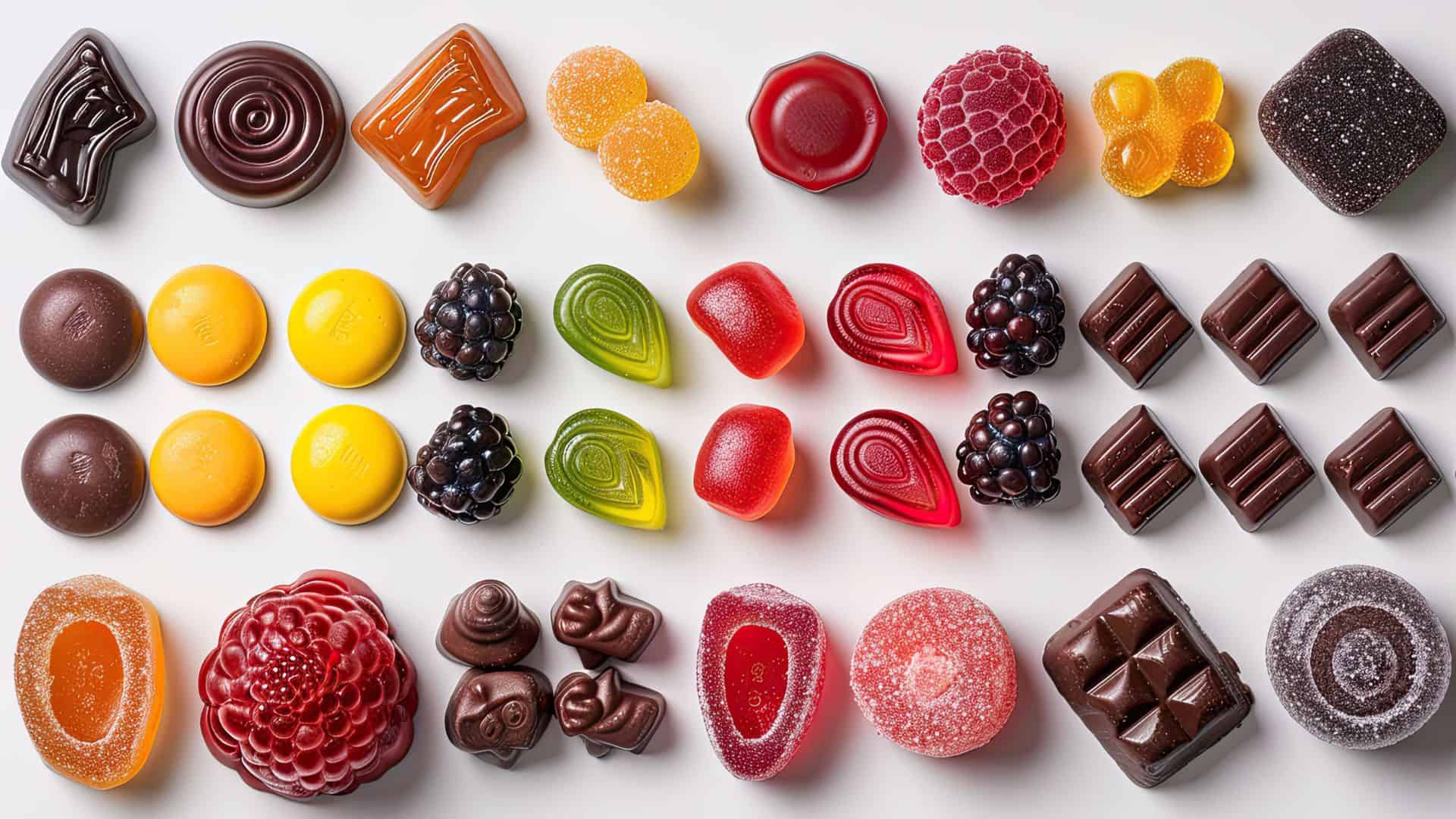
Fruit gummies
Gummies shaped like fruit or labeled with fruit imagery are usually little more than sugar and dyes. The real fruit content is often negligible. These candies stick to teeth, spike blood sugar quickly, and provide none of the fiber that real fruit offers. Even packages that say "made with real fruit juice" need to be inspected carefully, as often, it's minimal and one of the smaller ingredients added.
Fast-food breakfast sandwiches
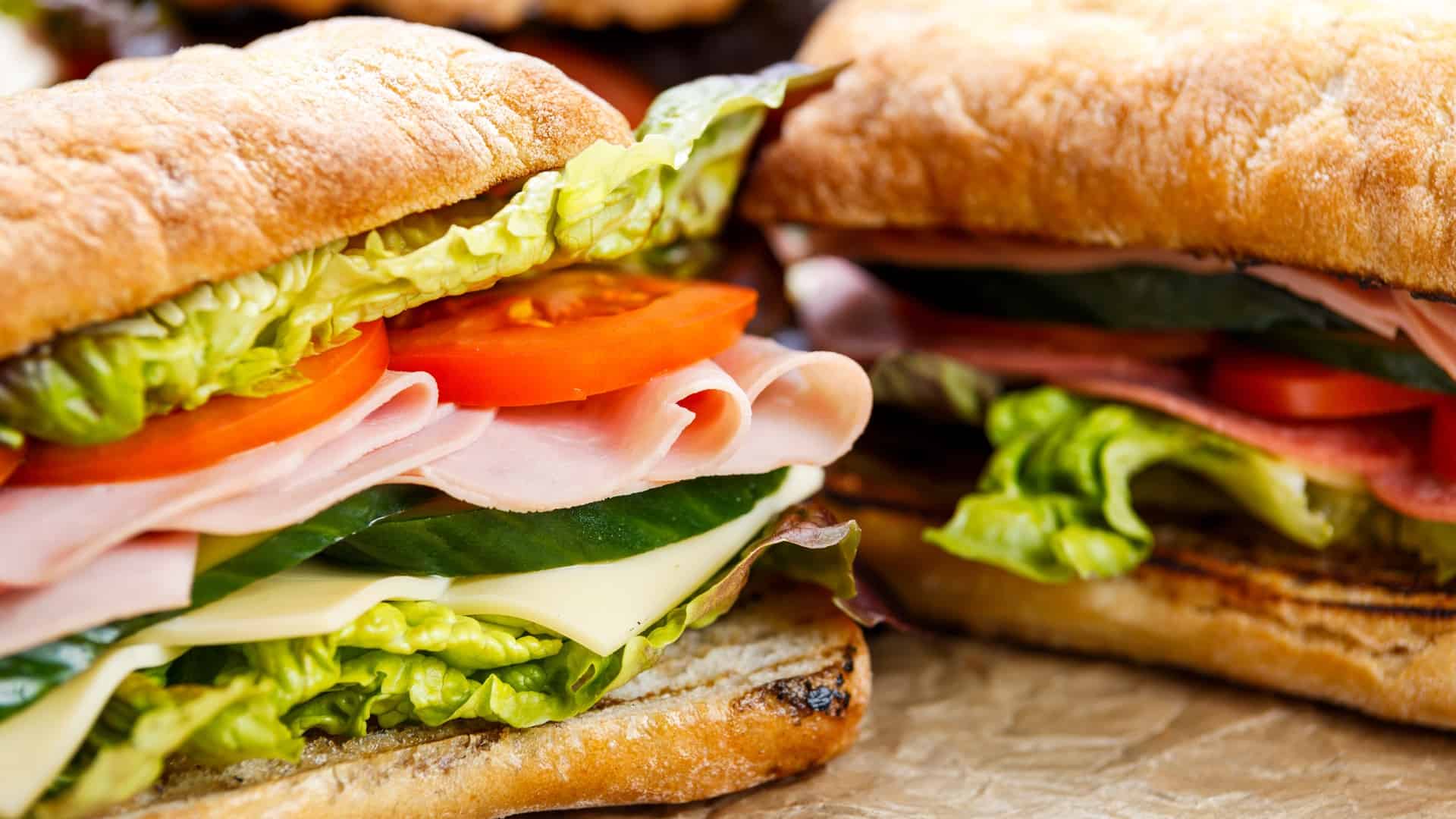
Breakfast sandwiches may look lighter than burgers, but many pack just as much sodium and saturated fat. Processed meats and cheese combine into a meal that leaves people hungry again soon while quietly pushing daily salt limits.
Bottled sweet tea
Sweet tea in bottles or cans can contain as much sugar as soda, sometimes more. Because it is marketed as tea, many people drink it casually throughout the day. The result is a steady sugar intake without the satiety that food provides. Sipping a drink loaded with calories and sugar all day is hard on the body and gut and can easily lead to a calorie surplus.

Instant noodles
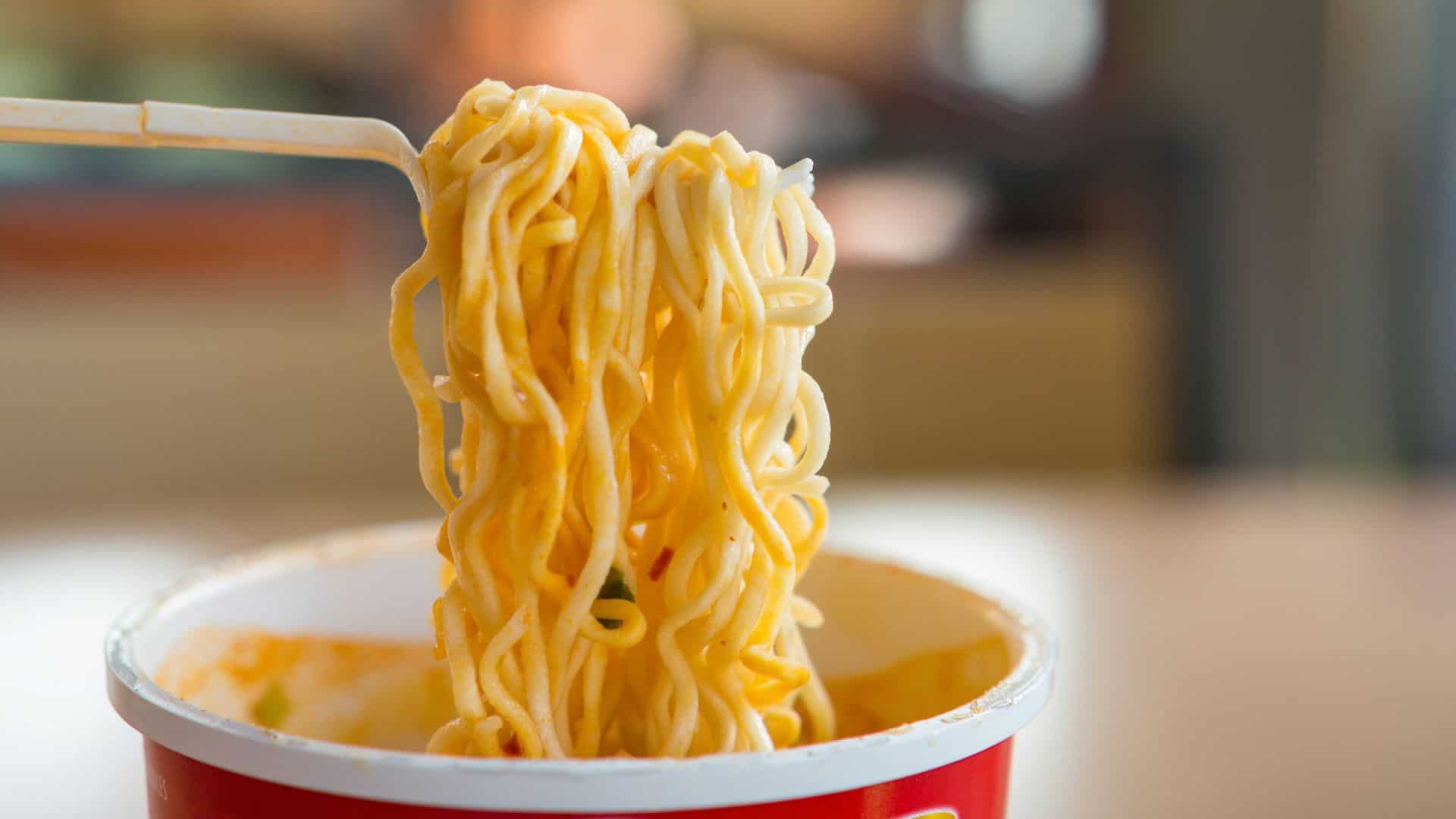
Instant noodles are cheap and can be total comfort food, but the seasoning packets are sodium bombs. Some single servings contain most of a day’s recommended sodium intake. Additives enhance flavor while masking the lack of actual nutrition. One small package of instant noodles can have anywhere from 300 to 500 calories, which means it's a quick lunch that can catch up with you later if eaten in excess.
Protein bars
Most protein bars are closer to dessert than smart snacks. They rely on syrups and flavoring to taste good while offering modest protein. People often eat them daily, assuming they are making a smart choice.
The marketing industry has done an amazing job of labeling everything as high-protein. A protein bar that delivers only 8-10 grams of protein while packing 200+ calories isn't really a great option and will have you feeling hungry again soon.
Pop Tarts
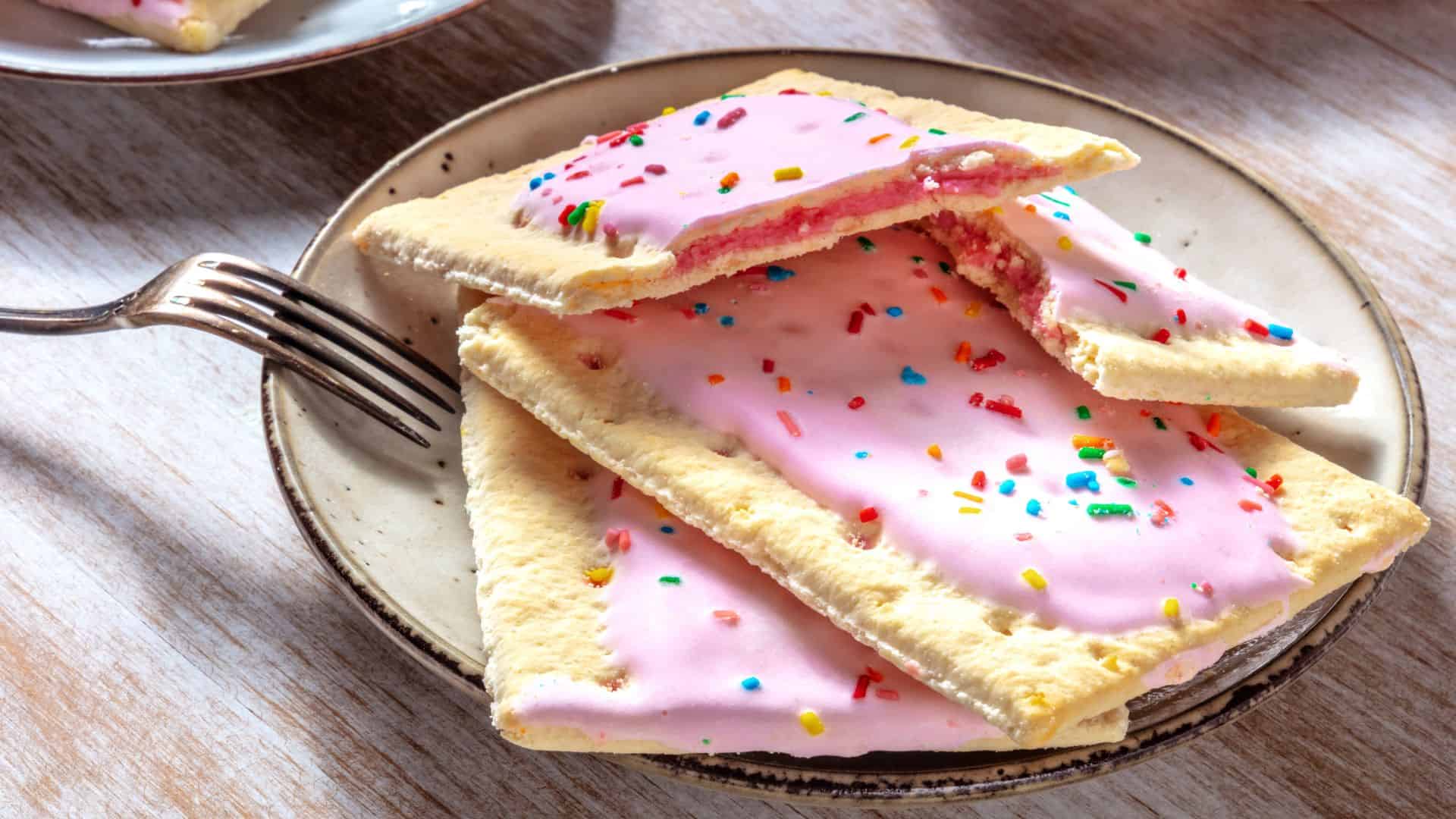
Pop-Tarts are marketed as a quick breakfast, but nutritionally, they lean closer to dessert. A single pouch contains two pastries, and finishing both can mean taking in a large dose of added sugar along with refined flour and saturated fat. They are low in fiber and protein, which means they rarely keep people full for long. Frosted varieties add even more sugar on top.
Why these foods matter
None of these foods is dangerous in isolation. The issue is frequency and perception. Many of them are eaten often because they feel normal or slightly better than other options. Over time, that pattern can crowd out foods that support steady energy and long-term health.
Ultra-processed junk foods are designed to be easy to eat and shelf-stable. That combination works well for sales but poorly for health. When people feel constantly tired or hungry shortly after eating, these foods are often to blame.
The takeaway
Junk food in America is not limited to candy and soda. It shows up in foods that wear a healthy disguise. Reading labels and paying attention to how food actually makes you feel can reveal a lot.
Eating better does not require perfection or fear. It starts with awareness. The more familiar these hidden junk foods become, the easier it is to decide when they are worth it and when they are not.
Leave a Reply