
Meeting with strangers' kids can quickly become uncomfortable, leaving parents to decide how much to tolerate in the moment. This situation centers on differing views of politeness, safety, and what lessons children should take away.

The story
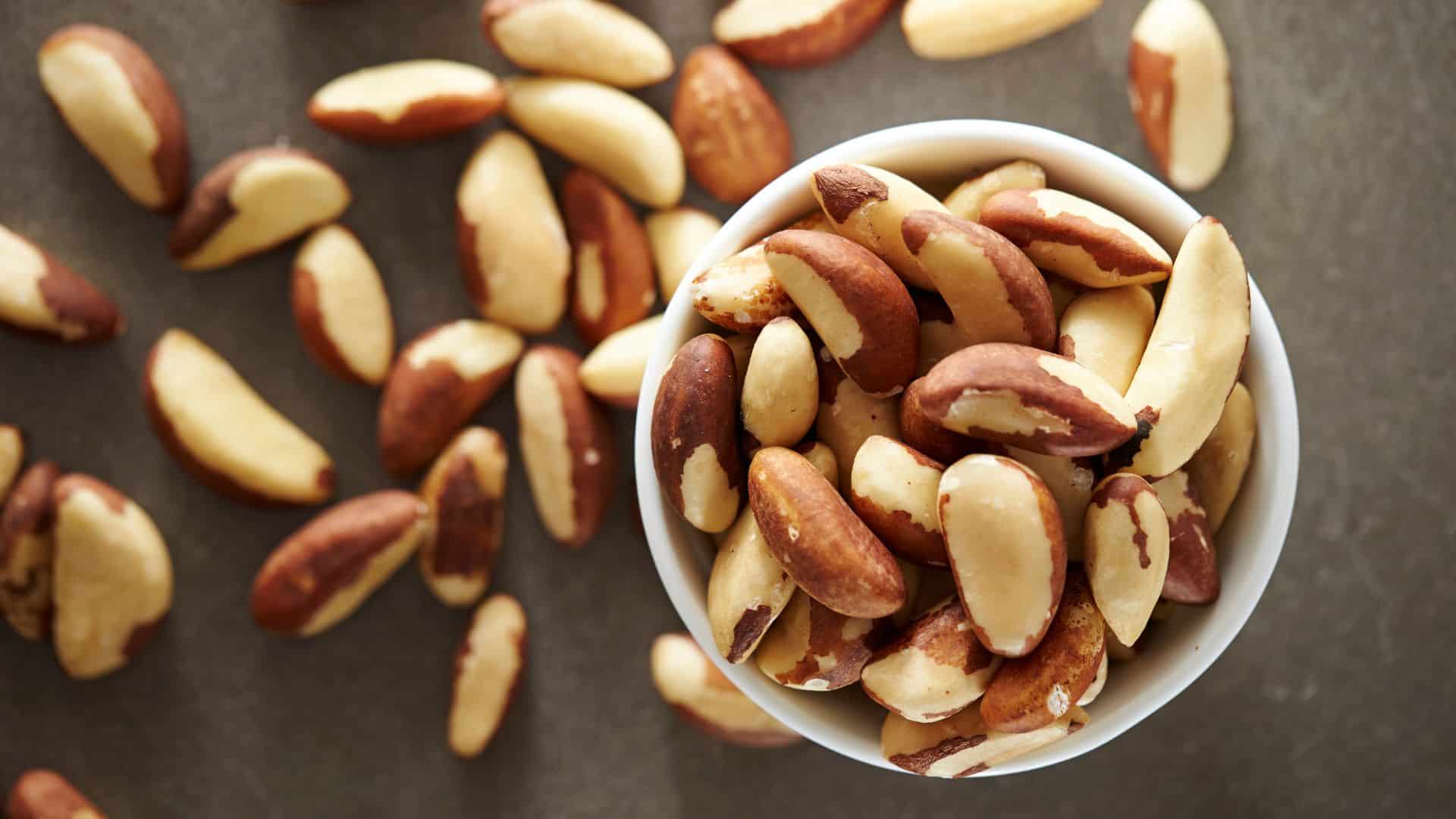
A recent Reddit poster asked, "Am I in the wrong for not letting a kid eat my food?" She went on to say that she was at the mall with her boyfriend and their two kids, and they were sitting and eating roasted chestnuts from a bag. Another child started hovering close by. He then whispered something into her son's ear, to which her son nodded "yes", and the boy walked over to her and reached his hand into the bag for a chestnut. She moved the bag and told him "no" and that he needed to ask his parents. Her boyfriend told her she was rude, then gave the boy a chestnut.
After the boy left, she told him that you don't feed other people's kids. The boy comes back and takes two more chestnuts from the bag. She stands up and tells him no, and he puts the chestnuts back and runs off.
She didn't want her kids to think it was okay to act that way, but her boyfriend doesn't agree and says she was being selfish. She asked whether she was in the wrong, and over 1,000 people commented.
The reactions
Most people agreed that allergies are real and common, and that a big risk was taken in giving him a chestnut.
One person said, "Your boyfriend could have killed the kid. How does your boyfriend know the kid is not allergic to nuts?"
Chestnut allergies and nut allergies are never a joke. They're a common allergy that can be deadly. That in itself should have stopped him from giving the child a chestnut.
Another person pointed out, "Strange interaction to me as I was taught to never accept anything from strangers."
We all were. Everyone grew up hearing not talk to or take things from strangers. This boy didn't know it, or didn't care to follow that rule.
One person wrote, "Your boyfriend sounds like he is easily swindled by 'innocent' pleas."
There is no amount of begging that should have made him think that it was okay to give that child a snack of any kind.
This person said, "I’d have held the bag close to me and tried to keep it shut."
Same. Telling the child no wouldn't feel good, but it's not worth the risk. Telling the child to ask their parents is the responsible answer.
This. "Allergies exist and so do weird people, kidnap plots, and strange situations."
So much truth and all scary. You never know the stranger's intentions, even a child. When you're in a public place with your own children, you can never be too careful.
One comment said, "I think you handled the situation well - polite but firm."
Most of the people on the thread agreed with this wholeheartedly. It was the right call to say no from the beginning, and it's frustrating that her boyfriend had a different thought and said that in front of the kids.

When politeness conflicts with safety
Situations like this tend to spark strong opinions. Many people are taught from a young age that sharing is polite and that refusing a request can feel unkind.
Food safety and social comfort are two different things. Food, especially nuts, carries real risks. Allergies are common and sometimes life-threatening. A decision to hand a snack to a child with an unknown medical history is a gamble. Responsible people are expected to think several steps ahead, even when others might see the situation as harmless.
Children learn what is acceptable by watching how adults respond in everyday moments. Allowing a stranger to take food without permission sends mixed signals about consent and ownership. It also places pressure on children to comply with requests they may not fully understand. Saying no teaches that personal boundaries exist and that it is acceptable to enforce them.

Disagreements are inevitable, but undermining a decision in the moment can create confusion. They notice tone, body language, and reactions far more than people realize. When one reverses another’s boundary, it can unintentionally teach that rules are flexible if challenged enough.
Protecting children, modeling consent, and avoiding unnecessary risks matter more than preserving a stranger’s brief feelings. In everyday life, small moments can carry outsized lessons. This situation reinforces that kindness should never override caution, and that saying no is sometimes the most responsible choice.
Leave a Reply