
Dining out comes with a set of shared expectations, some explicit and others implied. When a meal is prepared correctly but does not align with a diner’s personal taste, it can put both customers and restaurants in an uncomfortable position. These situations prompt broader questions about responsibility and fairness, and about where the line should be drawn between subjective disappointment and a valid reason to refuse payment.
The story
A recent Reddit post sparked an interesting conversation about customers not paying for food because they didn't like it. The poster went on to say that they've been in the restaurant industry for a few years and are amazed at the number of people who refuse to pay for food just because they didn't like it.
They questioned whether their manager should keep allowing people to get free food and whether it's a common practice. They recently went to a restaurant that literally said on the menu, "We do not comp food for simply not liking it", and they loved that. They asked whether anyone else was annoyed by this happening to customers, or if they were used to it.

The reactions
There were comments from people who worked in the restaurant industry, as well as from others who just offered their thoughts.
One person said, "To me, this isn’t the kind of clientele I’d want anyway, though, people who think they can 'get one over on the system' - why would you want the business of someone who comes in looking for a free meal?"
While it makes sense to say that, you can't always control customers who come into a restaurant. Anyone can do this, whether it's a high-end restaurant or not.
Another comment said, "They ate the evidence. No reason to give them a full belly and a refund."
There's no way anyone should eat the entire plate, then decide they didn't like it and want a refund. That's like going swimming at the public pool for an hour, then deciding you didn't like the temperature and asking for your admission fee back. It just doesn't work that way.
This person commented, "Personally, I’d never ask for a refund just because I don’t like something. If I come back I’ll just order something else."
That's what most people would do. Or they'd decide that they were just done with that restaurant after they didn't care for what they ate, and just move on. Why would you keep visiting a place that serves food that you don't like? It doesn't make any sense.
Good question. "When exchanging, which plate gets charged? The one initially ordered or the new one? Or neither?"
This was actually answered in the thread, stating that the new plate is the final charge added to the bill, not the plate they were dissatisfied with.
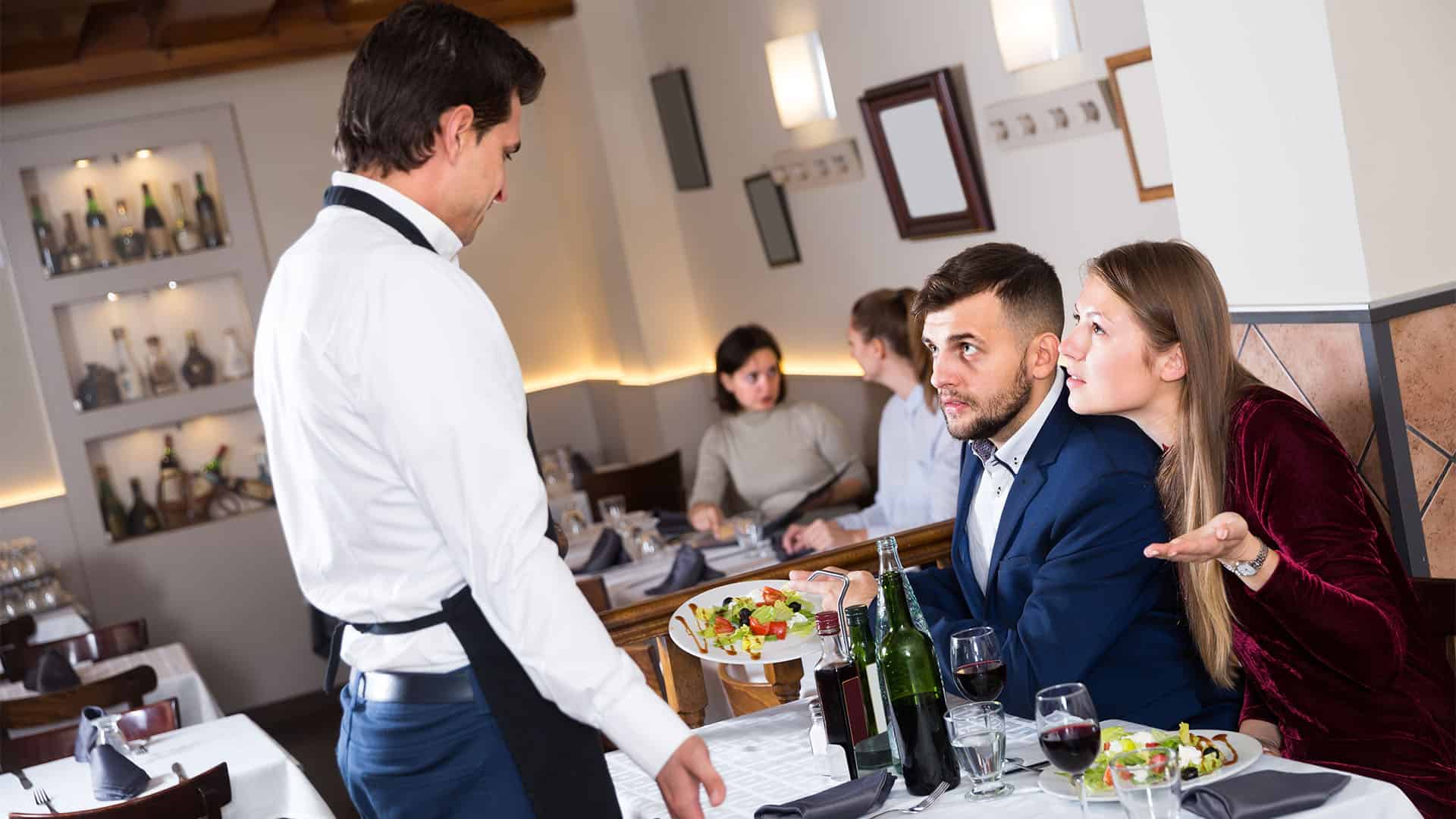
Someone mentioned this. "If it happens a lot then the restaurant has an issue with setting expectations. Usually a menu description rewrite will help. "
A description or picture that doesn't do the dish justice might be the reason. If people get their hopes up about a dish and it doesn't come out as it should, that should be discussed and returned right away, not after they've eaten it all.
Here is a comment from someone who deals with this in real life. "Restaurant manager chiming in, I do the comp, but still hate it."
It's an annoyance, but there's not a lot that can be done. More than likely, this is a super small percentage they actually deal with, but it still has to feel horrible when it happens, no matter how often.

A line between preference and responsibility
Eating out always involves making a choice. A menu presents various options, but it doesn’t guarantee that you will enjoy your meal. Disliking a meal doesn’t necessarily mean that a mistake was made. When dissatisfaction leads someone to refuse to pay, it shifts the responsibility for personal preference onto another person.
There is a difference between food that is prepared incorrectly and food that isn't liked. One is a service issue that deserves to be fixed. The other is part of the risk that comes with trying something new. Treating those two situations the same creates uneven expectations and places the burden on people who had no control over the outcome.
Clear boundaries help everyone. They protect people from being put in uncomfortable positions and reinforce that value exists even when an experience is not perfect. Accepting that not every choice will be a hit is part of participating in any transaction, especially one involving food.
Leave a Reply