
Hosting a family often brings quiet expectations about timing and appreciation. When those expectations are not met, even an ordinary dinner can turn tense. What begins as a small moment at the table can carry weight well beyond the meal itself.
The story
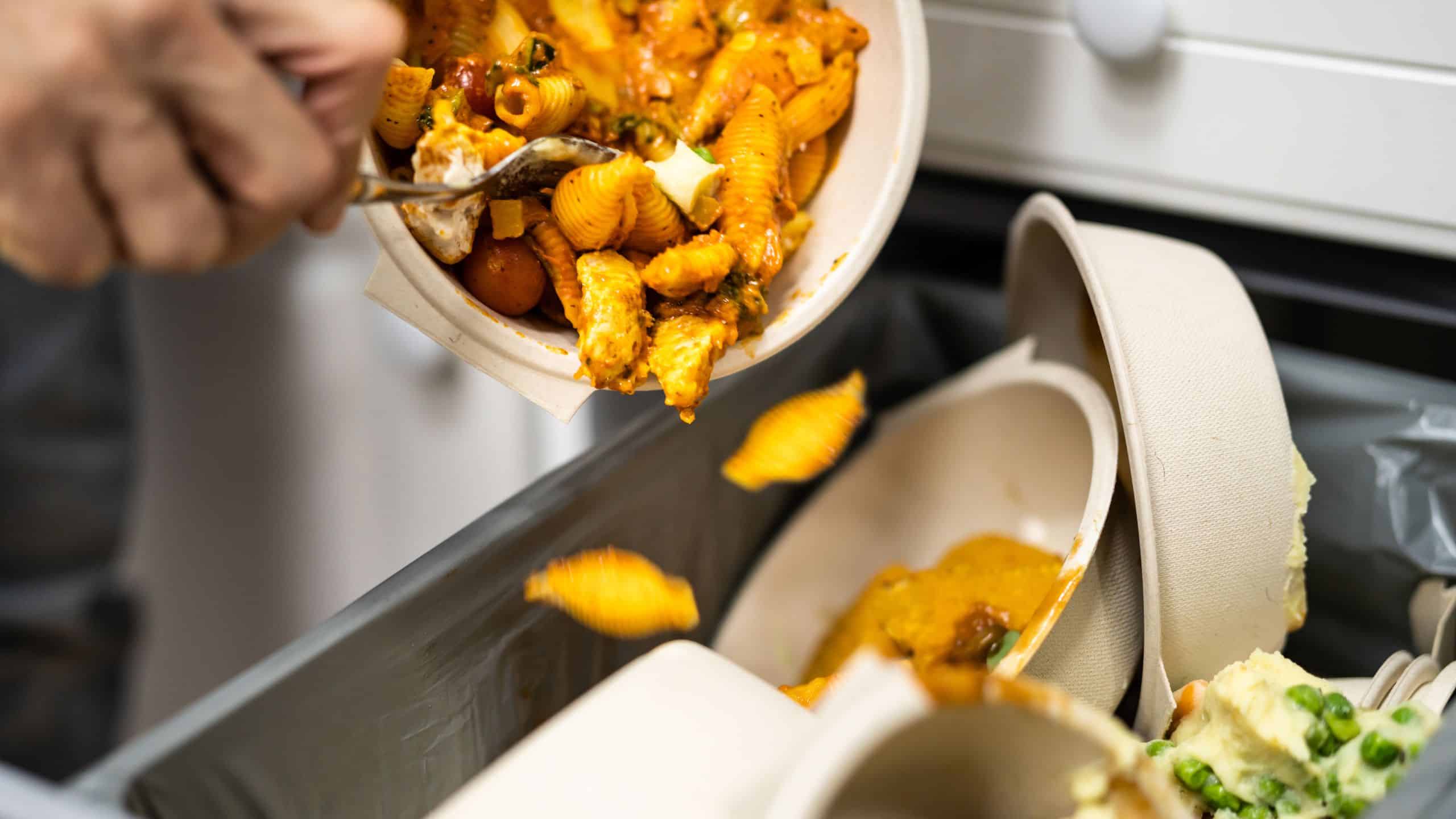
In a recent Reddit thread, a woman asked, "Am I in the wrong for dumping dinner in the trash and asking my family not to stay at my place again?" She stated that her family was visiting and she was trying hard to be a good host. She made dinner and let everyone know it was ready, but no one came to the table to eat. She made herself a plate, sat down, and ate. Once she finished eating, she asked again if anyone would eat, but her family members were playing on their phones, scrolling, or simply ignoring her.
She waited 20 minutes, then threw all the food away. She told her family they couldn't stay at her house anymore, then went to bed.
The internet does what it does best and gives its thoughts and opinions.
The reactions
Over 800 comments poured in, answering her question of whether she was in the wrong.
One person said, "The next time your brother wants to visit, respond, 'Great. Where will you be staying? We will have to get together for dinner while you are in town."
Great response to dodge the situation of having to host family again. Since they were so rude this time, the expectations to host again should be out the window.

This person said, "You are not obligated to room & board family for free just because they’re family."
Exactly. Letting family stay over is not something that has to happen. It's a nice gesture, and her family was taking advantage of her time and her kindness.
Another comment said, "There are some nights I feel like doing this with my own family."
The response drew strong support from others, many of whom found it familiar. Feeling overlooked or unappreciated, especially by family, is a common source of frustration.
One person wrote, "Someone goes through all the trouble to make dinner for me, I will be there as soon as they say it is ready."
Same. If the dinner is ready and waiting on the table, the seats should be full. There is no reason to make someone wait and eat alone, and then ignore them even longer after that.
Another person said, "Waste of food but I get it."

It is a shame to waste food, but the point needed to be made. Why give them the ability to ignore her and dinner, only to come to the table and eat the leftovers whenever they want? If she could have saved the leftovers for later, she probably would have. But that also meant her family members would likely have seen them and just gobbled them up, too.
How to handle rude family members
Rude behavior puts everyone in an awkward position, but ignoring it rarely improves the situation. A calm, direct statement such as, “Dinner is ready now, and I’d appreciate everyone coming to the table,” sets expectations without escalating tension.
If the behavior continues, it is reasonable to disengage rather than overextend. Proceeding with the meal or ending the evening early reinforces that shared time requires mutual participation.
For repeat situations, boundaries matter more than politeness. That can mean adjusting future invitations or choosing neutral settings, such as restaurants, where expectations are clearer. Addressing the issue afterward can also help preserve relationships while making limits clear.

Respect at the table is not about following rules. It comes down to noticing the effort someone made. When that goes unrecognized, setting a clear boundary can be healthier than letting frustration build.
When hosting turns into a one-sided obligation
Situations like this show how hosting can shift from goodwill to frustration when expectations are not met. Providing a place to stay or a meal is an act of courtesy, not an obligation. Basic acknowledgment and respect for the host’s time remain reasonable expectations. When those are missing, frustration is a natural response.
The bigger lesson is about setting boundaries early rather than letting irritation build. Hosts may set clear expectations for shared meals, schedules, and common spaces, especially when multiple days are involved. A simple conversation can prevent hosting mistakes and protect relationships. Everyone should remember that being “family” does not exempt them from showing appreciation or participating in shared moments.
Hosting works best when it is treated as a mutual exchange of respect. When that balance disappears, it is reasonable to reconsider future arrangements rather than repeating a dynamic that leaves one person feeling invisible in their own home.
Leave a Reply