
As grocery prices and everyday expenses continue to strain budgets, more people are paying closer attention to how they shop. Small decisions made at checkout or even before leaving the house can have a noticeable impact by the end of the month. While no single habit solves rising costs, incremental changes are becoming a practical way for many to stay financially steady.
The story
In a recent Reddit thread, it was asked, "What are your grocery shopping tips to stay within a budget?" The poster went on to say that they've been trying to cut down their grocery bill, but it's been hard. They asked for tricks that actually work, how people manage impulse spending, and how to still eat good food without feeling restricted.

The reactions
A few hundred people commented, spilling all their top tips.
One person wrote, "Grocery shopping after you've eaten really is a game changer."
It's true. According to the National Library of Medicine, going shopping on an empty stomach is not a good idea. People make poor decisions based on cravings, not on actual needs. The cart suddenly fills with junk food and fast food, rather than things you can make meals from to get through the week.
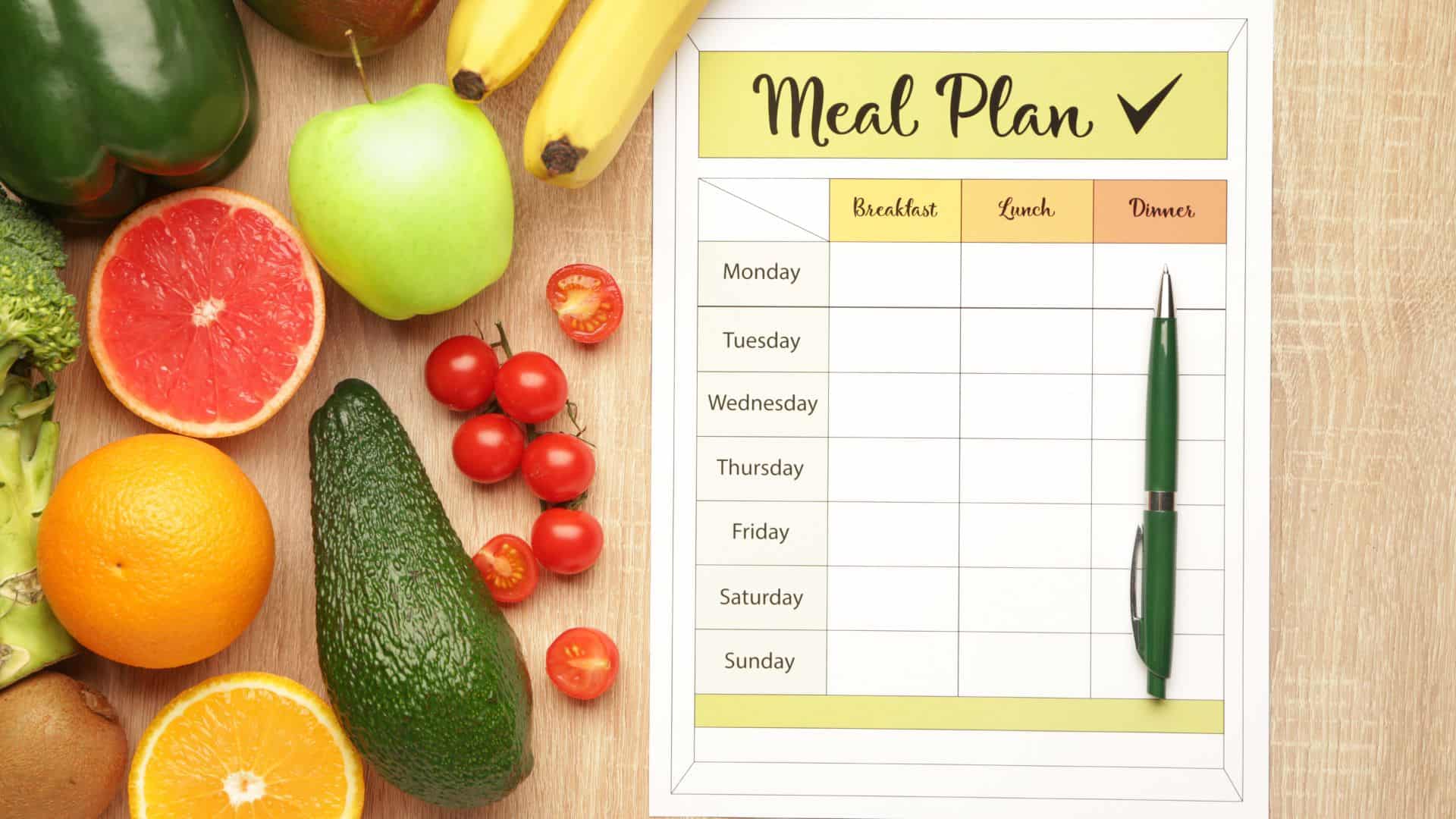
Another comment said, "I always meal plan before I go, and also purposefully budget in $10-20 for 'extras".
This is a good plan. Extras happen, but if you set a budget that actually fits your spending, you'll be more likely to stick to it and won't feel as guilty afterward.
This is a good reminder. "I've made note of things I end up throwing out, and avoid buying them."
This is a great idea. There are so many things people buy that they don't like, and then they just throw them away. If they wrote down those items so they wouldn't buy them again, it would be a good reminder and a simple way to save money.
This comment makes sense. "I save a whole lot of money by not walking into the store. Having pick up or delivery eliminates the walking down the aisles in the impulse buys."
Pick up saves time and money. That way, you stick to your list, and you aren't tempted by anything in the store that you didn't know you needed.
Pantry shopping is a huge money saver. "I like to shop my pantry first and see what meals can be made with ingredients I already have."
Cleaning out the pantry and seeing what pantry items you have is a great way to find hidden gems. You can then set everything out on the counter and make a meal plan using what you already have and what you need to get.
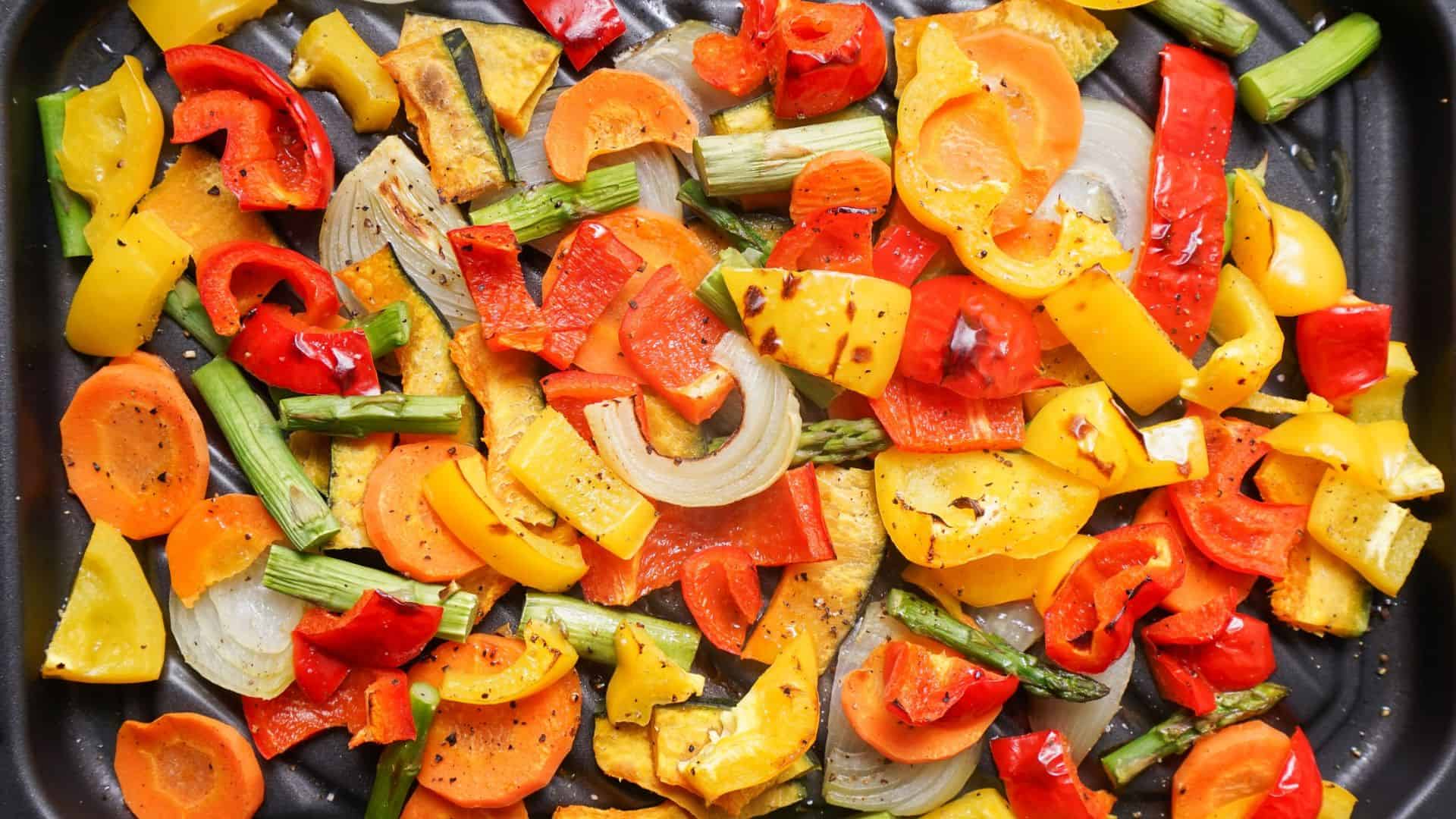
One person said, "Use meat as a side dish, not the main course."
Good pivot. Meat is pretty expensive, but that doesn't mean you have to cut it out completely. Use meat as a side dish and bump up the main course with more beans, rice, or veggies.
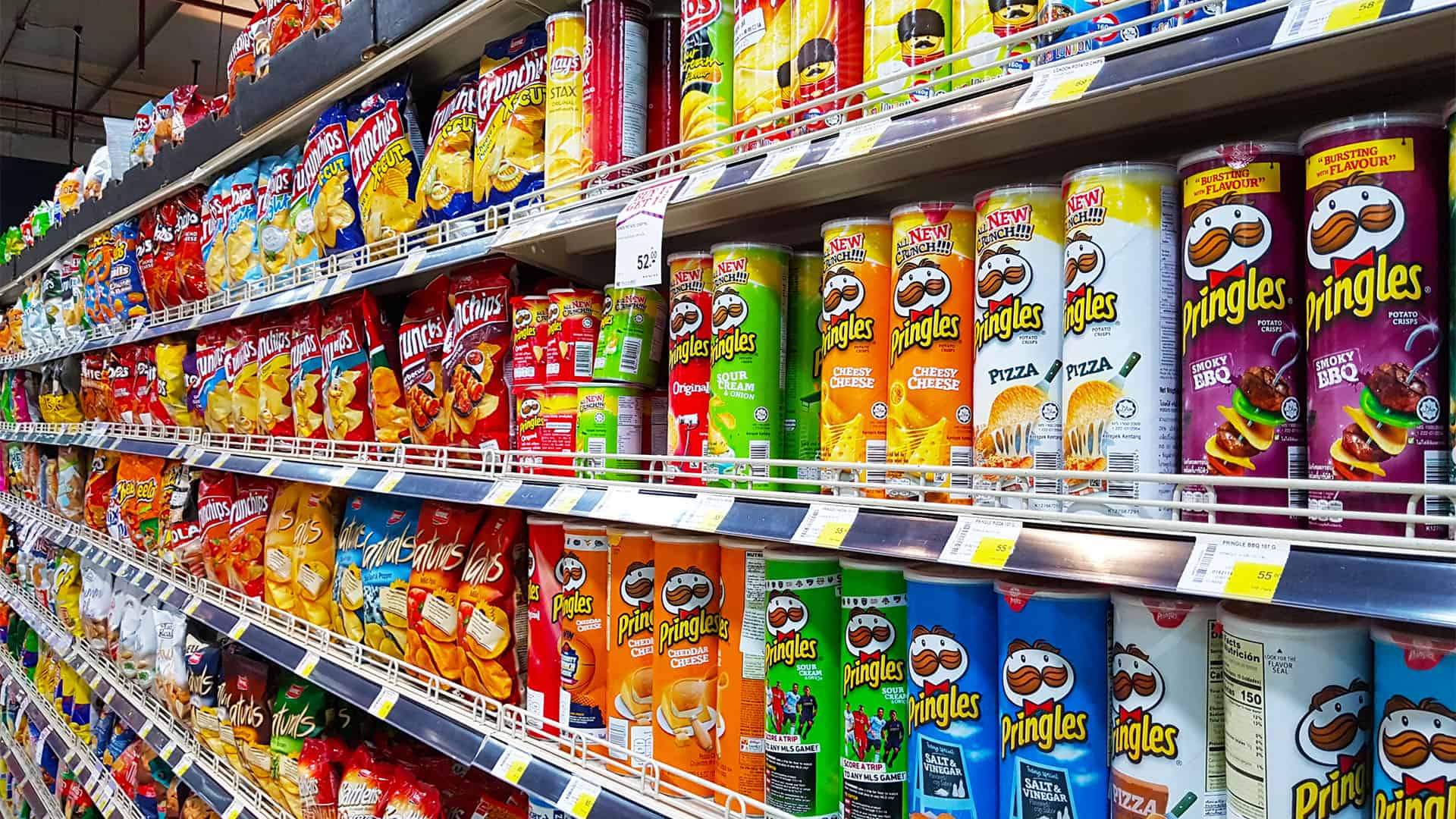
Give this one a try. "An old but good trick - only shop the perimeter of the store. Most grocery stores still have a layout where veggies, fruits, bread, meat and dairy are along the store walls. Avoid the aisles whenever possible."
It's an old marketing trick to make people think they need to walk past things they don't, hoping they'll fill their carts.
How to stick to the budget
Staying within a grocery budget often comes down to decisions made before the cart even starts to fill up. Setting a clear spending limit ahead of time and treating it as a fixed boundary rather than a flexible goal helps frame every choice that follows. When people know the number they are working with, they are more likely to pause before adding items that do not serve a clear purpose.
Consistency also matters more than perfection. Budgets tend to fail when they are built around an unrealistic version of how people shop or eat. Allowing room for convenience items or last-minute needs makes the plan sustainable. When a budget reflects real habits, it becomes easier to follow week after week rather than feeling like something to recover from after every trip.
Tracking patterns can quietly lead to better results. Paying attention to where money is regularly overspent gives people a chance to adjust without cutting entire categories. These small corrections reduce waste and prevent repeat purchases that add no value to meals.
Sticking to a budget often improves when shopping is treated as a task rather than a pastime. Going in with a plan and keeping trips focused helps avoid decision fatigue. When shopping is intentional and efficient, the budget no longer feels restrictive and becomes a practical tool.
Leave a Reply