
There’s nothing more disappointing than spending time on homemade tomato sauce only for it to turn out too sharp or acidic. I’ve been there—one taste and suddenly your whole dish feels off. The good news? Professional chefs and home cooks alike have figured out simple ways to fix that. These tricks will help you balance the flavor and bring out the rich, smooth taste that makes tomato sauce so irresistible.
Add A Pinch Of Sugar

A small pinch of sugar can work wonders in taming the sharp acidity of tomato sauce. Start with just a little, stir, and taste as you go to avoid over-sweetening. This simple trick helps smooth out the tartness without making the sauce taste noticeably sweet. It’s an easy way to bring better balance to your dish.
Incorporate Baking Soda
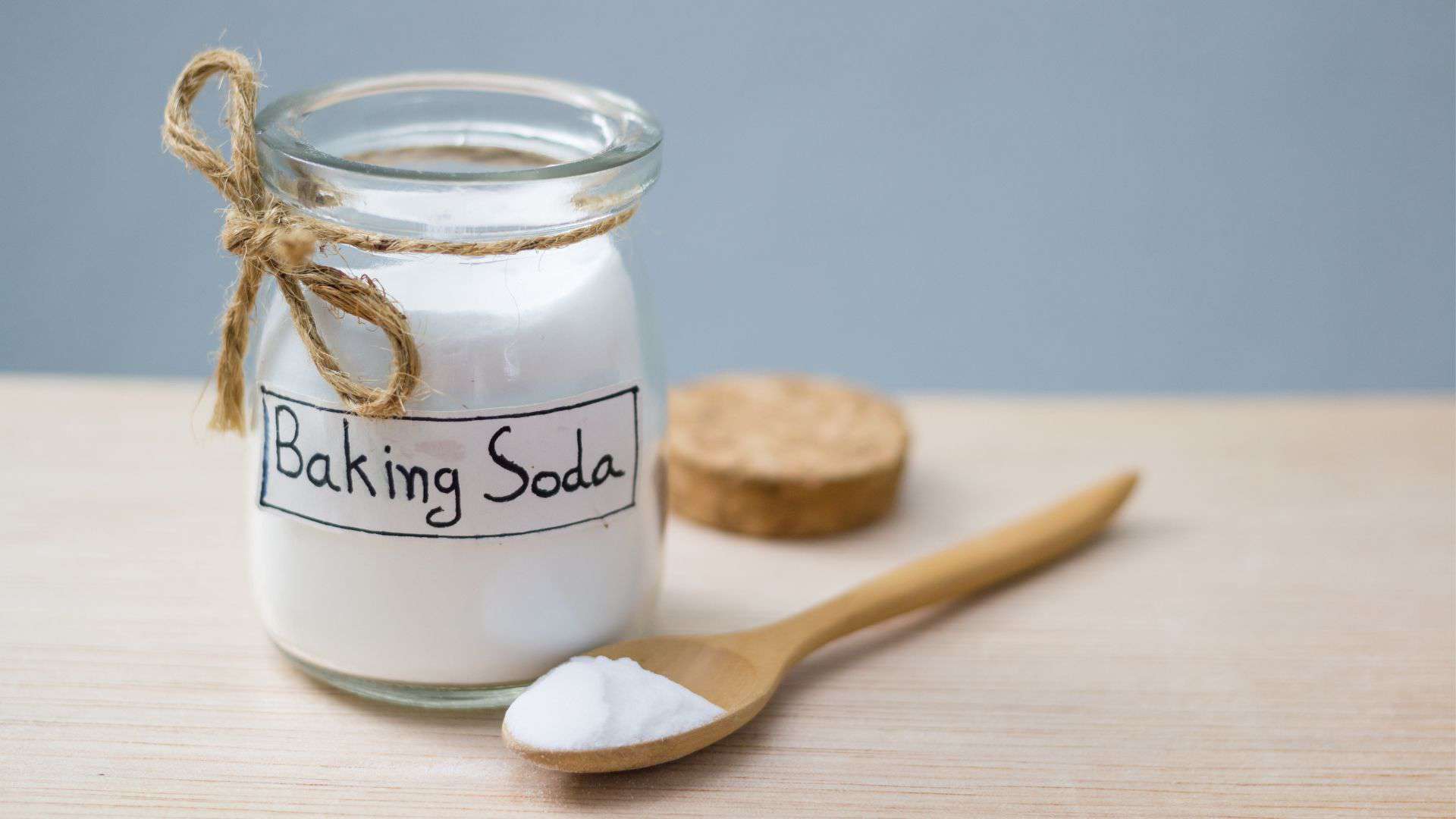
Baking soda helps control the acidity in tomato sauce by restoring the pH balance. Adding even just a small amount can help. Add a few pinches, stir the sauce well, and taste it to ensure it doesn't become too bland or soapy.
Add Carrots

Carrots are a great natural way to mellow out the acidity in tomato sauce. As they cook, they release gentle sweetness that helps balance the sharp flavors. Just grate or finely chop one and let it simmer with your sauce. It blends in beautifully, adding a subtle hint of flavor and a little boost of nutrition too.
Use Cream Or Butter

Dairy products like cream or butter can help mellow the acidity of tomato sauce. The fat in these ingredients smooths out the acidic edges, making the sauce richer and more palatable. Add butter or heavy cream and simmer for a silky, less acidic sauce.
Cook Longer

Simmering your tomato sauce for a longer period can also reduce its acidity. Extended cooking times allow the flavors to meld together and the acidity to diminish naturally. Make sure to cook your sauce over low heat to prevent burning and to develop a deeper, more complex flavor profile.
Add Onion

Onions add natural sweetness and can help balance the acidity in tomato sauce. Sauté finely chopped onions until they are caramelized, and add them to your sauce. The caramelization process brings out the sweetness in the onions, which helps counteract the acidity of the tomatoes.
Use Fresh Tomatoes

Canned tomatoes often have a higher acidity compared to fresh tomatoes. Whenever possible, use fresh, ripe tomatoes for your sauce. They are less acidic and offer a fresher, more vibrant flavor. You may also notice that freshness elevates your sauce if you use fresh tomatoes.
Incorporate Sweet Peppers

Sweet bell peppers can add a natural sweetness to your sauce that can neutralize the acidity. Finely chop or puree the peppers and add them to your sauce. They reduce acidity and contribute to a richer, more complex flavor.
Add A Splash Of Wine

A small amount of red or white wine can ease your tomato sauce's acidity while adding depth and complexity. Be sure to cook the sauce long enough to evaporate the alcohol, leaving only the enhanced flavor behind.
Incorporate Potatoes

Adding a peeled potato to your sauce while it’s cooking can absorb some of the acidity. Once the sauce is done, you can remove the potato before serving. This method helps to reduce acidity without altering the sauce’s flavor. It's a handy trick that can make a noticeable difference.
Blend In A Nut Butter

The fats and proteins in nut butter (like peanut, almond, or cashew) smooth out the acidity, adding a rich, creamy texture to the sauce. Start with a teaspoon to ensure it complements the overall flavor, and add more to your liking.
Use Tomato Paste Wisely

Tomato paste is more concentrated than fresh or canned tomatoes, so consider that when considering acidity. Combine tomato paste with other ingredients I've mentioned, like carrots or onions, to balance out its intense flavor and acidity.
Leave a Reply