
Eating raw meat is risky, but raw chicken is especially dangerous. Undercooked chicken can carry harmful bacteria that lead to serious illnesses, some of which can have lasting effects. Many people don’t realize just how risky it is until it’s too late. This article highlights why it’s never worth the gamble and what you need to know to stay safe in the kitchen.
Note: The content of this article is not medical advice.
Always Sick?

Before we begin, it's important to note that raw chicken consumption does not mean you'll automatically get sick. You can, theoretically, eat a piece of raw chicken and not get sick.
The big issue with raw chicken (and other poultry) is the high risk of pathogens and bacteria contaminating the meat. It's possible to get uncontaminated poultry, but it's not likely.
"Hi, Sal!"

One of the most dangerous bacteria found in raw chicken is Salmonella. This harmful pathogen is known for causing severe stomach cramps, diarrhea, and vomiting. In fact, Salmonella is the leading cause of food poisoning in the United States today. Even a small amount can lead to serious illness, which is why proper cooking is so important.
E.Coli And More
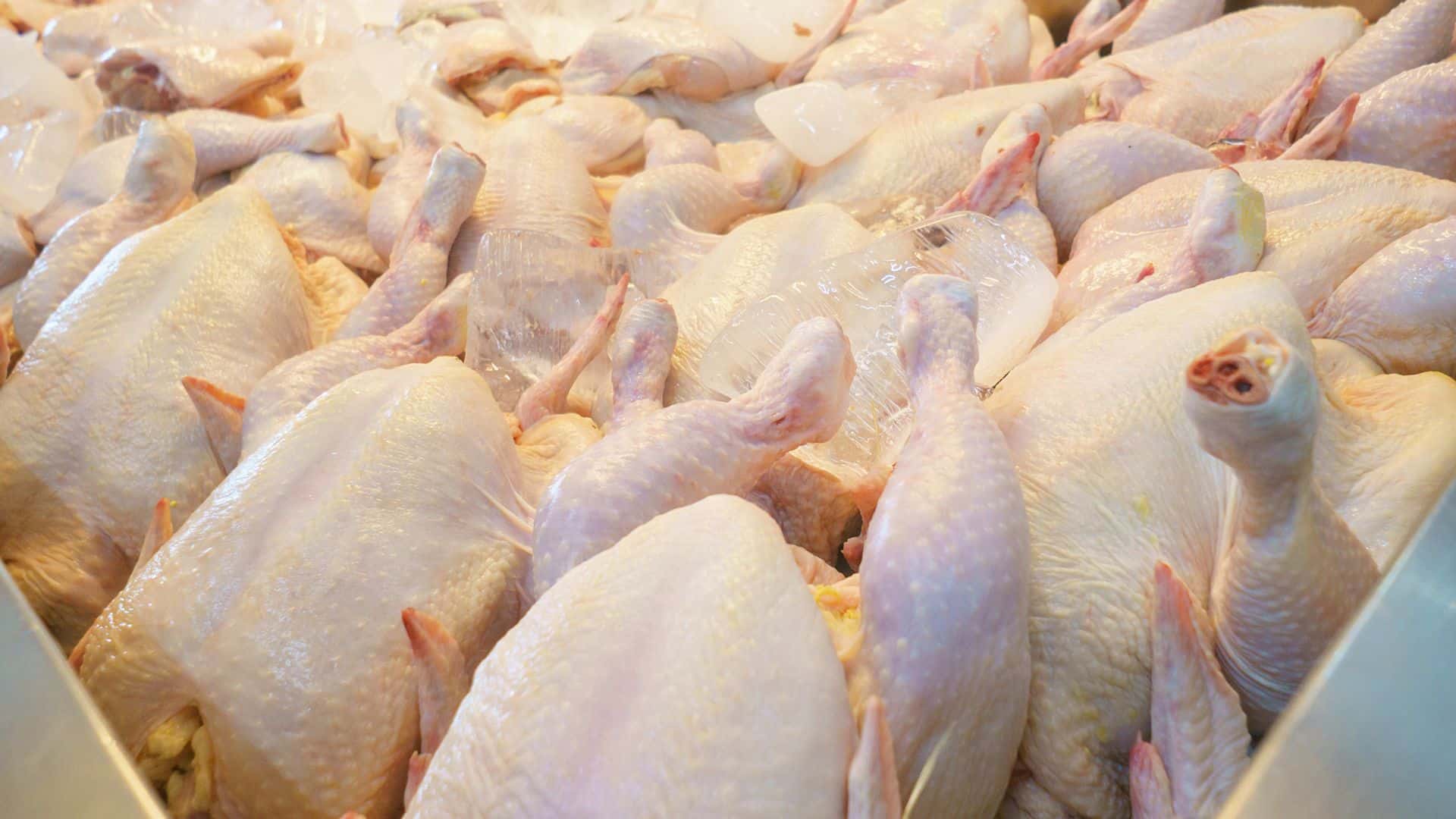
If you're unlucky, you can also end up getting other bacterial issues. E. coli, Campylobacter, and Clostridium are all associated with consuming raw chicken. Most of these can cause various levels of food poisoning.
With certain diseases, emergency room visits are not uncommon. While some might need to "ride it out," other patients may actually need antibiotics to survive their infection.
Meat And Juices
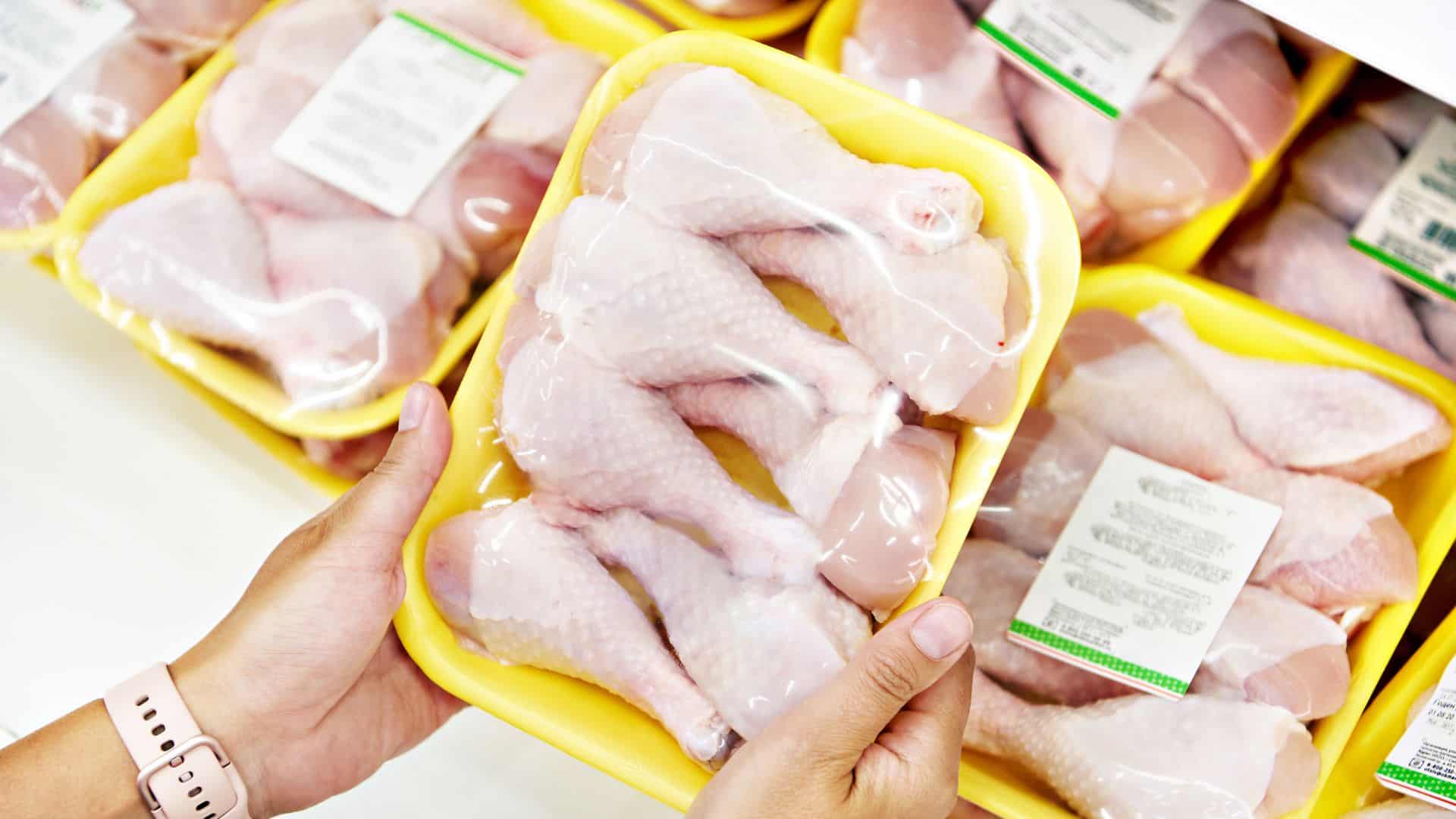
Officials note that both raw chicken and the juices surrounding it are risky. The meat and the juices can contain the bacteria that make raw chicken consumption so dangerous.
This is why storing raw poultry away from other raw foods and cooked meats is so important. Cross-contamination can destroy an otherwise great dish.
A Common Illness
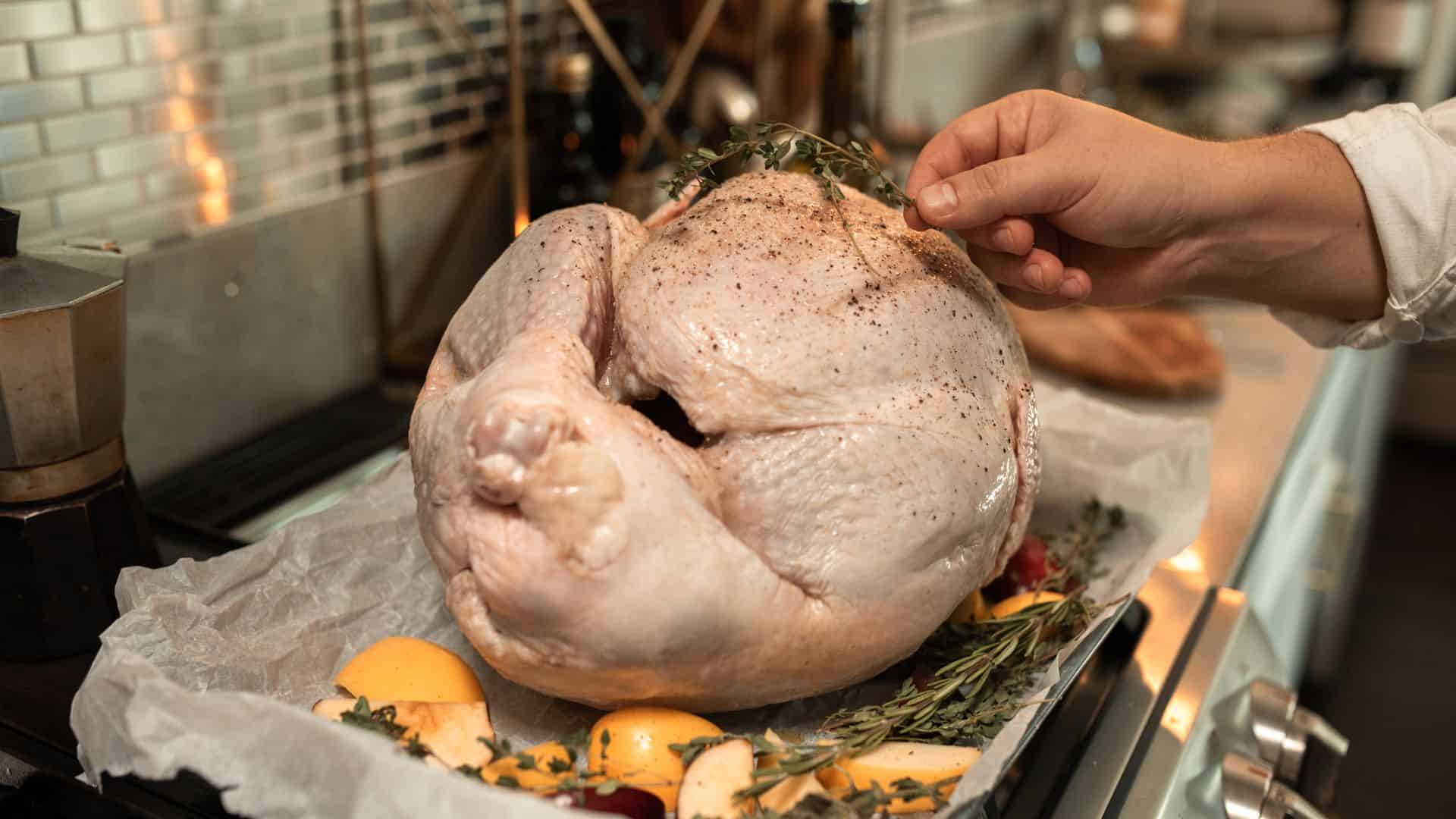
If you've ever gotten sick from bad chicken, you're far from alone. Poultry poisoning is actually one of the most common forms of food poisoning in America.
The CDC believes that 1 million cases of food poisoning from raw poultry occur every year in the United States alone.
No Turning Back
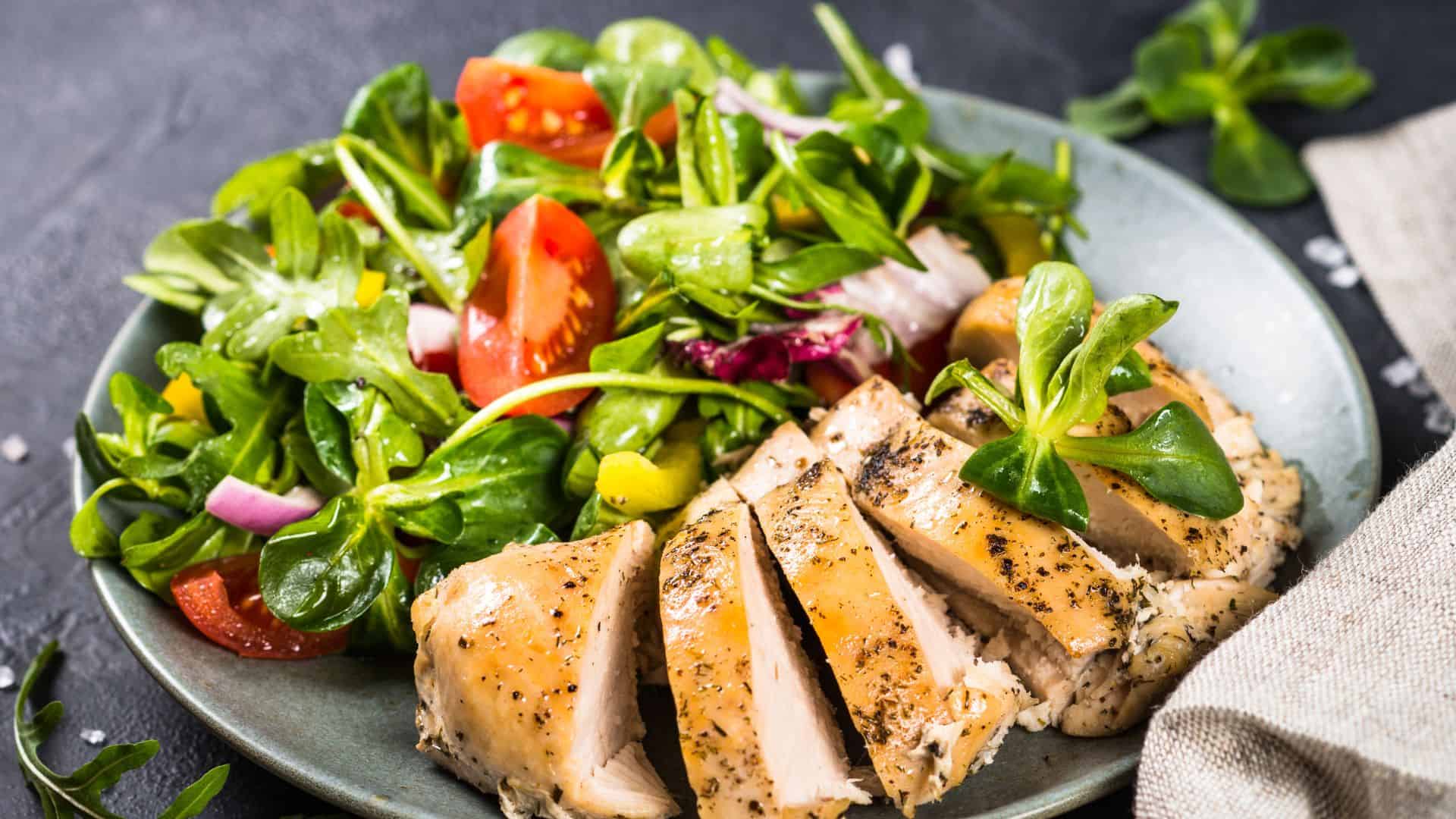
There's no turning back the clock once you eat undercooked chicken or raw chicken. You can't just vomit it back up and avoid food poisoning. You've already been exposed to the bacteria on the meat.
You also can't take antibiotics to prevent food poisoning. It doesn't work that way. All you can really do is wait and hope you won't get sick.
When To Call A Doctor

Let's say that you get sick and you're under the weather. Most of the time, you can nurse yourself back to health with plenty of water, rest, and electrolytes.
If you experience bloody diarrhea, excessive vomiting, dizziness, or a fever over 102 degrees, you need to call a doctor. At this point, you probably need more care than just bed rest.
How Cooked?
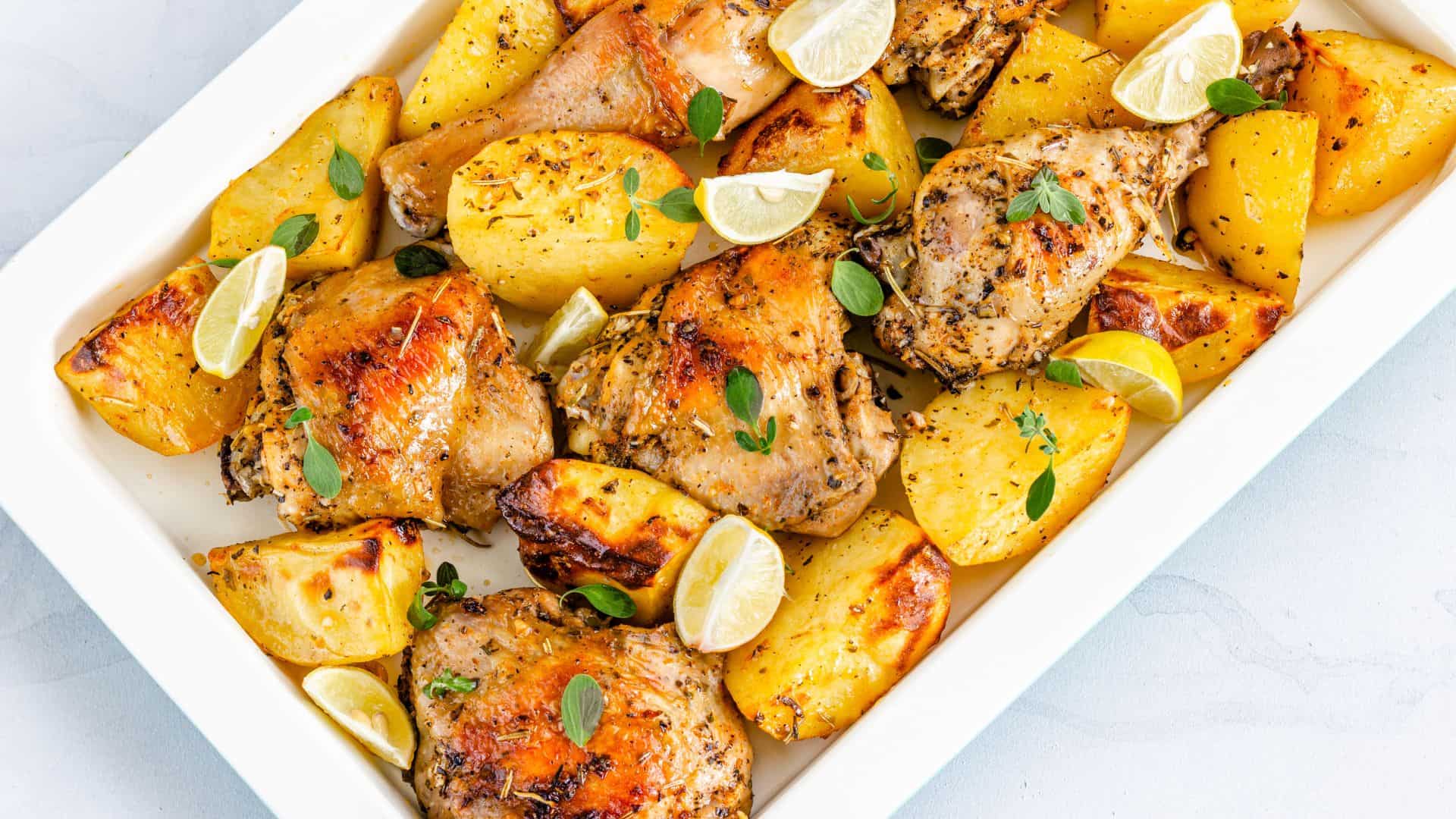
The good news is that you don't always have to gamble when you're eating chicken. Food safety guidelines note that chicken cooked to an internal temperature of 165 degrees Fahrenheit (75 degrees Celsius) is safe to eat.
If you're not sure whether your chicken is cooked enough, the best way to check is to use a meat thermometer. Of course, you can also do a visual check if you don't have one. It's just less reliable. Pink or bloody chicken is a no-go.
Store Wisely
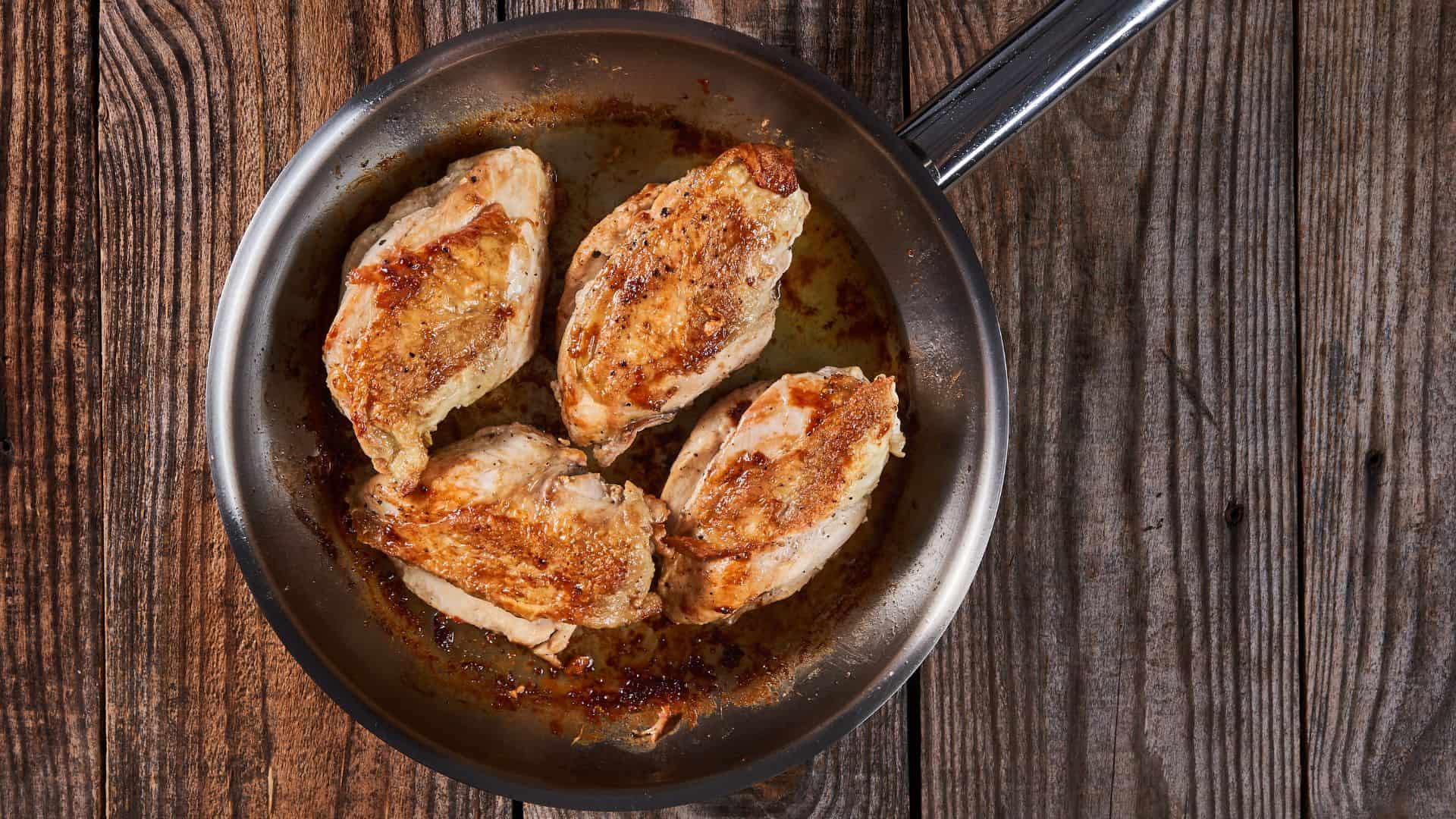
Improper storage of your chicken can drastically increase the chances of food poisoning. To keep safe, refrigerate your chicken at or below 40 degrees Fahrenheit.
Raw chicken shouldn't be left out for more than two hours, like other perishable foods. This can cause bacteria to grow at a breakneck pace. Long-term storage is also possible. You can safely keep chicken at 32 degrees Fahrenheit in a freezer for up to a year.
Cook ASAP

Contrary to popular belief, you do not have to wash chicken in order to keep it safe for consumption. Raw chicken is ready to cook as-is since the meat was already washed during processing.
However, you should still wash your countertops, knives, and cutting boards. Using a separate cutting board for poultry is also a wise idea.
See Something?

Did you just go to a new restaurant that served you undercooked chicken? If so, you should never return there again. That's a pretty alarming sign in terms of food safety.
You can also report restaurants serving raw chicken to the local inspection board. It may actually save some lives.
It Won't Taste Good
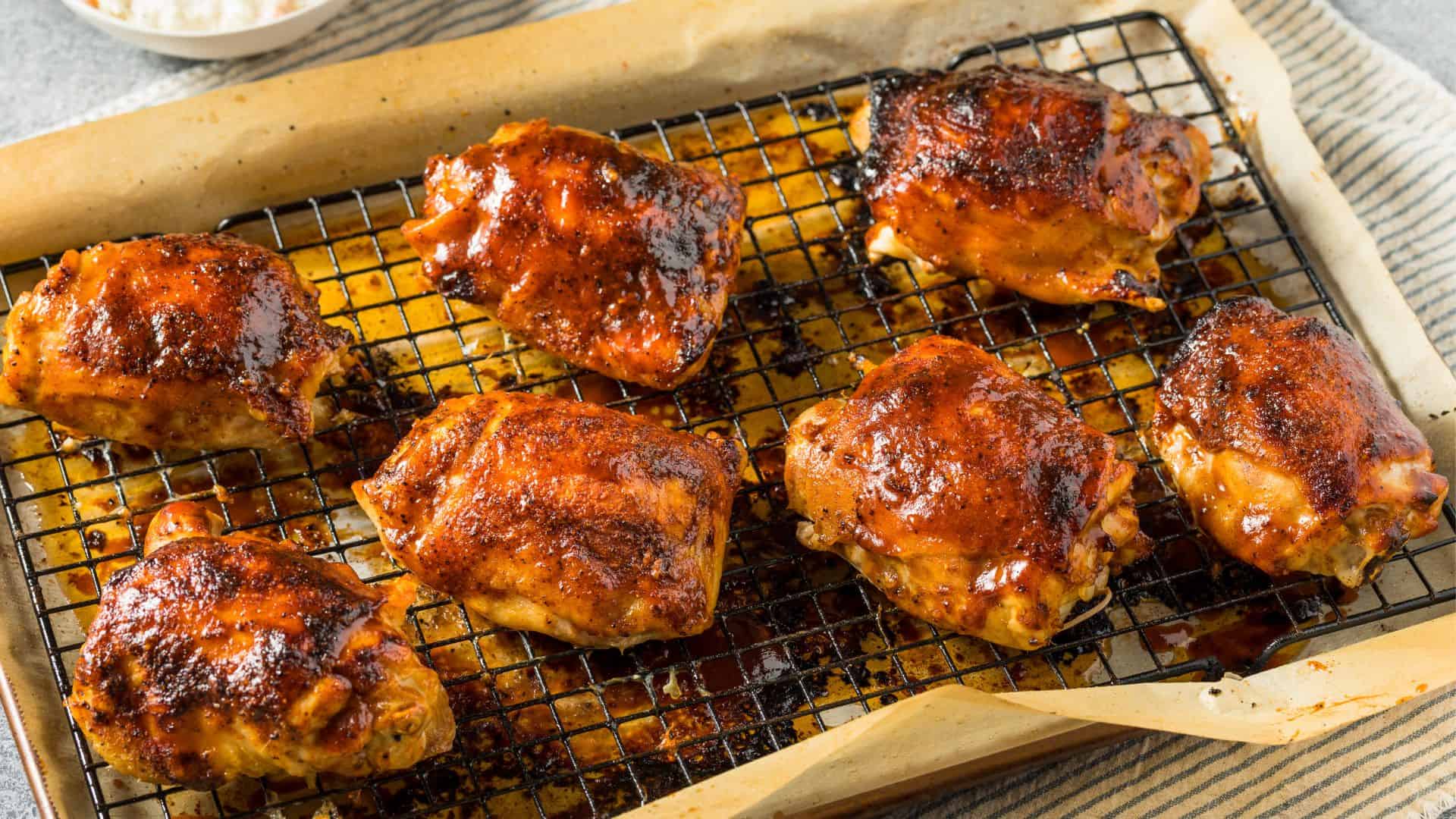
Besides being potentially deadly, eating raw chicken just isn't appealing. It is slimy, cold, and not easy to cut. You won't even want to eat raw chicken if you see it! No, thank you.
Leave a Reply