
We like to think that all the food we eat is natural, healthy, and good for us, but, in reality, we also all know that this isn’t always true. Sometimes, our favorite foods are not as healthy and natural as we may think.
Fast food comes in many different forms. Even though most places offer healthy options, the majority of fast food is highly processed, and the ingredients are not always well-known.
Why Fast Food Restaurants Use Preservatives and Additives

Fast food chains prioritize consistency, speed, and delivering delicious food, even if it has been sitting out for some time. This is where preservatives and additives come into play, acting as the often-overlooked (and sometimes questionable) heroes of the fast food industry. These chemicals help keep burger buns fluffy, fries crispy, and milkshakes creamy, even after they’ve traveled a considerable distance to your door.
However, the downside to these chemical additions is that many of these ingredients are controversial. Although they are FDA-approved, some have been linked to health concerns, ranging from mild stomach irritation to more serious risks. Let’s take a closer look at what might be hiding in your favorite drive-thru meals.
Flavorings (Natural and Not)
Fast food wouldn’t be the same without its addictive flavors. From the smoky taste in your BBQ chicken sandwich to the “buttery” notes in your popcorn, many of these flavors don’t actually come from food but actually from natural and artificial flavorings.
- Natural Flavorings: Don’t let the word “natural” fool you. These chemical ingredients can come from various places. When you start to dig a little deeper into the source of those “natural” flavors, what you find can be a little unsettling.
- Artificial Flavorings: These are lab-made chemicals designed to mimic real flavors. They’re in everything from soda to French fries and can sometimes trick your brain into craving more.
While natural flavorings sound better, both types can cause allergic reactions and digestive issues.
Potassium Bromate
If you’ve ever marveled at the perfect rise of a fast-food burger bun, you might have potassium bromate to thank. This chemical strengthens dough and helps it rise evenly, making those buns perfect and fluffy every single time. It’s banned in many countries, but not in the U.S., where it’s often found in burger buns, hot dog rolls, and pizza crusts.
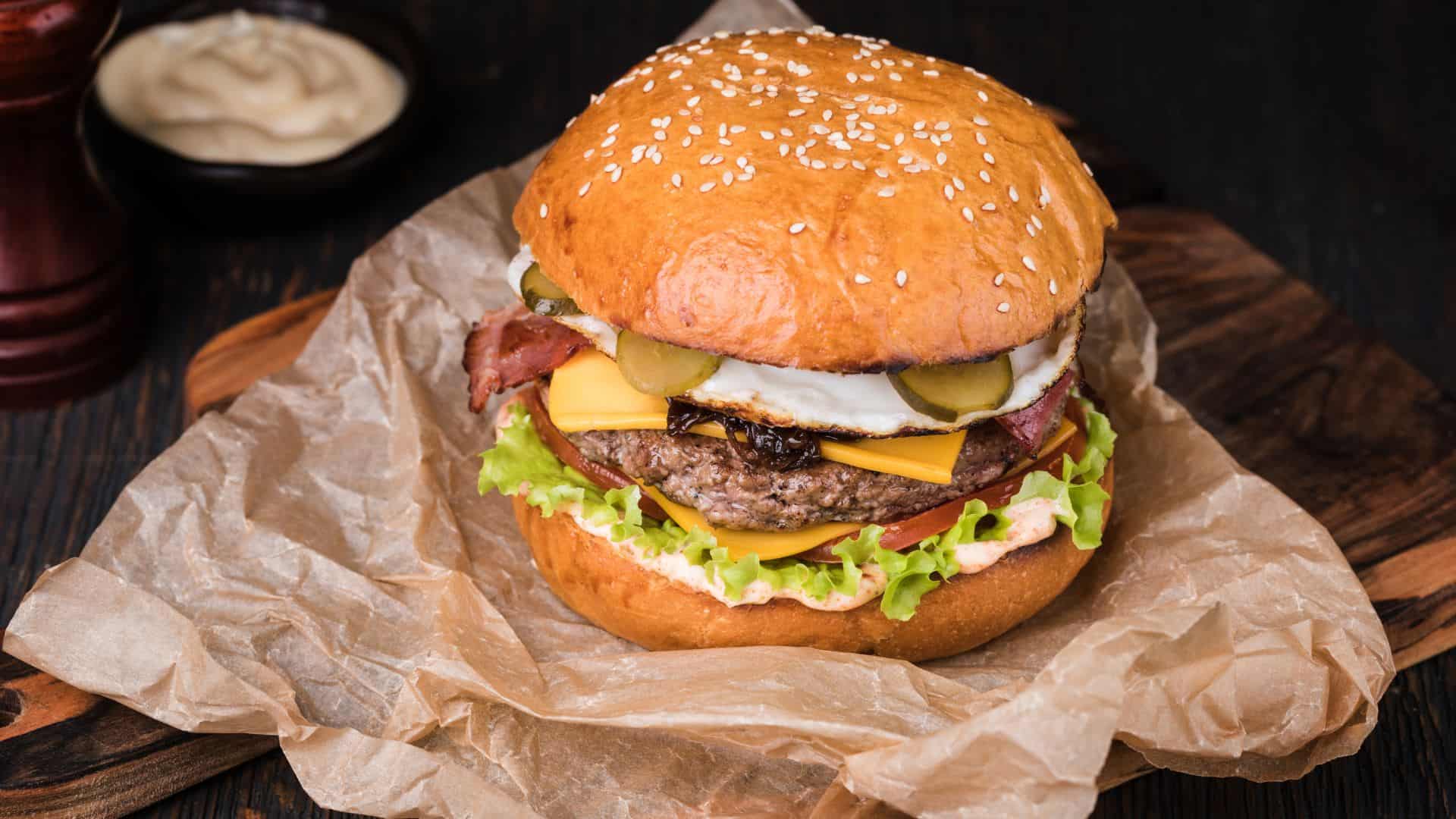
While baking supposedly breaks it down into harmless compounds, tests have shown small amounts can remain in the finished product. Small amounts are said to be safe and mostly harmless, but when fast food is part of your daily routine, your risk may go up. That perfect burger bun might not be worth it.
Calcium Sulfate
Also known as plaster, calcium sulfate is used to fortify fast food bread and baked goods. It acts as a dough conditioner, giving buns and bagels that satisfying fluffiness.
Pretty much anything doughy at a fast food joint (burger buns, breakfast biscuits, and even those gooey cinnamon rolls) probably contains calcium sulfate. While calcium sulfate is generally recognized as safe, consuming too much can cause digestive issues. Plus, the idea of eating something also used in drywall isn’t exactly appetizing.
BHT (Butylated Hydroxytoluene)
BHT is an antioxidant that keeps fats and oils from going rancid. It’s what helps your fast food fries stay crispy, and your nuggets taste fresh, even if they’ve been sitting under a heat lamp for hours.
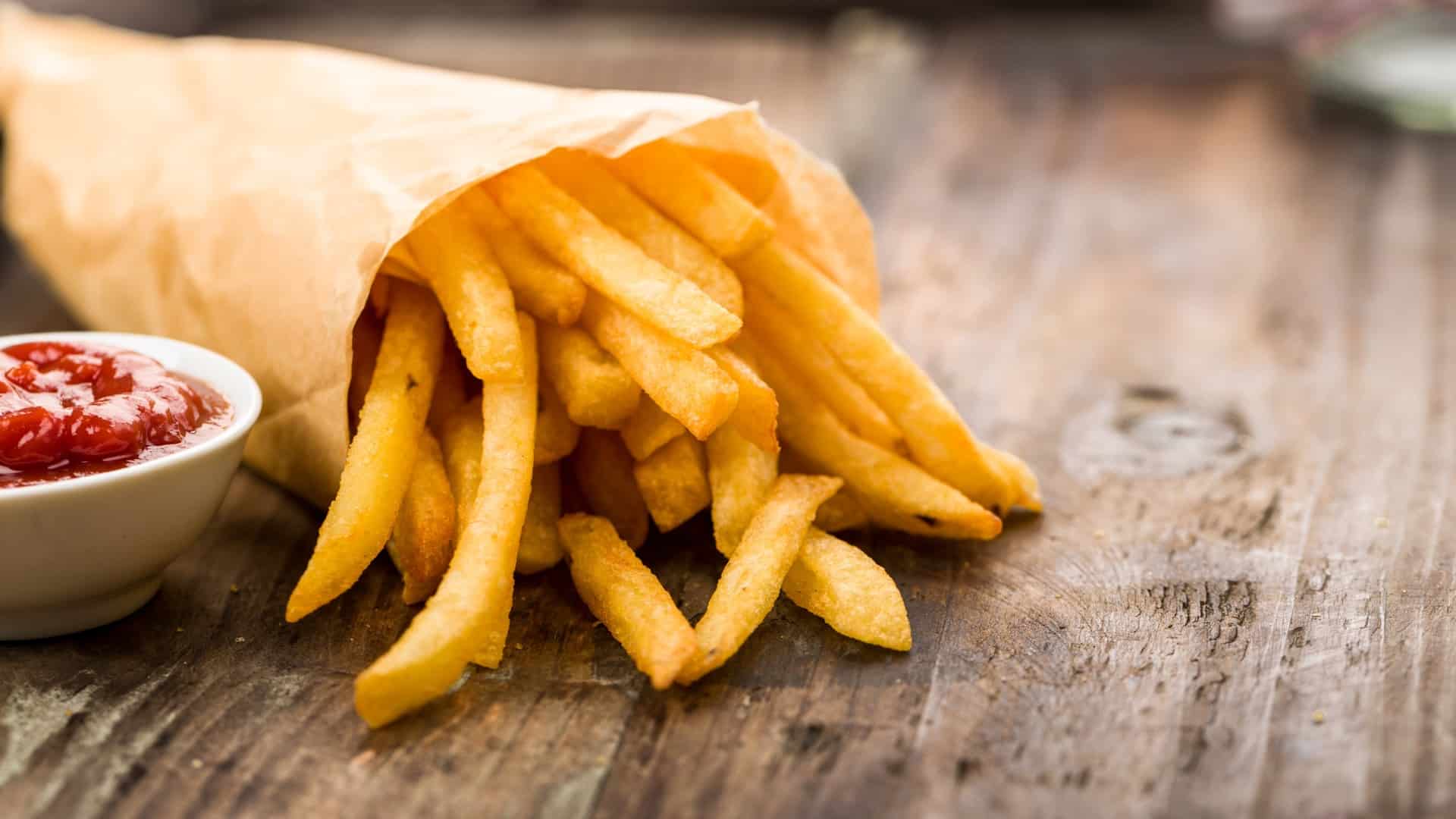
Fried foods, frozen breakfast sandwiches, and some desserts often contain BHT. Many fast food restaurants have stopped using this chemical, but it is still approved by the FDA in small doses in things like dressings, mayos, sauces, and yeast.
Fluorine (Fluorinated Compounds)
Fluorinated compounds, also known as PFAS (per- and poly-fluoroalkyl substances), aren’t added directly to the food but are often found in the packaging. These compounds make wrappers grease-resistant, so your burger doesn’t soak through the bag before you get home.
Pretty much anything served in greaseproof wrappers, like burgers, fries, and fried chicken, could be in contact with Flourine.
PFAS are sometimes called “forever chemicals” because they don’t break down easily. So, while you’re biting into that burger, you might be ingesting a little more than you bargained for.
TBHQ (Tertiary Butylhydroquinone)
TBHQ is another preservative that keeps oils from spoiling. It’s often used in fried foods and snacks to extend shelf life, and it’s surprisingly common in fast food. French fries, chicken nuggets, and even some sauces often have TBHQ.
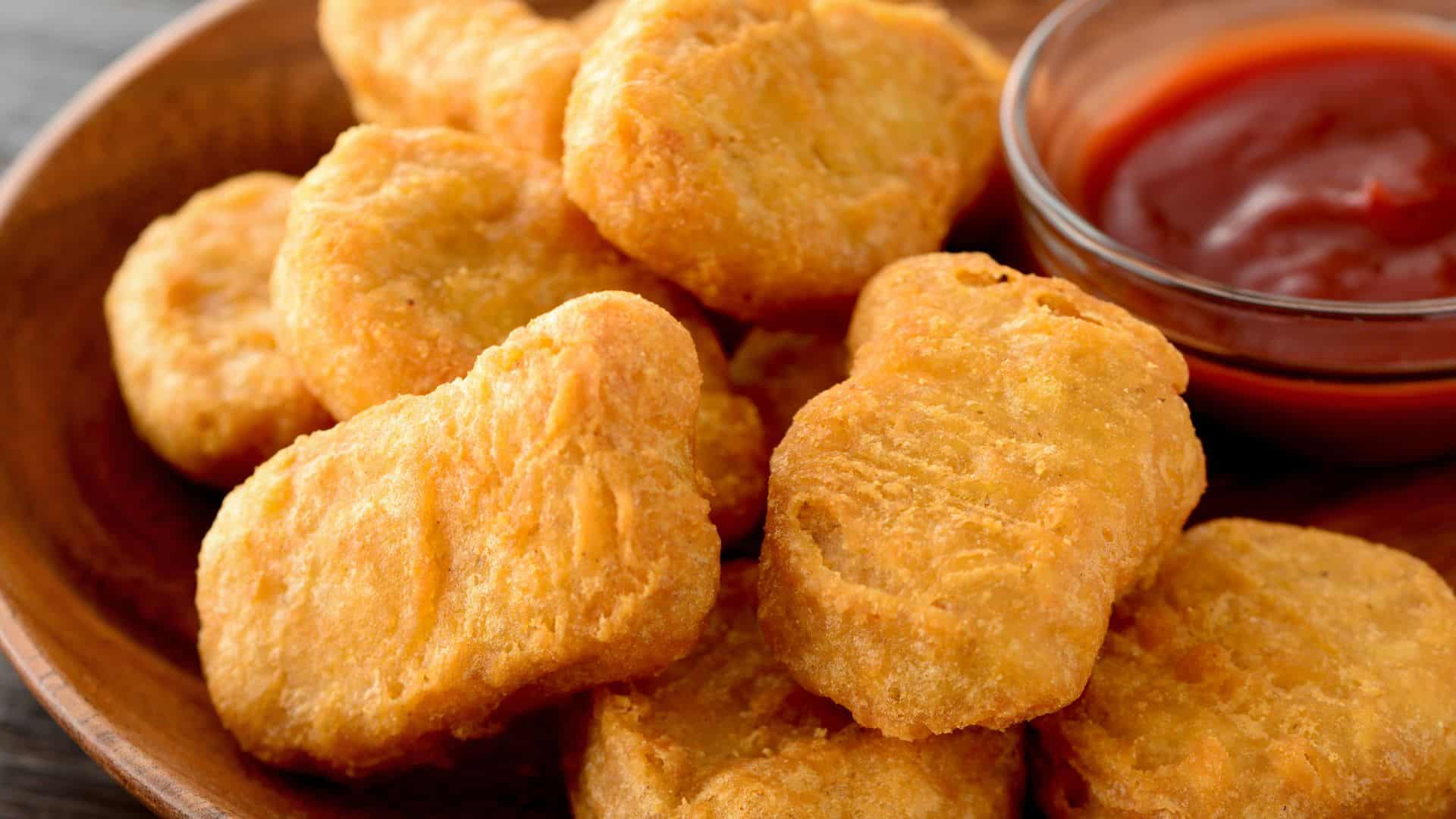
So why is this one bad? High doses of TBHQ have been linked to gut issues and may even alter how the body responds to illnesses like the flu. While the amounts of TBHQ are typically very small, it’s something to think about when you’re ordering those extra fries.
So, What Now?
Fast food is pretty convenient and tasty, but it often comes with a side of chemicals and additives you probably didn’t sign up for. While indulging every now and then won’t kill you, knowing what’s in your food can help you make better choices. Maybe skip the extra-large fries next time or try a DIY burger night at home. Your body and your peace of mind will thank you.
Leave a Reply