
Once vegetables are harvested, they immediately begin to lose nutrients. Frozen vegetables, on the other hand, are flash-frozen shortly after being picked, locking in vitamins and minerals. This process also stops spoilage and nutrient loss that often happens during storage and transportation. For many households, frozen vegetables are the most cost-effective option because they taste better and last longer.
Why are frozen vegetables worth buying?
Many people assume that fresh produce is always healthier. But frozen vegetables can be just as good and an affordable alternative to fresh ones. Research has revealed that frozen vegetables can have just as many vitamins and minerals as fresh produce.
Vegetables that are commercially frozen are picked at peak ripeness, when they are filled with most nutrients. In contrast, fresh produce is picked at a less nutrient-dense stage to make it last longer during transport and storage.
Frozen vegetables keep more nutrients because they’re quickly blanched to stop enzymes that cause browning and flavor loss.
Frozen vegetables often cost significantly less than their fresh counterparts. They're harvested and frozen at peak ripeness, producers can sell them year-round without the costs tied to transportation and spoilage. Prices also tend to stay more stable, even when fresh produce spikes due to weather or supply issues.
Here are some of our favorite vegetables to buy frozen.
1. Peas
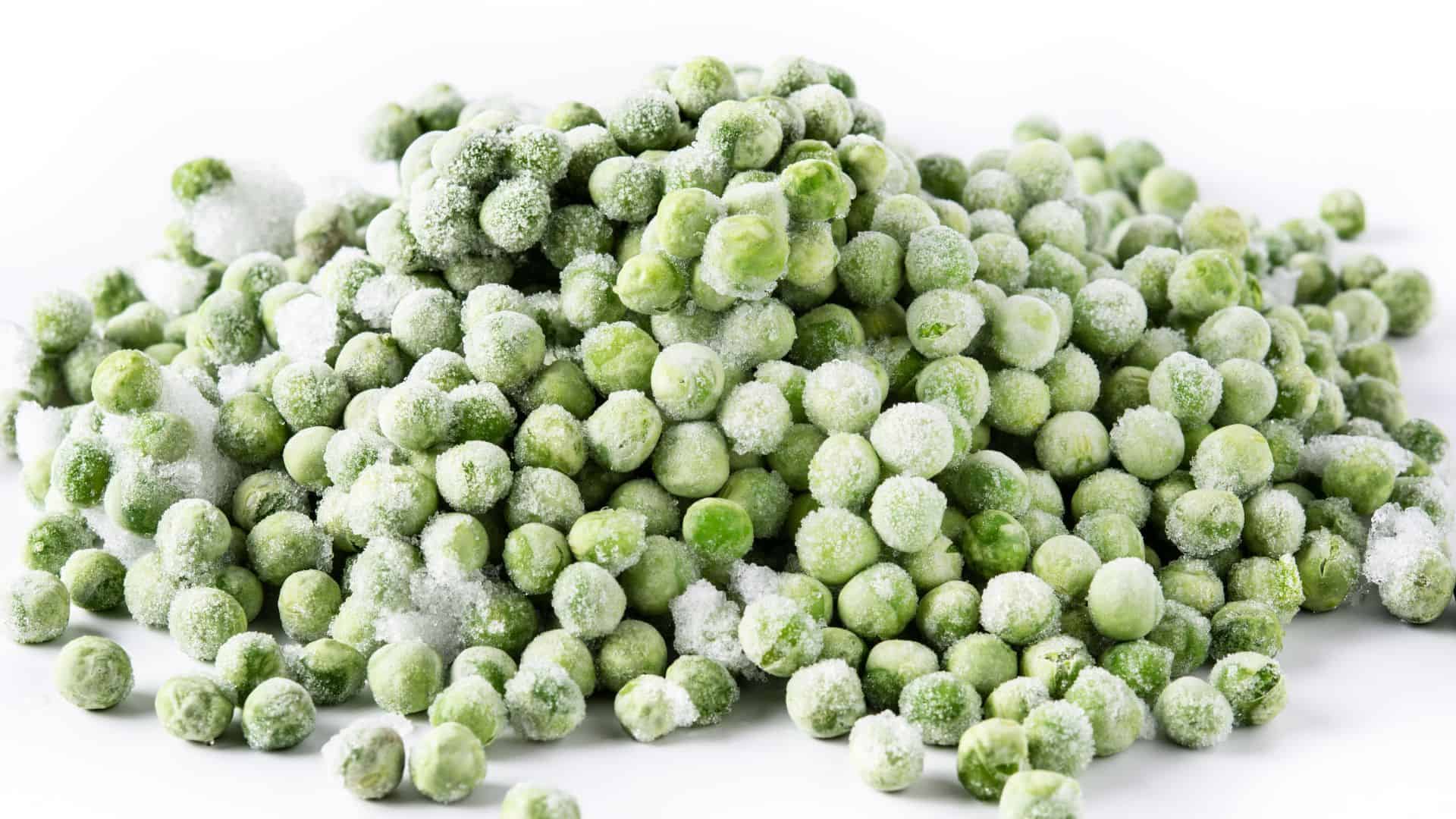
Frozen peas are among the most reliable freezer staples. They are picked and frozen within hours, which preserves their bright color and natural sweetness.
In contrast, fresh peas lose flavor and nutrients quickly after harvest. A single cup of frozen peas provides fiber, vitamin C, and plant-based protein. They can be added to soups, pasta, or rice. They are one of the most versatile vegetables to keep on hand for daily use.
2. Spinach
Spinach is one of the most perishable greens, often wilting within days of purchase. The frozen spinach prevents waste and retains much of the same nutritional value as fresh. It is rich in iron, vitamin A, and folate, and can be added directly to eggs, soups, or sauces. Using frozen spinach also reduces prep time since it is already washed and chopped.
3. Broccoli

Broccoli can be frozen for a long time while it holds its texture and flavor. Before freezing, the florets are blanched, which helps maintain their color and texture during cooking. Broccoli is a good source of fiber, vitamin K, and antioxidants. It can be steamed, roasted, or added to stir-fries directly from the bag.
Buying it frozen also eliminates trimming and washing, at a reasonably lower price compared to fresh options during off-season months.
4. Green beans
Like peas, green beans lose firmness quickly after harvest. Frozen green beans are cleaned, trimmed, and ready to cook, making them a convenient option for quick side dishes. They can be sautéed, boiled, or baked without sacrificing flavor. Their peak season is between May and October, but you can buy frozen ones at an affordable price, and they will last for months.
5. Corn
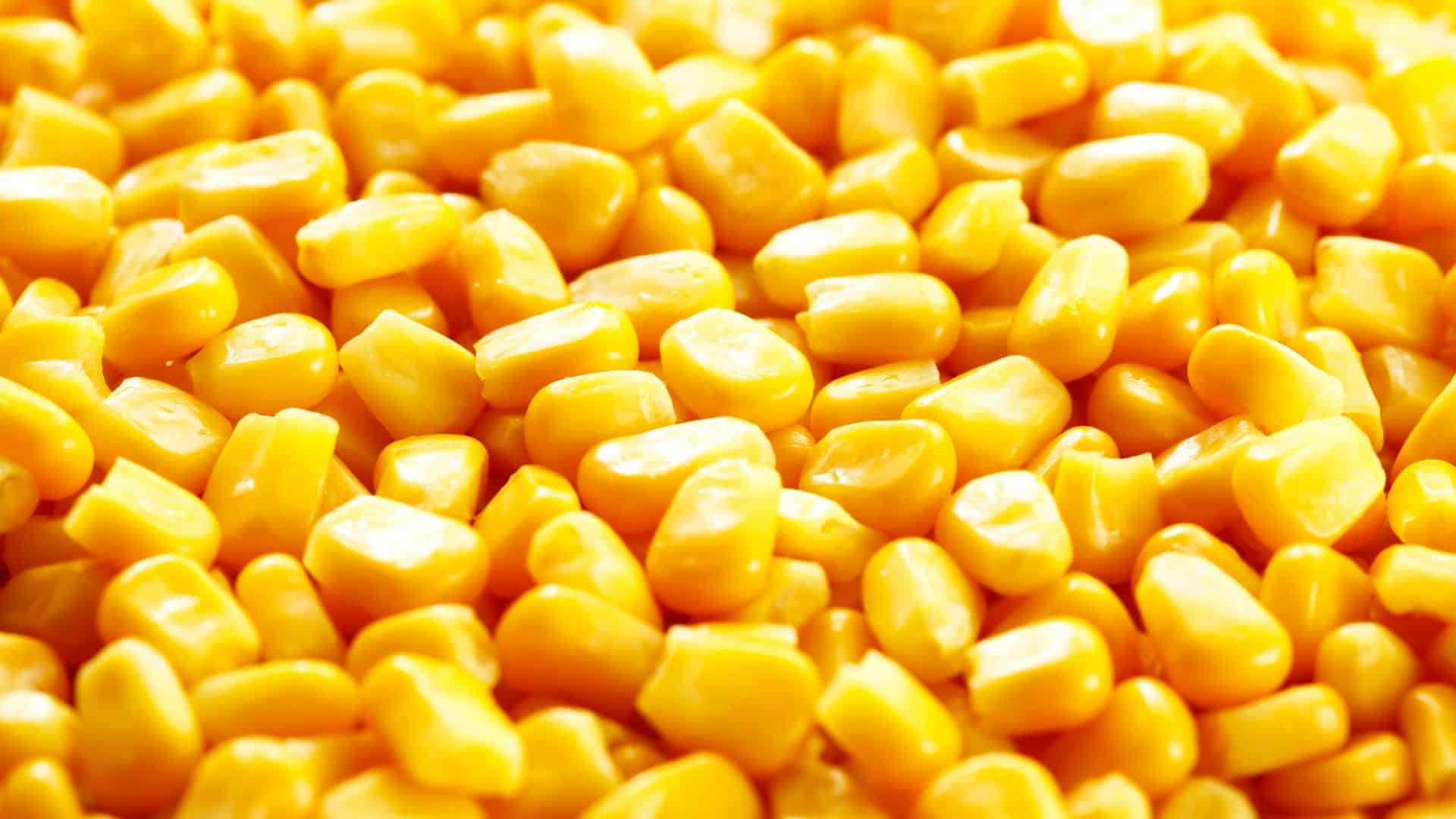
Most frozen corn is processed at peak ripeness, helping preserve its natural sugars and color. Fresh corn, especially out of season, tends to lose flavor and texture during storage and transport. Frozen kernels can be added to soups, casseroles, tacos, or salads. A single bag provides multiple servings and can stay fresh in the freezer for months.
6. Cauliflower
Frozen cauliflower offers a practical alternative to cutting and cleaning a whole head. The florets are washed, portioned, and blanched before freezing. It helps them retain firmness and their mild flavor when cooked. They can be steamed, roasted, or mashed as a substitute for potatoes or rice.
7. Brussels sprouts
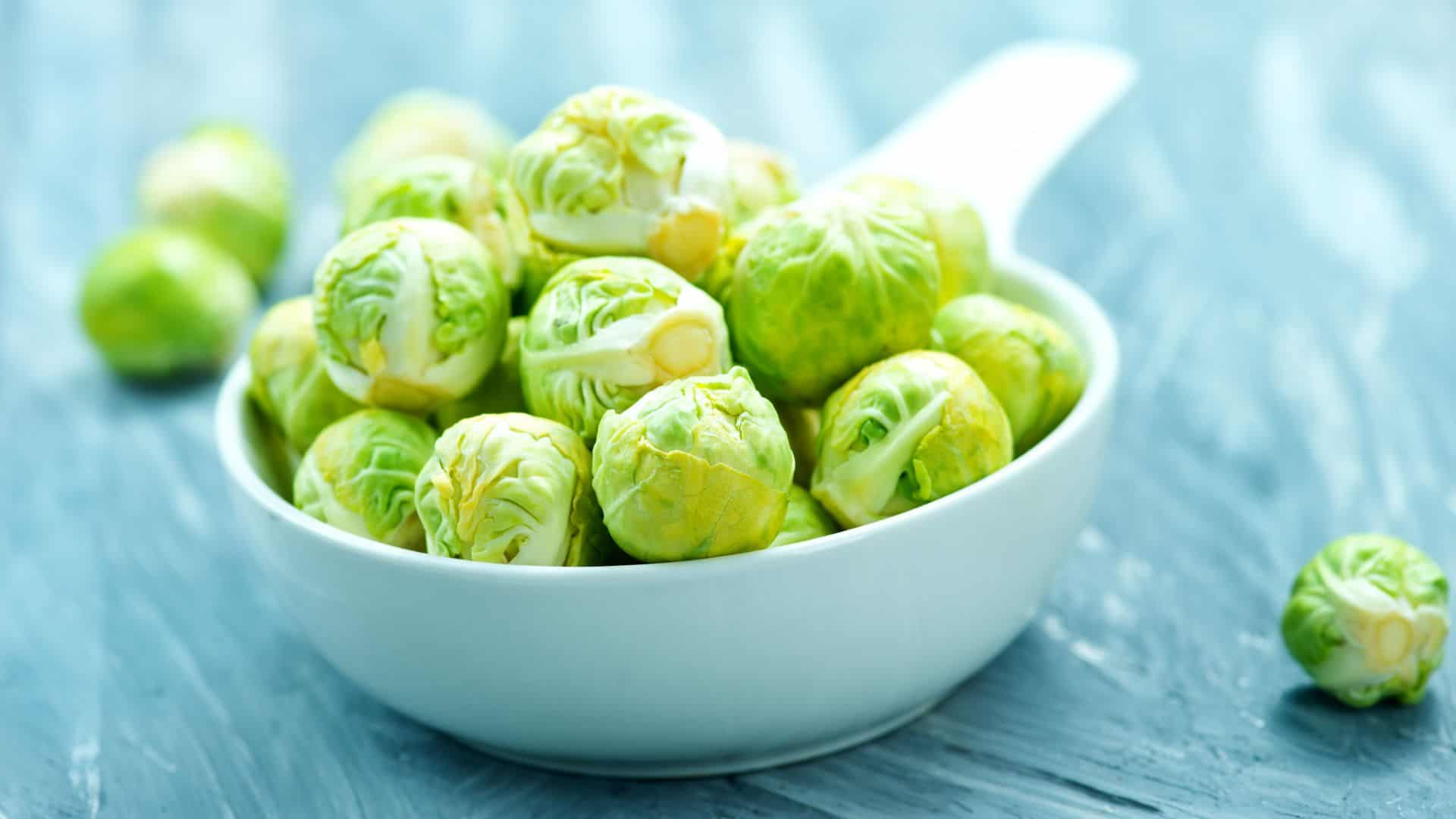
Brussels sprouts require trimming and cleaning when bought fresh, but the frozen version is easier to store and cook. They are washed and prepped before packaging, maintaining their nutritional value through flash-freezing. Brussels sprouts are rich in vitamin K, vitamin C, and fiber. They can be roasted, boiled, or sautéed directly from frozen without losing much flavor or texture.
8. Butternut squash
Frozen butternut squash removes the time-consuming task of peeling and chopping. The cubes are prepared and frozen after harvest, preserving beta-carotene, potassium, and fiber. They can be roasted, mashed, or blended into soups and sauces. Frozen squash maintains a soft texture and natural sweetness, offering a practical and cheaper alternative to fresh squash that may not last long.
9. Edamame
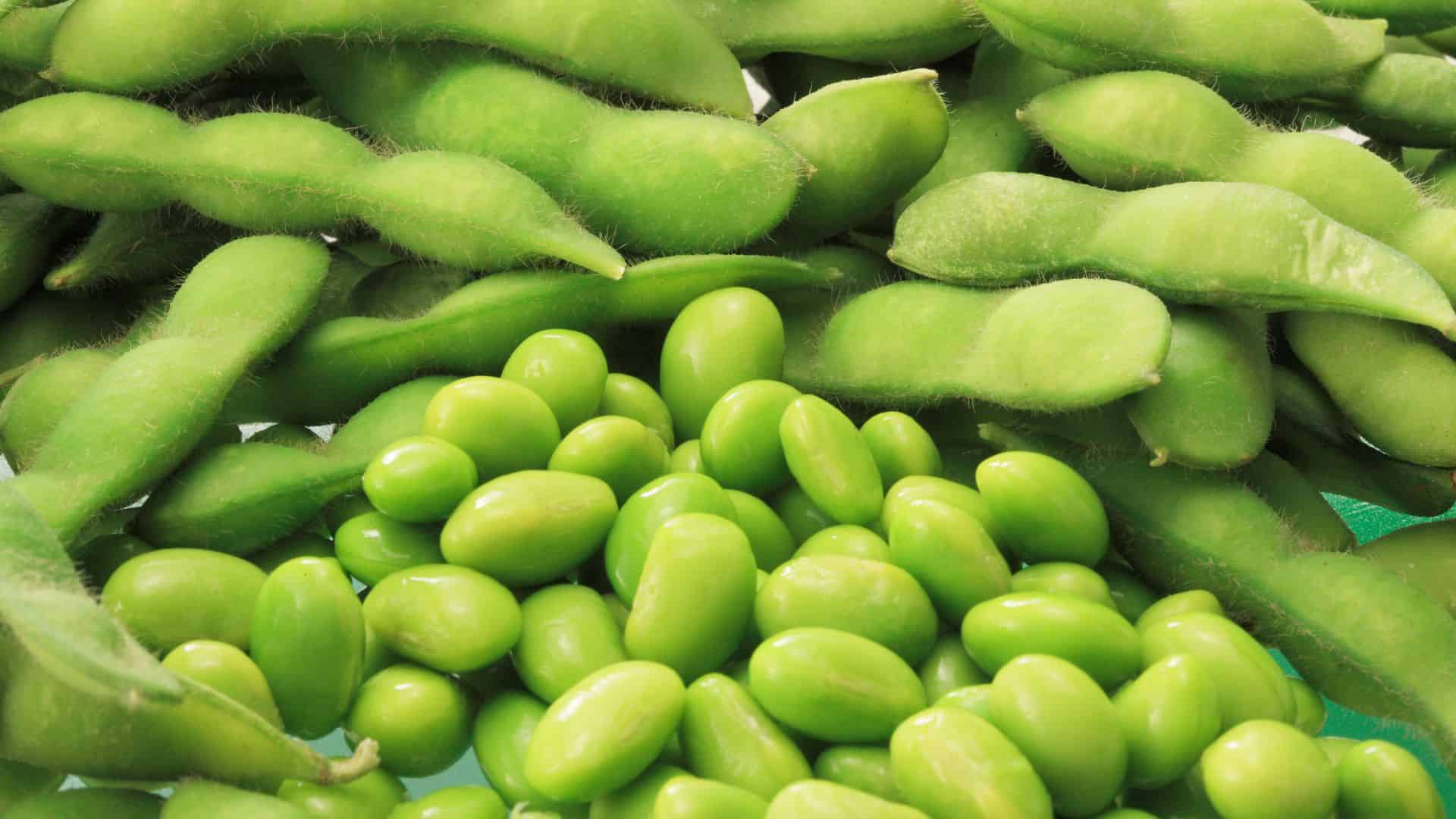
Edamame, is one of the most convenient frozen vegetables available. It provides plant-based protein, fiber, and essential minerals. Frozen edamame cooks in minutes and can be eaten plain, mixed into salads, or added to rice dishes. You can also blend them into creamy dips and serve with crudités.
10. Carrots
Carrots are widely available throughout the year, but fresh ones often soften or dry out after a short time in the refrigerator. Frozen carrots, by contrast, are harvested and packaged soon after picking, which helps preserve fiber, vitamin A, and beta-carotene. They also save time in the kitchen because they are already peeled, sliced, and ready to cook.

How to store and handle frozen vegetables
Here are some tips to ensure you have the best nutritional bang for your frozen vegetables.
- When buying frozen vegetables, make sure they are hard, not mushy or soft. If it has a solid block, that may indicate that the produce has been thawed and refrozen.
- Always keep your freezer door shut. Every time you open the door of your freezer, the produce may thaw.
- Store the vegetables in the back of the freezer, so they don't get thawed when you open the door.
- Don't overheat the frozen vegetables when defrosting. Thaw them naturally on the countertop, or in the microwave for a few minutes only.
Frozen vegetables are affordable, nutritious, and last longer than fresh ones. For most households, keeping a few bags of peas, spinach, broccoli, or carrots in the freezer means there’s always something healthy ready to cook. Whether you’re planning meals for the week or just trying to avoid food waste, frozen vegetables are one of the simplest ways to keep your diet balanced and your budget in check.
Leave a Reply