
Hosting Thanksgiving is one of the biggest events of the year, but navigating through grocery stores and figuring out what to buy isn’t the easiest choice. And on top of that, many people face the same question: should they buy ingredients fresh or frozen?
According to the U.S. Department of Agriculture (USDA), both frozen and fresh ingredients can contribute to a balanced diet when handled correctly. Here is a guideline to making the right choice when shopping for a Thanksgiving feast:
Nutritional considerations
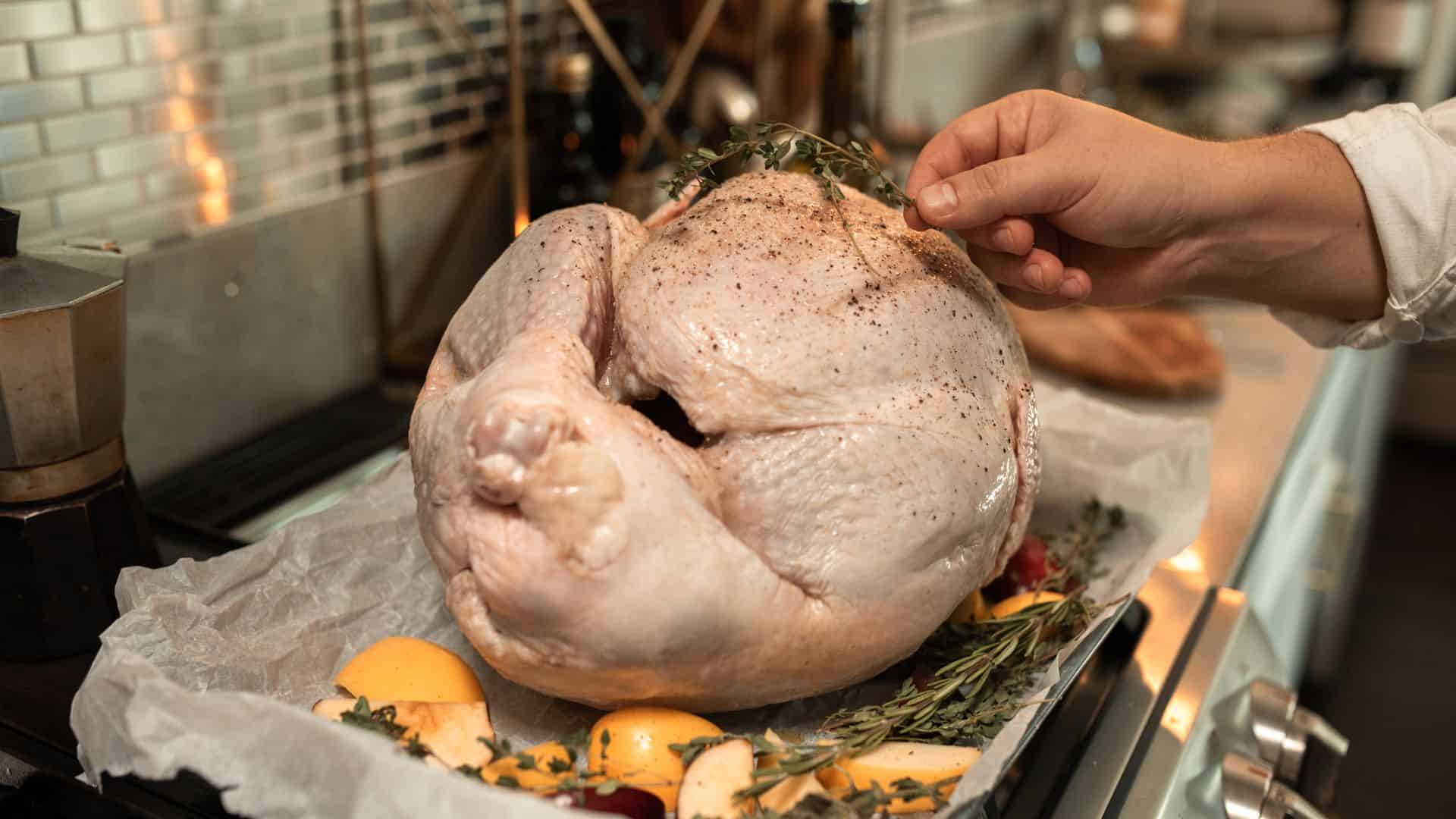
Contrary to popular belief, frozen fruits and vegetables can be just as nutritious as fresh ones. In fact, the USDA’s Food Safety and Inspection Service notes that many foods maintain their nutritional value and quality when properly frozen.
The USDA also explains that freezing keeps microbes in a dormant state, preventing them from growing as long as the food stays properly frozen. This means frozen vegetables, fruits, and meats are safe to buy and consume when handled and thawed correctly.
Additionally, fresh food isn’t always as healthy as many people believe. Studies suggest that nutrients in fruits and vegetables start to break down after harvest. This nutrient loss can be minimized through proper storage or processing. Frozen, canned, dried, and 100% juice products are processed just after harvesting to "lock in" the freshness of just-picked produce.
Cost and waste
However, the retail cost of fresh and frozen foods varies dramatically. Shopping for Thanksgiving requires making smart decisions, so it is recommended to choose ingredients that cost less and have the same nutritional value as fresh ones.
Seasonal changes also affect the cost of produce; for example, fresh spinach may be more expensive than canned spinach in some areas, so researching local produce and buying foods that cost less is the smartest choice.
Fresh items to buy
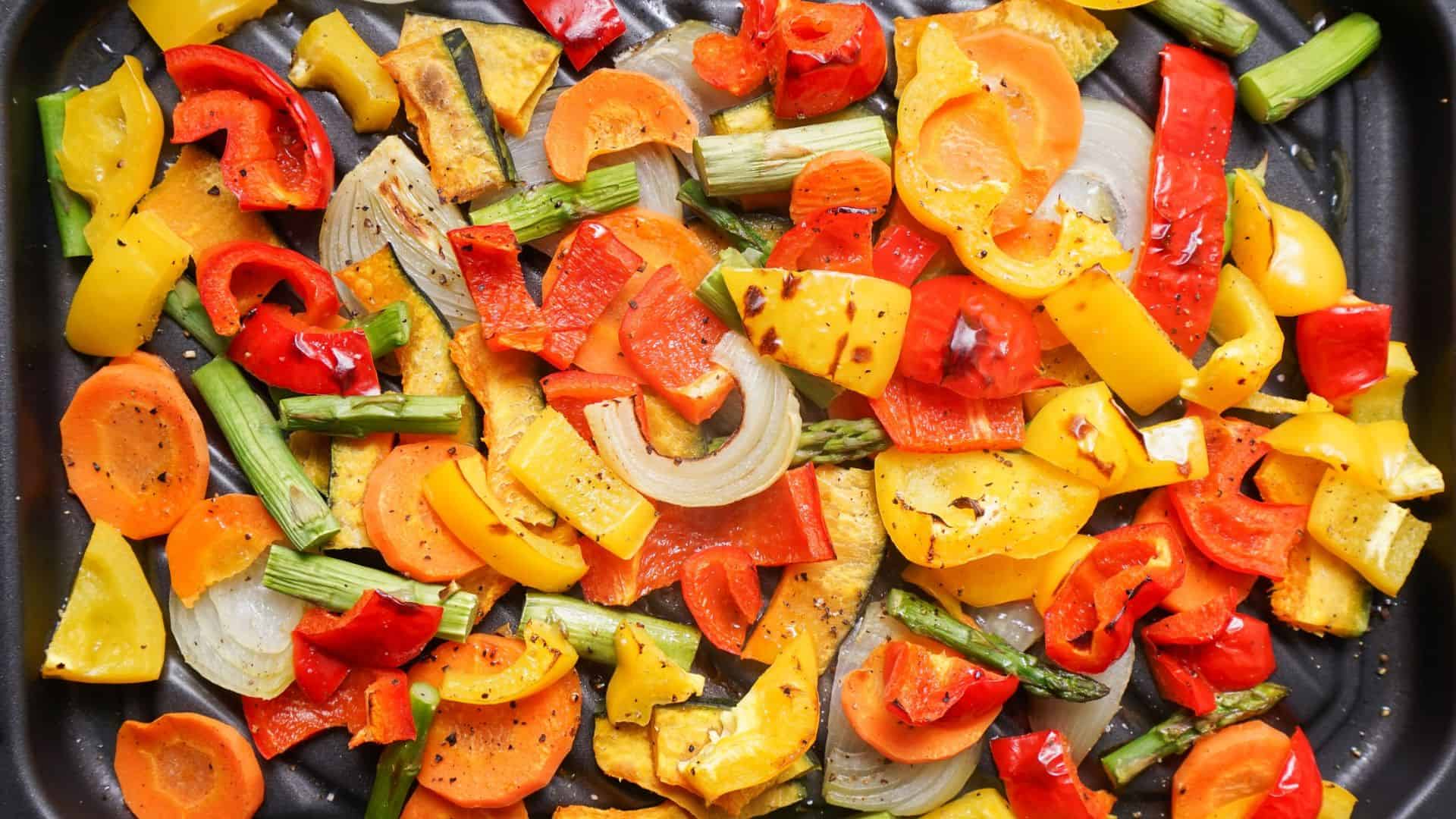
Certain produce, like fresh herbs, cooks best when they are fresh; these herbs release aromatic and vibrant oils that enhance flavor profiles when cooked. Additionally, fresh produce offers a more aesthetic and appealing appearance, contributing to a more appetizing meal.
Here are the best fresh picks for Thanksgiving:
Herbs (rosemary, sage, thyme, parsley): Fresh herbs add fragrance and flavor to stuffing, gravy, or roasted vegetables.
Root vegetables (carrots, parsnips, potatoes): Fresh root vegetables hold up better during roasting and caramelization.
Citrus (lemons, oranges): Use for zest, garnish, or fresh-squeezed juice in sauces or desserts.
Leafy greens (spinach, kale, arugula): The fresh leafy greens are great for salads or quick sautés.
Smart tips for buying and storing fresh ingredients
If you’re buying fresh items, here are some tips to ensure they remain fresh before dinner:
- Pick vegetables and herbs that look vibrant, firm, and free of dark spots or wilting.
- Smell herbs before buying; they should have a clean, strong aroma, not a sour or earthy odor.
- Always check “use by” or “sell by” dates on poultry, greens, and dairy items.
- Wrap fresh herbs in slightly damp paper towels, place them in zip-top bags, and store them in the fridge.
- Keep leafy greens like spinach or kale in containers lined with paper towels to absorb moisture.
- Store root vegetables (onions, garlic, potatoes, carrots) in a cool, dark area instead of the refrigerator.
Items you can buy frozen
Although most people prefer buying fresh produce, frozen foods provide the same nutritional value. In some cases, frozen produce is inherently better in terms of cost, convenience, and quality.
Here are the best frozen picks for Thanksgiving:
Whole turkey: If you’re planning to buy on a budget, you can get a frozen Turkey. It’s more affordable and can be stored for many days or even months.
Vegetables: Frozen corn, peas, green beans, and broccoli are perfect for casseroles, soups, and sides.
Fruit: Cherries, berries, and peaches, ideal for pies or cobblers.
Pie crusts and puff pastry: Reliable for last-minute desserts such as pumpkin custard pie or puff pastry pumpkin turnovers.
Seafood (shrimp, scallops): Useful for seafood appetizers or secondary dishes.
Smart tips for buying and storing frozen ingredients
If you’re buying frozen items, make sure to store them properly.
- Buy frozen foods toward the end of your shopping trip so they stay solid until you get home.
- Avoid packages with frost or ice crystals; they indicate thawing and refreezing, which can affect quality.
- Choose resealable packaging when possible to reduce freezer burn after opening.
- Group similar foods together (vegetables, fruits, meats) for easy access and better temperature consistency.
- Label and date frozen foods to track freshness and rotation.
Strategies to host the best Thanksgiving feast

Hosting Thanksgiving takes planning, timing, and a little flexibility. The best approach is to use fresh ingredients for flavor and presentation, and frozen ones for convenience and efficiency. Both have a place on the table when used wisely.
Begin by reviewing your menu and deciding which dishes need that fresh touch. The turkey, roasted vegetables, and rolls benefit from fresh ingredients that hold texture and aroma. Frozen options, like peas, corn, and pre-chopped vegetables, work well in casseroles, soups, and side dishes where texture matters less.
Plan your shopping schedule around storage and prep time. Stock up on frozen items early, and buy your fresh produce a day or two before cooking. Keep track of what needs refrigeration or freezing so nothing spoils before the big day.
A thoughtful plan saves time, reduces waste, and helps everything come together smoothly. With a little preparation, you can cook confidently and enjoy a Thanksgiving dinner that feels effortless and well-organized.
Leave a Reply