
Most of us grew up thinking the microwave was just a “shortcut” for people who didn’t want to cook, or worse, some fell for the old myths that it nukes the nutrition out of food or makes it radioactive. According to the Michelin-trained chef Dean Allen Sheremet, this appliance is actually one of the most useful tools in the kitchen once you understand how it works.
Microwaves use a type of non-ionizing radiation, which means they heat food by causing some molecules to vibrate. It does not make food radioactive or unsafe to eat when the appliance is functioning correctly. You can use the microwave for tasks that may be time-consuming and harder to do otherwise.
What can you use a microwave for besides reheating food?
In a recent video, Dean Sheremet breaks down several techniques that prove the microwave is for more than just leftovers. These methods are quick and, in many cases, produce higher-quality results than traditional methods.
Drying fresh herbs
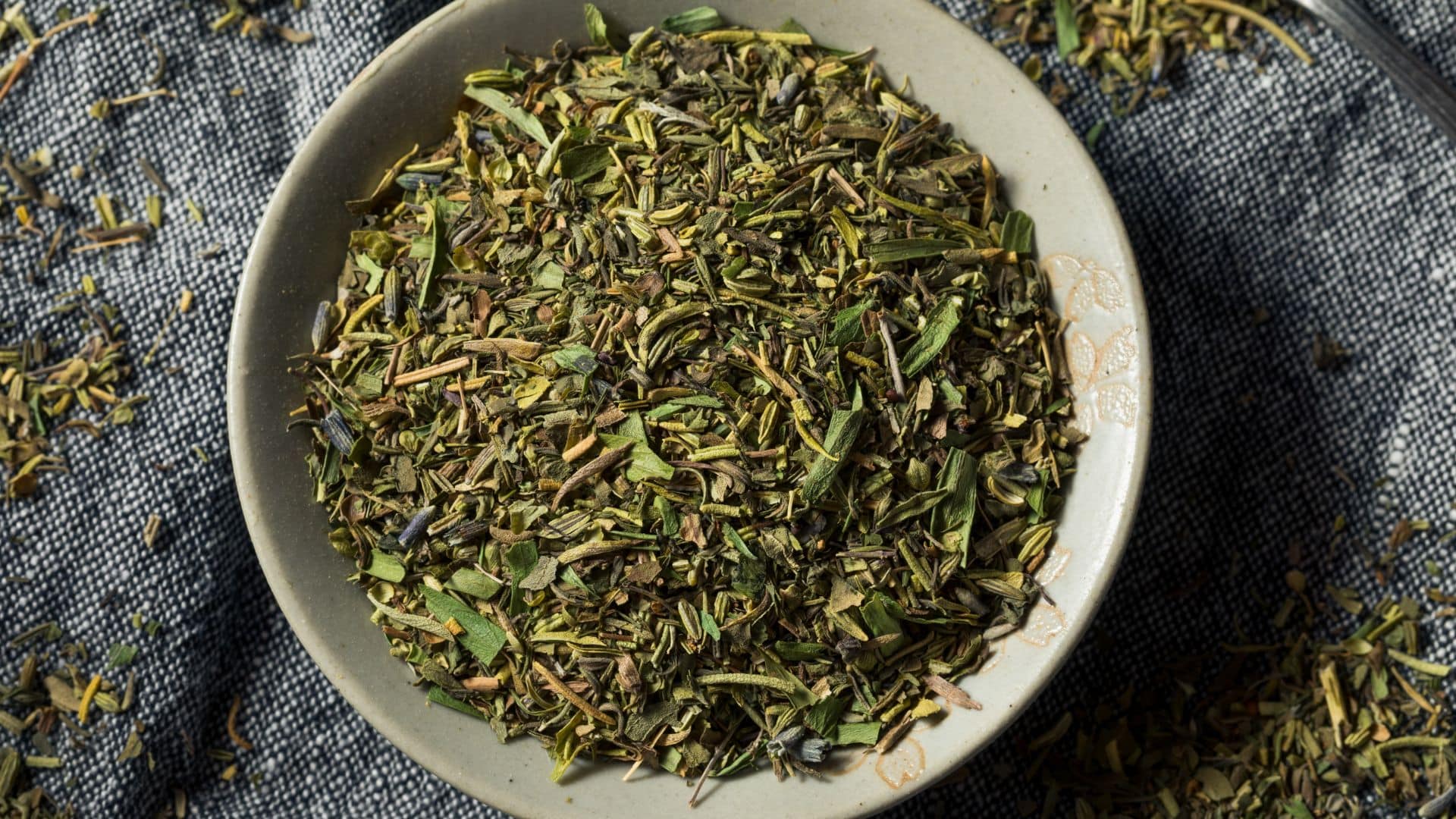
Fresh herbs are expensive, and they usually go bad in the fridge before you can use the whole bunch. Most people end up throwing half of them away. You can actually use the microwave to dry them out. Sheremet shows that you can put the clean herbs on a paper towel and heat them in the microwave on high setting for about three minutes.
This method is the best way to dry out the herbs. When stored properly, they can be used up to three months. It is also faster than air-drying and a great alternative to buying dried herbs at the store.
Getting more juice out of citrus

If you have a lemon or lime that feels hard and is difficult to squeeze, the chef suggests microwaving it for about 20 seconds. The heat relaxes the internal membranes of the fruit, which makes it softer and allows you to get a lot more juice out of it with much less effort. He then shows the comparison by squeezing the microwaved lemon into the bowl with the one at room temperature. It’s clear that microwaved lemon is easier to squeeze and to extract juice from.
It is a simple way to make sure you aren’t wasting any part of the fruit, especially if you are juicing a large amount for a dish or lemon dessert.
Steaming vegetables perfectly
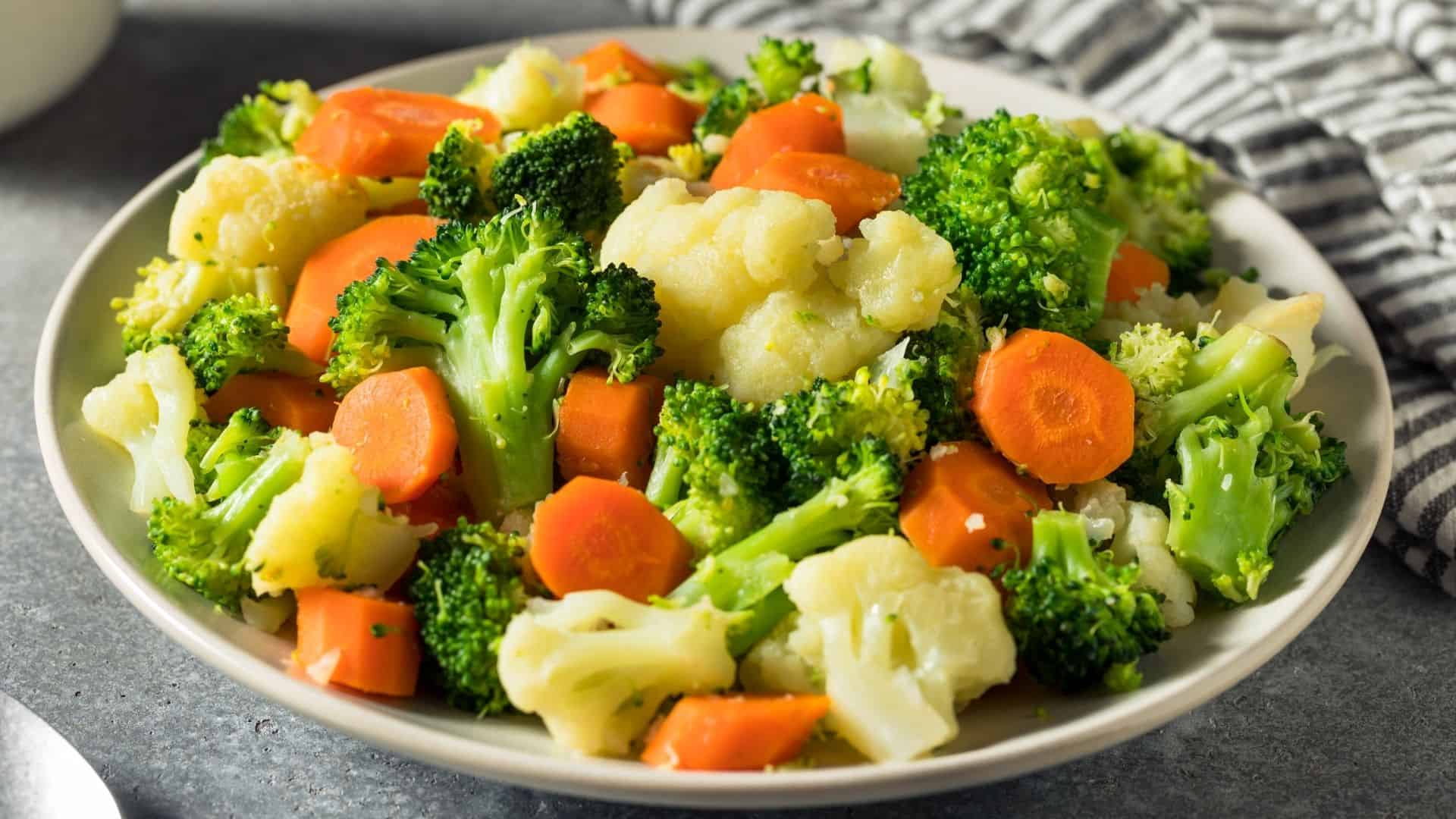
The chef explains that many people think microwaving vegetables is less healthy than boiling them, but the science shows the opposite. When you boil vegetables, the vitamins often leak out into the water, which you then pour down the drain. Because a microwave cooks very fast and uses almost no extra water, the vegetables steam in their own juices.
Dean shows that you can steam vegetables by putting them in a glass bowl, sprinkling oil and salt on them, and then mixing them. After covering it, microwave it for two minutes on high, and you’ll have the perfectly steamed vegetables without losing any color, texture, or nutrients.
Peeling garlic without the hassle
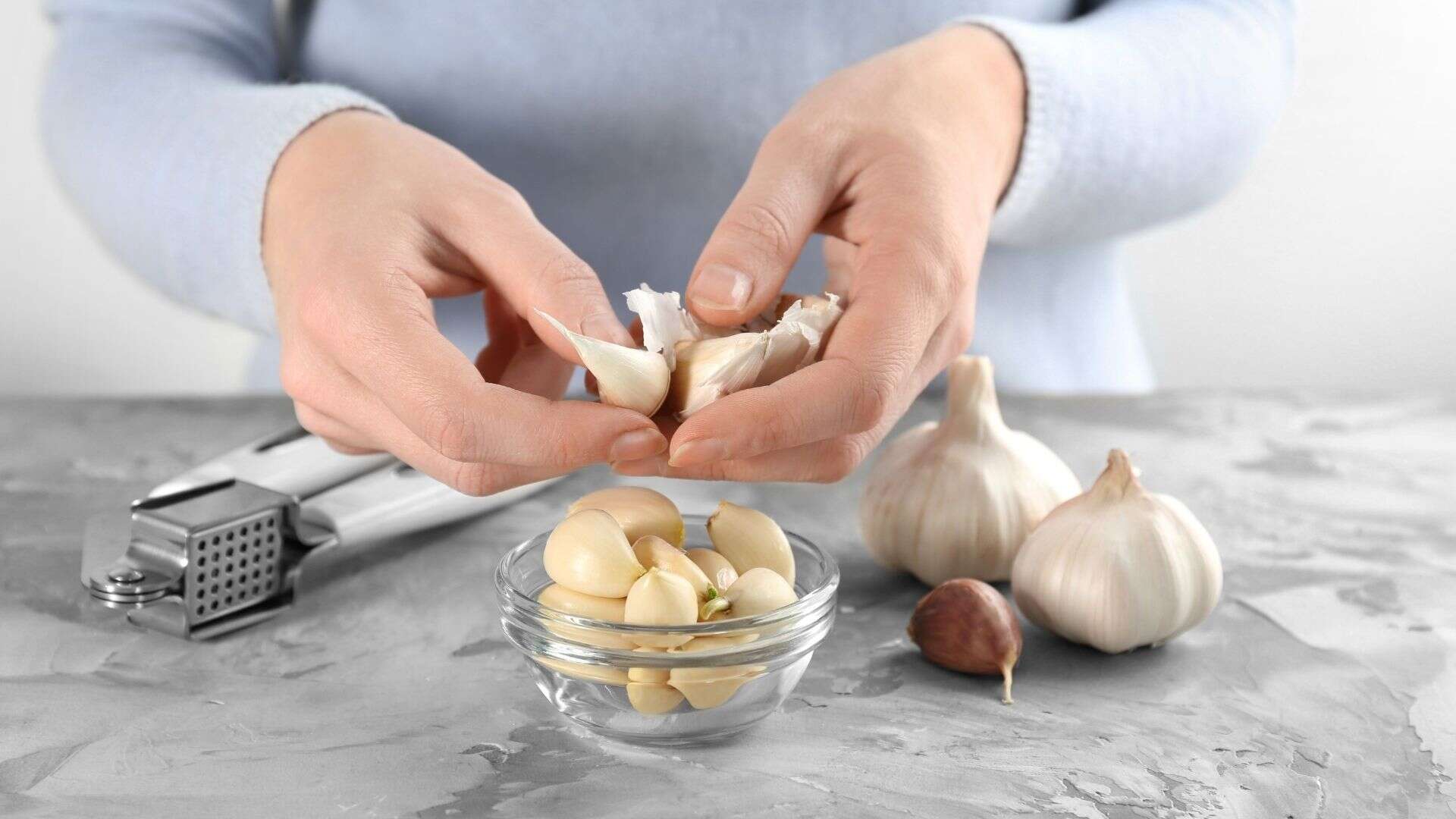
Peeling garlic is one of the most tedious tasks if you don't know how to do it right. Dean suggests heating the garlic cloves in the microwave for about 15 to 20 seconds on high. This creates a bit of pressure that pops the skin loose, and the cloves will just fall out.
Bonus hack: Melting chocolate chips in the microwave
As a pastry chef, I often melt chocolate in a microwave, as it’s an energy-efficient alternative to the traditional stovetop double boiler. First, put the chocolate chips in a plastic microwave-safe bowl or container (glass can easily overheat).
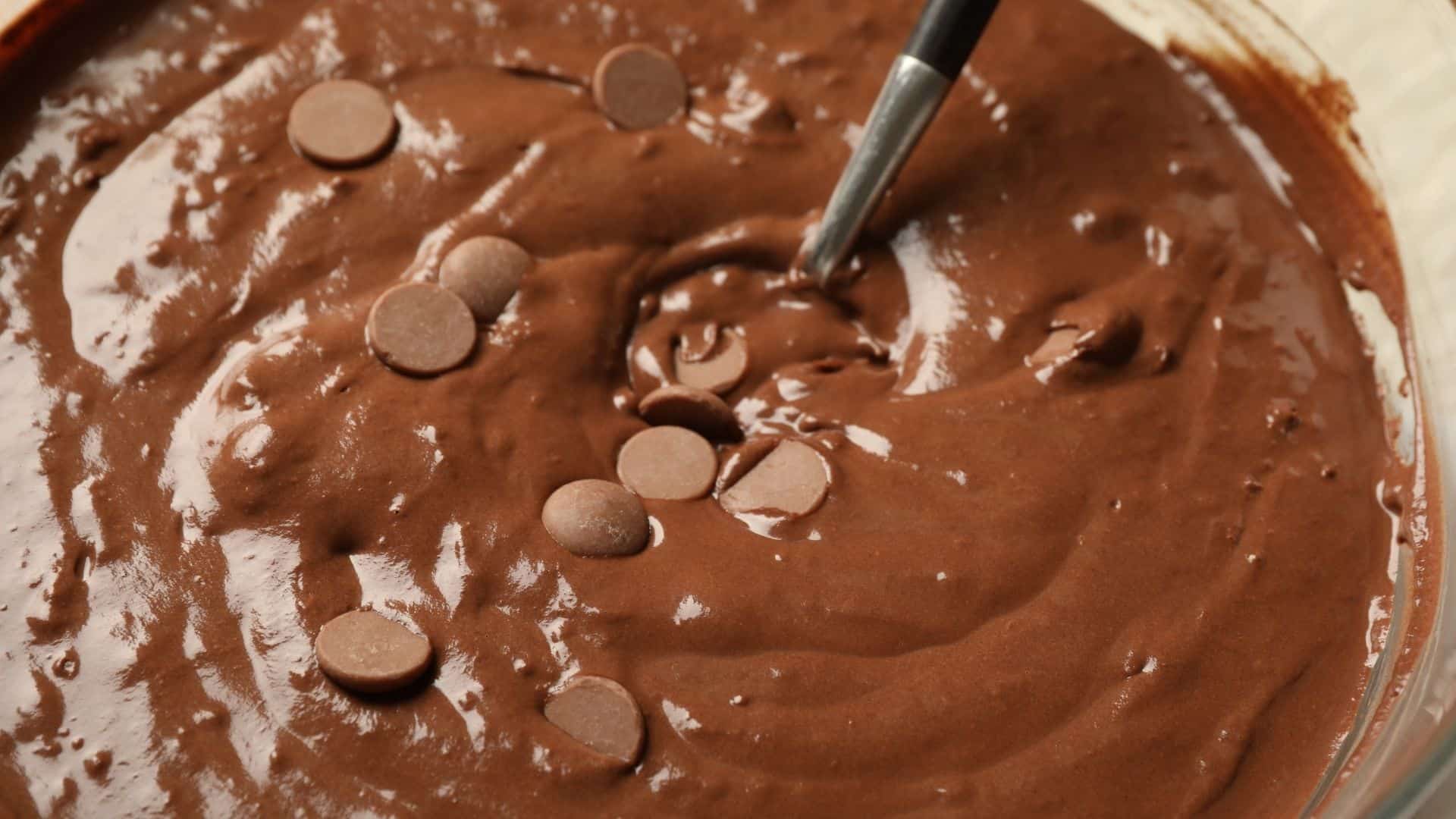
Melt the chocolate chips at medium power in 20- to 30-second intervals, stirring frequently. Even when pieces look intact, leftover heat continues the melting process. This heating method prevents burning and keeps the chocolate smooth and glossy, ready for use in delicious chocolate desserts.
The microwave can do much more than heat up leftovers. Once you understand how it works, you can use it for a variety of kitchen tasks that save you time and also reduce waste.
Leave a Reply