
Pasta might be a go-to comfort food, but cooking it just right isn’t always as easy as it seems. From overcooked noodles to bland sauces, small mistakes can ruin an otherwise perfect dish. The good news? These simple, tried-and-true tips will help you get it right every time. With a few easy changes, your pasta dishes will taste like they came straight out of an Italian kitchen.
Perfecting Your Pasta

Learning how to nail the perfect pasta is a fantastic party trick at home or at any dinner party. It ensures that you nail any dish to impress and satisfy your guests, your family, and yourself every time.
What Are You Cooking?
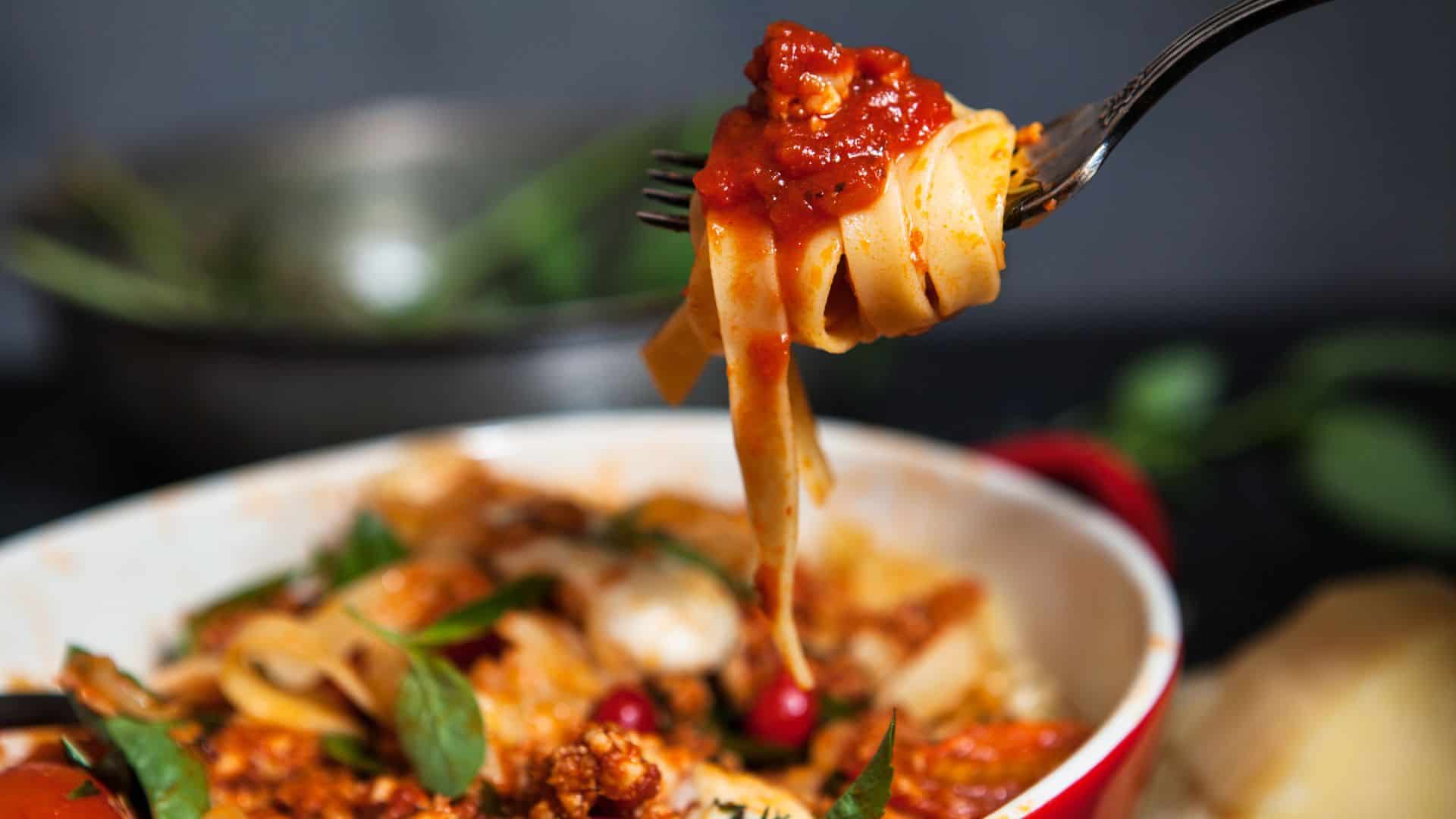
Consider the type of pasta or dish you need the noodles for. Cooking noodles isn't "one size fits all." You can get the hang of it with practice, but different types of noodles require different cooking methods and timing.
Choosing The Right Noodles
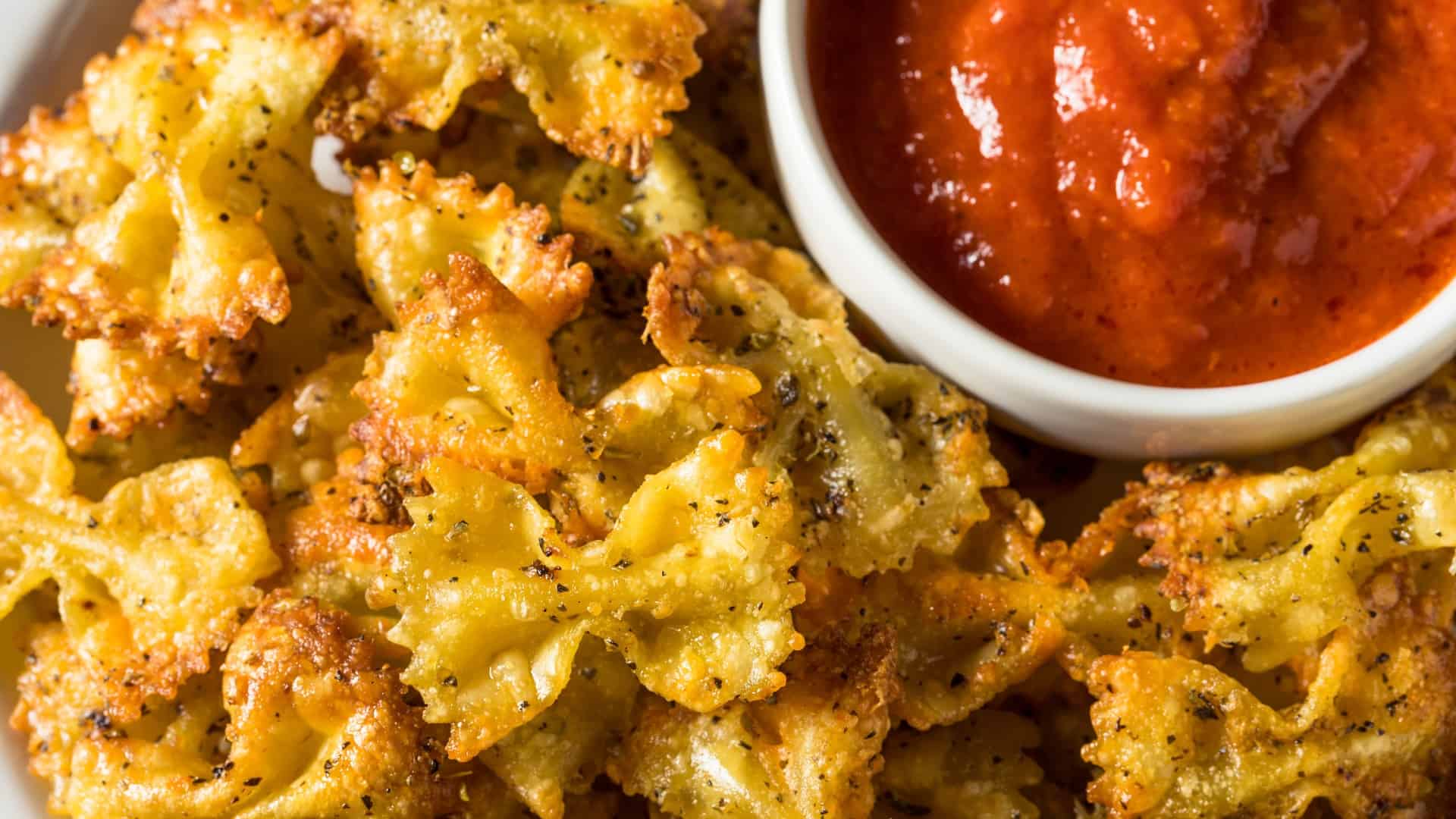
Choosing the right noodles goes hand in hand with considering what kind of dish you're cooking. Make sure you use the proper cooking time based on the noodles your recipe calls for. For example, Fettucini noodles must be cooked longer than angel hair noodles.
Desired Consistency

Noting your desired consistency is imperative to achieving the correct results. If you want your noodles al dente, they won't require as long to cook. Take note of what the recipe calls for and follow suit. 8-10 minutes is the average cook time for fully cooked noodles.
Al Dente Noodles
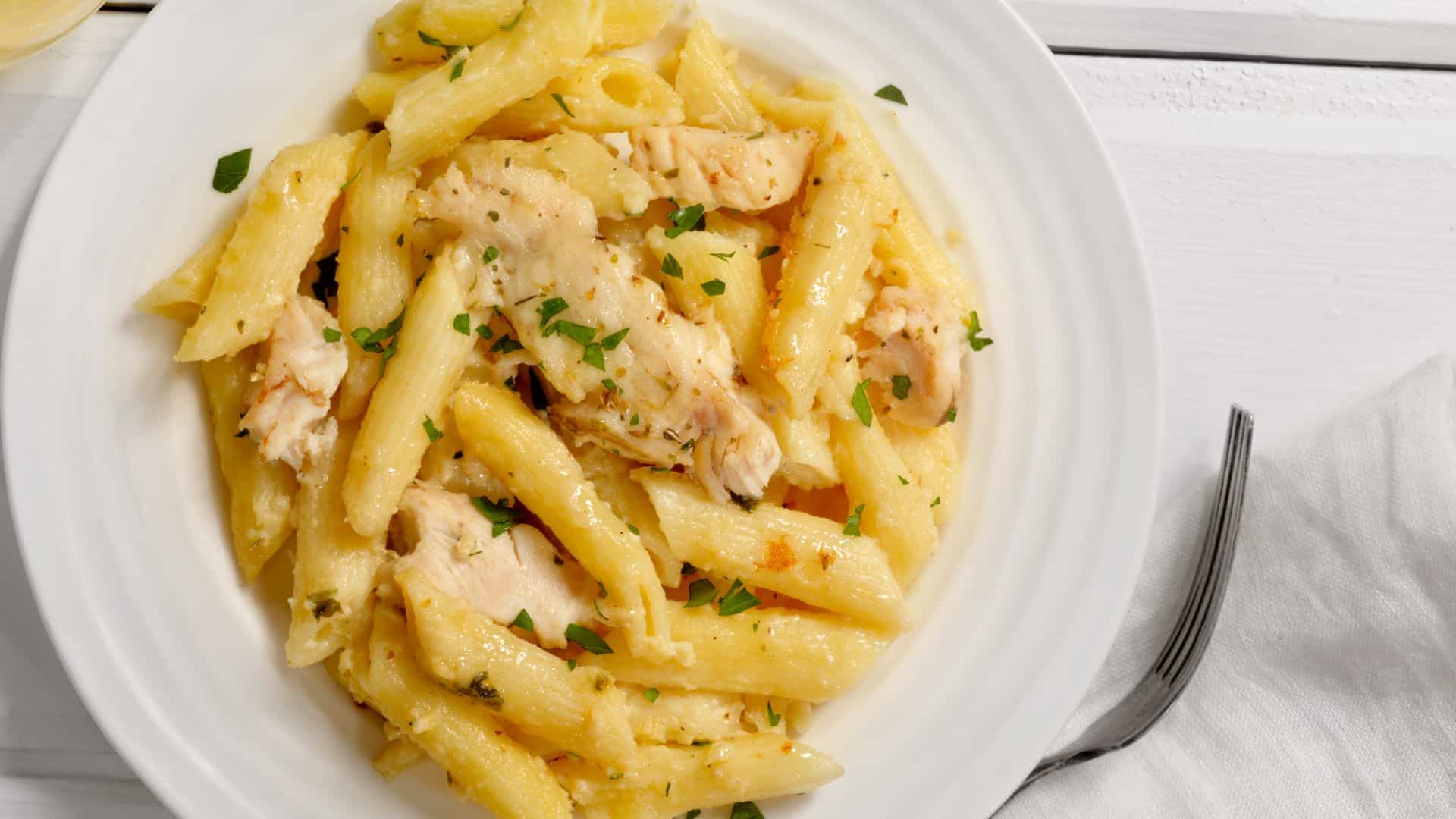
Al dente refers to the type of noodle that is tender but firm to the touch and more on the chewy side. This texture is common and very popular in Italian dishes. Cook the noodles in rolling boiling water for 1-2 minutes less than the suggested cooking time, checking for denseness.
Salting The Water
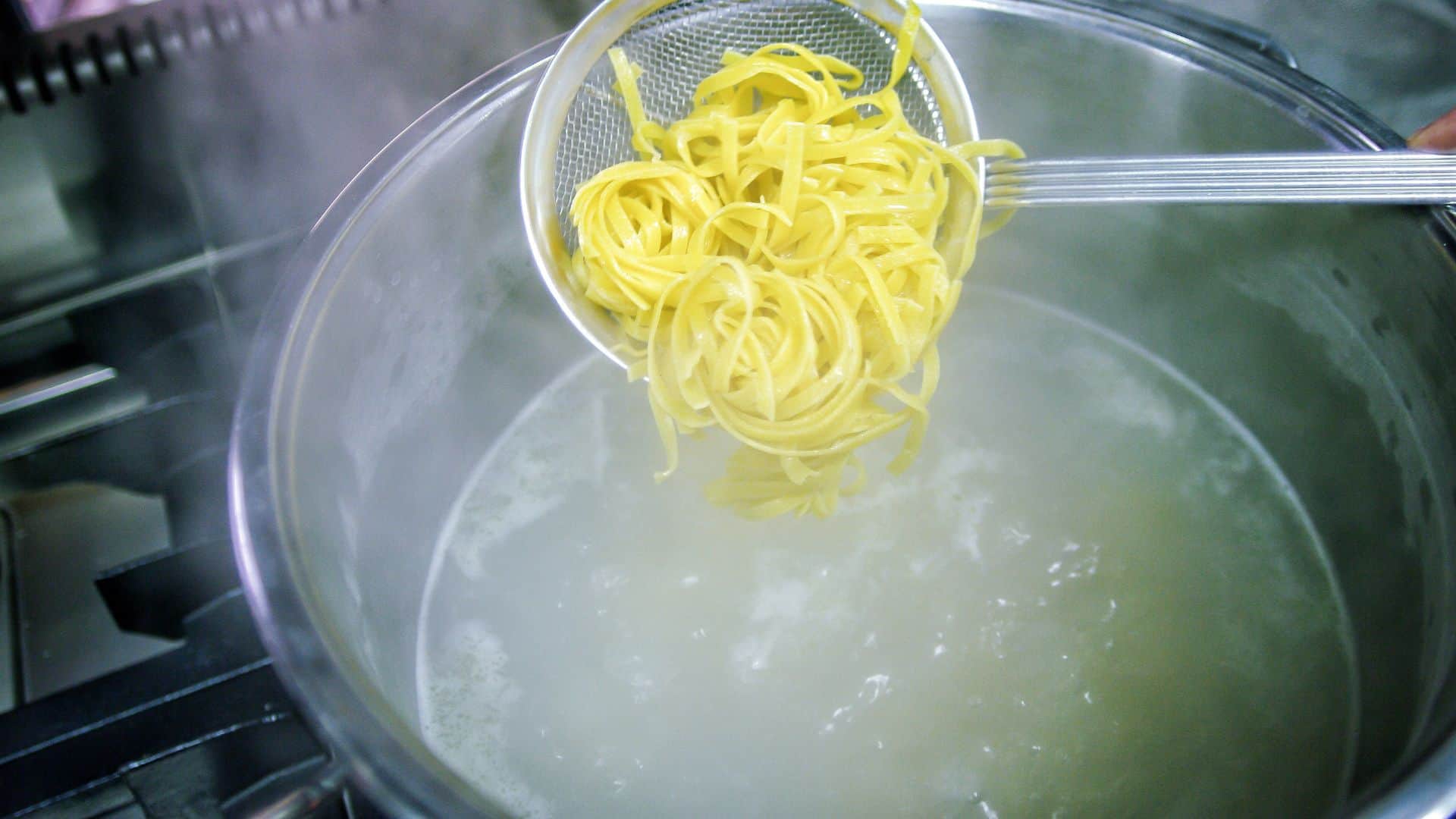
Adding a generous amount of salt to the boiling water before you add the noodles is a tradition (particularly in Italian cuisine) that enhances the flavor and seasons of the noodles. It helps with the texture of the noodles and gives you a better result.
Noodles Sticking

If you overcook the noodles or let them sit in boiling water for too long, they can stick together and leave you with hard clumps. Likewise, undercooked noodles can clump together due to the sticky residue. Adding a teaspoon of olive oil to your water will help prevent this.
Independent Variables

Be mindful of the different variables present while cooking your noodles, such as the surface you cook on or the thickness or thinness of the pot you cook your noodles in. These factors can alter the necessary cooking time. It's essential to know the variables in your kitchen for this reason.
Stir Occasionally
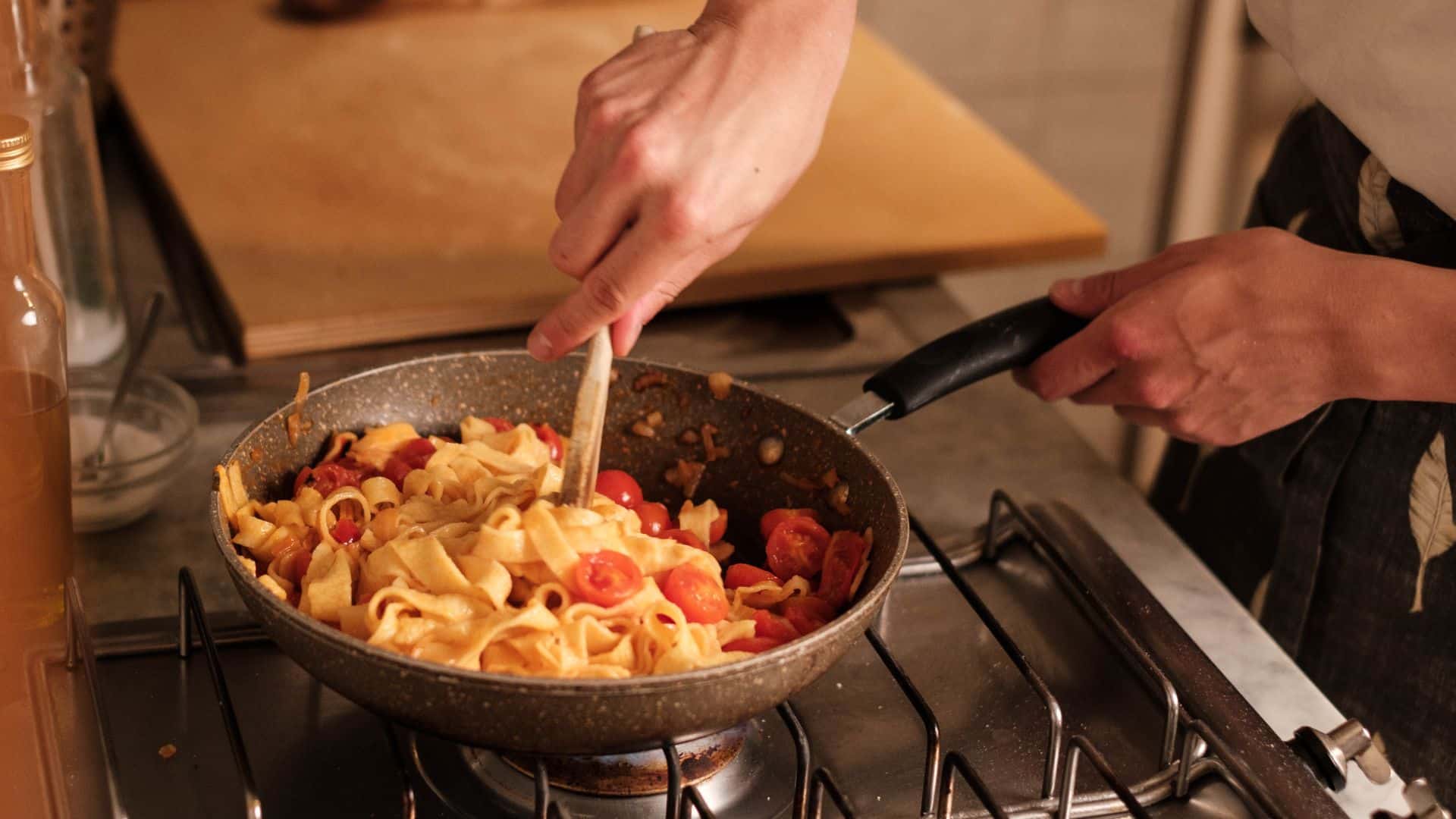
Stirring the noodles occasionally as they cook won't necessarily interfere with the required cooking time. But it will ensure that your noodles cook evenly and help prevent them from sticking together.
Checking If Your Noodles Are Done

When your noodles are cooked perfectly to your desired texture, you can still double-check they're done before draining them. Visually, fully cooked noodles will be slightly transparent with no white spots, and you can take a single noodle out to test the texture with a fork.
Noodle Notes

While most noodles will always come with a suggested cook time on the box, the standard cook time is 8-10 minutes and 2 minutes under suggested times for al dente. You can check the cook by looking for white spots in the noodles and checking tenderness with a fork.
Reheating Pasta

If you're not careful, reheating your noodles can compromise their texture. If there is too much steam in the container you reheat them in, it can cook the noodles further and cause them to become mushy, and not enough moisture will cause them to dry. Reheat them uncovered on low on a stovetop.
Fresh Pasta
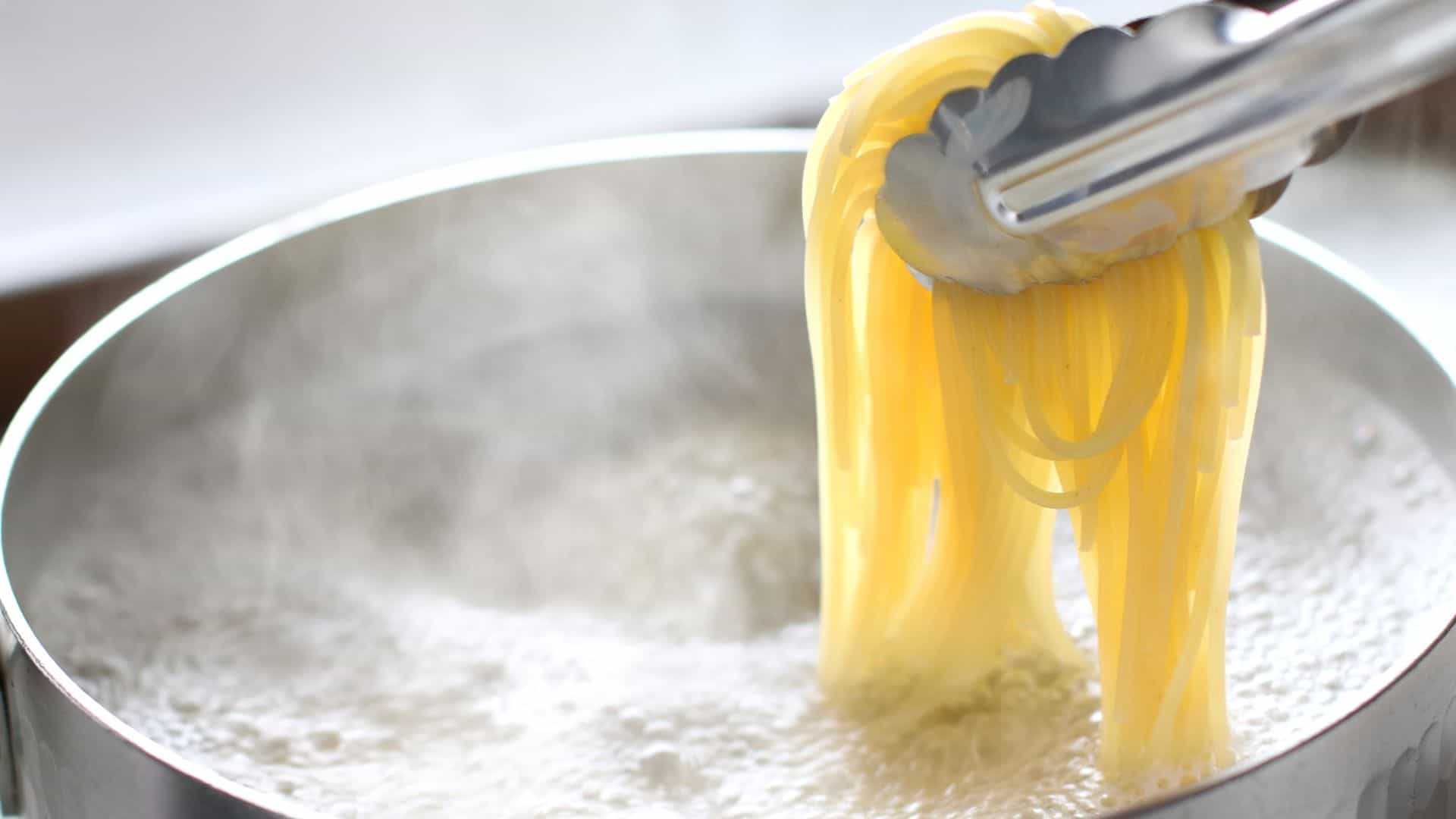
Fresh pasta is a great alternative to dry, box pasta. Just be warned that fresh pasta cooks very quickly. You can expect your noodles to be cooked in 2-3 minutes. A good trick to use with fresh pasta is to watch the noodles in the boiling water. When they float to the top, they are cooked.
This article was first published at Spatula Desserts.
Leave a Reply