
Some foods look harmless—or even delicious—but they hide a dark side. From innocent-looking snacks to prized delicacies, these food items can pose serious health risks if not handled or prepared properly. It’s hard to believe these are legal to eat in many places. So the question is: would you take the risk for a bite, or stick to something a little safer?
Note: The content of this article is not medical advice.
Ackee
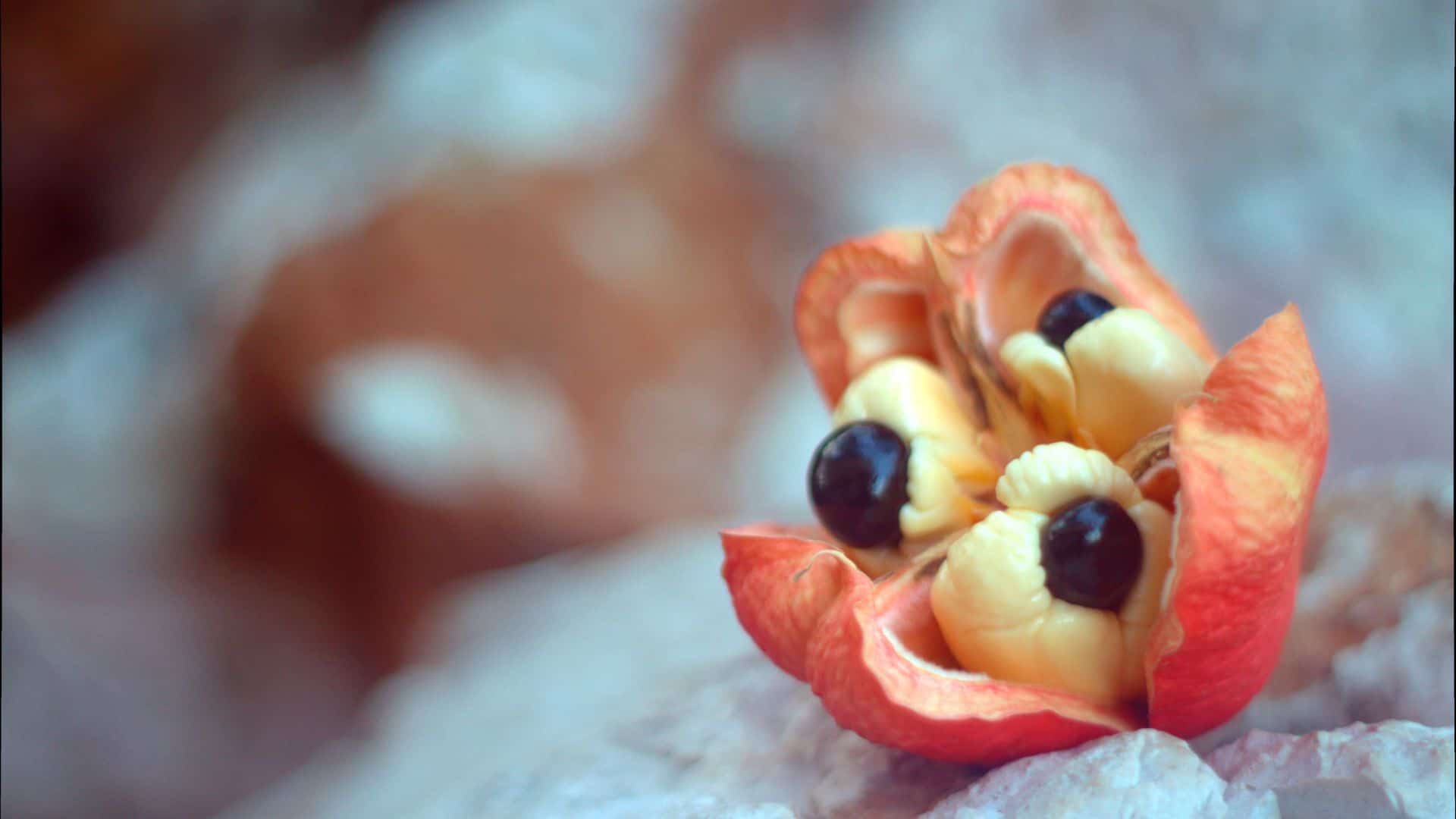
A tropical West African fruit, ackee is commonly eaten in the Caribbean. So you’re probably wondering what makes it so unsafe.
Well, the fleshy part of ackee is loaded with hypoglycin, a natural toxin that can dangerously lower the blood glucose level. If that wasn’t enough, it also causes Jamaican Vomiting Sickness, in which the eater can’t stop puking and even becomes delirious.
San-nakji

San-nakji is a Korean delicacy that’s not only creative but controversial because of its potential health risks.
Sannakji are octopus tentacles that are kept alive to the point they squirm. This daring serve is seasoned well, but only a few can eat it. This is because the tentacles can still stick inside the throat, causing a choking feeling. It can even damage the esophagus.
Silverstripe blaasop

Native to New Zealand, the silverstripe blaasop is an attractive fish that’s as dangerous as it’s cute.
The fish contains ciguatoxin, eating which is so poisonous it can literally alter your mental state and induce hallucinations. Eaters suffer from extreme stress and can spend days or even months in the hospital because there’s no specific treatment, just general care. Yikes.
Basashi

This might be the most controversial dish because the Japanese are well aware of its risks, yet still serve it.
Basashi is raw horse meat served sashimi-style. Although delectable, it has way too many risks to be taken lightly. The biggest of them all is bacteria, which can easily happen if ill-prepared.
Fesikh

A pungent odor follows fesikh, an Egyptian dish that’s basically fermented mullet fish.
Fesikh is served with a falafel-like dish, and although it tastes amazing, it poses serious risks. The fermentation of the fish can produce certain toxins, which can severely harm us. It also carries food poisoning risks and has caused bouts of botulism in eaters.
Rice

Surprising, right? Who knew that rice could make you ill? But it can! Uncooked rice may be contaminated with Bacillus cereus, a bacteria that can cause food poisoning. It is best to thoroughly cook your rice, then eat it while hot, or store it immediately in the fridge so the spores do not have a chance to grow.
Maguro no shinko

The Japanese are certainly daring because they decided to feast on this dish, which is literally just a tuna fish’s heart. It is actually a tradition to eat the tuna heart after catching the fish for good luck!
Fishing enthusiasts may know this, but for those who don’t, tuna heart is extremely dangerous because it may have high levels of mercury. Mercury poisoning can cause anxiety, numbness, memory problems, or even death. Don't eat too much raw fish in general if you want to avoid these issues!
Fugu kimo

Seriously, what is it with the Japanese? This is literally a pufferfish’s liver, and for those who don’t know, pufferfish are toxic.
The dish is so controversial and dangerous that only a few licensed chefs are permitted to cook it. Even then, ingesting the smallest dose of puffer fish toxin tetrodotoxin can not only make you severely sick. Yep, this is one food to avoid, like the plague!
Fugu sashimi

If pufferfish liver is bad, imagine the fish itself. And yes, of course, this dish is served in Japan.
The pufferfish sashimi is so harmful that only a select few chefs are allowed to cook it. But the risks easily outweigh the pros; fugu sashimi can cause severe toxicity, which can lead to delirium, hallucinations, paralysis, and respiratory issues. It can even induce coma and, well, is fatal…
Hakarl

This Icelandic dish is pretty tame, considering what we’ve seen, but that doesn’t negate how bad it can be on its own.
Hakarl is fermented shark meat and is as controversial as it gets. But let’s move on from that and talk about what happens when you eat it. You may get a bad case of food poisoning and just spend the day crouched next to the toilet, hoping for a break from the cramps.
Cherry Pits

There is a very good reason as to why you should always spit out your cherry pits. Cherry seeds have a substance called amygdalin, which releases cyanide when metabolized. The seeds have enough amygdalin in them to release cyanide when you chew them. Luckily, cyanide only results in minimal toxicity, and the body is capable of handling it.
Elderberries

Elderberries are fantastic for preventing cold and flu symptoms. Many people take elderberry supplements to help them stay healthy. But if you eat unripe elderberries, leaves of the elderberry bush, or bark from the tree, it can be poisonous.
Elderberries contain cyanide, a chemical that can cause vomiting and diarrhea. This sounds like the opposite of what elderberries are supposed to do.
Rhubarb
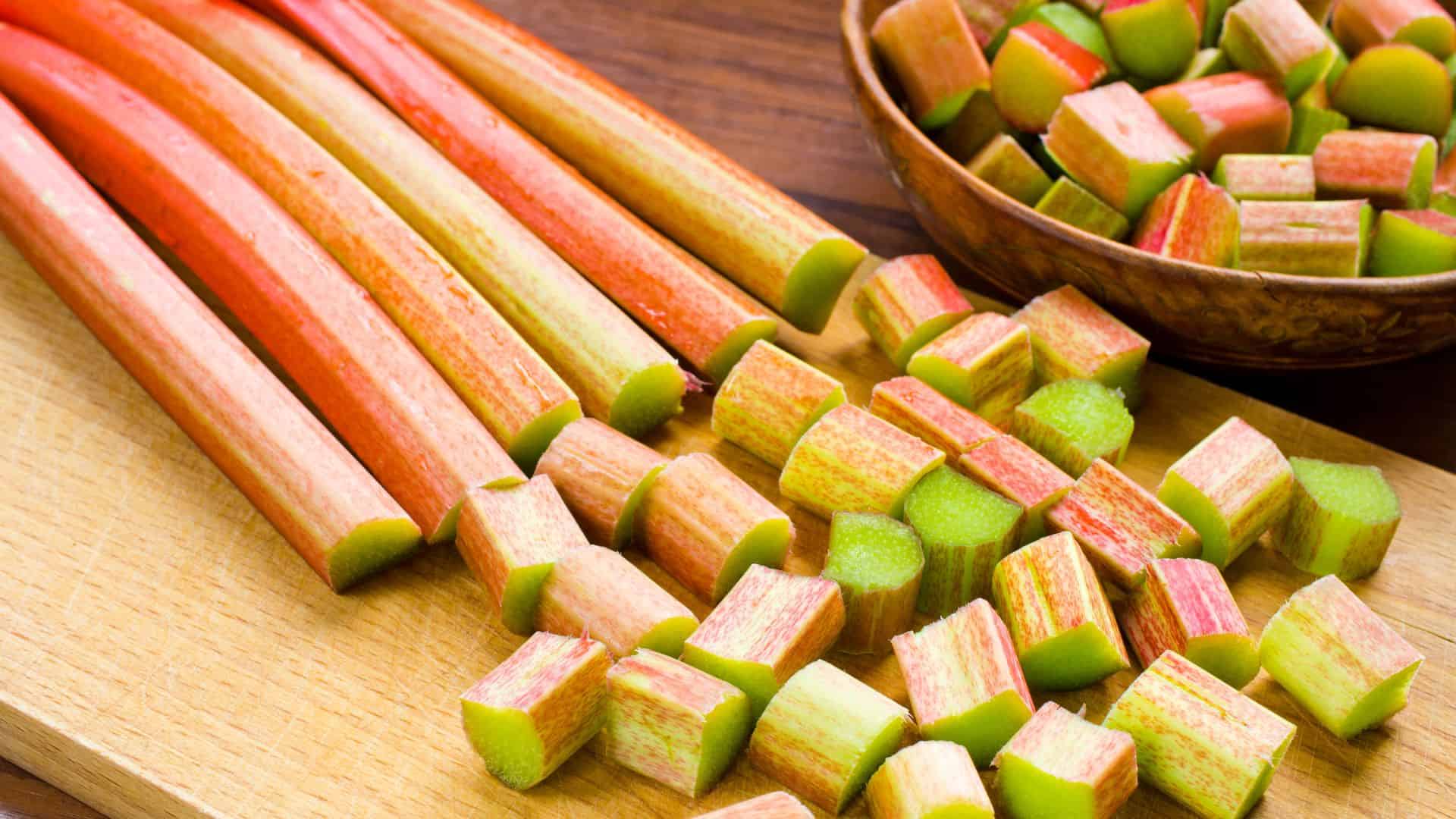
Rhubarb is actually poisonous—well, the leaves of the rhubarb plant are. The stalks are safe to eat and have a wonderful, sour taste, but stay far, far away from those big leaves.
The leaves contain oxalic acid, which can make your stomach turn and cause vomiting. Don't eat the leaves, just eat the stalks. And add some sugar- they can be sour!
Cashews

Cashews may be a popular snack, but in their raw form, they harbor a hidden danger. The shells of raw cashews contain urushiol, the same toxic compound found in poison ivy, which can cause severe skin rashes and, if ingested, serious health issues. To ensure safety, commercial cashews undergo rigorous processing, including roasting or steaming, to eliminate any traces of this toxin. Even so-called "raw" cashews sold in stores have been heat-treated to remove urushiol. Therefore, while cashews are safe to eat when properly processed, consuming them raw can be hazardous.
Absinthe

Absinthe, often dubbed the "Green Fairy," is a potent alcoholic beverage historically associated with hallucinogenic effects. Its primary ingredient, wormwood (Artemisia absinthium), contains thujone—a compound that, in high doses, can be toxic and may cause seizures, kidney failure, and other serious side effects. However, modern absinthe is regulated to contain only trace amounts of thujone, making it unlikely to cause such effects when consumed responsibly. The real danger lies in absinthe's high alcohol content, which can lead to alcohol poisoning if overconsumed.
Leave a Reply