
Healthy food, especially sugar-free foods, is becoming more and more popular, and they sound like a smart choice; unfortunately, they’re not always as healthy as they are meant to be. While they help reduce sugar intake for sure, they usually contain artificial sweeteners or other additives that can be even worse than sugar for your health. The labels claiming to be “sugar-free” can be misleading, and it is essential to understand what’s really in these products. To raise awareness, we have collected 16 common food items that are the typical "sugar-free" products you can find at the grocery store.
Note: The content of this article is for informational purposes only and is not a substitute for professional advice. Always consult with a qualified professional for advice tailored to your individual circumstances.
Sugar-Free Gummy Bears
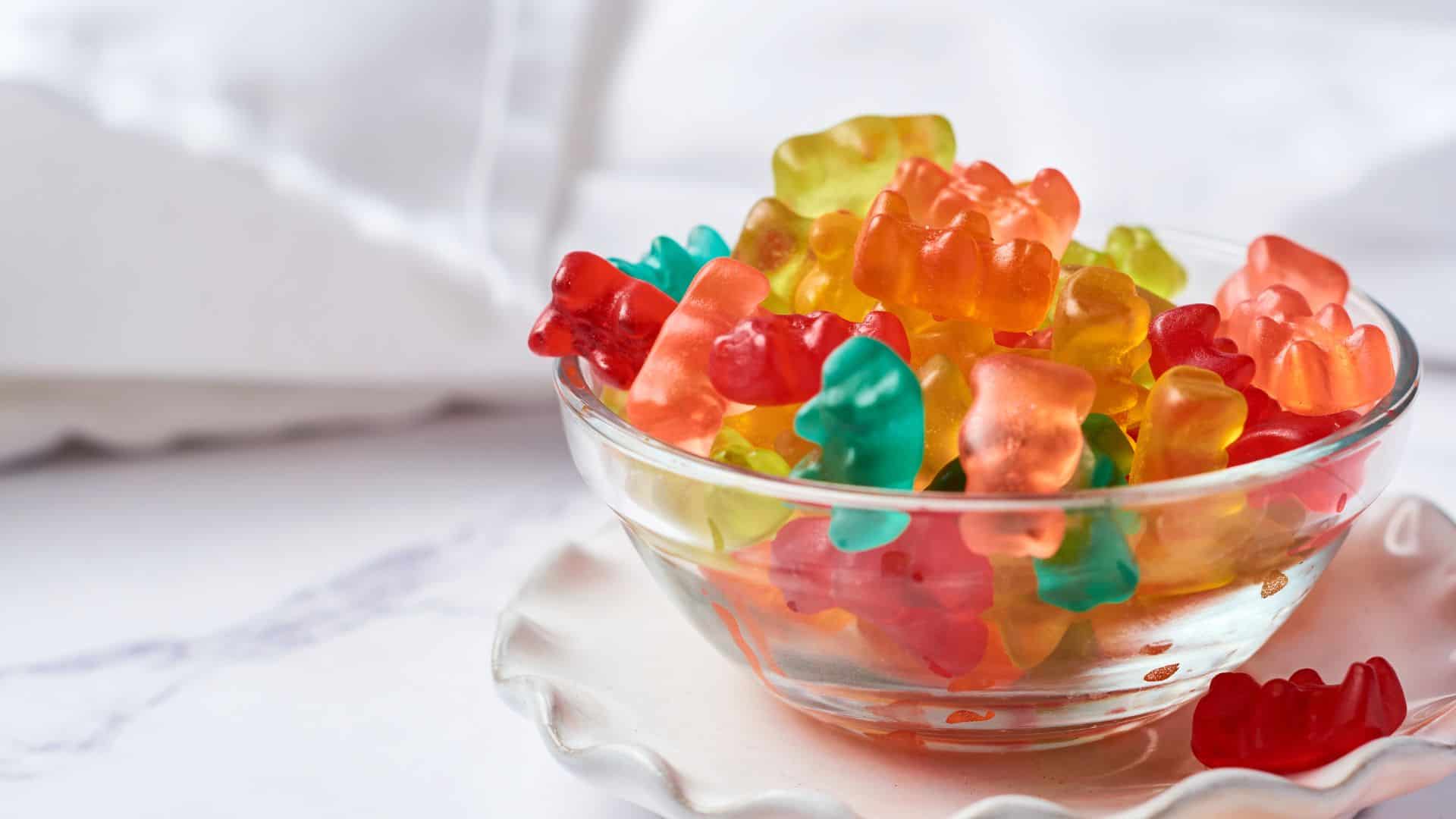
Ever wonder why sugar-free gummy bears still taste so sweet? They often use artificial sweeteners, which may raise concerns about long-term health effects. These treats don’t provide any nutritional benefits, and the risks from their artificial ingredients often outweigh any positives.
Flavored water
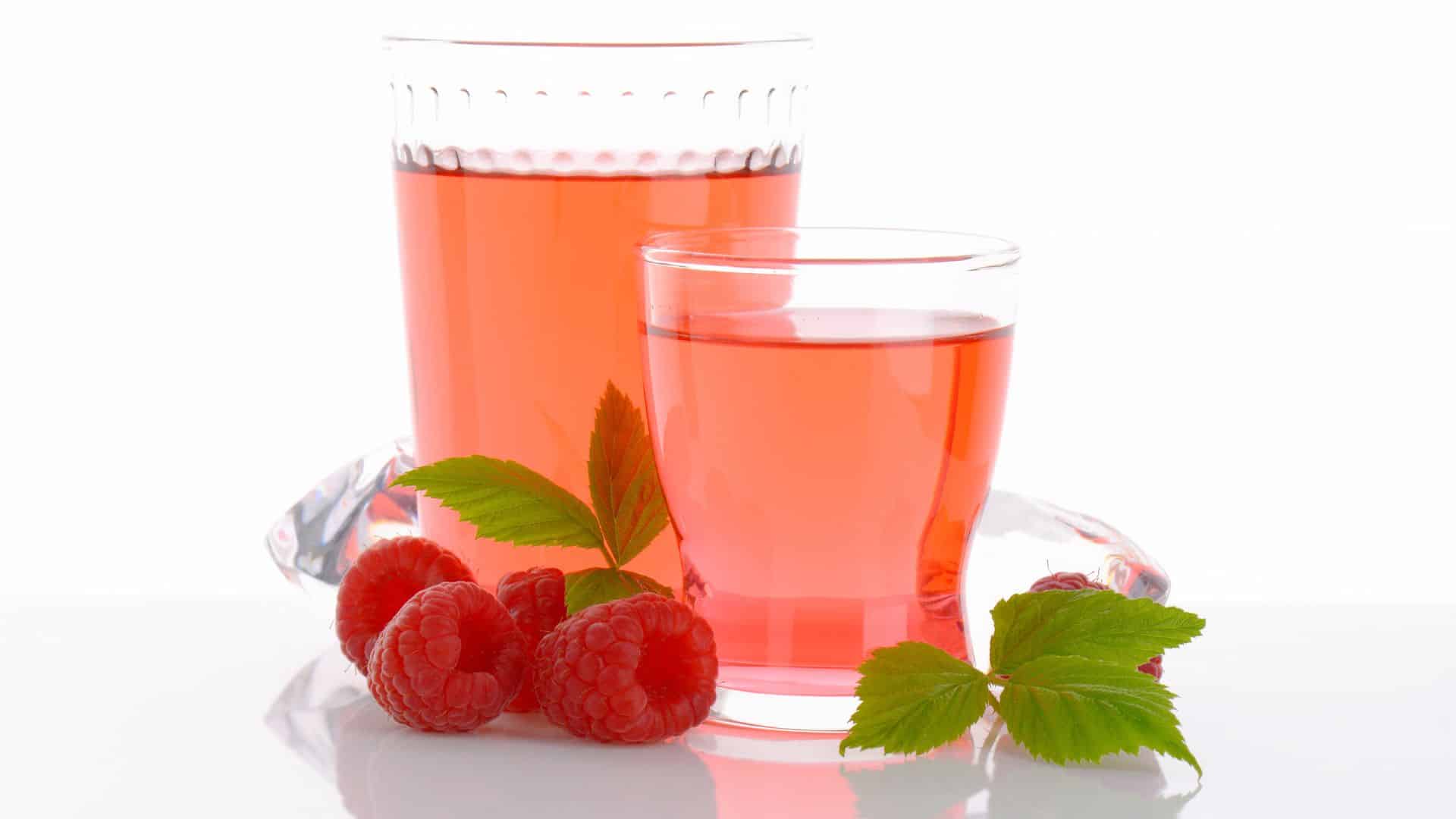
Anything that looks remotely artificially flavored should be avoided. While it’s hard to skip a few foods, it’s not difficult to avoid this scammy sugar-free beverage.
Flavored water is often sweet because it contains a lot of artificial sweeteners. Even if flavored water claims to be natural, the fruit used may also have a high amount of sugar, so you need to be wary of it.
Ice-cream

Many sugar-free ice creams are made with sweeteners like xylitol or erythritol. While xylitol is natural, it can cause side effects like stomach issues or diarrhea if consumed in large amounts. When combined with other sweeteners, these ice creams can still lead to high levels of artificial sugar in your diet.
Cookies
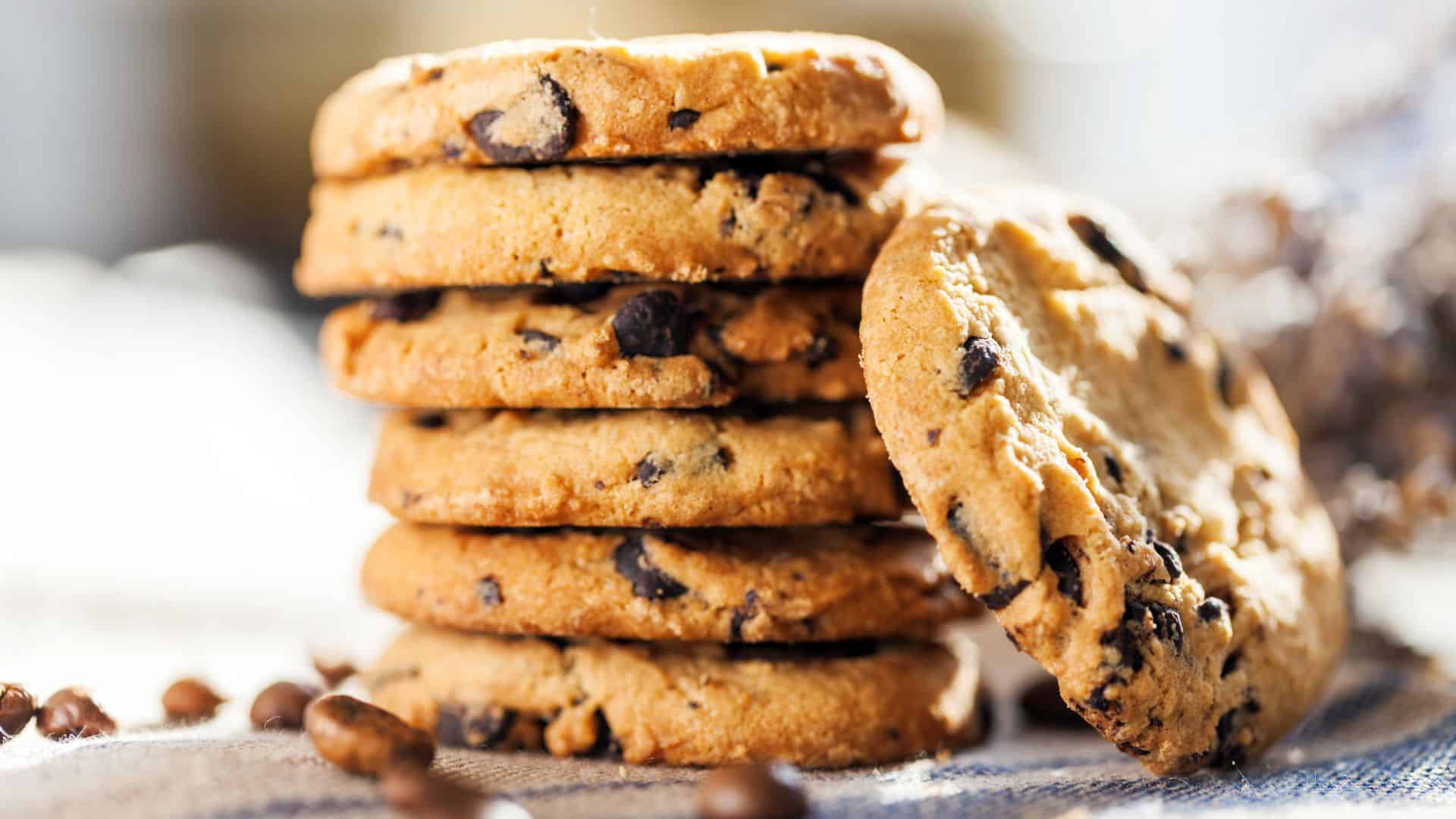
Sugar-free cookies are popular among diabetics and those watching their diets. These cookies often contain artificial sweeteners to maintain flavor, which can be okay in small amounts. However, since cookies typically need a lot of sweeteners to taste good, eating them regularly might not be the healthiest choice.
To make matters worse, artificial flavors used in sodas come with additional sweeteners, so you’re just getting a double dose of fake sugar. There is a lot of fake stuff in that little can!
Sugar-free soda is probably the biggest scam. While they market themselves as a sugar-free drink, most sodas are loaded with artificial sweeteners, which is probably why they still taste good.

Soda
Chewing gum
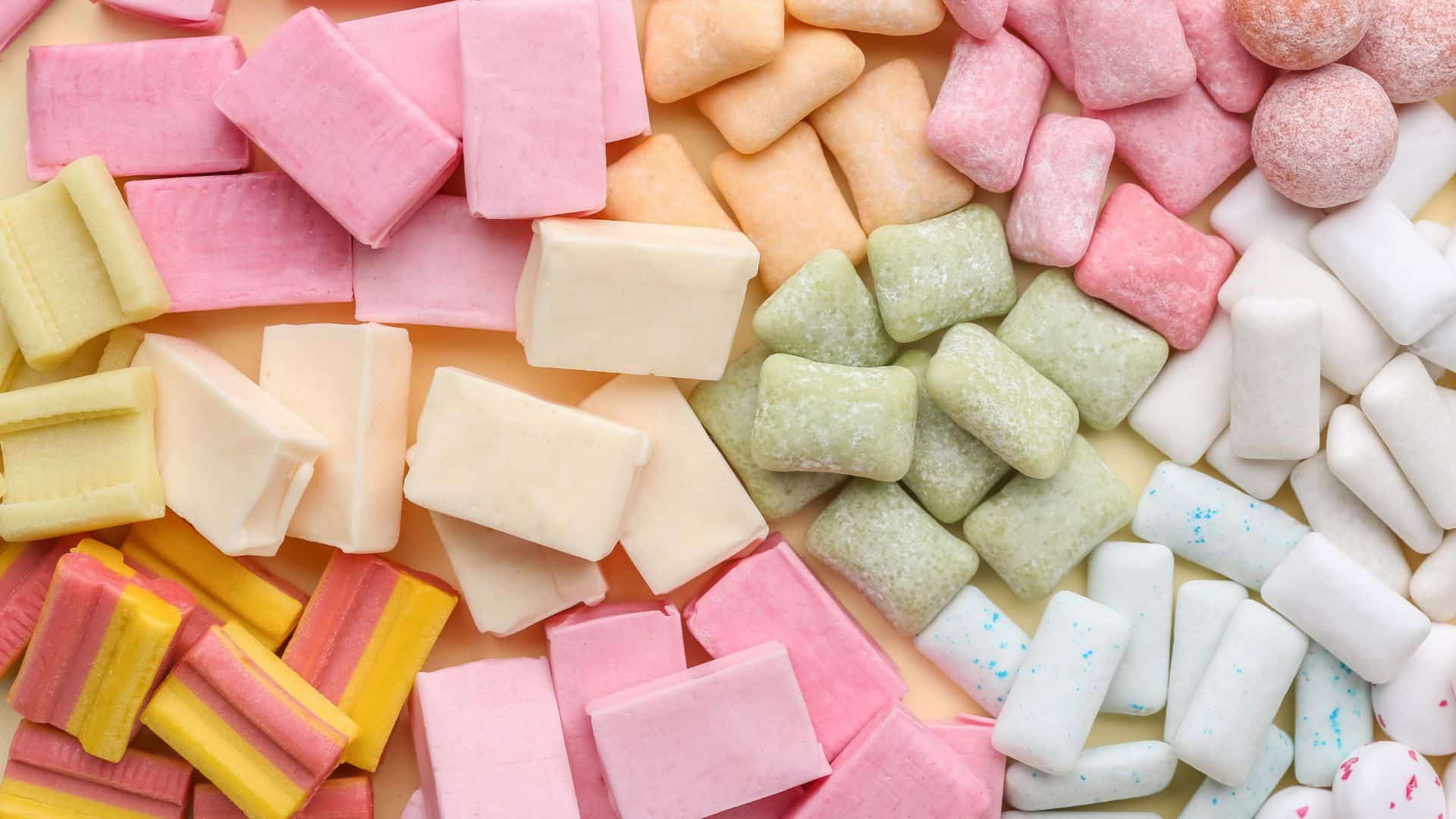
Chewing gum labeled as sugar-free often appeals to those trying to avoid added sugars. However, it still contains artificial sweeteners to provide that sweet flavor. These sweeteners can sometimes cause bloating or other digestive issues, so it’s best to chew in moderation.
Ketchup
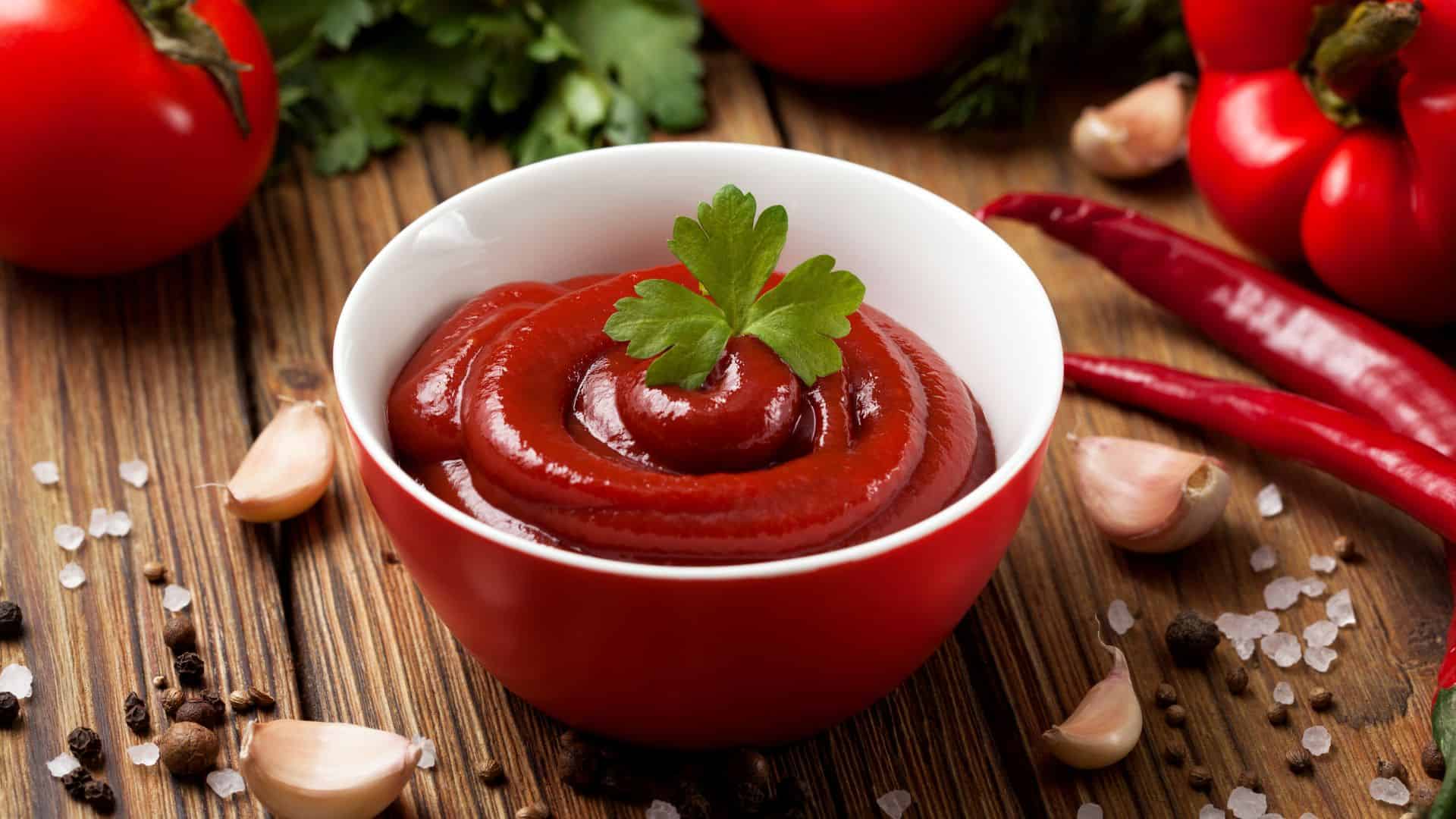
Many ketchup brands market themselves as "reduced sugar" instead of completely sugar-free. Even with fewer sugars, they often use artificial sweeteners to maintain taste. Plus, the natural sugars in tomatoes can add to the overall sugar content.
Cereal

Cereals labeled sugar-free may still contain high amounts of processed carbs like white flour or oats. Your body converts these carbs into sugar, which can still spike blood sugar levels. Be careful when choosing cereals, even if they claim to have no added sugar.
Coffee creamers

Not only are coffee creamers loaded with artificial sweeteners, but sometimes they can also be high in trans fats. Trans fats raise cholesterol levels and increase the risk of heart disease, so it’s double the risk.
Coffee creamers that use ‘healthy’ sweeteners like stevia may still pose a risk because they can fluctuate blood glucose levels. Make sure you read the label of your coffee creamer before you pour it into your mug.
Jam or jelly
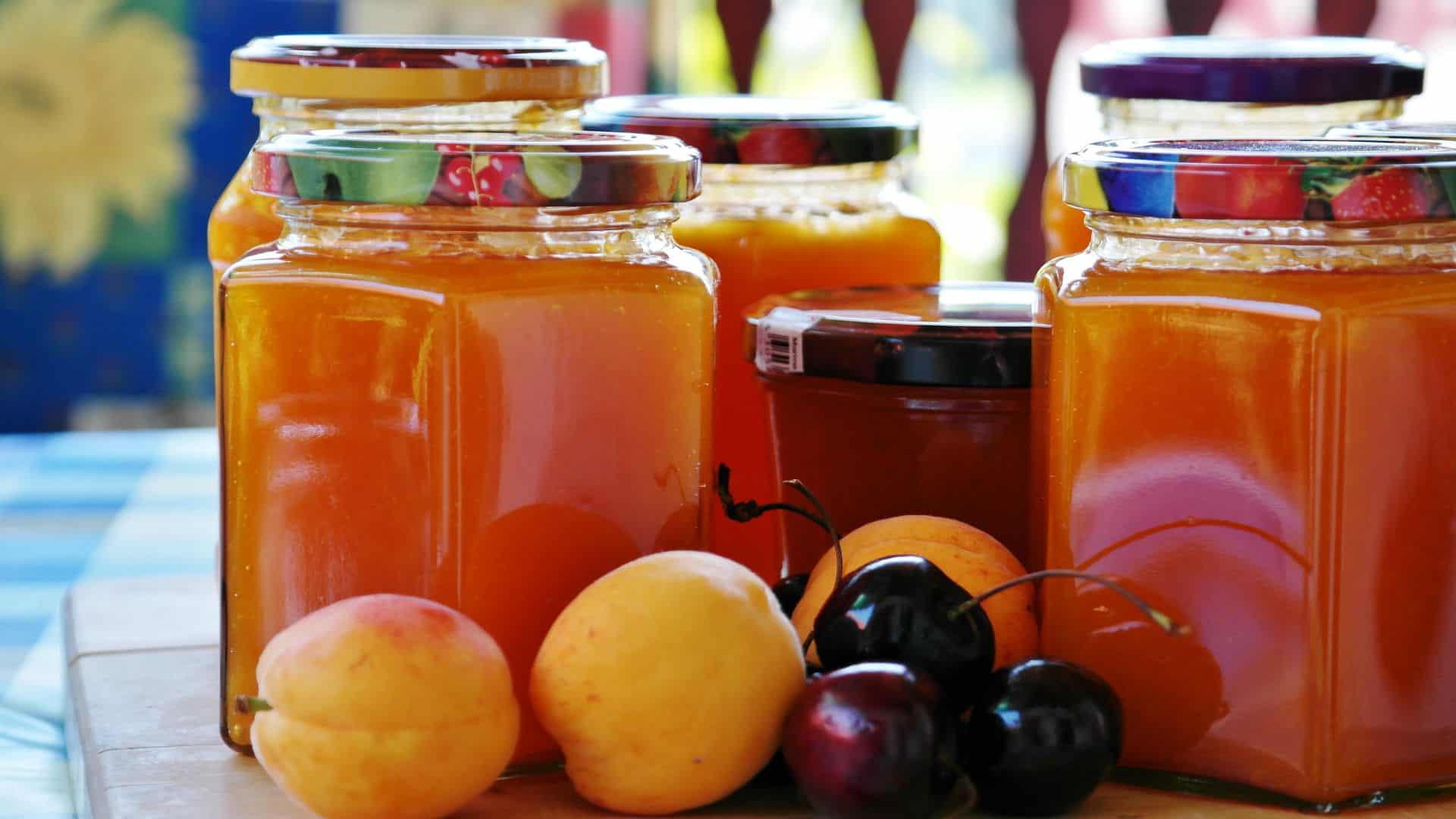
Sugar-free jams and jellies often taste just as sweet as regular ones, thanks to artificial sweeteners like xylitol or sorbitol. These sweeteners are used in high quantities and can have hidden sugars that make them less healthy than they appear. If you eat these daily, you might be consuming more artificial sugar than you realize.
Chocolate hazelnut spreads
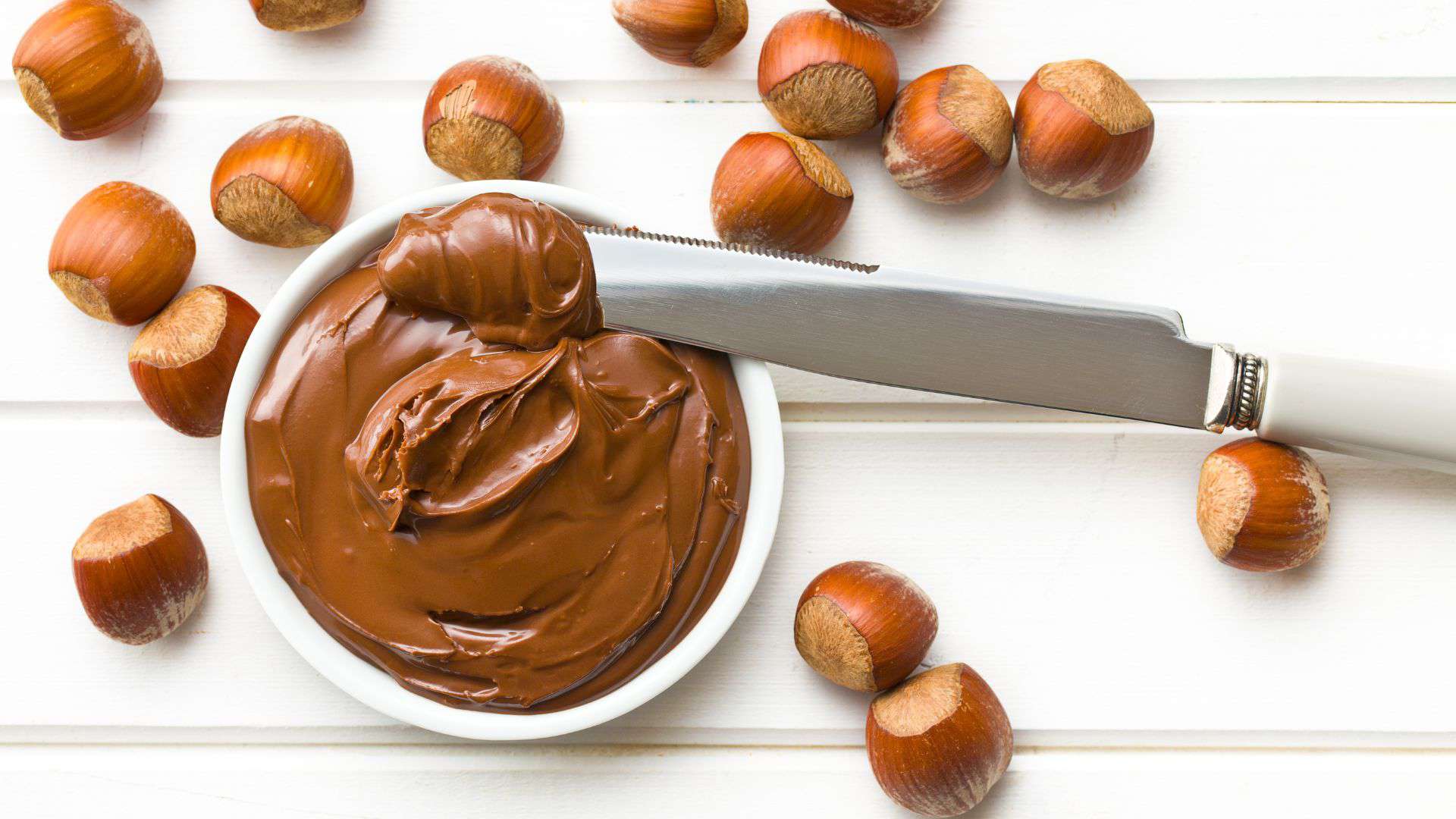
Here’s the thing: most of us expect chocolate spreads to be sweet, but we assume the sweetness comes from some magical way of making these spreads that don’t contain any sugar.
But we know they get their delicious flavor from a bunch of artificial sweeteners. These sweeteners increase the risk of heart disease, but such spreads also contain ingredients with high glycemic index, so they’re dangerous.
Bread
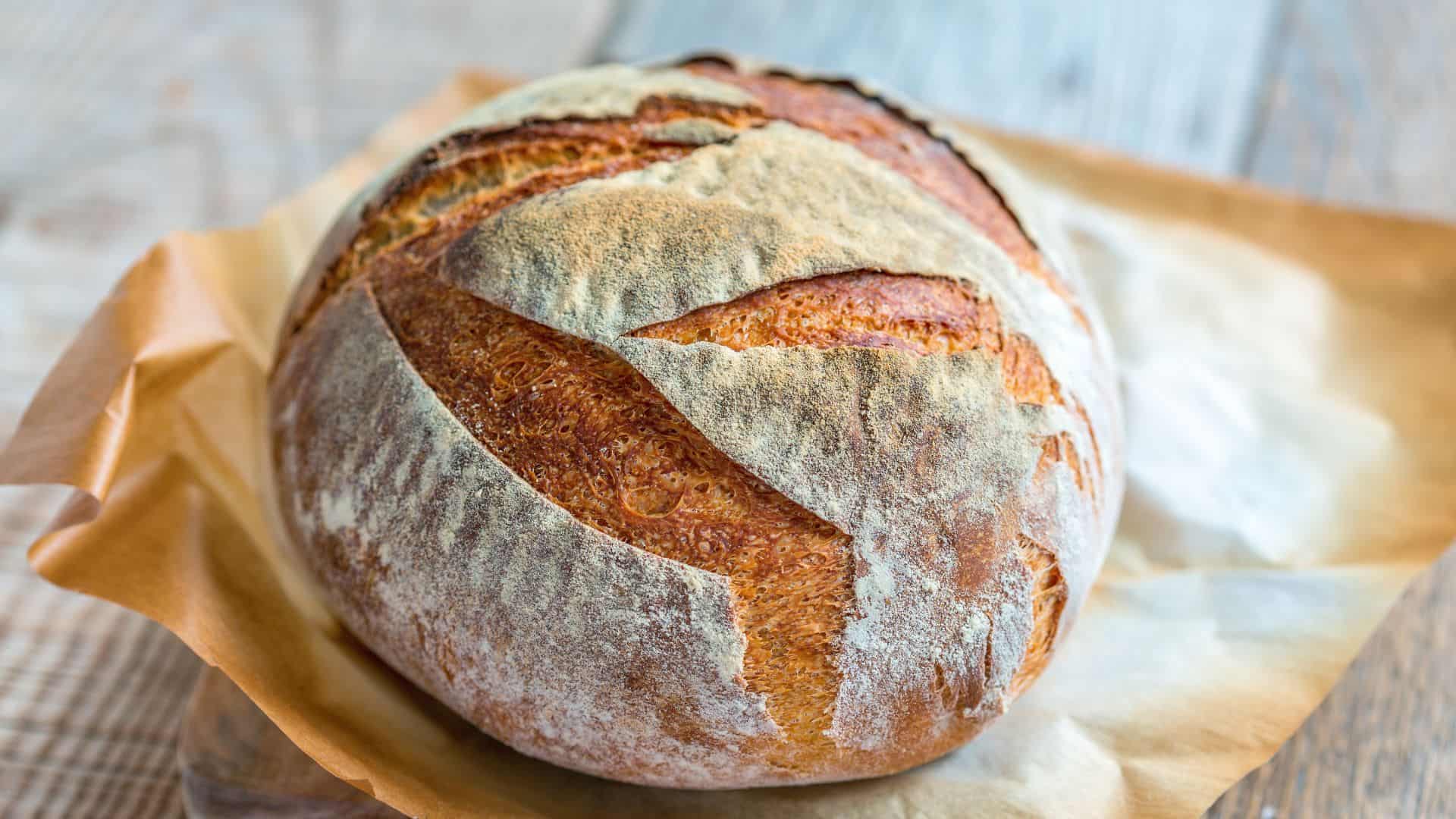
You may be surprised to discover that lots of bread has corn syrup and sugar blended into the dough. Even bread that is labeled as sugar-free may have carbs that your body will convert into sugars.
If you really need bread that is completely sugar-free, read the labels carefully. Those sugars will sneak right in!
Whipped toppings
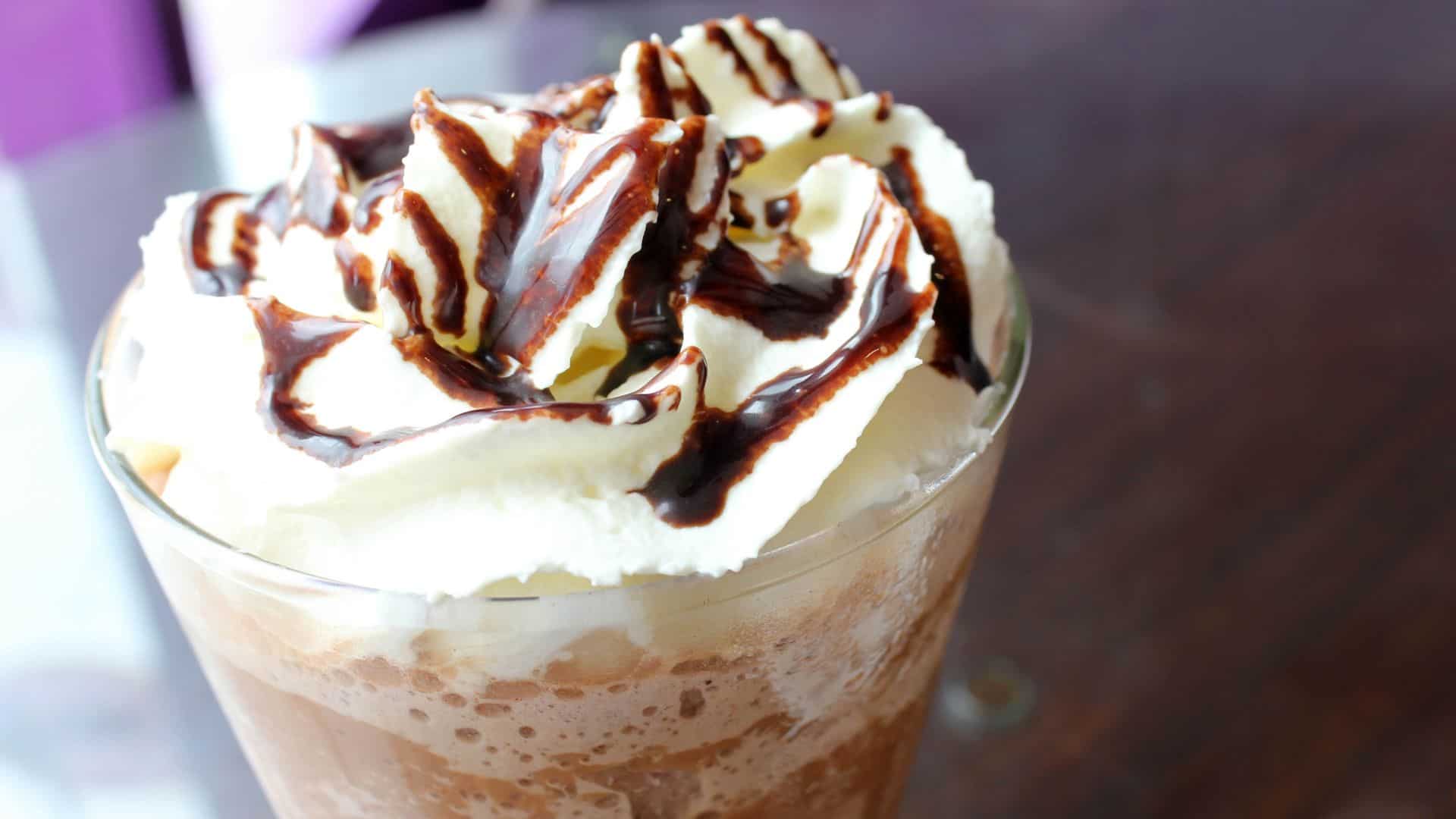
Whipped toppings often rely on artificial sweeteners to stay sugar-free. These sweeteners can affect blood sugar levels and sometimes cause stomach discomfort. If eaten in excess, the hidden sugars can also contribute to weight gain and other health issues.
Low-calorie sweeteners
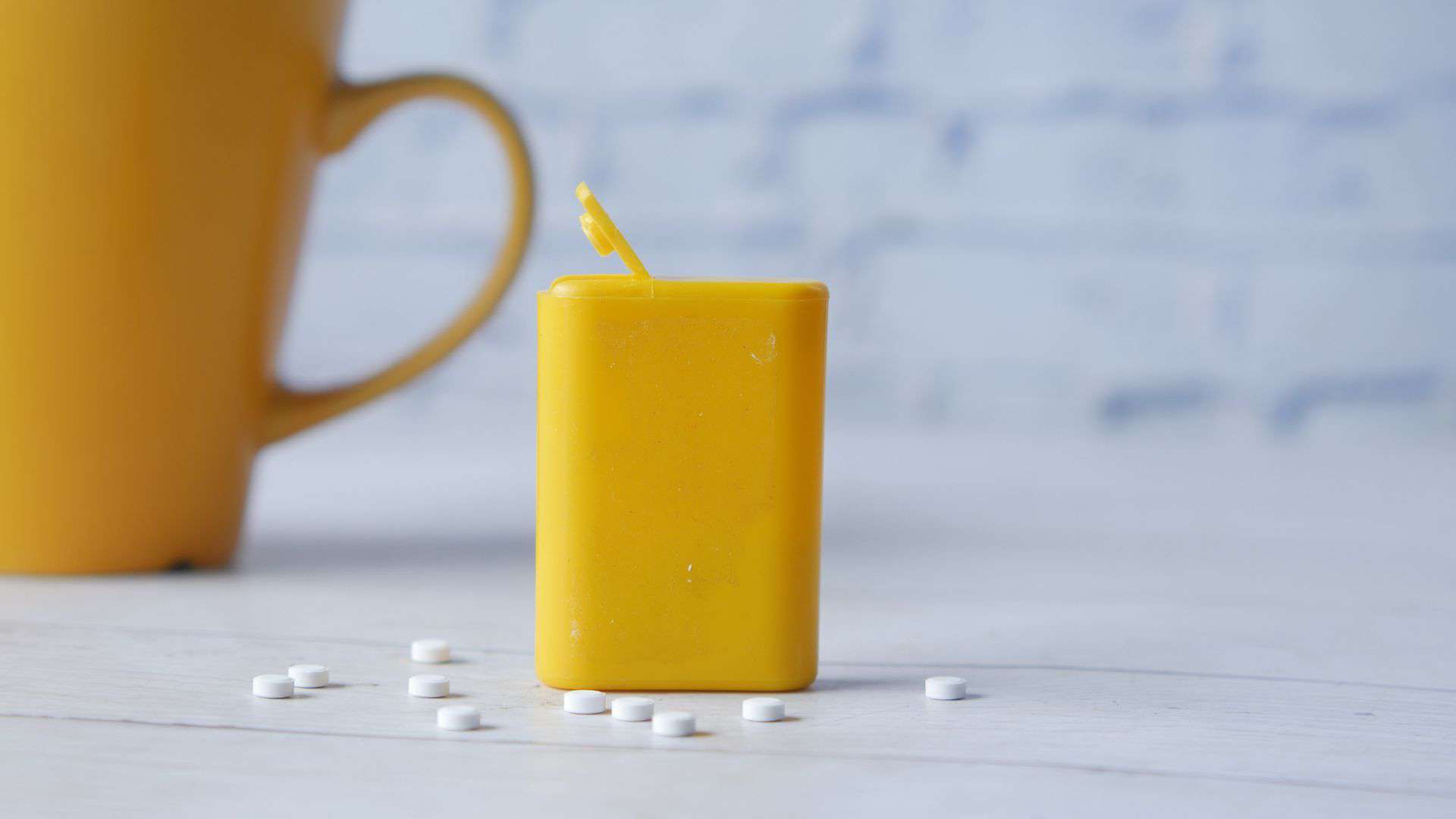
Time for the devils themselves. Erythritol, aspartame, and stevia aren’t technically marketed as sugar-free, but they still count because they claim they have a lower effect on blood glucose.
However, these artificial sweeteners are much more dangerous and are even associated with the risk of stroke, heart disease, and increasing sensitivity to blood clot formation.
Popsicles
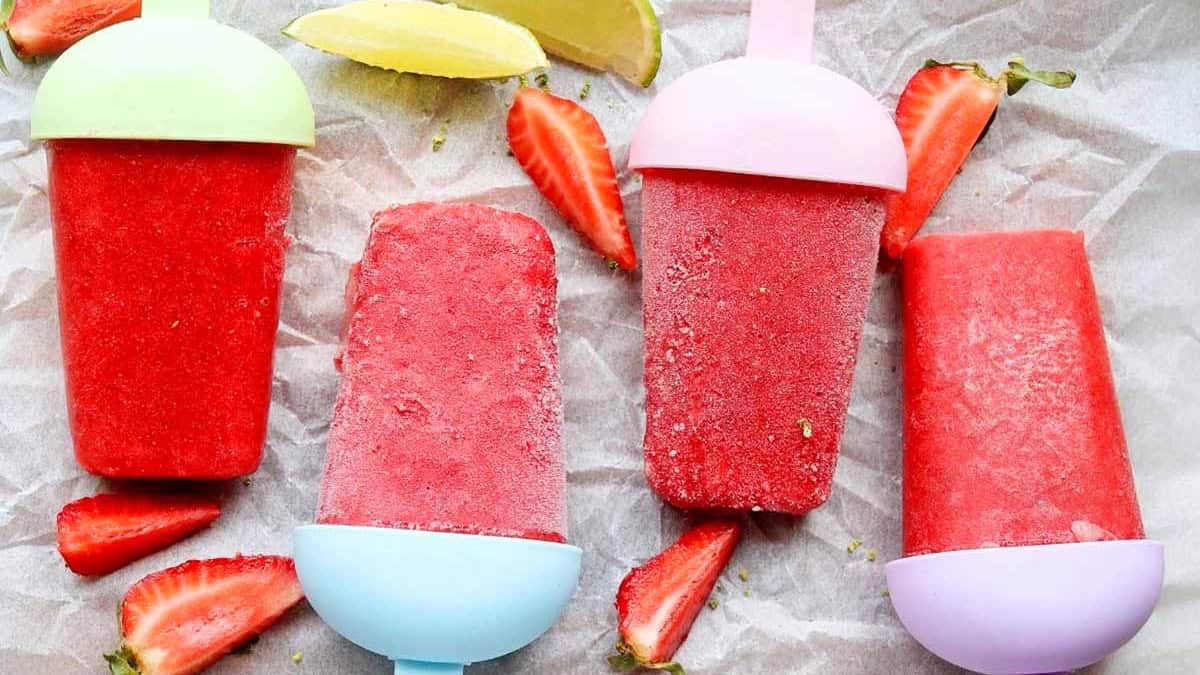
Fruit popsicles may look like a healthy option, but many contain artificial sweeteners to enhance flavor. These sweeteners can make the popsicles taste great but often come with hidden health risks. Be cautious about these seemingly innocent treats, as they may not be as nutritious as you think.
Cupcakes

Store-bought sugar-free cupcakes are often filled with artificial ingredients. They can contain sweeteners, preservatives, and even refined flours that your body converts into sugar. These cupcakes might look tempting, but they’re far from a healthy dessert choice.
Sugar-free foods may seem like a better choice, but they often come with hidden additives and artificial ingredients. By carefully checking labels and limiting processed foods, you can make healthier decisions for your diet.
This article was first published at Spatula Desserts.
Leave a Reply