
Shortening might not be the most glamorous baking ingredient, but it plays a much bigger role than most people realize. Whether you use it for flaky pie crusts or chewy cookies, this pantry staple has some secrets worth knowing. From its surprising history to how it affects texture, there’s more to shortening than meets the eye. These 13 facts may just change the way you think about your next batch of cookies.
Shortening has an expiration day

Shortening is typically made of 100% vegetable oils undergoing a process known as hydrogenation. Thanks to this procedure, this ingredient tends to last for very long periods. Despite this, keep in mind that shortening still has an expiration day!
100% vegan
Most shortening brands are 100% vegan. The most famous of them all is Crisco. According to its official website, this product is fully suitable for a vegan diet.
Four main types
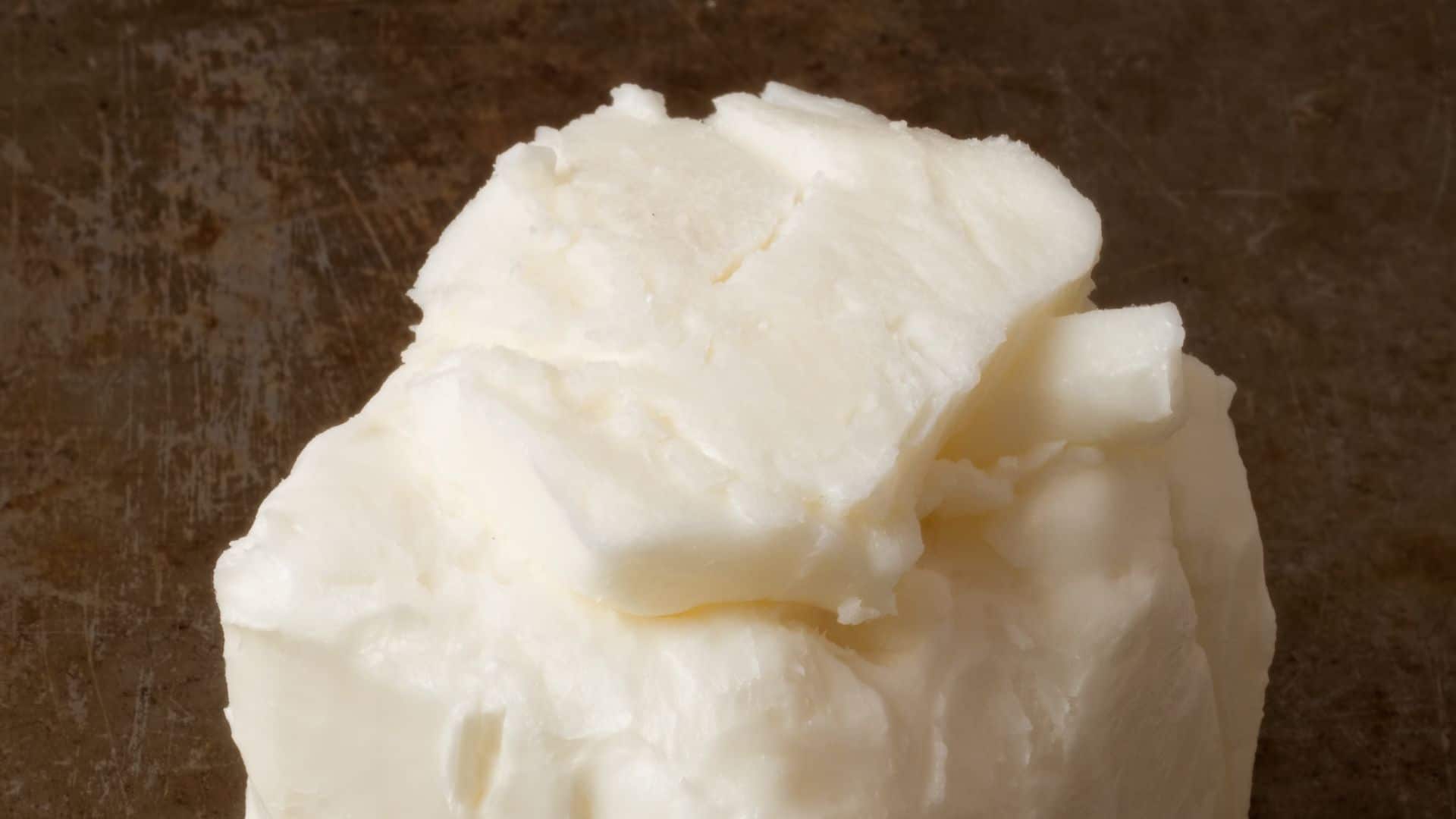
Shortening comes in four main varieties: solid, liquid, all-purpose, and cake or icing. All of these can be used to enrich desserts and cakes.
Super caloric

Shortening is incredibly caloric and contains almost 900 calories per 100 grams of product. To give you an idea, butter has roughly 700 calories for the same serving.
100% fats
One of the main causes of shortening’s high caloric value is its fat percentage. This product only contains fat and is therefore free from both carbohydrates and sugars.
A few substitutes
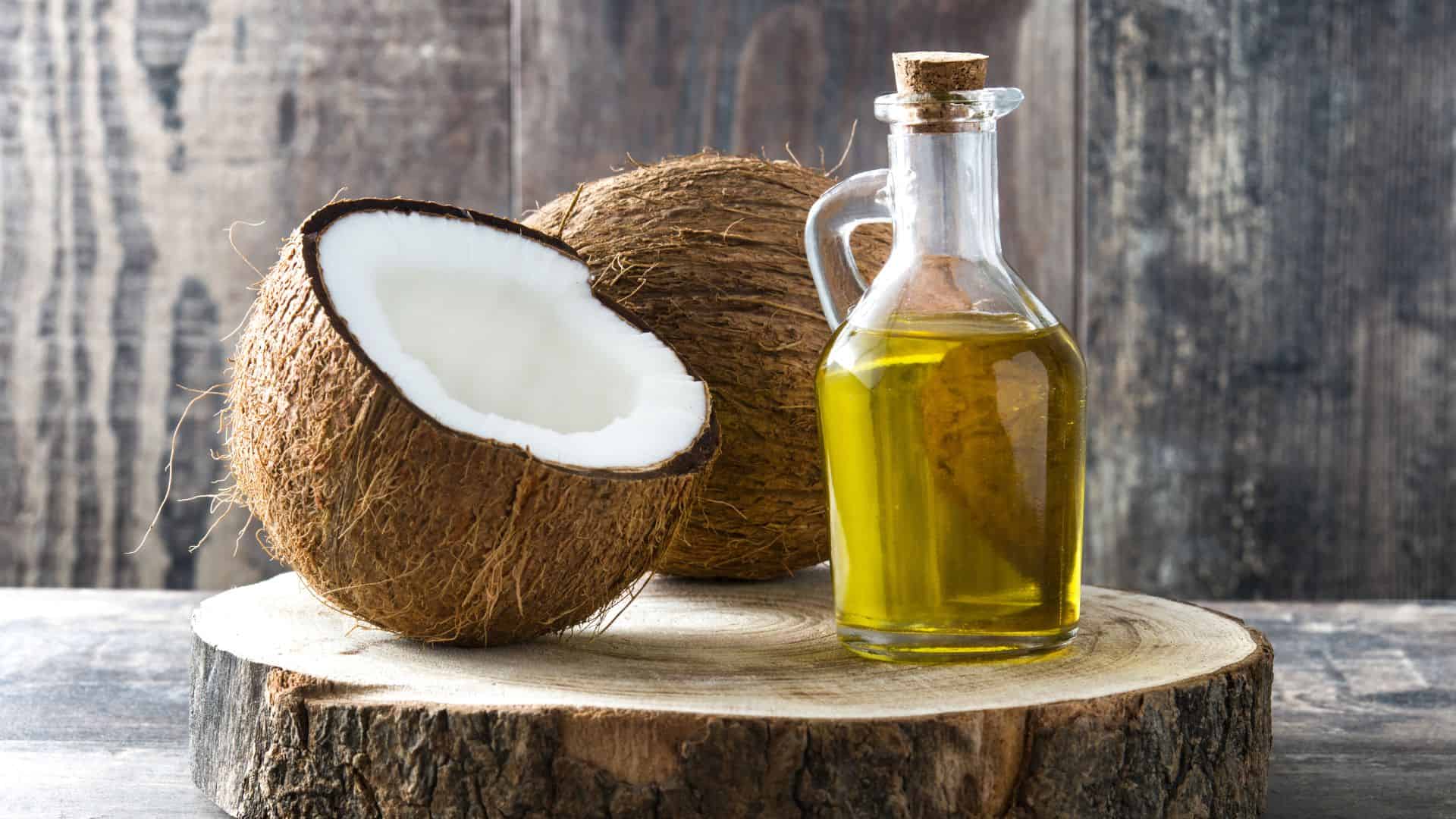
There are plenty of shortening substitutes in baking recipes. Some of these include butter, ghee, and coconut oil. All these substitutes require a 1:1 ratio and are, therefore, incredibly easy to use when replacing shortening.
Great for frying
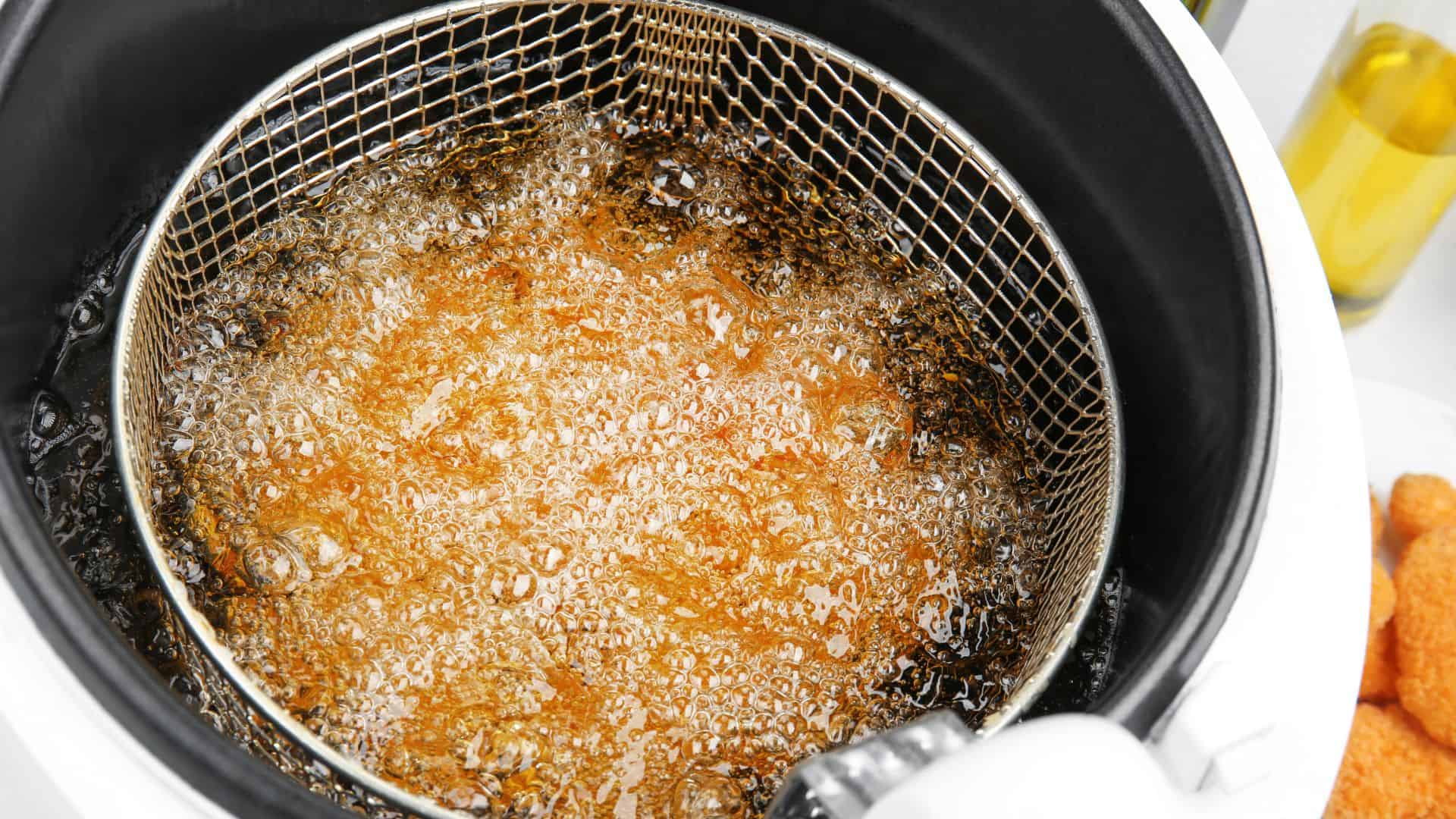
Shortening also works very well for frying. This is because it is made of 100% fat and remains safe at high temperatures. Unlike shortening, other popular frying ingredients, such as sunflower oil, should be kept at a certain temperature when frying for them to remain healthy.
No water
Shortening contains almost no water. This is because the oils used to produce it go through a process called hydrogenation. This procedure turns liquid oil into solid fat, removing most of the water from this product.
No flavor
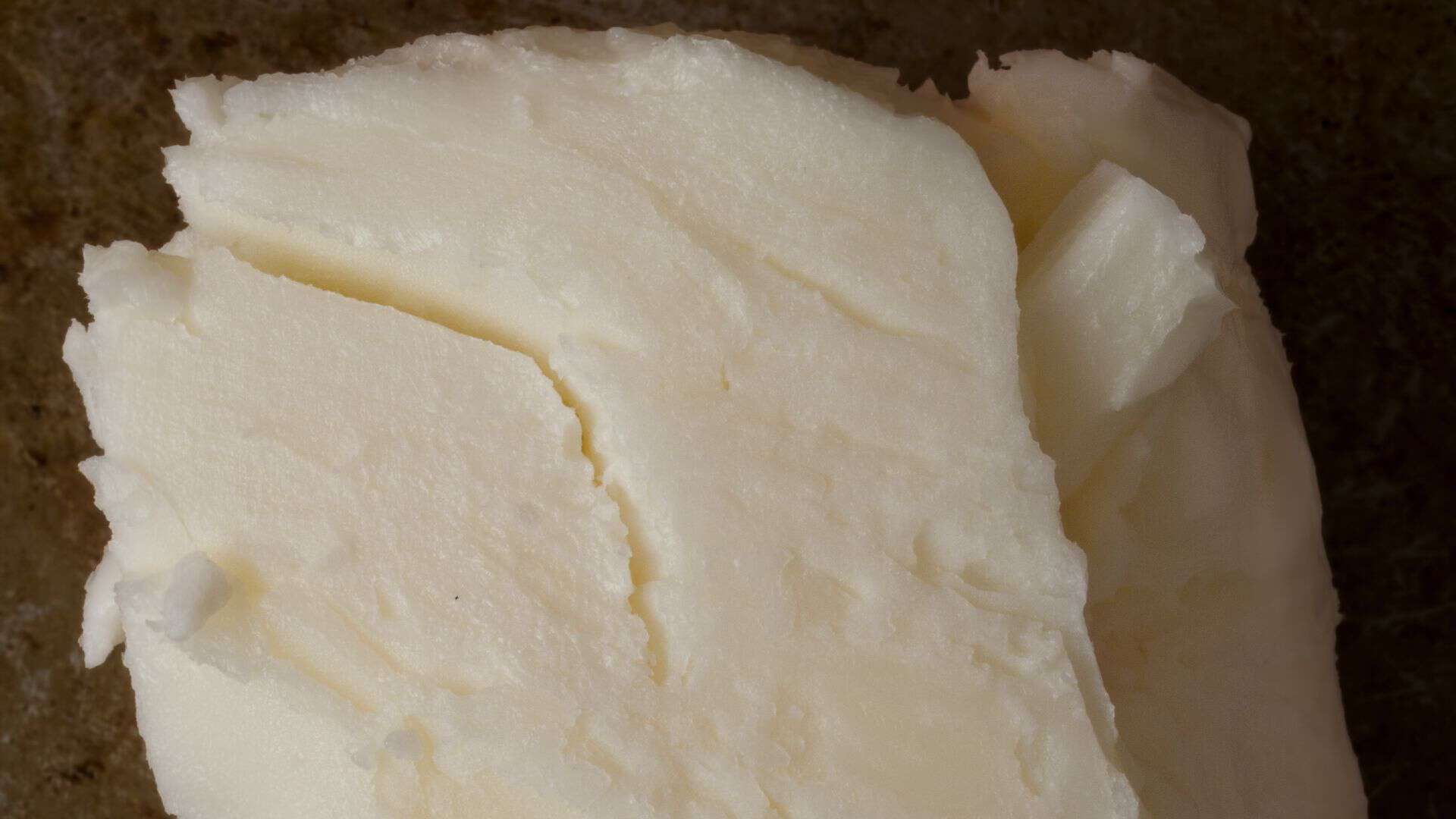
Shortening has a very neutral flavor. This makes it ideal for steps such as greasing a pan. On top of this, its lack of flavor makes shortening the perfect choice when preparing desserts known for their delicate taste.
Everything changed in 2018

According to the Washington Post, in 2018, most brands producing shortening had to adapt to the new ban put in place by the US Food and Drug Administration. This stated that products could only contain less than 0.5 grams of trans-fats per serving. As a consequence, brands such as Crisco had to change their formula.
Melting point
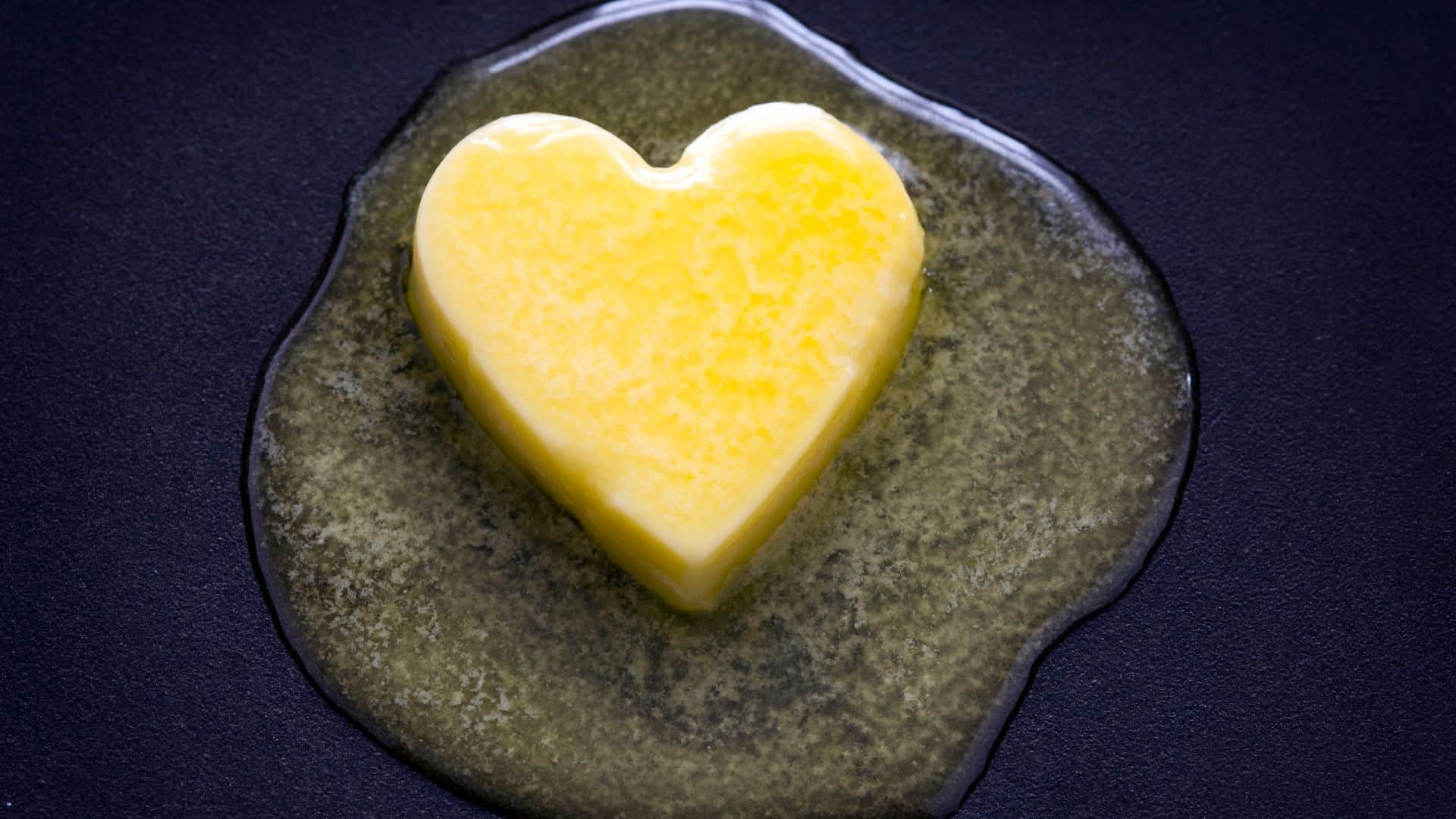
Shortening melts at 117º F. This is quite high compared to similar products, such as butter, melting at a temperature of roughly 90 - 95 °F. This high melting point makes it ideal for baking, especially for flaky pie crusts, soft cookies, and moist cakes.
Invented By a Soap Company

Crisco was first invented by Proctor and Gamble, a company that specialized in making soaps and candles. Of course, P&G has evolved over the years and is a huge food giant these days. That can all be traced back to that first jar of Crisco!
Pie Crust Debate
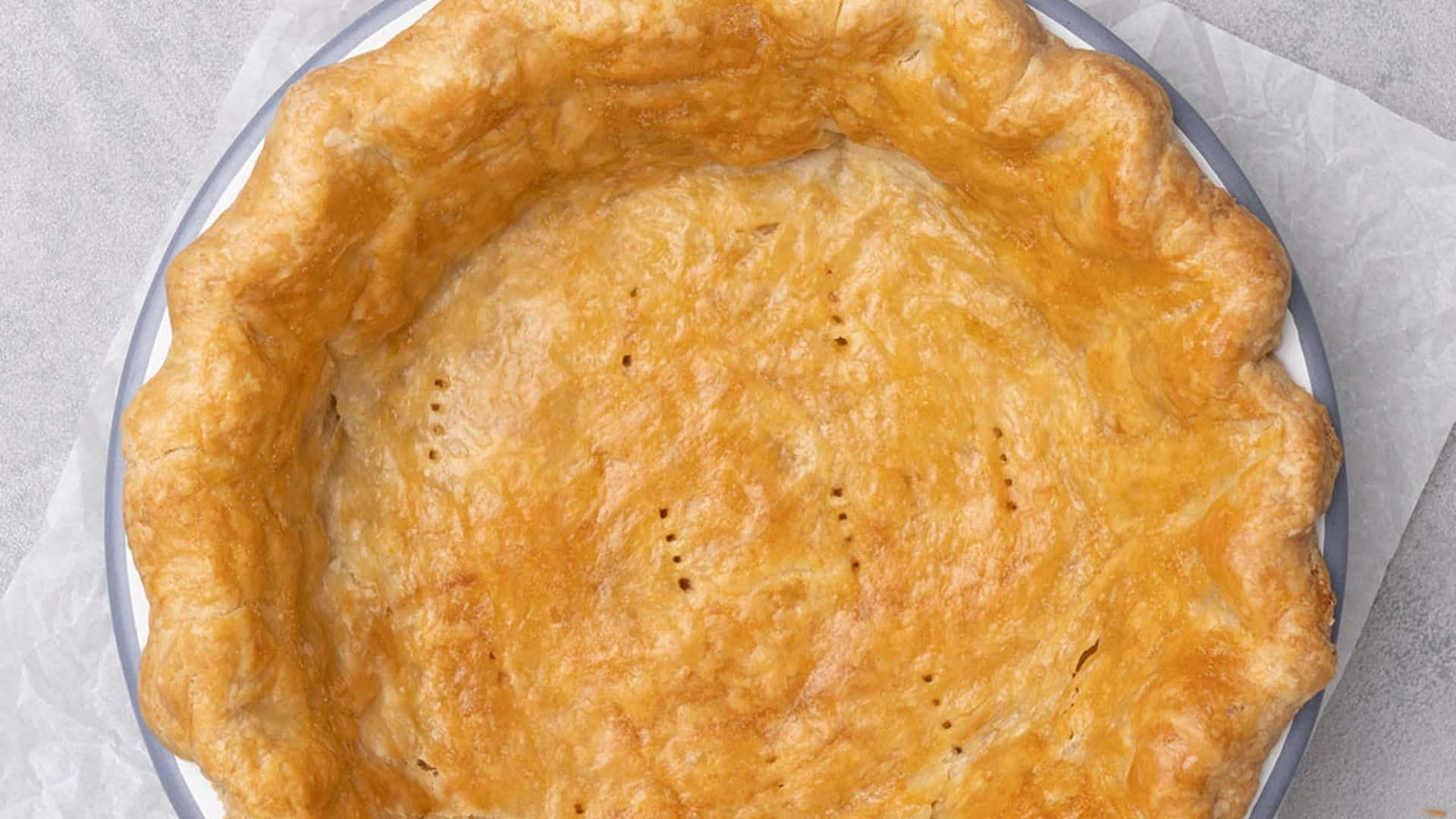
Lots of people swear that shortening makes the best pie crusts. They say that baking with shortening will make the pie crust flakey, crispy, and tender. However, other people think that butter is best for pie crusts! This shortening vs. butter debate will never be settled. You might as well pick a side now!
This article was first published at Spatula Desserts.
Leave a Reply