
Trying to eat healthy isn’t always as straightforward as it seems. With so many foods marketed as “nutritious” or “diet-friendly,” it’s easy to fall into the trap of thinking you’re making smart choices. But some of these so-called healthy options are packed with hidden sugars, fats, or additives that could be sabotaging your efforts. Before you load up your cart with the usual favorites, it’s worth taking a closer look—you might be shocked at what’s actually hiding behind the label.
Note: The content of this article is for informational purposes only and is not a substitute for professional advice. Always consult with a qualified professional for advice tailored to your individual circumstances.
Hidden Calories in "Healthy" Favorites
Let's first talk about those "healthy" foods we all reach for when trying to make better choices. So many of us choose yogurt, granola, and smoothies as our go-to health foods. They all sound great, right? But the truth is that those seemingly healthy foods are often loaded up with hidden calories and sugar that can quickly throw your diet off track faster than a drive-thru milkshake. Take yogurt, for example. Plain Greek yogurt is a fantastic option, but those fruit-on-the-bottom versions? They can actually have as much sugar as a candy bar. You need to make sure you are reading the label and seeing what is inside that cup.
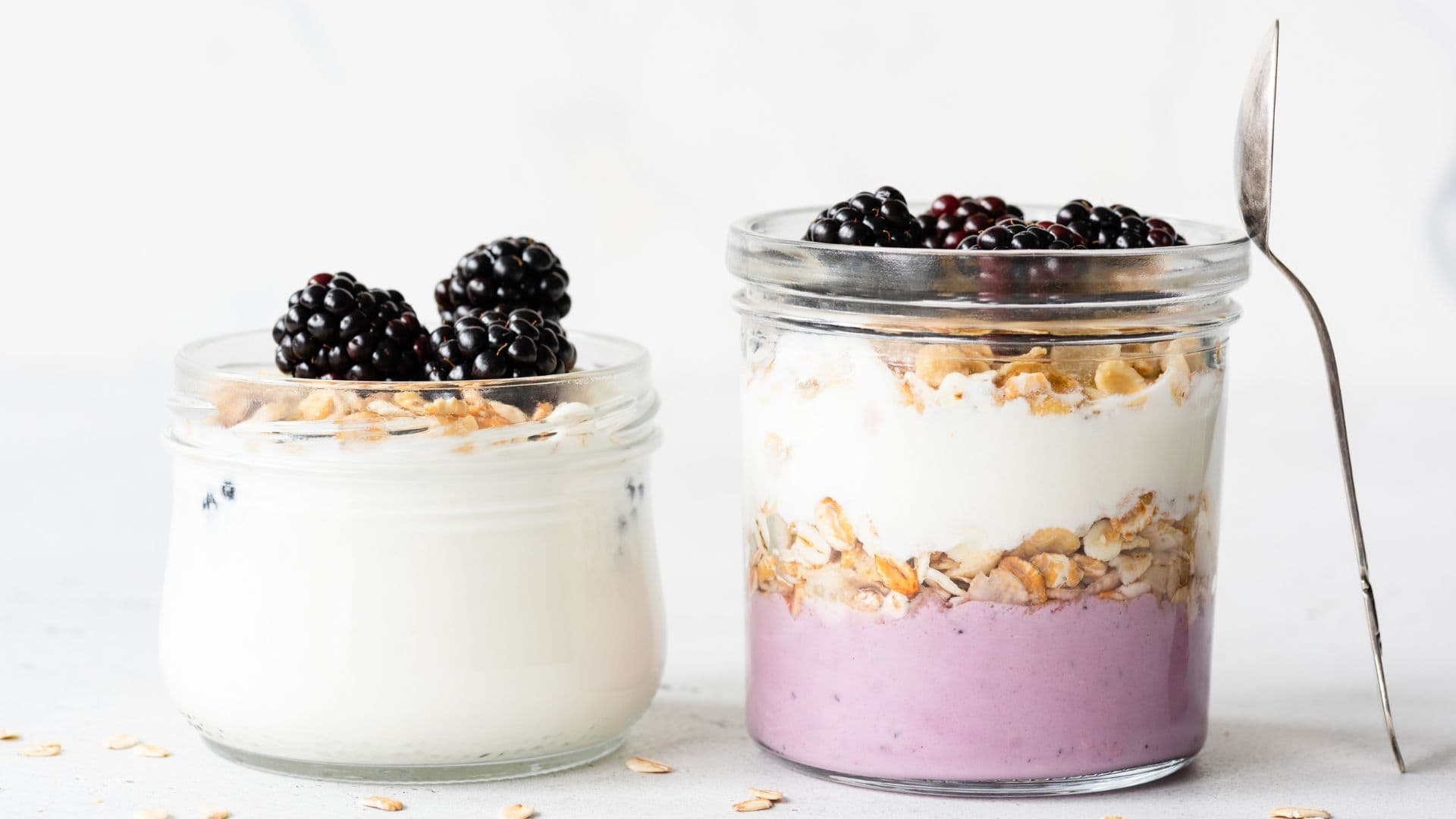
Granola is another standard culprit. While it's always marketed as a wholesome, energy-boosting snack, many of those store-bought granolas are loaded with sugar, oil, and even chocolate chips. A single serving (which is often way smaller than you'd think) can easily rack up hundreds of calories.
The same goes for smoothies. A homemade smoothie with whole fruits, veggies, and maybe a little protein powder? Amazing. But what about the ones you grab from a juice bar? They're often blended with sugary fruit juice, flavored syrups, and other high-calorie ingredients that make them more of a dessert than a health drink.
The "Low-Fat" Trap
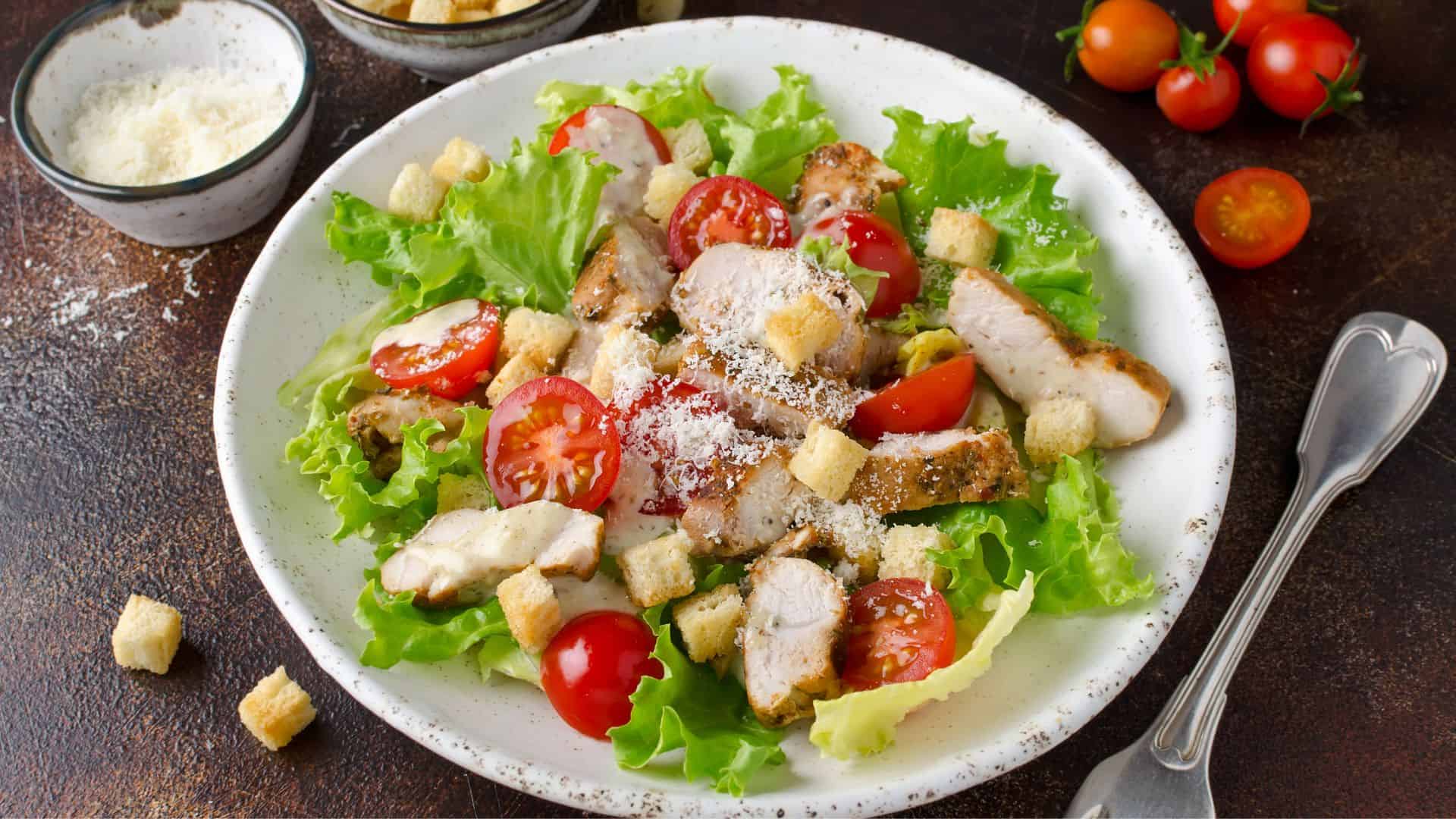
For so many years, we have all been conditioned to think low-fat means healthy. But the truth is that when the fat is taken out, something's got to replace it, and more often than not, it's sugar or artificial additives. Low-fat salad dressings, for example, might seem like a smart, healthy choice, but they're often packed with sugar to make up for the lost flavor from removing the fat. You're actually a lot better off using a smaller amount of a full-fat dressing than going for those low-fat options.
Low-fat snacks like crackers, cookies, or even "diet" frozen meals can also be just as deceptive. These products might save you a few calories at the moment, but they're often less satisfying, which means you'll be hungry again sooner and more likely to reach for extra snacks. The lack of fat can mess with your body's ability to feel full and satisfied after eating.
Sneaky "Health" Buzzwords
Have you ever noticed how some foods are labeled with words like "natural," "organic," or "gluten-free," and we automatically assume they're better for us? It's not your fault! We all do it. Those buzzwords are designed to make us feel good about what we're eating, but the reality is that just because something is organic or gluten-free doesn't automatically mean it's good for you.
For example, look at gluten-free snacks. They're fantastic and helpful for people with celiac disease. But, for the rest of us, they're not inherently healthier in the slightest. In fact, many gluten-free products are made with refined starches and sugars to mimic the texture of wheat-based foods, which can make them just as calorie-dense, or more so, than the same gluten-filled foods.
The words "natural" and "organic" on a label also don't always equal healthy. Organic cookies are still cookies, and they are still filled with sugar. The same goes for juices labeled as "natural" or "no added sugar." While they might sound healthy when you are reading that pretty label, they can still contain a ton of natural sugars from fruit that can add up quickly, especially if you're drinking a large portion.
Overeating "Good" Foods
Even truly healthy foods can backfire if you're eating too much of them. Avocados, nuts, and olive oil are all packed with nutrients and healthy fats, but they're also calorie-dense. A handful of almonds is a great snack, but a few handfuls can easily add up to a meal's worth of calories. The same goes for avocados. While they're a fantastic source of healthy fats, adding a whole avocado to your toast or salad every day might be more than your body actually needs.

Another sneaky food that we often think is healthy is protein bars. While they're convenient and often marketed as nutritious, many are loaded with added sugars and unnecessary ingredients. If you're not using that extra protein for something like post-workout recovery, you're really just eating extra calories that your body doesn't really need.
Finding Truly Healthy Foods
It seems almost impossible to eat healthily! But I promise you that you don't have to give up all of these foods entirely. The main thing to do is be aware and remember portion control. Start reading labels and paying attention to serving sizes. If you're buying granola, look for lower-sugar options or make your own at home. When it comes to smoothies, stick to whole fruits and unsweetened liquids, and skip the sugary add-ons.
For low-fat or "diet" foods, consider whether the swap is actually worth it. Sometimes, a smaller amount of the full-fat version will be more satisfying and flavorful, which can help you stick to your overall diet goals. And remember buzzwords like "organic" and "natural" don't tell the whole story. You must check the ingredients list and nutrition label to see what you're getting.
Keep an eye on portions, too. You can definitely enjoy that avocado toast, but maybe use half an avocado instead of a whole one. Eat your favorite almonds, but stick to a single serving instead of devouring a massive bag. By staying mindful and informed, you can enjoy your favorite foods without sabotaging your progress, and that's what healthy eating is all about!
This article was first published at Spatula Desserts.
Leave a Reply