
Cooking hacks often promise to make life easier in the kitchen, but not all shortcuts are worth trying. A recent online discussion revealed the so-called “time-savers” that turned out to be total disasters, leaving people with ruined meals, sticky messes, and plenty of regret.
The story
A woman on Reddit asked people about popular cooking hacks that they had tried and basically found useless. She gave a couple of examples from her own kitchen. Like adding vinegar to poached egg water, it was supposed to cut down on wispiness, but she found it gave inconsistent results. Once she switched to just salted water, a whirlpool with a spoon, and precise timing, her eggs came out perfect every time.
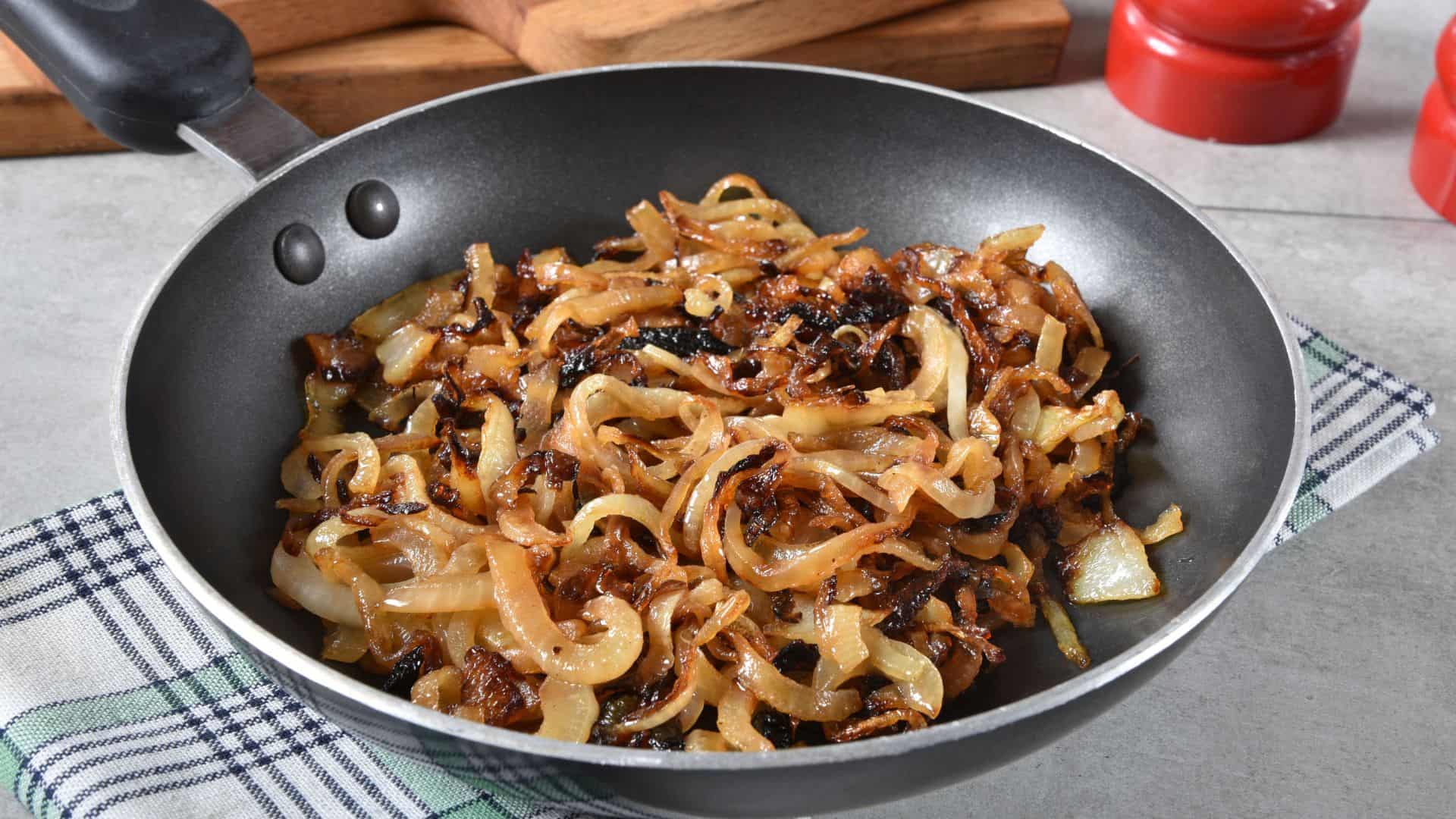
She also tried the baking powder trick for caramelizing onions. People swear it browns the onions fast. Instead, she said it made her onions mushy, bitter, and generally ruined the flavor. In her words, there’s no substitute for patience and slow cooking. Then she tossed the question out to everyone else: "What are some popular cooking 'hacks' that you've found don't work, are bad advice, or are more trouble than they're worth?"
The reactions
One person was clearly still traumatized by the lollipop chicken hack, adding, “Lollipop chicken legs. Sooo... Much work! And you end up with chicken legs." then another person added comment on this comment, "Those are one of those dishes where if someone else is making them I’ll gladly eat them, but there’s no way in hell I’m spending that much time making a clean chicken bone for my own consumption".
And honestly, they’re right. Why spend an hour trimming bones when you could roast them whole with some seasoning and get the same flavor without the stress? If you still want to try it, here is a recipe:
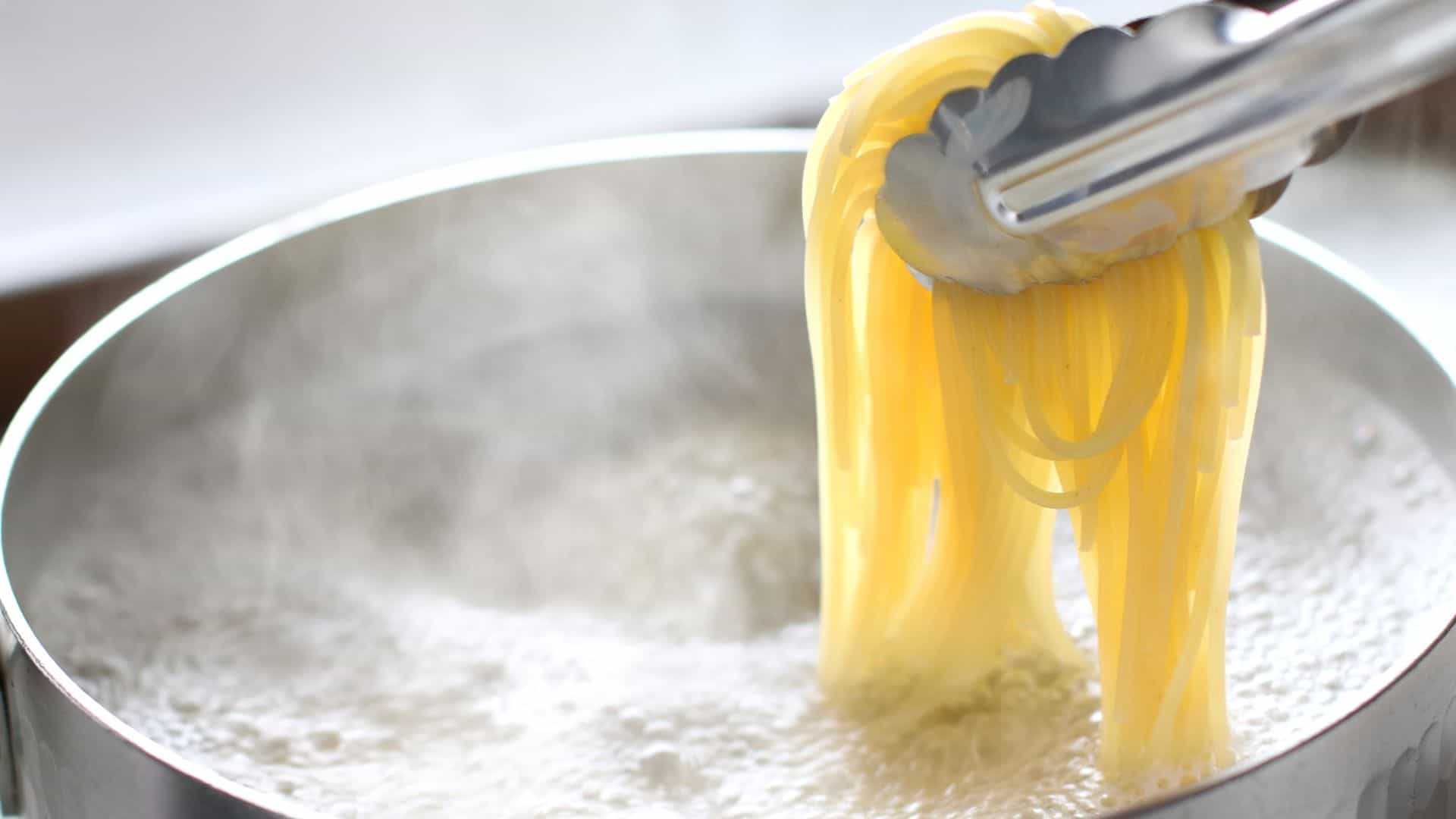
Then, some people try adding oil to the pasta hack. One commented, "Adding oil to the water to prevent sticking when cooking pasta. This was popular advice years ago. Bad advice since oil and water don’t mix."
This one probably resonated with a lot of people who tried this at some point because it sounded logical, until you realize the oil floats on top and does nothing. A quick stir in the first minute of boiling is all pasta really needs to save it from clumping.
Another person had their own baking soda disaster story. "I also got burned by the baking soda to caramelize onions hack. I was making onion gravy last Thanksgiving and tried it - turned my onions into complete mush. Broke them down entirely. Had to cool it down, dump it out, go get more onions, and start over."
If you really want your onions to caramelize fast, the Test Kitchens America shared in a TikTok video to use water and cover the pan. The water and steam it creates will make onions cook faster and caramelize without burning.
Someone shared a workplace kitchen wisdom fail. "Coworker tried to teach me to test a steak by feeling its firmness with my finger and comparing it to the flesh between my thumb and forefinger. It never worked for me. I think a thermometer works just fine."
There's something both humble and slightly sassy about this response. Yes, maybe some people have magic fingers, but the rest of us will stick with actual tools, such as a meat thermometer. You can use it for steak, chicken, and many other things.
The visual on this next one is just perfect, “Cutting cherry tomatoes with scissors. My ceiling is nicely decorated now." My advice? A sharp knife will save both your walls and sanity, and it’s the fastest way to cut cherry tomatoes.
Many users were frustrated with how garlic hacks never work for them. One mentioned, “Any garlic hack really. Like putting cloves in a jar and shaking it to get the skins off.” Another added, “Grating garlic on a micro plane. I find it takes longer, wastes garlic, and is a pain to clean.”
While there are many ways to peel and mince the garlic, Gordon Ramsay suggests smashing the garlic with a knife. He then recommends adding a little salt before chopping. The salt keeps the garlic from oozing on the chopping board, and mince it nicely.
And perhaps the strangest one of all: “Put half of the onion on my head so that when I break it, I make you cry less, I have a smelly head because of that trick that does not work.”
You have to give points for creativity, but the only thing that really helps with onion tears is to refrigerate them first for about 30 minutes or soak them in chilled water before cutting or using a sharp knife.
But the best response was this one that just went full existential. "Almost all of them. They are 'cooking hacks' as in 'nobody does that' for a very good reason”.

This person had clearly reached the end of their patience with internet cooking advice and decided to call it what it is. And honestly, who can blame them?
The takeaway
Reading through all these responses, one thing is clear: many so-called hacks aren’t actually helping. They are either pointless, messy, or worse, they ruin perfectly good food.
At the end of the day, most so-called cooking hacks sound clever but rarely beat the tried-and-true methods passed down by actual chefs and generations of home cooks. Patience, good tools, and a little common sense often do more for your meals than any viral shortcut ever could. If a trick feels too good to be true, it probably is.
Leave a Reply