
We all want to eat foods that keep us strong, energized, and feeling our best, but we also all know that the typical American diet doesn't always fit the bill. In fact, the American diet has been criticized worldwide for being high in processed foods, sugar, and unhealthy fats, and studies back up the claim that the foods we choose are a major factor in many of our health issues. With the help of Health Day, we're taking a closer look at what Americans really eat and how these choices are affecting our health as a nation. Some of the findings might surprise you!
Note: The content of this article is for informational purposes only and is not a substitute for professional advice. Always consult with a qualified professional for advice tailored to your individual circumstances.
Packaged Foods: A Recipe for Disaster
Walk down any grocery store aisle, and you'll see rows and rows of packaged foods. Chips, frozen meals, sugary cereals, and instant noodles are everywhere, and the thing is that they are convenient, tasty, and often inexpensive. However, the packaged foods that Americans love are also among the biggest culprits behind America's health crisis.

One major problem with packaged foods is sodium overload. About 70% of the salt Americans consume comes from packaged and highly processed foods and not from the salt shaker at home. And that's bad news because high sodium intake is the leading cause of high blood pressure and also heart disease. The more processed food you eat, the more at risk you are for hypertension, stroke, and even kidney disease.
But the damage doesn't stop there. Packaged foods are typically made with refined grains that are stripped of nutrients and fiber. They tend to be made with unhealthy oils that are loaded with trans fats and omega-6s that promote inflammation. Packaged foods are also full of added sugars, which spike the body's blood sugar and can lead to weight gain.
These ultra-processed foods may taste great, but they do nothing for your body except increase your risk of chronic diseases. Unfortunately, so many Americans fill their grocery cart with these convenience foods and don't even think twice.
Limited Access to Healthy Foods
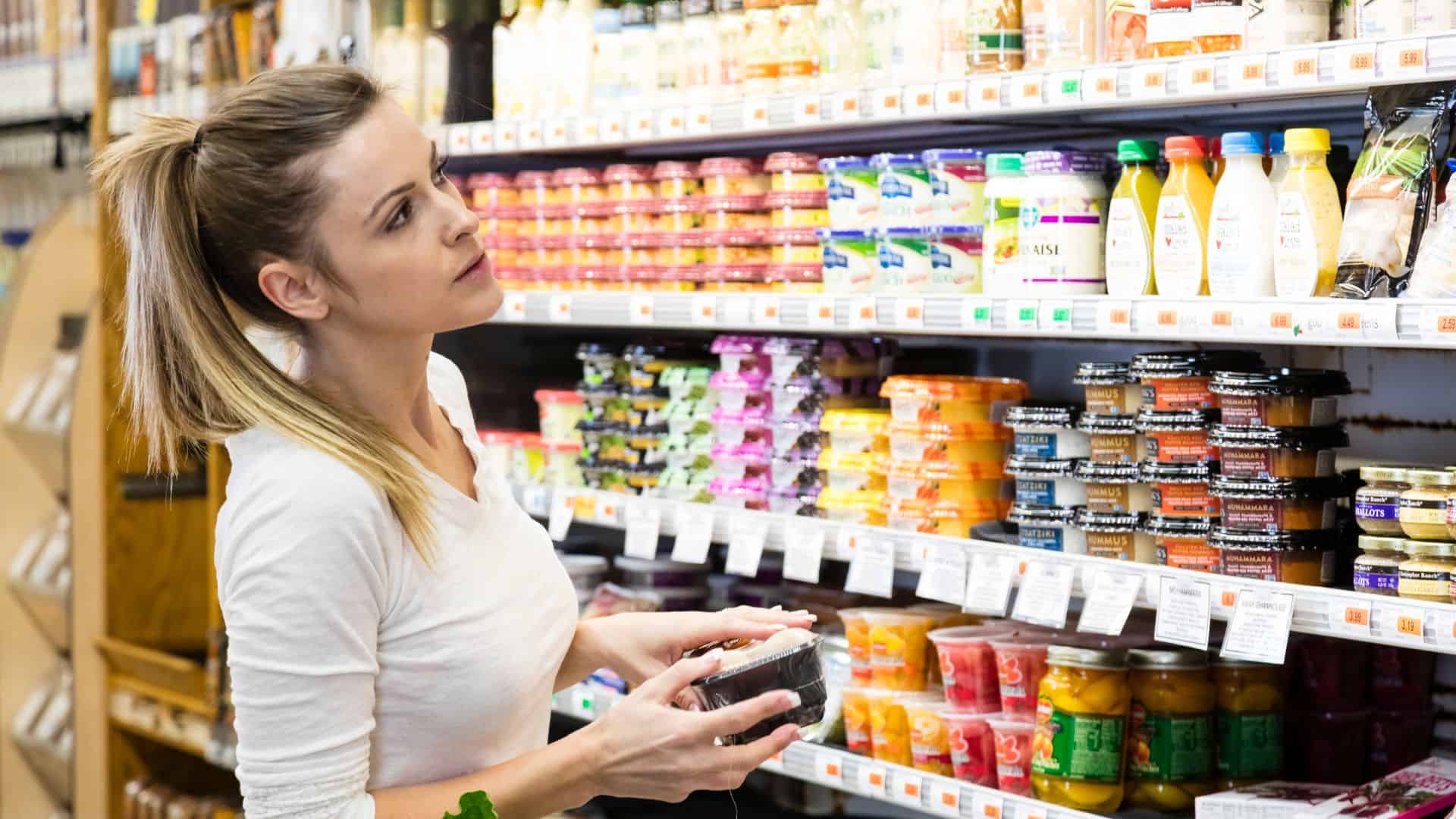
While we are talking about grocery stores, think about your local store and how it is divided. Grocery stores typically dedicate entire aisles to chips, cookies, sodas, and frozen pizzas, but when it comes to fruits, vegetables, and whole grains, the space is shockingly small.
That's part of the problem. The American food system is built around convenience and profit, and that often means more processed foods and sugary snacks taking up shelf space and less accessibility when it comes to fresh, nutritious food. All the healthier foods are also often marked up at higher prices, which we'll talk about next.
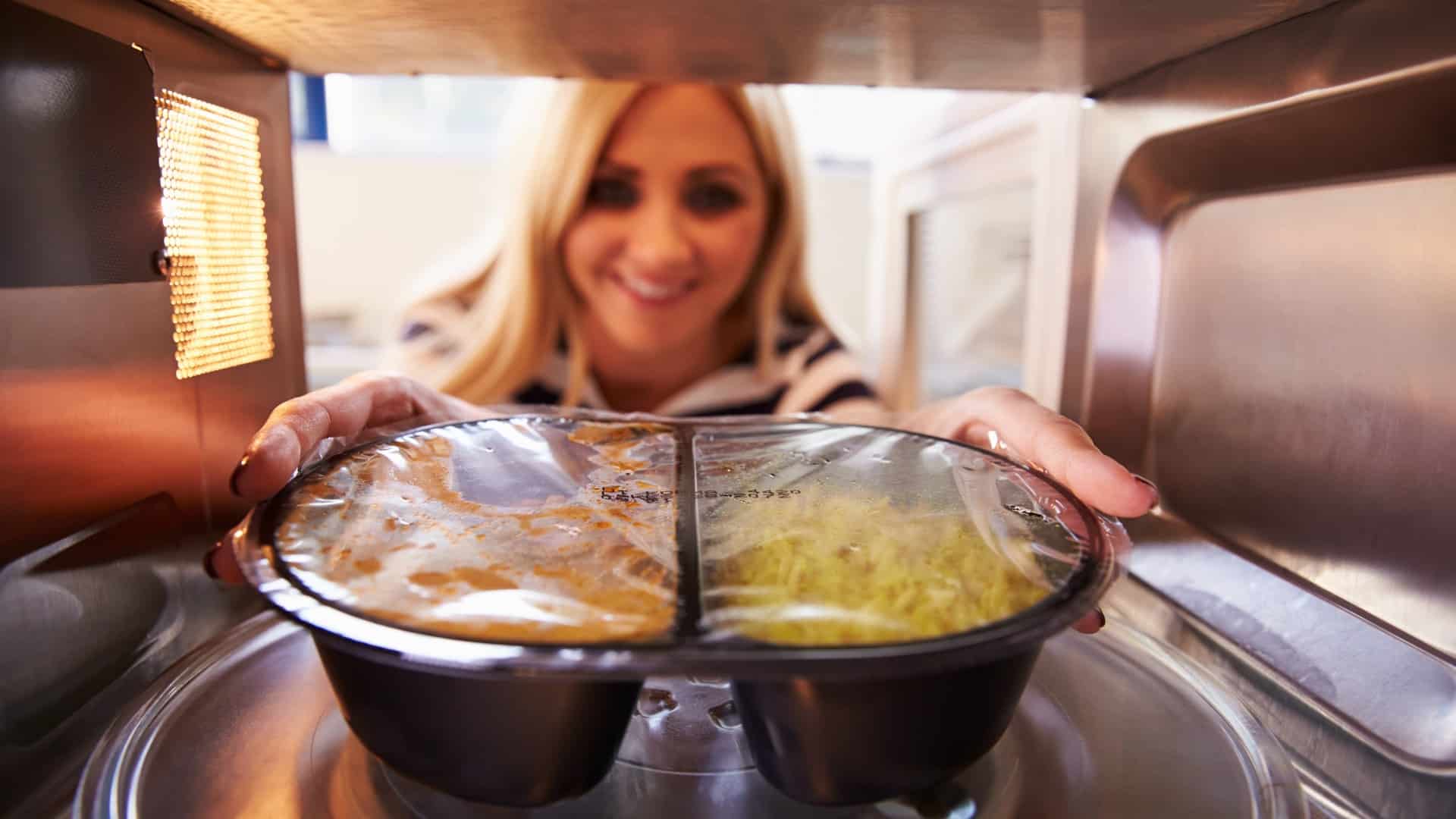
For many people, especially those living in areas with limited access to fresh, healthy food, grabbing a cheap frozen meal or fast food is much easier than finding fresh produce and whole grains. That means millions of Americans are forced into unhealthy eating habits simply because healthier options are harder to find.
Affordable Foods: Cheap, But at What Cost?
Besides convenience, one of the biggest reasons Americans rely on unhealthy foods is because they are simply cheap. It's no secret that junk food is more affordable than fresh, whole foods. When you're on a budget, you're more likely to grab a $1 fast-food burger instead of a $5 salad or a box of instant ramen for $0.50 instead of a nutrient-dense meal.
Processed foods are heavily subsidized, meaning the government helps keep prices low. Meanwhile, fresh produce and high-quality protein often cost more, making them less accessible to families trying to stretch their grocery budgets. The end result is a nation that's overfed but undernourished.
Obesity From Packaged Foods
With all the cheap, ultra-processed food we're eating, it's no surprise that obesity rates in America have skyrocketed. More than 42% of American adults are classified as obese, and a major reason is our reliance on processed foods.
But why do packaged foods contribute to weight gain? Well, to start, they're calorie-dense but not filling. Processed foods are high in refined carbs, sugars, and unhealthy fats, which won't keep you feeling full for long. That means you'll finish that bag of chips and feel hungry again quickly.
Packaged foods also promote mindless eating. It's easy to eat an entire bag of chips or cookies without realizing it because they're designed to be addictive. Remember that extra salt we mentioned before? It's there for a reason! You subconsciously want to keep eating it.
And obesity isn't just weight gain. It also increases the risk of heart disease, stroke, joint problems, and metabolic disorders. The bottom line is that the more processed foods we eat, the harder it is to maintain a healthy weight.
Type 2 Diabetes: A Growing Epidemic
Another major consequence of the American diet is the explosion of Type 2 diabetes.
Millions of Americans have diabetes, and another 96 million have prediabetes, which means a huge portion of the population is struggling with blood sugar issues. The main culprit is likely our addiction to processed carbs and sugar.
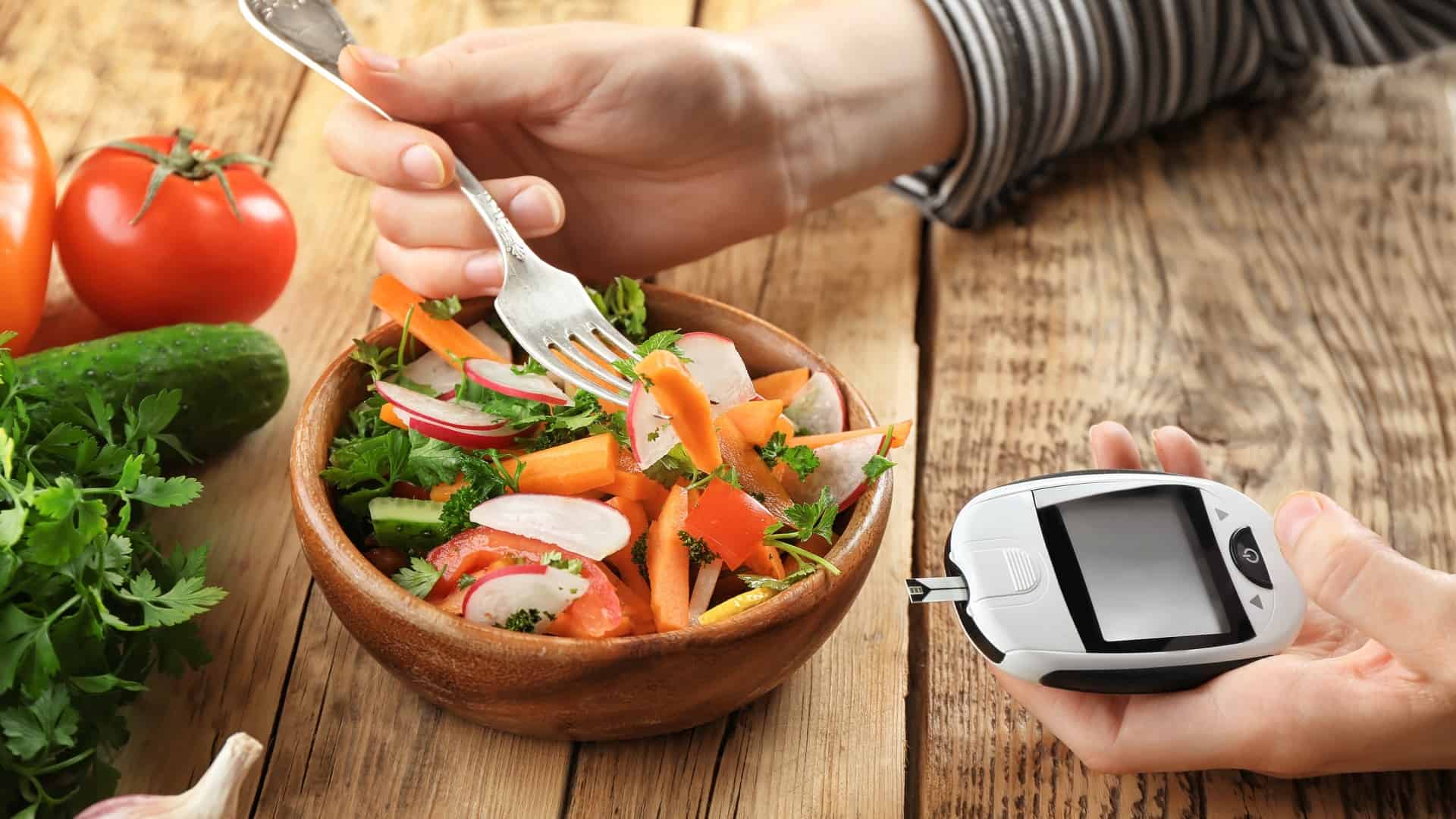
Packaged foods are full of refined sugars, white flour, refined carbs, and high-fructose corn syrup, which can be found in almost everything, including ketchup and salad dressing.
All of these ingredients cause blood sugar spikes and crashes, forcing the body to pump out more insulin to compensate. Over time, cells stop responding to insulin, leading to insulin resistance and, eventually, to Type 2 diabetes.
Even "healthy-sounding" processed foods like granola bars and flavored fruity yogurts can have more sugar than a candy bar. That's why it's so important to focus on real, whole foods to keep blood sugar stable.
How to Make Healthier Eating Choices
The good news is that you don't have to be stuck in the cycle of processed foods and unhealthy eating. Making small changes can lead to huge improvements in health over time. You can break the cycle of eating like an "American!"
Always prioritize whole, unprocessed foods by focusing on fruits, veggies, whole grains, lean proteins, and healthy fats. If it comes in a box or has a long ingredient list, it's probably not the best choice.

You can also try to prepare more of your meals at home, as home-cooked meals give you full control over ingredients and help you avoid hidden sugars, sodium, and unhealthy fats. If you're short on time, try meal prepping or using a slow cooker for easy meals. Once you get into the habit of making your meals from whole, unprocessed foods, you may start to enjoy cooking and love the foods you create!
But the real first step to eating a healthier diet is to shop smarter. Stick to the perimeter of the grocery store. That's where the fresh produce, dairy, and meat are typically stored. Avoid those middle aisles where there are the most processed foods. But, if you do need to buy packaged foods, always read ingredient labels. Look for real ingredients instead of preservatives, artificial flavors, and hidden sugars.
When you plan ahead and have healthy meals and snacks ready, you're less likely to grab fast food or packaged snacks. Make a grocery list and stick to it! Don't get distracted by processed food marketing tricks, as you have just learned what those convenience foods can do to your health over time.
The American diet may very well be broken, but that doesn't mean we're stuck with it. Packaged foods, limited access to fresh ingredients, and cheap processed options have led us into a health crisis, but the power to change is in our hands.
Start small and make smart choices, and then we can really take control of our health. We need to take it one meal at a time and, hopefully, our whole way of eating will change for the better.
This article was inspired by Health Day and was first published at Spatula Desserts.
Leave a Reply