
The global superfoods market generated a revenue of USD 182,151.3 million in 2023 and is expected to reach USD 244,160.0 million by 2030. This is due to the rising number of health-conscious consumers, increasing preference for nutritious foods, and rising disposable income.
We've all heard about superfoods, and they seem to be everywhere! They are those magical-sounding ingredients that are rich in so many nutrients that they practically promise eternal health, everlasting youth, and superhuman strength. But how much of this information is real science, and how much is just clever marketing? With the help of Medical News Today, we are taking a thorough look at superfoods and their true benefits.
What Are "Superfoods"?
The word "superfood" sounds like something straight out of a comic book. The foods are so powerful that they could give you laser vision, endless energy, and an immune system that laughs in the face of the common cold! However, in reality, the term "superfood" is largely just a marketing term.
There's no official definition of superfoods, and no scientific board exists to decide which foods make the cut and which don't. The term is primarily used to describe foods rich in antioxidants, vitamins, minerals, and other health-boosting nutrients.

Essentially, superfoods are nutrient-dense foods that offer numerous benefits in small amounts. They might be great for your health, but they're not magical cures for anything (despite what Instagram influencers want you to believe).
Examples of Superfoods
So, what foods actually get the superfood badge of honor? While really anything can be labeled as a "superfood," here are some of the most hyped-up ones that many of us automatically think about.
- Blueberries
- Kale
- Avocados
- Salmon
- Quinoa
- Tumeric
- Chia Seeds
- Dark Chocolate
- Ginger
- Goji Berries
- Maca
We could go on and on listing all the foods that are considered to be "super," and while these foods are all packed with nutrients, the real question is, do they actually deserve the hype? What makes them more special than other relatively healthy foods?
Are Superfoods Real? Or Just a Marketing Gimmick?
Let's get one thing straight - superfoods are definitely healthy, but they are certainly not magical.
Many of the foods labeled as superfoods do have amazing health benefits, but the term itself is mostly a marketing strategy. Companies use the word "superfood" to sell products at higher prices, and people tend to believe that eating these foods will instantly make them healthier.
Let's take a look at berries, for example, which are often said to be superfoods. Berries are packed with antioxidants that have been shown to improve heart health and even lead to improved blood flow. Some studies suggest that berries may even help lower the risk of heart disease; however, further research is needed to confirm their full potential.

Many cruciferous vegetables, such as kale, broccoli, and cauliflower, are also total superstars when it comes to health. Diets rich in these greens have been connected with a lower risk of heart disease and even certain cancers. And let's not forget garlic, which has been shown to have anti-cancer, anti-diabetes, and blood pressure-lowering properties.
The truth is, most so-called superfoods really do offer significant health benefits, but that doesn't mean they're dramatically superior to other nutritious foods. For example, kale is packed with vitamins and has been linked to lower inflammation and potential anti-tumor effects, but that doesn't mean other vegetables aren't just as healthy. The key to real health is always a balanced diet comprised of a variety of nutrient-dense foods, not just the trendiest ones.
The Science Behind Superfoods
Superfoods are rich in antioxidants, minerals, and vitamins, which are great for your body. However, so are many other foods that don't receive the "super" label.
For example, broccoli is rich in vitamin C and fiber, but it is not commonly referred to as a superfood. Beans are rich in protein and gut-friendly fiber, yet they're never referred to as "super." Apples have antioxidants and natural fiber, but they don't get the same love as the coveted acai berries.
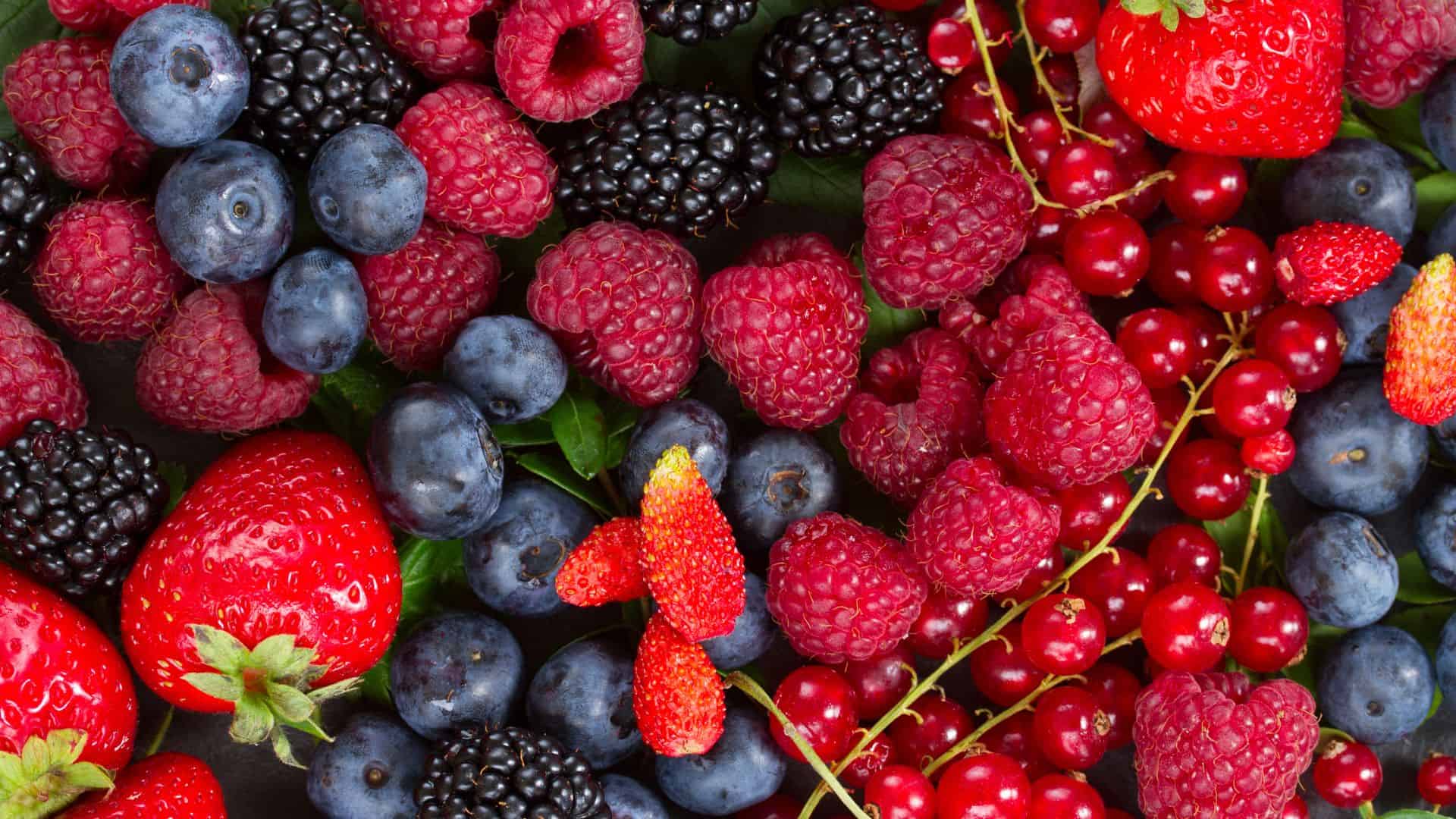
Superfoods aren't the only healthy foods out there, and many regular foods provide just as much nutrition without fancy names or price tags.
Are They Worth the Extra Money?
Superfoods often come with a hefty price tag, especially when they're trendy. People willingly pay a premium for those fancy acai bowls and matcha lattes, which are often double the price of regular coffee. But do these foods have benefits? Sure they do! But you don't need to break the bank to eat healthy.
There are plenty of budget-friendly foods that offer the same nutrients at a fraction of the price; however, you may not see them advertised as "super." The moment a food is recognized as a "superfood," expect its price to increase. Yes, they are healthy, so it's not a terrible idea to spend your money on superfoods. Just keep in mind that you are also paying for the hype!
Will Eating Only Superfoods Keep Me Healthy?
We regret to say that even superfoods cannot guarantee eternal health. Your body needs way more than just "superfoods" to be healthy. You can eat all the kale and blueberries in the world, but if you're not getting a balanced diet, enough sleep, regular exercise, and proper hydration, you won't feel your best.
Your body needs a complete and balanced diet. While superfoods are great, they can't replace proteins, carbs, healthy fats, and fiber from a variety of foods. Eating the same "super" foods repeatedly won't provide your body with everything it needs.

You also need regular exercise, and no food can replace physical activity. Quality sleep is another crucial aspect of maintaining a healthy life. You could eat the healthiest diet ever, but if you're running on 4 hours of sleep, your body won't function properly. Superfoods also won't help you if you're constantly dehydrated. Drinking enough water is essential!
So, while superfoods can be a great addition to your diet, they're not a magic solution to staying healthy. Proper health comes from a well-rounded lifestyle, not just fancy ingredients.
Superfoods are nutrient-packed and beneficial, but they're not the only way to eat healthy. Many everyday foods offer just as many benefits, often at a significantly lower price.
If you enjoy eating avocados, chia seeds, and dark chocolate, great! But don't feel like you need to spend a fortune on trendy health foods. Always strive for a balanced diet, regular exercise, adequate sleep, and hydration, as these are the key ingredients for optimal health.
This article was inspired by Medical News Today and was first published at Spatula Desserts.
Leave a Reply