
Summer dinner parties look effortless from the outside, but they rarely are. Between unpredictable weather, tired guests, and food that behaves differently in the heat, the usual rules of hosting often fall apart. I’ve had enough evenings where I overcooked, overplanned, or simply underestimated how much energy the day would take out of everyone, including myself. That is what pushed me to rethink the structure entirely.
Keep the menu simple
The biggest shift I made was reducing complexity. Summer is not the season for multi-step dishes that require constant attention or last-minute assembly under pressure. Instead, I now build menus around a few well-chosen components that can be prepared in advance and served without stress.
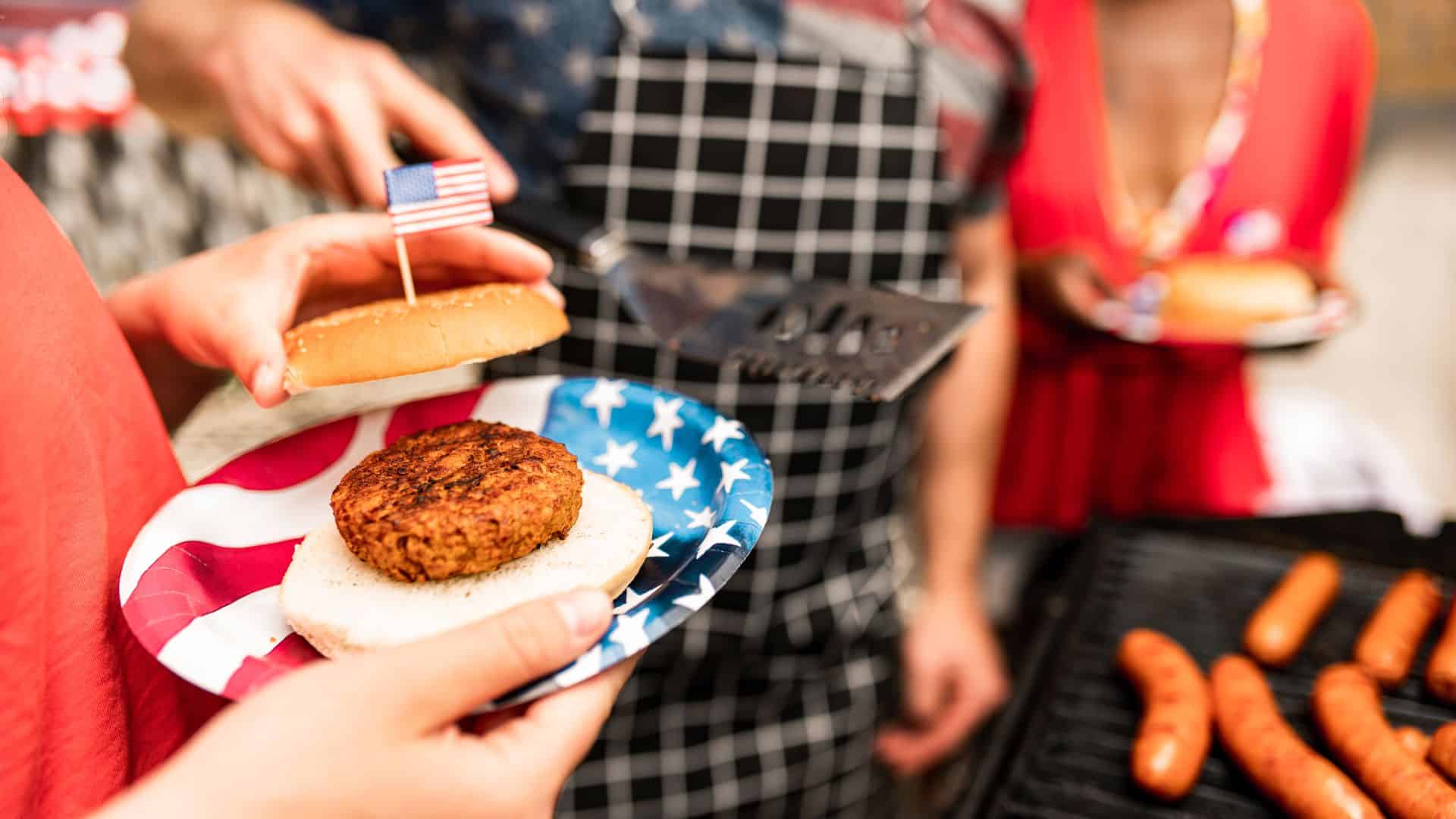
I tend to focus on dishes that hold well at room temperature or improve slightly as they sit, such as roasted vegetables, simple grilled proteins, or grain-based salads. The goal is not to impress with technical effort but to create food that feels generous and unfussy. When the menu is simple, everything else becomes easier to manage.
Do most of the work before guests arrive
I used to underestimate how much the final hour before guests arrive determines the entire tone of the evening. If I’m still cooking when people walk in, I never fully catch up. Now I shift almost all prep earlier in the day, even if it means spreading tasks out more deliberately.
Vegetables are chopped in advance, dressings are mixed ahead of time, and anything that can be served cold is already plated or ready to go. This changes the entire dynamic of hosting, because I am not disappearing into the kitchen while everyone else settles in.
Serve food that fits the weather
One of the most practical lessons I’ve learned is that heavy food and hot weather don't mix well in a social setting. Even if people enjoy rich dishes, they tend to feel sluggish more quickly in the summer heat, especially during long evenings spent outside.
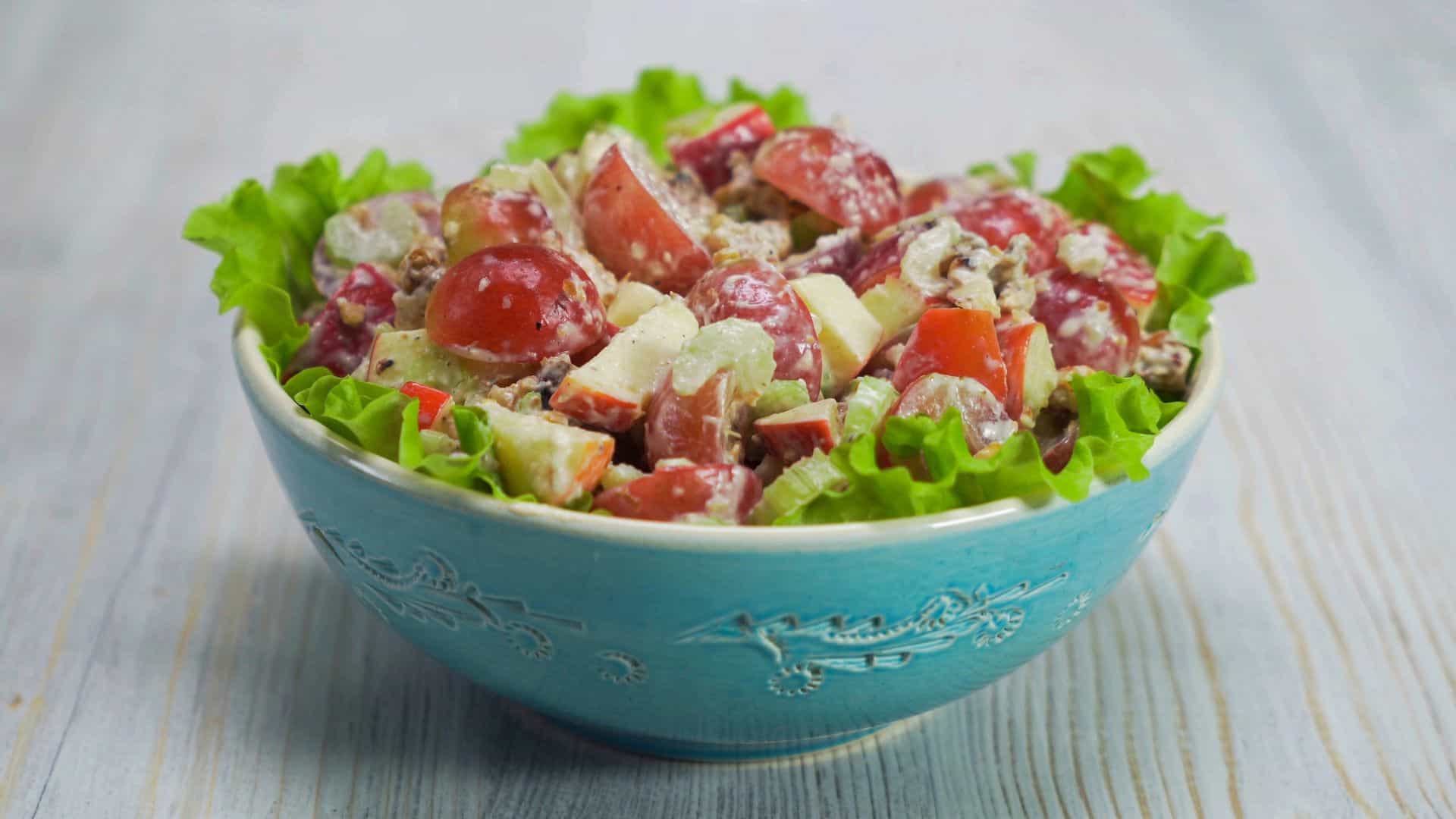
Now I lean into lighter combinations that feel balanced rather than heavy. Fresh herbs, citrus, olive oil, seasonal vegetables, and chilled components all work better than overly rich or complicated plates. It is not about removing indulgence, but about adjusting it so it fits the conditions rather than fighting them.
Make drinks self-serve
Drinks used to be something I constantly had to manage at gatherings, which pulled me away from everything else. Now I set up a simple self-serve drink station before guests arrive so people can help themselves without needing to ask.
This usually includes a few chilled non-alcoholic options, a basic selection of wine or spritz-style drinks, and plenty of ice. Once that is in place, the flow of the evening changes immediately. It removes a layer of responsibility and makes the gathering feel more relaxed for everyone, including me.
Embrace imperfect timing
One of the most freeing changes I made was letting go of strict timing. Summer evenings rarely follow a schedule anyway, especially when people arrive late, linger outside, or move naturally between indoors and outdoors. Trying to enforce a precise dinner time often creates more stress than structure.

Now I treat the evening as a gradual flow rather than a fixed sequence. Food is served when it is ready, not when the clock says it should be, and people tend to adjust easily when the atmosphere is relaxed. This shift alone has made hosting feel less like coordination and more like conversation.
Keep the table relaxed, not styled
Most guests do not notice the details I was stressing about, but they absolutely notice whether the atmosphere feels comfortable.
Now I focus on practical beauty rather than perfection. Simple linen, a few fresh elements from the garden or market, and enough space on the table matter more than elaborate decoration. The goal is for people to feel welcome, not to feel like they are part of a staged setting.
Leave space for yourself
The most important rule I follow now is that I am part of the evening, not just the person producing it. In the past, I often ended up exhausted by the time everyone left because I had tried to control too much of the experience.
Now I deliberately leave gaps in the plan where I am not actively doing anything. That might mean preparing food earlier than necessary or choosing dishes that do not require attention once served. The result is that I actually get to enjoy the same evening I invited others to.
Leave a Reply