
Airports have a very specific kind of hunger attached to them. It is not the same as being hungry at home, where you can cook or wait, or as being in a city, where you can choose freely. I used to treat airport food as something to just get through, but after too many dry sandwiches and disappointing coffees, I started paying attention to what actually works.
Good sandwiches
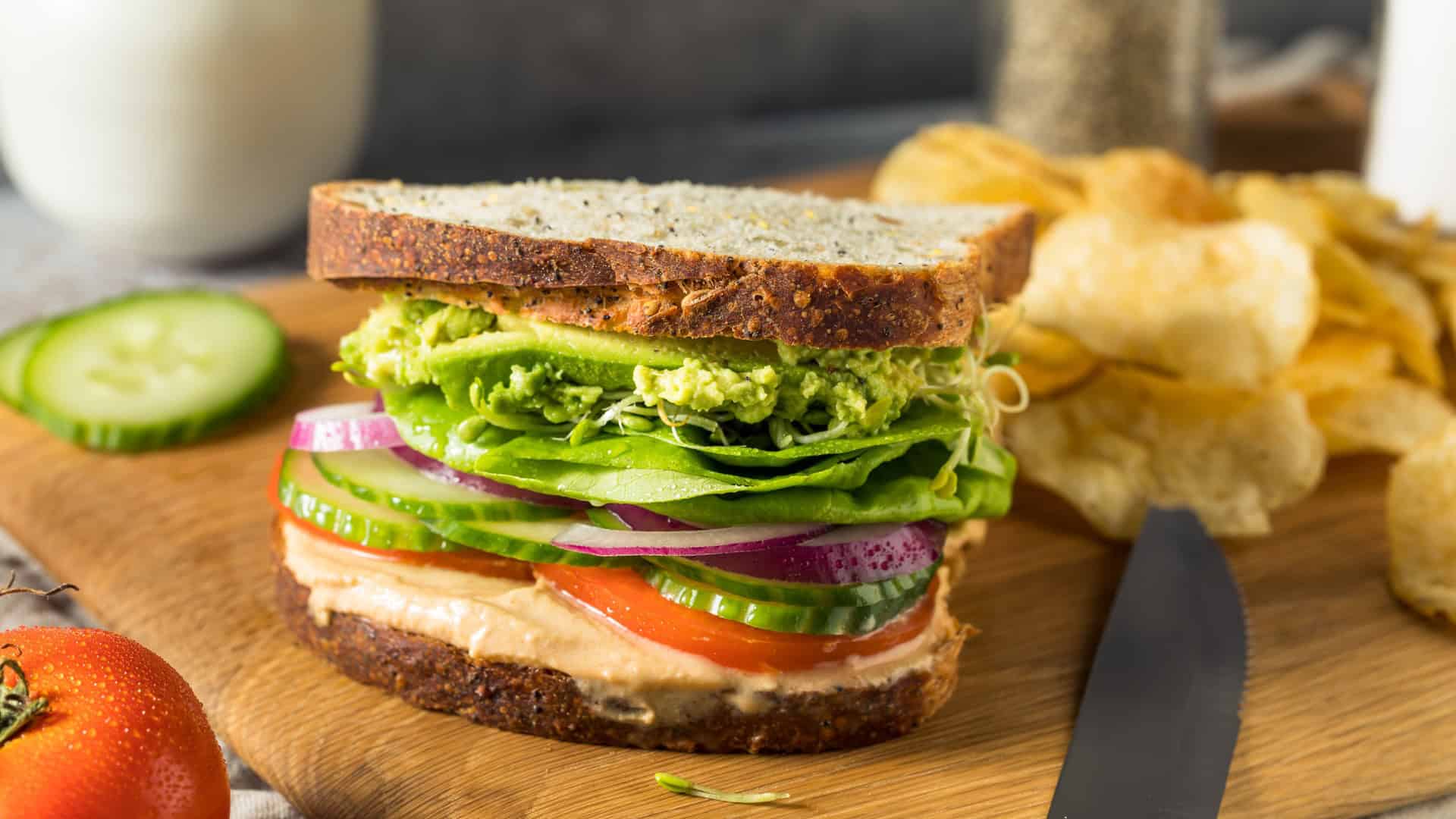
Sandwiches are usually the safest starting point in an airport, but only if you choose carefully. The difference between a good and a bad one usually comes down to freshness and simplicity rather than anything fancy. The best versions are almost always the most basic: good bread, a small number of fresh fillings, and nothing that feels over-processed or overly sauced.
What I avoid now are the sandwiches that look like they were made too far in advance or designed to survive hours in a fridge. They tend to go dry or soggy. The ones worth buying are usually made on-site or restocked frequently, and they feel closer to what you would eat in a café than to something designed for travel logistics.
Simple salads and grain bowls
Salads used to feel like a punishment option to me in airports, something you pick when everything else looks worse. That changed once I started noticing the better-prepared bowls that include grains, legumes, and proper seasoning, rather than just raw vegetables and dressing on the side.
The key difference is structure. A good airport salad is not just lettuce; it behaves like a full meal. It might include quinoa, lentils, roasted vegetables, or chicken, combined with something acidic or creamy to tie it together. These are the meals that actually hold up while waiting for a flight, and they do not leave you feeling heavy or unsatisfied afterward.
Decent coffee options
Coffee in airports is inconsistent, but it is also one of the most important small decisions you make during travel. A good cup of coffee can boost your energy before a flight, while a bad one just adds to your fatigue. I’ve learned not to assume that the biggest chain is always the best option, even if it is the most visible.
The best airport coffees I’ve had often come from smaller counters or bakery-style cafés that take the basics seriously. A simple cappuccino or espresso, made properly, is usually all you need. What I avoid are overly large, overly sweet drinks that are designed more for volume than quality, especially when you are already dealing with travel stress.
Fresh bakery items
Bakery items are among the more reliable pleasures in airports, but only when kept simple. Croissants, plain rolls, and lightly filled pastries tend to work far better than anything heavily layered or coated. The issue with more complex baked goods is that they lose texture quickly in airport conditions.
I tend to look for items that feel freshly rotated rather than ones that have been sitting out for long periods. A plain butter croissant that is still slightly warm can be one of the most satisfying things to eat before a flight.

Easy snacks to grab
There is a whole category of airport food that isn't really a meal but is often the most practical choice. This includes nuts, fruit, yogurt, protein bars, and small packaged items that are easy to carry and eat later. These are especially useful when flight schedules are unpredictable or when you do not want to commit to a full meal.
What makes these snacks valuable is not excitement but reliability. They travel well, they do not depend on timing, and they usually cost less than prepared meals. I often end up combining a few of these rather than trying to force a traditional meal at the wrong moment in the airport.
Foods I avoid
Over time, I’ve developed a fairly clear sense of what not to buy. Fried foods that have been sitting under heat lamps are usually the worst offenders because they lose texture quickly and rarely recover. Anything that looks heavily sauced or overly assembled also tends to disappoint, especially when it has been sitting for a while.
I also avoid anything that feels like it was made far in advance and stored for convenience rather than quality. In airports, it is often obvious when food is designed for logistics rather than eating. Those are the moments where price and expectation rarely match the final result.
Airport food might seem like a minor detail in the context of travel, but it actually shapes the experience more than people realize. A good choice can make a long wait more comfortable, while a bad one can leave you feeling drained before you even board.
Leave a Reply